

Published Apr 28, 2026, 12:00 PM EDT
Cathal Gunning has been writing about movies, television, culture, and politics online and in print since 2017. He worked as a Senior Editor in Adbusters Media Foundation from 2018-2019 and wrote for WhatCulture in early 2020. He has been a Senior Features Writer for ScreenRant since 2020.
Among HBO’s many attempts to replace Game of Thrones, there is one sci-fi show that borrowed from the iconic blockbuster Inception and the mystery box classic Lost, and succeeded until it took this approach too far. When HBO’s Game of Thrones became a record-breaking success for the cable network, everyone else wanted in on the action. There was a slew of mature, R-rated fantasy and sci-fi shows that attempted to cash in on the success of the series, and some of these were surprisingly superb in their own right.
Outlander, The Legend of Vox Machina, Arcane, Interview with a Vampire, The Witcher, and Castlevania all owed a debt to Game of Thrones, to say nothing of the original show’s spinoffs, House of the Dragon and A Knight of the Seven Kingdoms. Even HBO’s upcoming Harry Potter series, while it might be more family-friendly than the George R.R. Martin adaptation, is betting big money on adapting a series of beloved fantasy novels in part because of the Game of Thrones franchise’s outsized success.
Thus, it should come as no surprise that 2016’s Westworld was an early, admirably ambitious attempt to bring the complicated storytelling of Game of Thrones to a sci-fi story more reminiscent of director Christopher Nolan’s Inception or TV's Lost. Based on the novel of the same name by Jurassic Park author Michael Crichton, already adapted into a feature film back in 1973, Westworld focused its story on the titular theme park of the future.
Westworld Was Clearly Meant To Be HBO's Game of Thrones Replacement
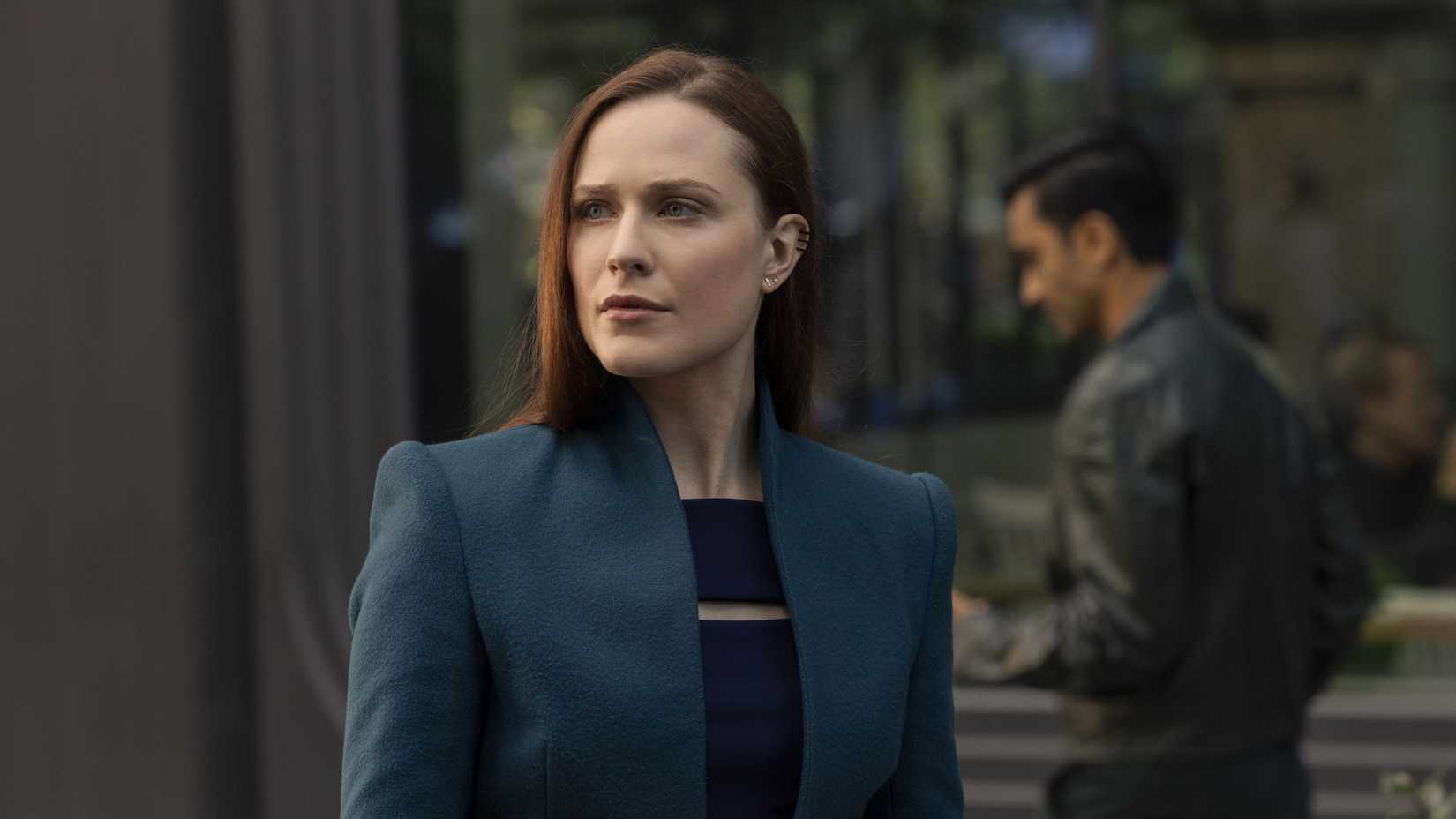 Image via MovieStillsDB.com
There, visitors were encouraged to treat the humanoid robot “Hosts” as they pleased, taking advantage of the Wild West setting’s lawless ethos to act out their most inhumane and sadistic fantasies. Inevitably, the original novel and its 1973 movie adaptation centered on what happened when the robotic hosts rebelled against their programming and fought back, something hilariously spoofed in The Simpsons’ Westworld parody. However, HBO’s show was a slower, more thoughtful, and altogether more complex take on this simple original storyline.
Like Lost, Westworld’s time-twisting story bounced between the present and the future of the park, resulting in numerous shocking moments where characters thought to be humans were revealed to be hosts and vice versa. Throughout Westworld season 1, the show was one of the best examples of the mystery box approach since Lost, deftly intertwining storylines in both timelines and drip-feeding enough clues to keep viewers hooked without ever fully revealing what was going on.
Westworld’s Complexity Made HBO's Sci-Fi Great (And Then Ruined The Show)
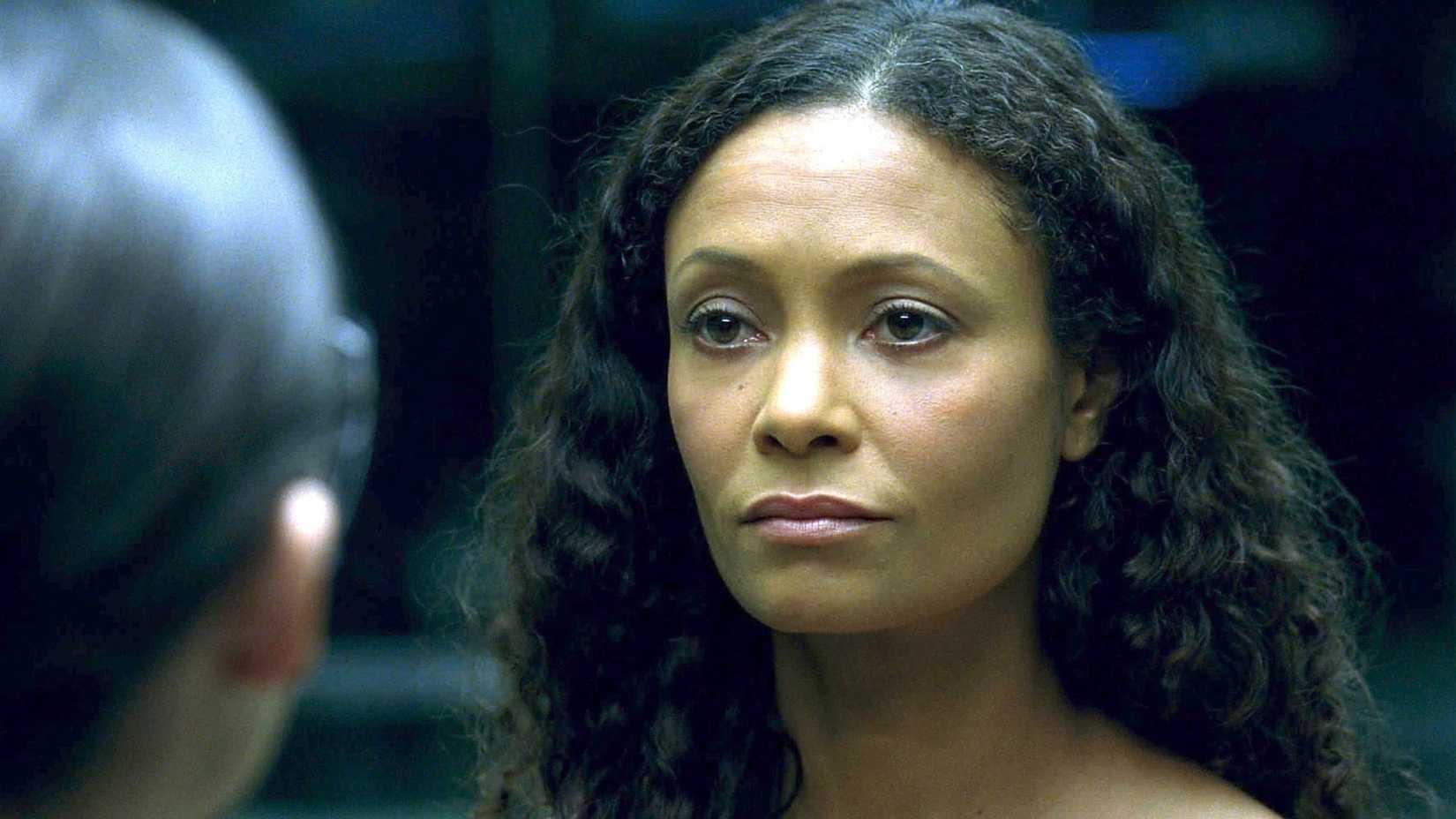
However, Westworld’s comparisons to Game of Thrones, Lost, and Inception eventually served to remind viewers why the acclaimed HBO fantasy series, the iconic '00s show, and Nolan’s mind-bending blockbuster don’t mix. Inception was impressively convoluted in its plot structure, but the movie’s comparatively brief 2-hour runtime meant viewers could eventually get some answers at the end. Meanwhile, Game of Thrones balanced over a dozen main characters throughout its complicated story, but the show avoided flashbacks and other time-twisting narrative contrivances.
The reason Game of Thrones had no flashbacks was precisely that the show was already burdened with a lot of storylines to juggle without introducing a needlessly complex level of time manipulation. Sadly, the creators of Westworld didn’t get this memo when the show updated Crichton’s story. Thus, the show was equally complex on two fronts, focusing on numerous main characters while also jumping between two timelines with reckless abandon.
The result was a series that started out entirely enthralling, and soon started to feel more and more like a train wreck waiting to happen. Westworld’s increasingly convoluted storytelling started to turn viewers off in season 2, but season 3 was the death knell for many fans. Where other dystopian sci-fi shows like The Handmaid’s Tale were too repetitive, Westworld’s attempt to blend Inception, Lost, and Game of Thrones made for a rare show where viewers wished the characters would repeat themselves more often to make sense of the story.
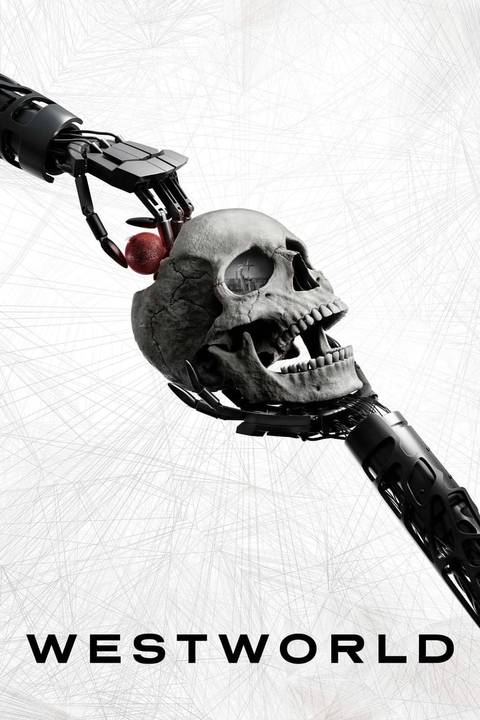
Release Date 2016 - 2022
Network HBO
Showrunner Jonathan Nolan, Lisa Joy
Directors Fred Toye, Jennifer Getzinger, Stephen Williams, Vincenzo Natali, Craig William Macneill, Anna Foerster, Craig Zobel, Hanelle M. Culpepper, Helen Shaver, Jonny Campbell, Michelle MacLaren, Neil Marshall, Nicole Kassell, Tarik Saleh, Uta Briesewitz, Lisa Joy, Meera Menon
Writers Roberto Patino, Carly Wray, Ron Fitzgerald, Daniel T. Thomsen, Karrie Crouse, Wes Humphrey



 English (US) ·