
Mosfilm
In an article for The Atlantic, author Rose Horowitch spoke to multiple film teachers and film studies professors around the U.S. and discovered a rather distressing trend. It seems that film students — the kids who paid good money to learn the art and craft of cinema — no longer have the attention spans to sit through movies anymore. It's not just extra-long whoppers like "Ben-Hur." One professor reported that he couldn't even get his class to sit through director Francis Ford Coppola's 1974 classic "The Conversation." Despite in-classroom bans on cell phones, as some teachers noted, most students would end up checking their secondary screens throughout.
The media landscape is changing dramatically, and the way students engage with movies has been altered. The Atlantic pointed out that many film students are starting to eschew the idea of in-person screenings altogether, preferring to watch movies in their dorm rooms alone via a campus streaming service. And even then, professors were able to track their students' watching habits and found that many kids didn't even finish watching the films assigned to them. One student admitted to watching movies at double speed.
Of course, many readers might be able to relate to this. Thanks to our constant engagement with quick-bite media online — TikTok, YouTube Shorts, and others that followed Quibi's tragic demise — our attention spans have become fried. And while we can personally lament our individual inability to pay attention to a long, old movie, this is especially unnerving when applied to film students. Here is a class of people, ostensibly interested in studying and advancing cinematic art, who can't even sit through a 113-minute movie like "The Conversation."
How can we lengthen our attention spans and teach ourselves to watch longer movies again? Slow Cinema is the key.
Watching longer, slower movies might be the thing that saves our attention spans
Sine Olivia Pilipinas
The Atlantic article ends with two different ways that professors are addressing the flagging attention spans of their students. One professor is rolling with changing media consumption habits and teaching his students how to make punchy, eye-grabbing short films. This is, after all, the way many teens engage with most of their filmed entertainment in the 2020s.
That approach may be a great way to evolve with the times, but this is not the way to extend one's attention span.
Trying to get a younger student interested in the traditional Hollywood three-act structure may be a doomed endeavor. Many of us older filmgoers may assume that a student would be made more alert by a fun, light, action-packed movie with a lot of incidents and a story that unfolds naturally over 90 to 120 minutes. But for a kid used to quick-gratification narratives, waiting for traditional screenplay climaxes as they were written in the 1970s can feel like a chore. Why wait for a movie's protagonist to have their catharsis at the start of a film's third act when a catharsis can be had almost right away online?
Other professors, however — namely, Kyle Stine at Johns Hopkins University and Rick Warner, the director of film studies at the University of North Carolina — seem to have cracked the code, and this would have been my personal solution as well. Their method for extending their students' attention spans is delving deep into the art of Slow Cinema.
Not just "movies that are slowly paced," but the subgenre of films known as Slow Cinema. Slow Cinema movies tend to be incredibly long and don't adhere to traditional cinematic narratives.
It's okay to engage with movies where not much happens
Homegreen Films
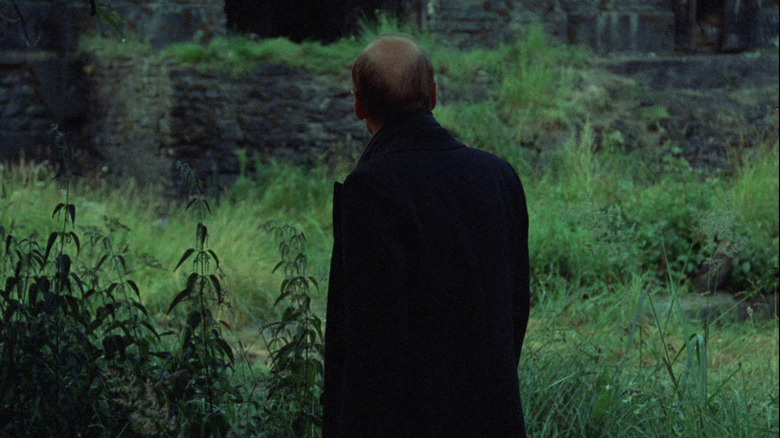
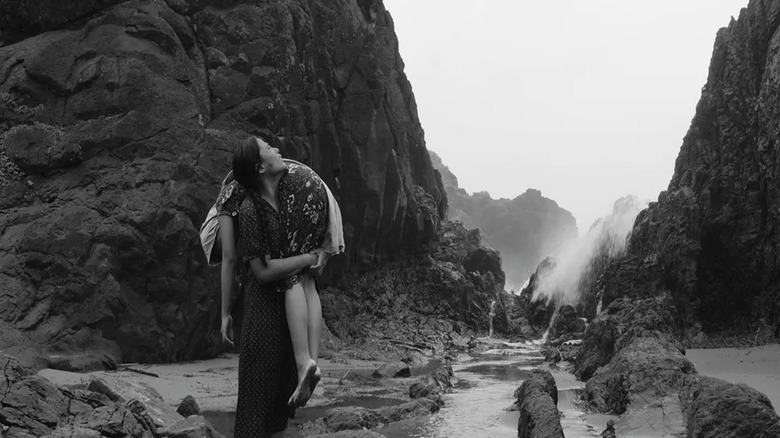
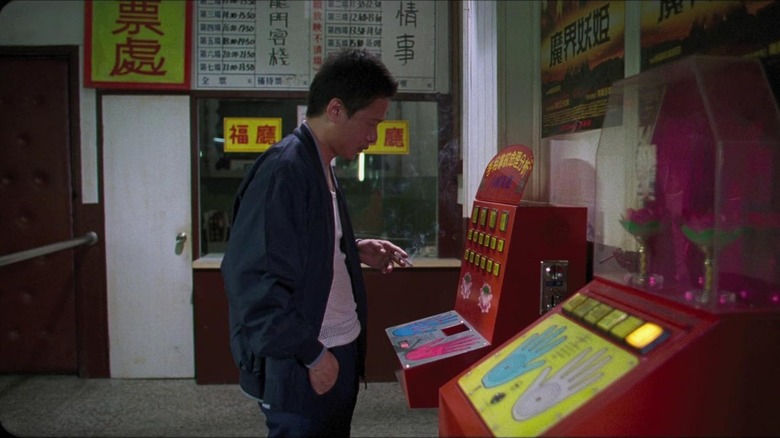
Some cineastes may be familiar with the maestros of the Slow Cinema format. Tsai Ming-liang ("Goodbye, Dragon Inn"), Béla Tarr ("Werckmeister Harmonies"), and Andrei Tarkovsky ("Stalker") might be some of the better-known names who operate at a slower pace. Then there are the massively long movies made by Filipino filmmaker Lav Diaz.
One of the functions of Slow Cinema is to, as the name implies, slow you down. They force you to stare, breathe, and maybe even enter a mental state approaching meditation. Diaz or Tsai might lock down their cameras and simply observe a nature scene or a single room for minutes at a time, living in that place without blinking.
And yet, Slow Cinema is riveting. There's something about a complete lack of incident that draws the eye and keeps a viewer engaged. We scan the frame and look for significant details, yet we're unsure as to what we're even searching for. Diaz is especially skilled at this, as his nature scenes tend to eventually reveal human characters emerging from the underbrush. Tarr similarly allows his cameras to drift, wandering down long paths and focusing on characters (or not).
But whether or not our eye catches anything, we're teaching ourselves to scan, look, and, ultimately, to just observe. Slow Cinema teaches us that movies will give us information in their own time and that it's our job, as viewers, to wait. And it's actually effortless to live in a quiet cinematic space for a long while, waiting for events to unfold. Besides, if "nothing" happens, we've learned that the "plot" wasn't all that important. It was living with a movie that truly enriched us.
And that's a lesson we can all learn.

 English (US) ·