


Published May 12, 2026, 9:00 AM EDT
Kevin Pantoja is a writer and editor at Screen Rant based in New York City, where he brings deep expertise in blockbuster franchises ranging from Harry Potter and Spider‑Man to Succession and the MCU. A passionate storyteller with a creative writing degree (Valedictorian, Full Sail University), Kevin blends entertainment news, feature essays, and pop‑culture commentary into engaging, audience-first content
A lot has been made about the current state of the Marvel Cinematic Universe. The franchise was on an incredible roll for its first decade or so, with Avengers: Endgame being a capper for the Infinity Saga. It was a perfect ending and even the next few films, like Spider-Man: Far From Home and Black Widow, received solid reviews, as did some shows like WandaVision and Loki. However, things are still pretty mixed.
Some films and shows have been poorly received by critics and fans alike, while others might have been considered good, but don't feel like they fit in with everything else. It has made for a questionable run as we near Avengers: Doomsday. When Avengers: Infinity War was on the horizon, it was clear how everything lined up and played into each other. Now, things are much more muddled, which has been frustrating for fans who watch everything.
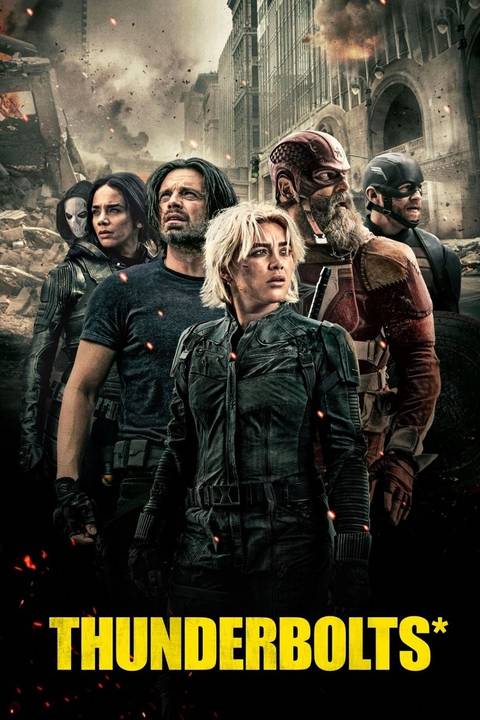
However, Thunderbolts* is a movie that kind of came from out of nowhere and helped fix some of those issues. Nobody expected a film about secondary characters to be as good as it was or to be as important to the grand scheme of the MCU as it was. In a lot of ways, Thunderbolts* helped save the most recent phases of the franchise.
Thunderbolts Tied Together Several Post-Endgame Stories
The thing that made Thunderbolts* seem like it was going to be a flop was that it focused on a group of characters who were either previously secondary heroes or were villains. That makes it hard to market and to get people into the theater. There wasn't a Deadpool, Captain Marvel, or Thor to lead the way. However, this unexpected cast of characters actually worked in the film's favor as it brought together several post-Avengers: Endgame stories.
Yelena Belova is the most fleshed-out and best character introduced after Endgame, so putting the focus on her was a smart move. She's someone the audience was already attached to and the same goes for Bucky Barnes, who is basically the second lead of the film. Adding John Walker was important because it made his introduction in The Falcon and the Winter Soldier more meaningful, while also picking up on the thread of where he went after his failed time as Captain America.
Alexei, Yelena's adoptive father, also gets to pick up his story that started in Black Widow. One of the most important tying pieces of everything, though, is Valentina Allegra de Fontaine. From Hawkeye to Black Panther: Wakanda Forever, she has been a recurring character with some intriguing intentions. She puts the team together, it gets revealed that she's the one who purchased Avengers Tower, and she's the one with the power to ultimately name the team the Avengers. Her shady motivations allow her to feel different from the likes of Nick Fury.
The Team In Thunderbolts Feels Like A Family

When the Avengers came together for the 2012 movie, they mostly didn't know each other and had to develop a relationship. One of the best things about Thunderbolts* is that this was the first meeting of the titular group, so they get to form a bond before we see them officially become the Avengers. That, again, allows this to feel different from what we had in the past. What truly works here is that they feel like a family.
The original Avengers are indeed a team, and a powerful one at that, but they never felt like a family. The Guardians of the Galaxy more closely resembled a familial unit than the Avengers ever did and the Thunderbolts have built on that. This is a group of broken people who come together and only get through their adventure because they rely on each other and relate to one another. They overcome a powerful enemy because they work together and a group hug is literally what saves them.
That's a beautiful sentiment and it makes us, as the audience, care more about this unit. Most of us didn't think we'd grow to love the Thunderbolts, yet by the time Avengers: Doomsday rolls around, their bond has been established, which makes us care about what happens to them.
The Movie Makes Us Care About These Characters

As noted, we now care about these characters, which wasn't what many of us expected. Yelena and Bucky had developed backstories that we got to see showcased across several movies and TV shows, so fans came into the film already knowing and loving them. The rest of the group was harder to develop, yet the film pulled it off.
John Walker was only known as basically the bad Captain America and had killed a man on live TV. Yet, we see him become a friend to this group and we empathize with him as he's lost his family. Yes, they left him because of his own actions, but he's working towards redemption. The same goes for Alexei, who was good in Black Widow but we'd mostly only seen him as a guy who allowed bad things to happen to his adoptive daughters. Thunderbolts* allowed him to crack more jokes and be more of a father figure to Yelena.
Thunderbolts* is far from perfect though, and they admittedly still didn't give too much to Ava Starr to do. She has a few moments to shine but we don't know all that much about her past, beyond what we already knew. Bob is a totally new character who has an interesting ability and his struggle with mental health, as well as his relationship with Yelena, makes him someone we want to see more of.
Thunderbolts Helps Set Up Avengers: Doomsday
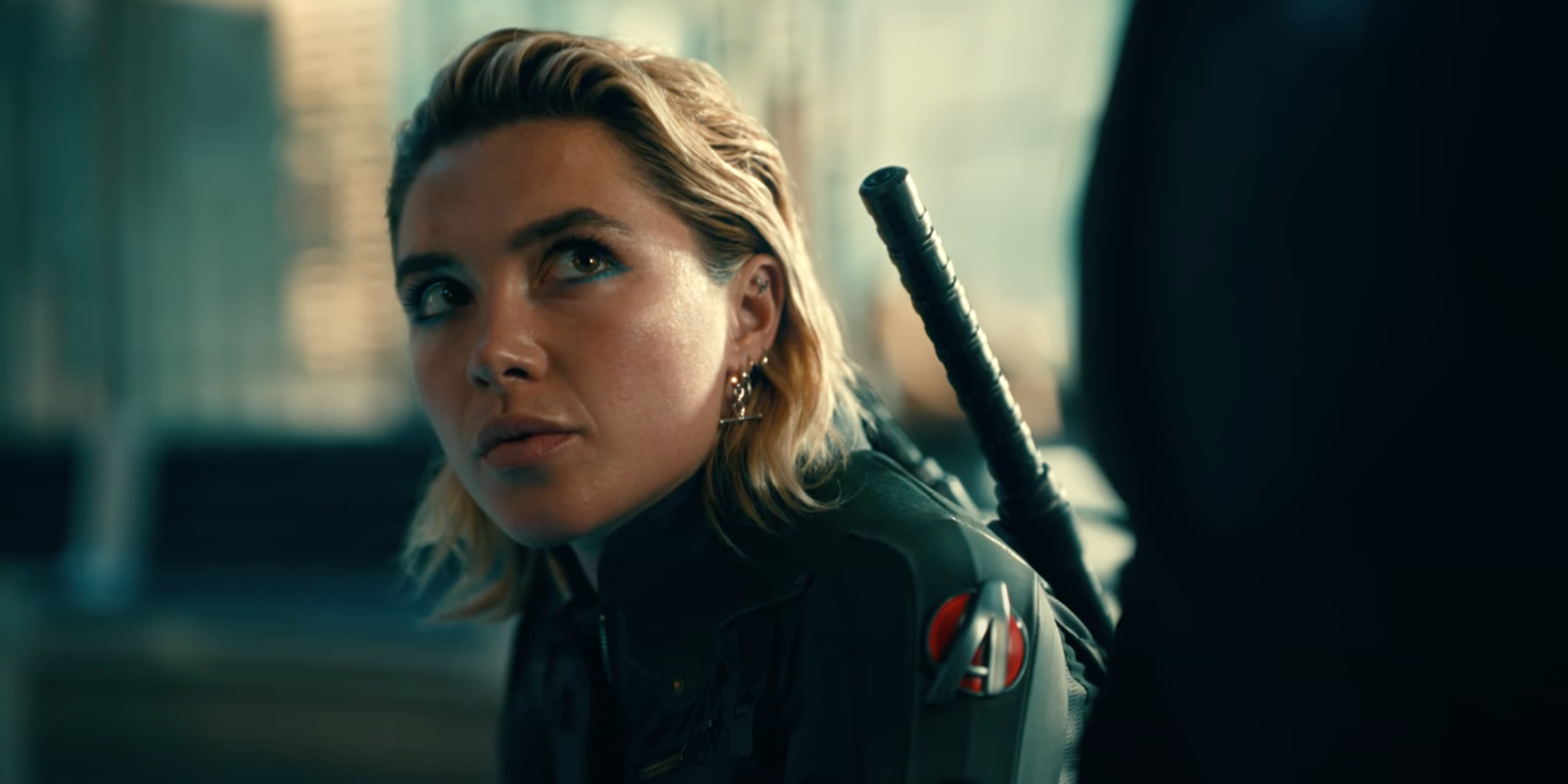
One of the biggest criticisms the MCU currently faces is that things have been disjointed, which means Avengers: Doomsday hasn't been properly built up in the same way that prior Avengers films were. We haven't truly seen the main villain, the teams are a mixture of people we've mostly only seen in one film, and things haven't totally connected.
Thankfully, Thunderbolts* helps bridge that gap a bit. As noted, it sets up one of the main teams for the upcoming blockbuster, and it also uses the post-credits scene to hint at other aspects. We get a line from Bucky that explains Sam Wilson isn't happy with them being called the Avengers, meaning the teams will likely be at odds in Avengers: Doomsday. The post-credits scene also revealed how the Fantastic Four comes into play, further setting the table for Avengers: Doomsday.
Release Date May 2, 2025
Runtime 127 minutes
Director Jake Schreier
Writers Eric Pearson, Joanna Calo






 English (US) ·