


Published Jan 29, 2026, 12:27 PM EST
Tom is a Senior Staff Writer at Screen Rant, with expertise covering all things Classic TV from hilarious sitcoms to jaw-dropping sci-fi.
Initially he was an Updates writer, though before long he found his way to the Classic TV team. He now spends his days keeping Screen Rant readers informed about the TV shows of yesteryear, whether it's recommending hidden gems that may have been missed by genre fans or deep diving into ways your favorite shows have (or haven't) stood the test of time.
Tom is based in the UK and when he's not writing about TV shows, he's watching them. He's also an avid horror fiction writer, gamer, and has a Dungeons and Dragons habit that he tries (and fails) to keep in check.
With no release date set for Silo season 3, the wait has started to feel endless. Fans craving grounded, character-first post-apocalyptic sci-fi are left searching for something equally immersive to fill the gap. There are plenty of bleak wasteland dramas out there, but few match the emotional precision or craftsmanship of HBO’s Station Eleven, a miniseries that quietly lingers long after the credits roll.
Its reputation speaks for itself. Station Eleven boasts a near-perfect 98% Rotten Tomatoes score and racked up seven Primetime Emmy nominations, a rare feat for a limited sci-fi drama. Every year, new viewers stumble across it on streaming and wonder how they missed it when it first ran on HBO Max in 2021, quickly discovering it’s not just good, but exceptional.
Like Silo, Station Eleven presents a distinctive take on survival after catastrophe, focusing on people rather than spectacle. The tones differ sharply, yet both explore fragile hope amid collapse. While waiting for the next chapter of Silo’s underground dystopian nightmare to arrive, Station Eleven proves to be the ideal companion piece above ground.
Station Eleven Is One Of The Best Post-Apocalyptic Shows Of All Time
A Lyrical Character-Driven Survival Story That Turns The End Of The World Into Something Strangely Beautiful

Based on Emily St. John Mandel’s novel of the same name, Station Eleven begins with a flu pandemic that wipes out most of humanity within weeks. The story then fastforwards to capture the lives of survivors decades later. At the center is Kirsten Raymonde (Mackenzie Davis), an actor traveling with a Shakespearean troupe that performs for scattered settlements across the ruins.
The premise sounds familiar, but the execution feels anything but. Instead of leaning on violence or constant dread, the series prioritizes memory, art, and human connection. The show is, at its core, an exploration of grief, healing, and the importance of hope, with the apocalypse used as a backdrop rather than the main event.
Station Eleven’s borderline-nonlinear structure deepens its impact. Moments echo across decades, with small choices reverberating into the future. Miranda Carroll (Danielle Deadwyler), creator of the Station Eleven graphic novel within the show, becomes the thematic glue tying everything together. Her art becomes a lifeline, proof that stories can outlive the end of civilization.
Visually, Station Eleven is stunning without being flashy. Empty cities, snowy forests, and candlelit theaters are framed with a painterly softness. The result feels reflective rather than desolate. Even the antagonist, the Prophet (Daniel Zovatto), is treated with complexity, emphasizing trauma over cartoonish evil.
Most importantly, Station Eleven understands that survival alone isn’t enough. It asks what life is for once the world ends. Music, performance, and community become acts of resistance. Few post-apocalyptic shows feel this humane, and even fewer manage to feel this hopeful without losing emotional weight.
How Station Eleven Compares To Other Post-Apocalyptic Sci-Fi Shows
The HBO Miniseries Trades Cynicism And Shock Value For Intimacy, Art, And Emotional Aftershocks
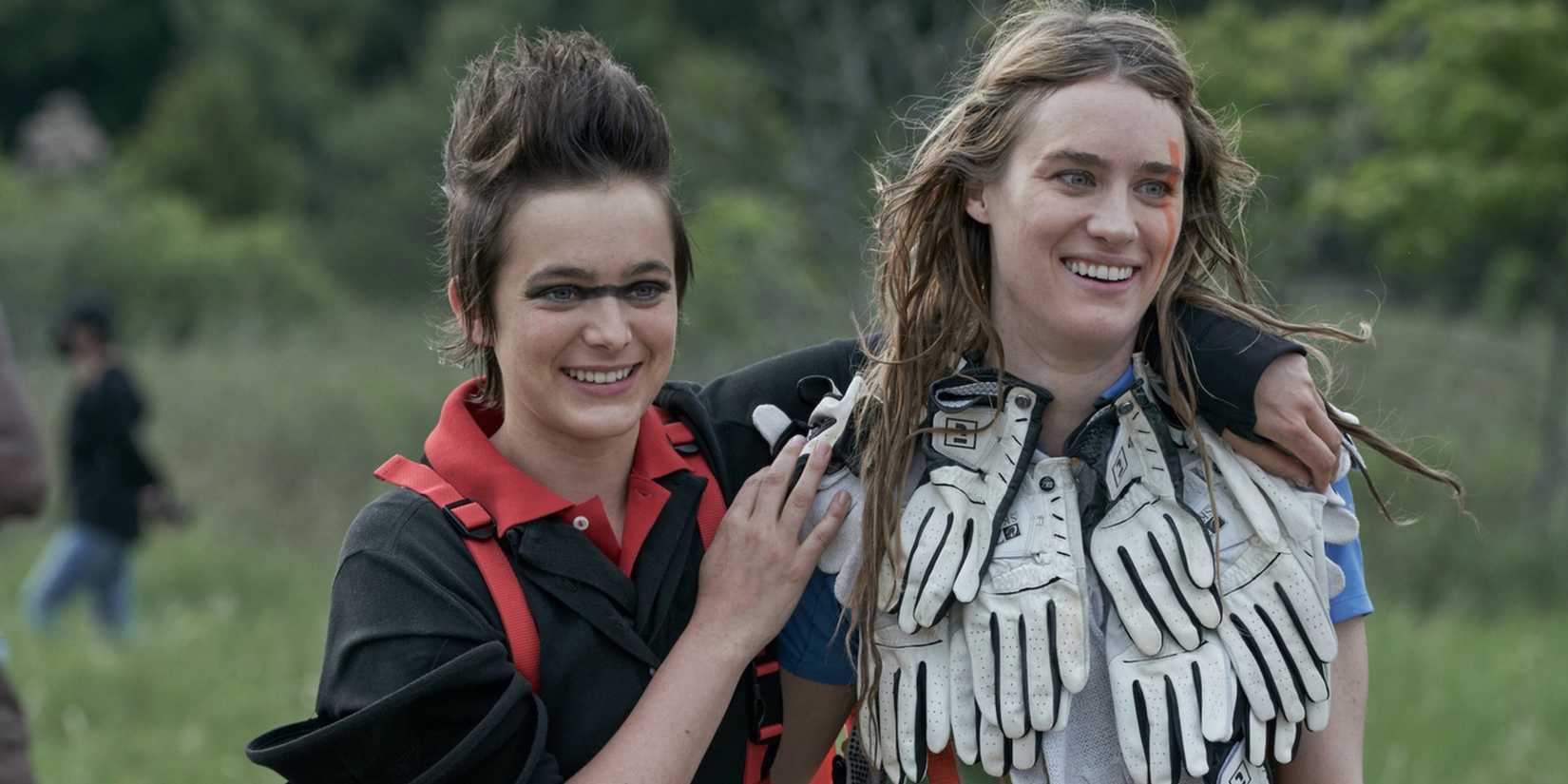
Modern post-apocalyptic TV shows often default to brutality. The Walking Dead thrives on escalating threats and violent standoffs, while The Last of Us leans into harrowing survival horror. Both are effective, but their worlds feel relentlessly punishing, where optimism is fleeting and trust is dangerous.
Station Eleven deliberately moves in the opposite direction. Conflict exists, yet it rarely defines the narrative. Instead of asking who will die next, the show focuses on how people rebuild culture. Traveling actors staging Shakespeare plays becomes just as important as finding food or shelter, reframing what survival really means.
Compared to the explosive action of Fallout or the gritty militarism of Snowpiercer, Station Eleven feels almost meditative. Episodes linger on conversations, shared meals, and quiet walks through nature. The apocalypse isn’t constant noise. It’s a memory everyone carries differently.
That approach gives the miniseries a rare emotional texture. Secondary Station Eleven characters feel fully realized rather than disposable. Arthur Leander (Gael García Bernal), seen mostly in flashbacks, still shapes the entire story through the relationships he leaves behind. Few shows of any genre weave past and present with such elegance.
By sidestepping spectacle, Station Eleven becomes timeless. It isn’t tied to one twist or monster. It’s about people processing loss and choosing art anyway. That human focus is what sets it apart from most of its peers and keeps new viewers discovering it years later.
Is Station Eleven Better Than Silo?
Two Brilliant Shows With Opposite Tones That Excel At Very Different Things
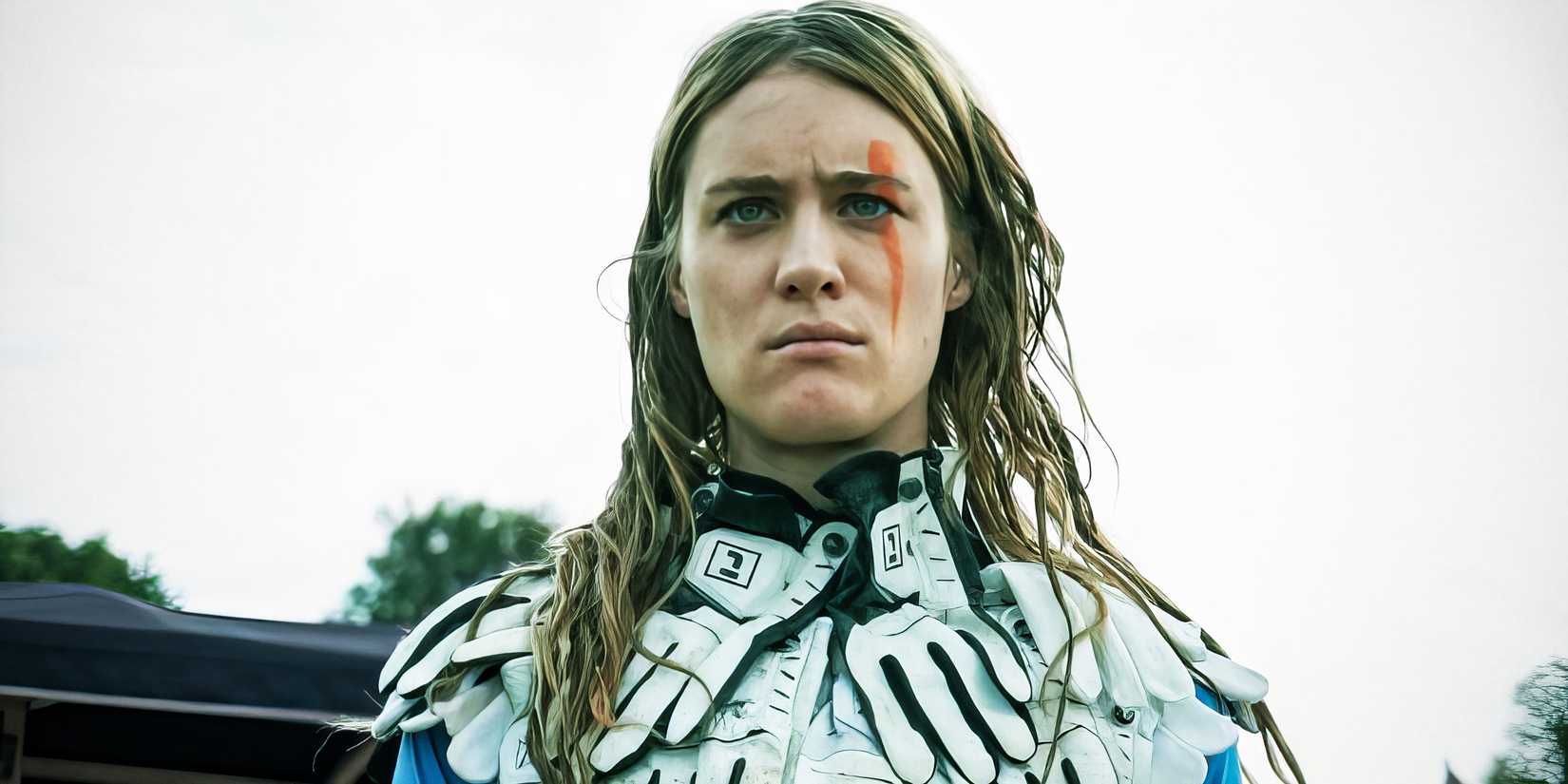
Comparing Station Eleven and Silo is less about quality and more about philosophy. Both are meticulously crafted and character-driven, but they approach the end of the world from radically different angles. One looks outward toward community and healing, while the other burrows inward into secrecy and control.
Station Eleven excels at emotional breadth. Its ensemble structure and timeline jumps create a sweeping portrait of humanity rebuilding itself. The optimism feels earned, not naïve. Characters process trauma, form families, and rediscover purpose, making the future feel fragile but possible.
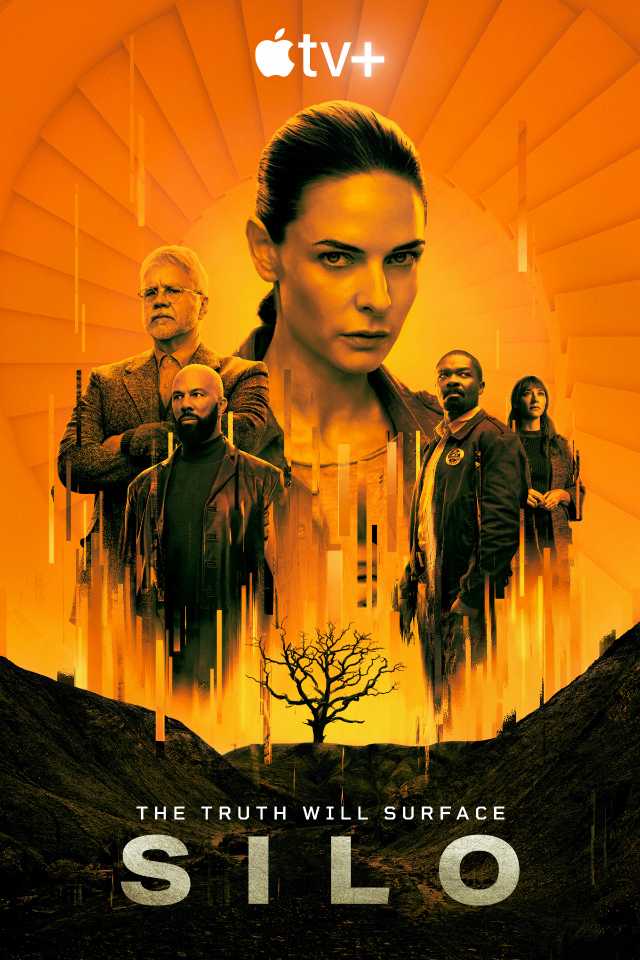
Silo, by contrast, thrives on tension and mystery. Following Juliette Nichols (Rebecca Ferguson) through the show's claustrophobic subterranen world, Silo delivers tight plotting and constant revelations. The setting is uniquely oppressive, turning every hallway into a potential conspiracy and every answer into another question.
Where Station Eleven floats between poetry and memory, Silo grips viewers with suspense. The former offers catharsis; the latter delivers adrenaline. One invites reflection, the other demands investigation. Both approaches are compelling, just aimed at different emotional targets.
Ultimately, Station Eleven may feel more complete as a standalone story, while Silo shines as an ongoing thriller. For fans waiting on Silo season 3, though, the HBO miniseries isn’t just a substitute. It’s a reminder that the genre can be beautiful, thoughtful, and quietly transcendent.
-

Station Eleven
Release Date 2021 - 2022-00-00
Network HBO Max
-

Mackenzie Davis
Kirsten Raymonde
-

Himesh Patel
Jeevan Chaudhary
-
-










 English (US) ·