

Published May 17, 2026, 2:30 PM EDT
After joining Screen Rant in January 2025, Guy became a Senior Features Writer in March of the same year, and now specializes in features about classic TV shows. With several years' experience writing for and editing TV, film and music publications, his areas of expertise include a wide range of genres, from comedies, animated series, and crime dramas, to Westerns and political thrillers.
HBO has long been synonymous with prestigious TV masterpieces, and one historical drama has more to do with the broadcaster’s stellar reputation than almost any other series. This 2001 TV show is so good that we’re still inclined to overlook its biggest flaw, 25 years after it was first released.
As much as it immerses us in the real experiences of a military company in the Second World War with emotional depth and painstaking realism, Band of Brothers isn’t a perfect show. In fact, something about the underlying concept of this war drama is seriously flawed.
Because it’s such an extraordinary piece of television, we tend to ignore what the miniseries omits from its depiction of the European theater of World War II, and why. There’s no question that Band of Brothers is among the best historical action shows ever made, but it’s also an incredibly one-sided and limited perspective on the biggest war in history.
Even in the context of the war’s European theater – and, more specifically, of the D-Day landings – the series overemphasizes the role of American paratroopers, and fails to represent the overwhelming majority of the demographics involved in precipitating the German surrender. There are several harsh realities to rewatching Band of Brothers, but this lack of representation is surely the most glaring.
Band Of Brothers Is A Historical Masterpiece About One Small Part Of WW2
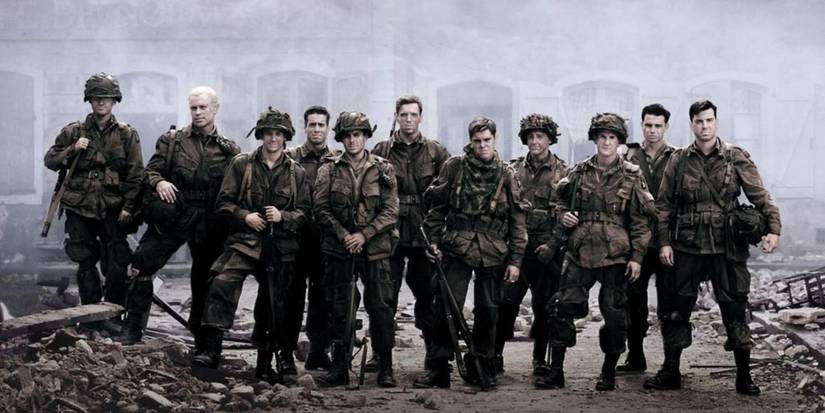
Even if it occasionally uses dramatic license to embellish its rendering of events, there’s no denying that Band of Brothers tells the story of Easy Company with a degree of realism and historical accuracy that had never been seen in any TV war drama before it. Indeed, nothing quite like it has reached the small screen since, either.
But the show’s decision to focus on this company of the United States armed forces is telling. The Easy Company is a military unit in the 2nd Battalion of the 506th Parachute Infantry Regiment, within the 101st Airborne Division of the U.S. Army. It constituted around 140 all-white soldiers, out of the 150,000 involved in the Normandy landings.
United States Army units were segregated by race, and there were 2,000 African-American soldiers who took part in D-Day, none of whom are represented in Band of Brothers. What’s more, there were hundreds of thousands of women involved in this seismic military operation in various capacities, but only a handful of them are portrayed, in roles as nurses and cleaners.
Equally conspicuous by their exclusion are the Soviet Union’s Red Army soldiers, who were primarily responsible for the defeat of Nazi Germany. At the time of the D-Day landings, there were approximately 2.5 million Soviet troops engaged in counteroffensives against German forces.
At the end of the war, Soviet and U.S. soldiers met in Germany, as their respective frontlines effectively merged. One soldier in the same regiment as Easy Company, Joseph Beyrle, even fought for the Red Army after escaping from a German prisoner of war camp. Yet, incredibly, no Soviet soldier is ever depicted in any part of Band of Brothers.
The Red Army is only mentioned briefly, which was likely a deliberate choice by the show’s writers and producers, motivated by political considerations. By exclusively lionizing U.S. participation in the war’s European theater, Band of Brothers necessarily denigrates the decisive role the Soviets played in an Allied victory, presenting a version of history that suits American national interests.
HBO’s Drama Series Doesn’t Even Represent Most Of The D-Day Forces
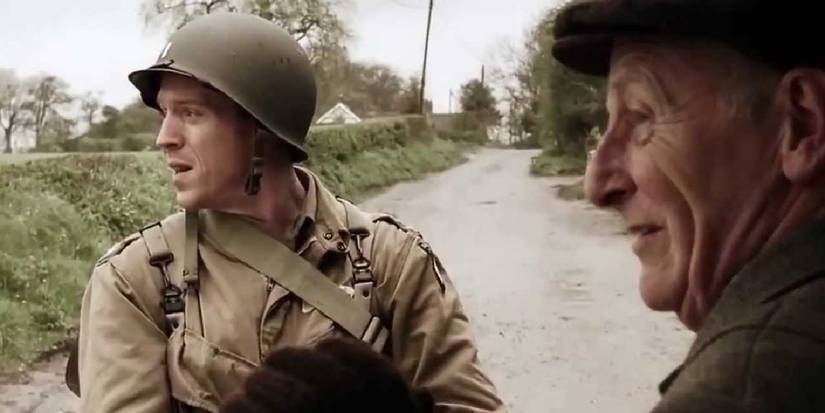
The series places such an emphasis on the American perspective of the European war’s second front that even the majority of D-Day’s soldiers go almost completely unrepresented. In addition to approximately 73,000 Americans, there were 83,000 British and Canadian troops involved in the offensive, which barely get a look-in throughout Band of Brothers.
Since the show makes the artistic decision to focus on the World War II campaign of a single military unit detailed in Stephen E. Ambrose’s landmark non-fiction book, it inevitably marginalizes any figure outside that unit. Band of Brothers deserves all the praise it gets for historical accuracy, and its choice of narrative perspective makes for an immensely insightful watch.
Nevertheless, it’s impossible to get away from the fact that the chosen focus of the most commercially and critically significant war drama ever made is an all-white, all-male American military unit which had no real impact on the outcome of the Second World War. Any retrospective assessment of Band of Brothers must take this fact into account.
Band Of Brothers Probably Wouldn’t Be Made This Way Today
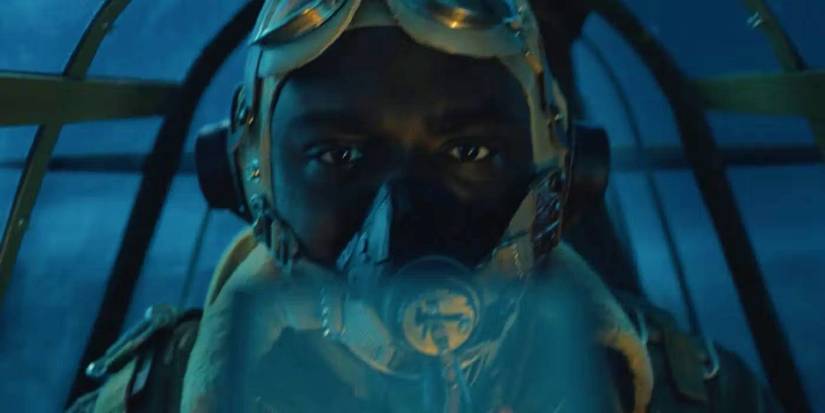
The lack of representation in Band of Brothers probably wouldn’t have been permitted were the show being produced today. Indeed, its 2022 sequel Masters of the Air features black Tuskegee Airmen prominently in its story, which at least partly reflects how far diversity in TV representation has come over the past 25 years.
If we accept that the franchise’s original series needs to be viewed in the context of its own era, it remains a peerless masterpiece of historical drama, regardless of its biggest shortcoming. Yet, because of this shortcoming, it’s at most a partial piece of history.
Band of Brothers is no less truthful as a story of World War II because of the people it focuses on. But it’s very far from the whole story.
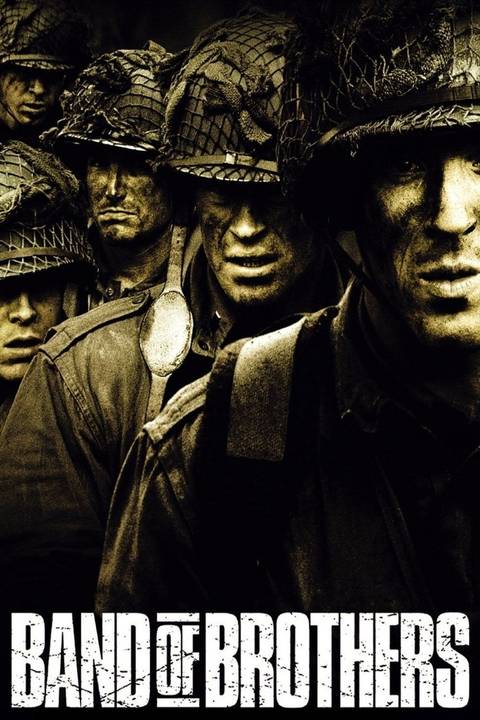
Release Date 2001 - 2001
Network HBO
Writers Bruce C. McKenna, Graham Yost, John Orloff
-

Damian Lewis
Richard D. Winters
-

Donnie Wahlberg
C. Carwood Lipton






 English (US) ·