
Focal Mu-so Hekla review
The Focal Mu-so Hekla is a wireless speaker in soundbar's clothing, featuring superbly detailed, sizable sound, a stunning build and a jumbo price. Weirdly, Focal insists it's not a soundbar, despite it sounding like a soundbar, connecting via eARC like a soundbar and looking an awful lot like a soundbar.
Named Hekla after one of Iceland’s most active stratovolcanoes — known semi-affectionately) as the ‘Gateway to Hell’ to locals — it's also been released under the Focal sister brand, rather than Naim's like the rest of the Mu-so line. So it does feel like the Hekla might be a bit confused about its identity... and honestly who could blame it?
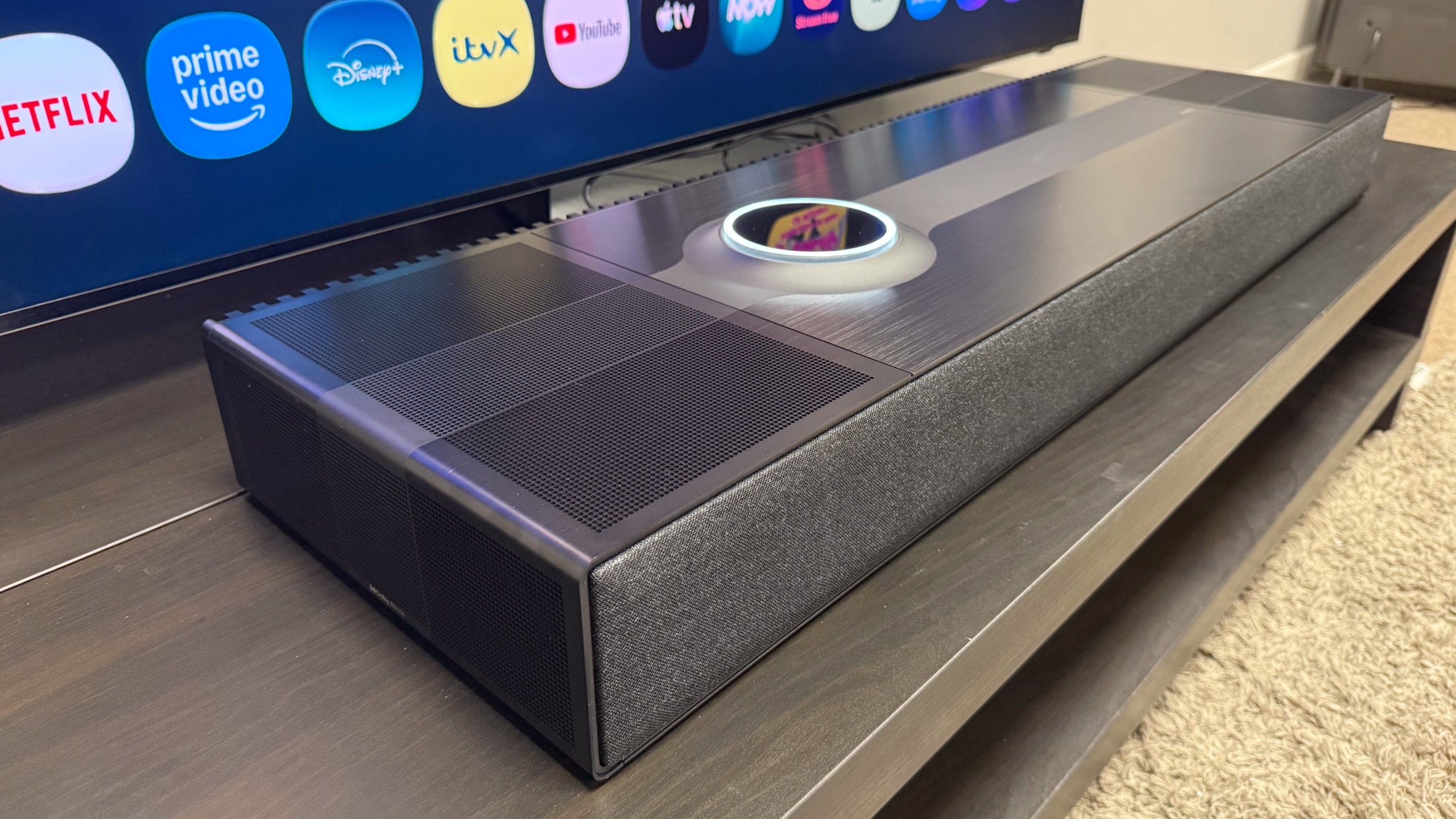
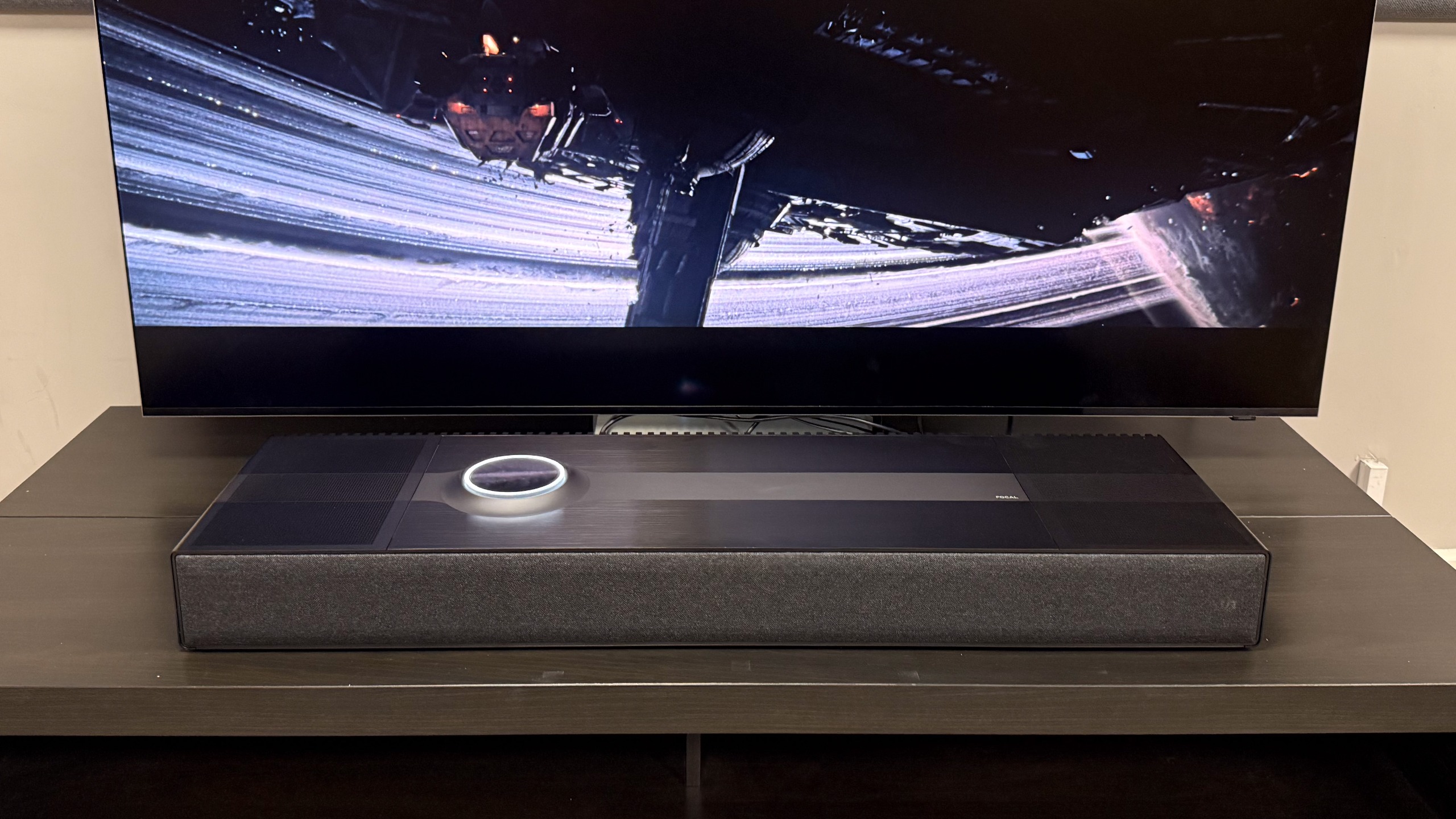
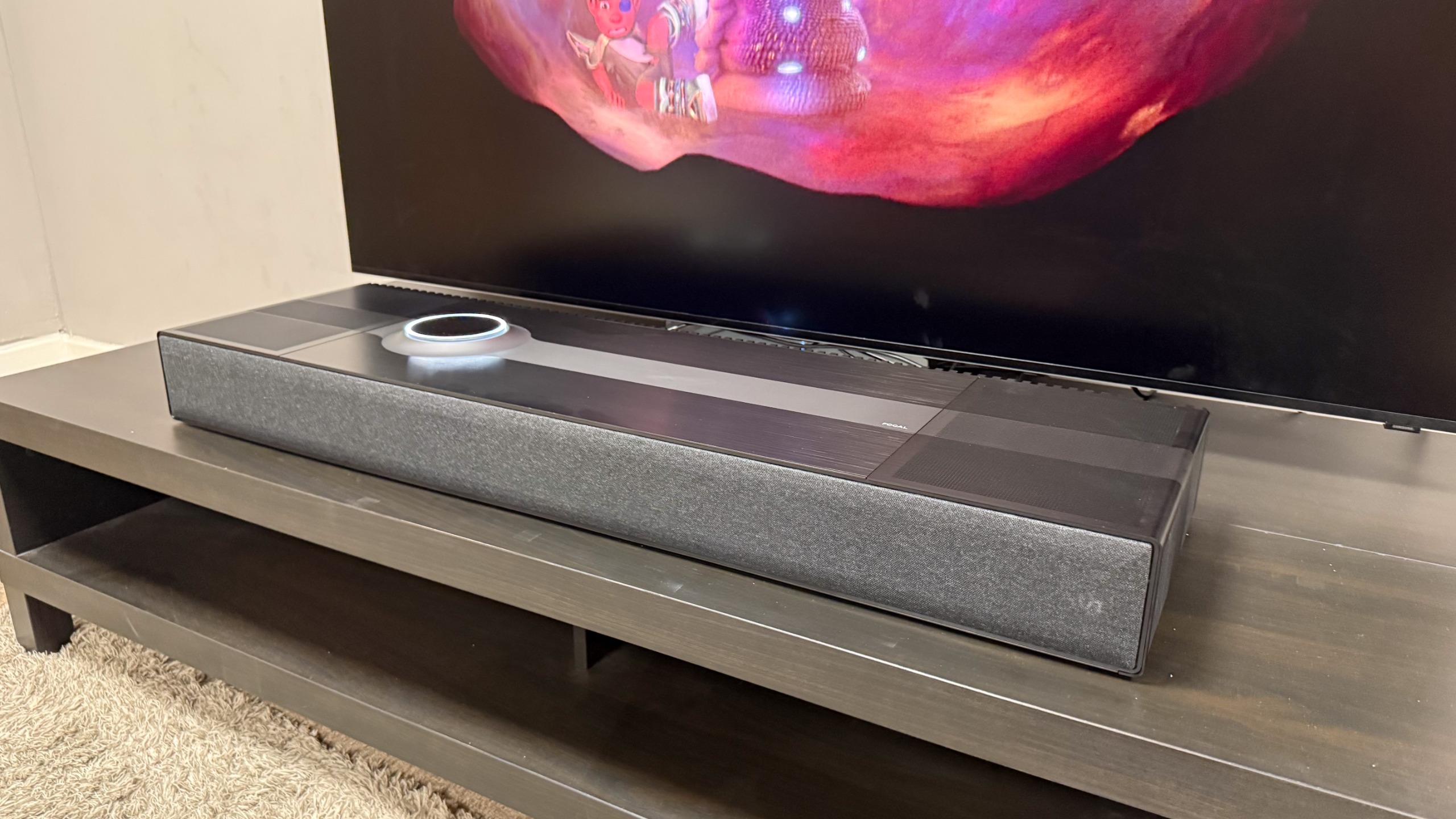
At 4.65 x 39.37 x 11.61 inches / 118 x 1000 x 295mm, the Hekla is certainly proportioned like a soundbar. The fact that it’s compatible with Dolby Atmos, features side- and up-firing drivers to facilitate a spatial audio effect, and has an HDMI eARC socket for connection to a TV is quite soundbar-y too.
Latest Videos FromTechRadar
And the knowledge that this product has been branded ‘Focal’ (or, more specifically, ‘Focal powered by Naim’) because the French company is perceived to have greater credibility in the audio-visual and home cinema markets doesn’t really do anything to support Focal’s declaration that it’s primarily an all-in-one system either. Even at on Focal's website, it’s referred to as an ‘immersive Home Cinema system’ quite early on.
Get beyond these mild oddities, though, and the Focal Mu-so Hekla remains an intriguing device. Its black aluminum casing features anodized and shot-blasted aluminum heatsinks for a bit of visual drama on top of their practical applications, and the overall standard of build and finish is basically impeccable.
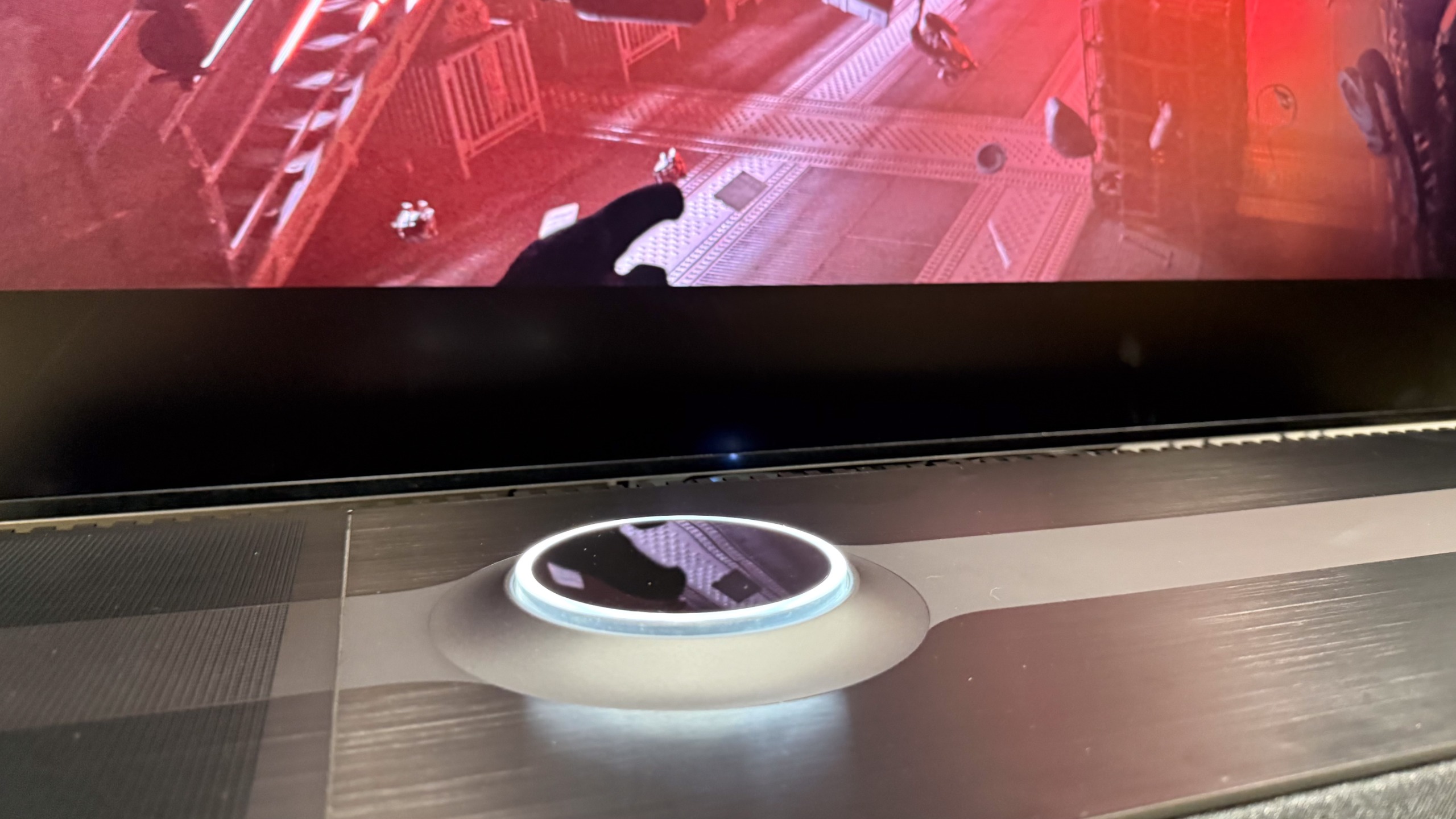
If you’re familiar with the Naim Mu-so (2nd Gen) wireless speaker, there will be nothing in the way the Mu-so Hekla looks that will come as any great surprise. It even features the same oversized control dial that’s been a feature of Naim equipment for a decade or more.
There are 15 individual speaker drivers across the cabinet, powered by an all-in total of 660 watts of Naim-designed Class D power. Across the front, there are three 130 x 60mm bass drivers, a pair of 60mm midrange drivers and a couple of 25mm tweeters — the bass drivers get 60 watts of power each, all the rest receive 40 watts each.
Each side of the cabinet features two 70 x 40mm full-range drivers, and there are two more of these drivers positioned on the top, behind those areas of perforated metal. It’s an arrangement that’s designed to deliver 7.1.2-channel spatial audio and a frequency response of 30Hz - 20kHz.
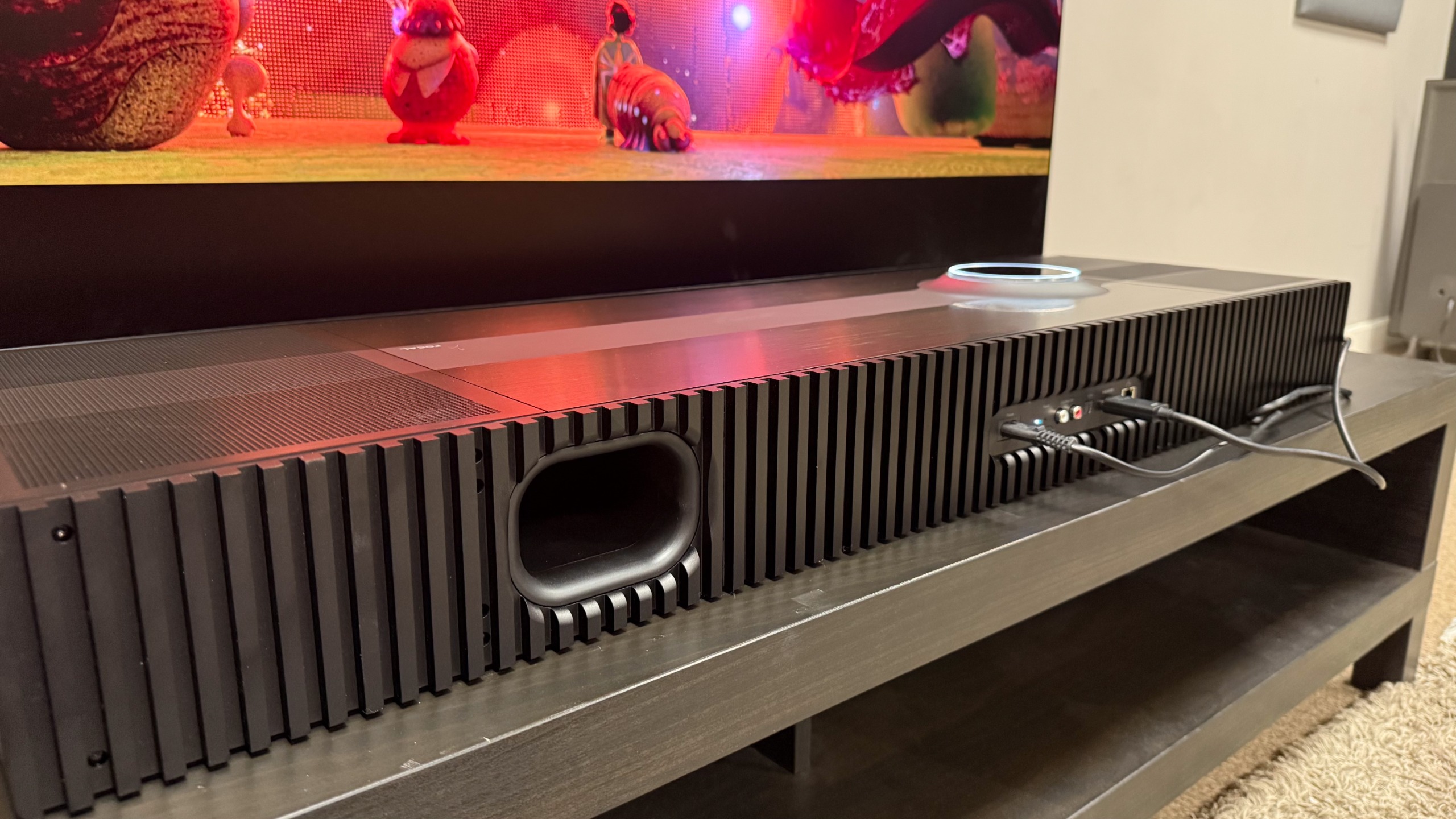
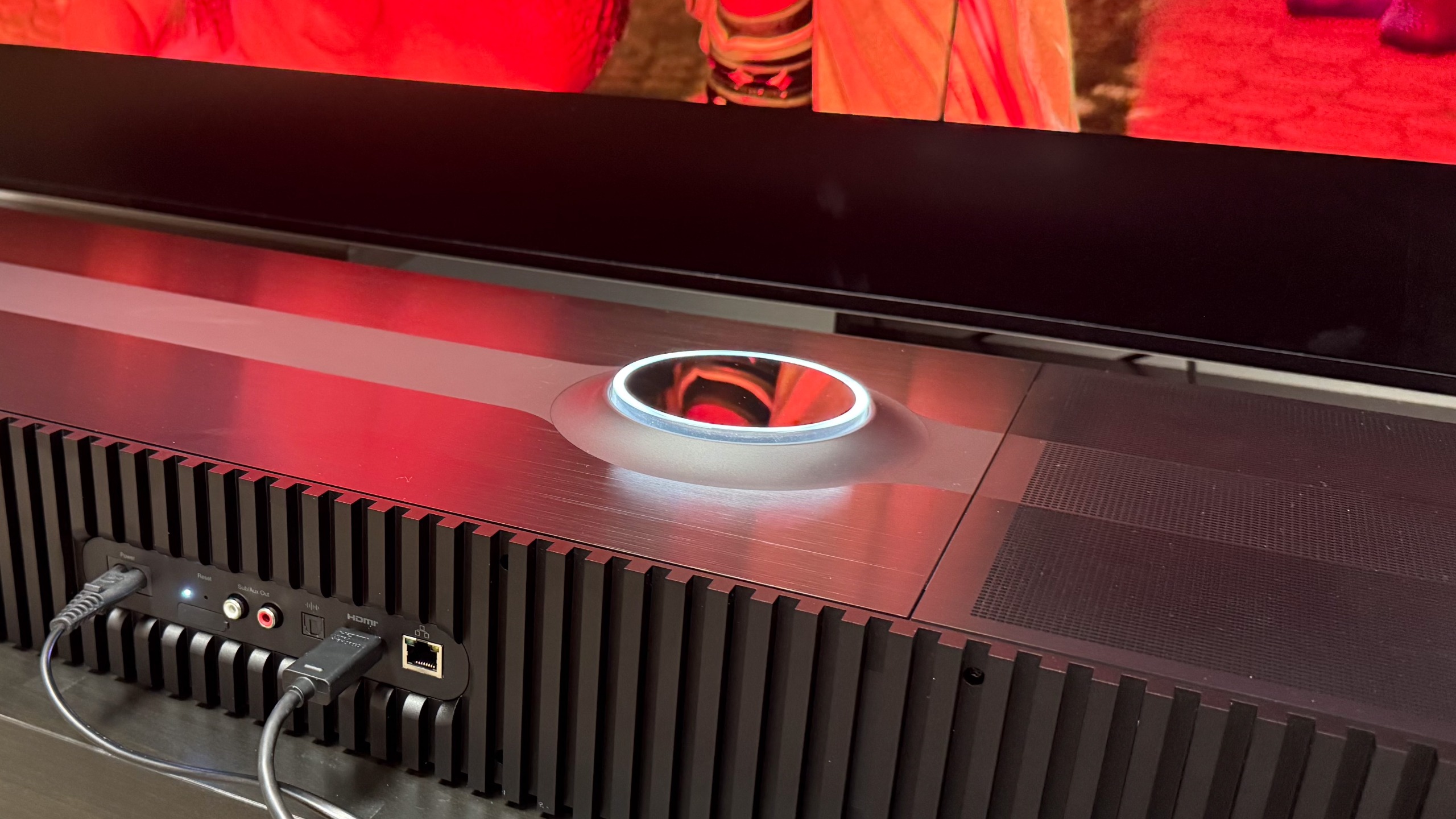
Getting the audio information on board in the first place can be done in a few different ways. There’s a digital optical input (which can comfortably handle up to 24bit/96kHz) alongside the HDMI eARC socket on the rear of the cabinet, where you’ll also find a pre-out for use with a subwoofer.
There’s dual-band Wi-Fi 6 on board, with the antennae integrated into the heatsinks. This means the Mu-so Hekla is compatible with (among other things) the ‘Connect’ versions of Qobuz, Spotify and TIDAL music streaming services, Apple AirPlay 2 and Google Chromecast. It’s also UPnP-compatible, can access internet radio provided by Naim servers, and it features Bluetooth 5.1 with SBC and AAC codec compatibility.
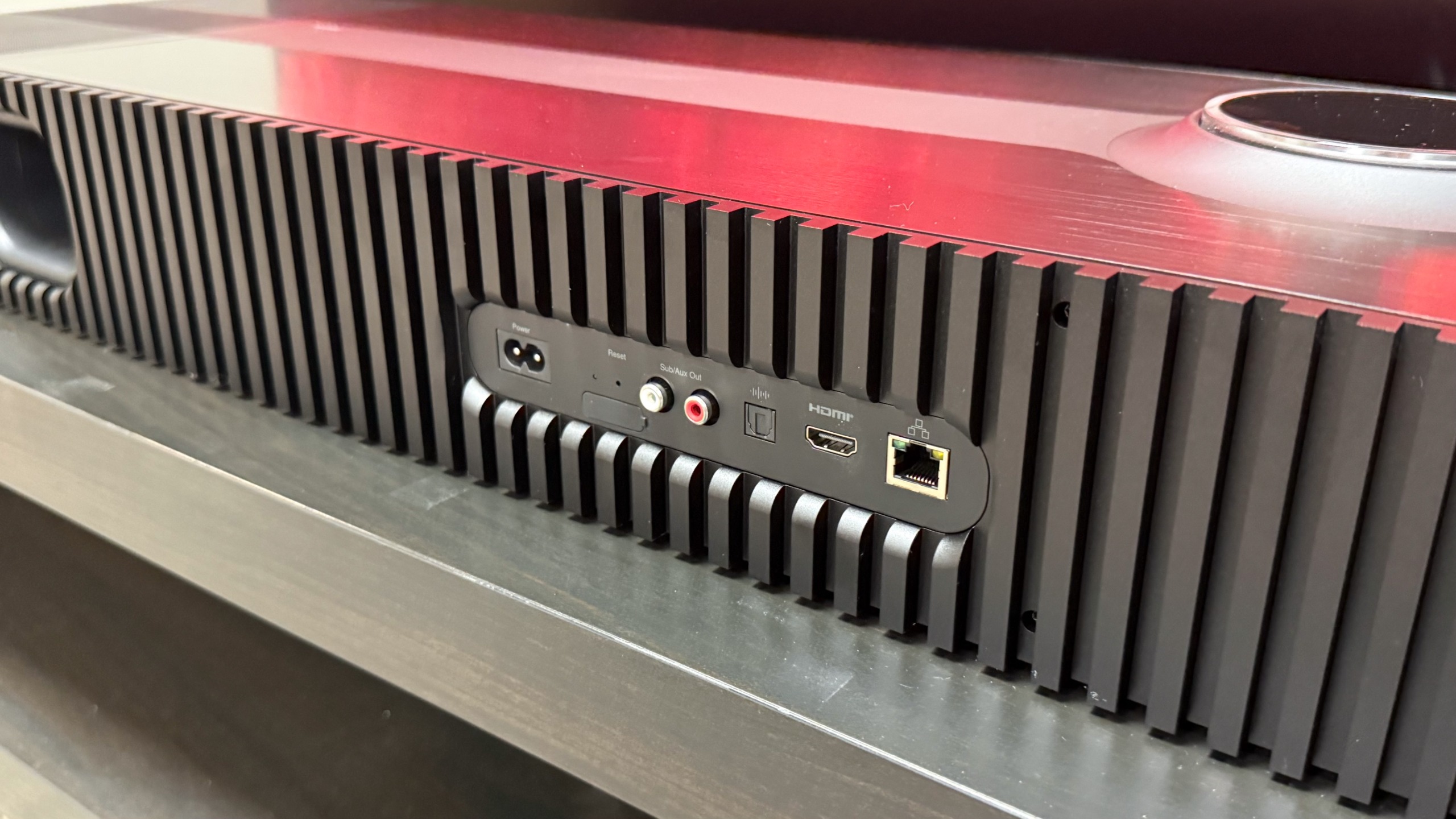
The Mu-so Hekla is able to deal with pretty much any worthwhile file type, and quite a few of the less worthwhile alternatives too. It can handle resolutions of up to 32bit/384kHz and DSD128 for two-channel stuff and up to 24bit/192kHz for multichannel and spatial audio content.
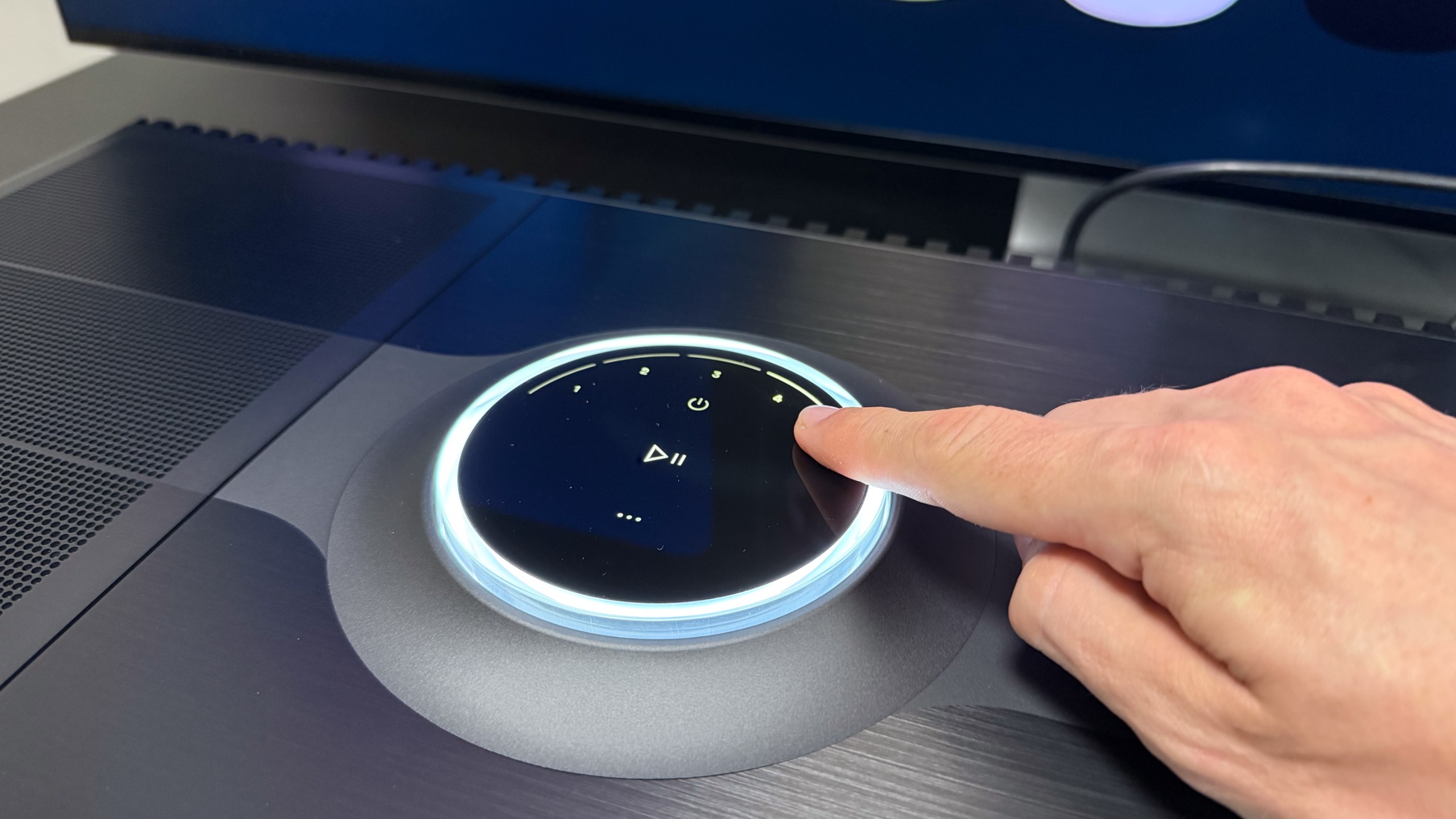
That large, illuminated and entirely gratifying control dial is useful for getting at the Focal’s headline functions. But for granular control of the Mu-so Hekla, the Focal & Naim control app (free for Android and iOS) is where the action is.
First and foremost, here’s where you get access to the nuts and bolts of the Focal’s spatial audio reproduction. You have a choice of five settings: Dolby Movie, Dolby Music and Dolby Night, along with a couple of Focal’s own designs called Sphere Movie and Sphere Music.
The idea is that the Sphere settings are best suited to small-to-medium rooms that have had a degree of acoustic treatment while the Dolby alternatives are better suited to larger rooms with less treatment.
Regardless of which one you decide best suits your purposes, though, you can properly stick your oar into the sound you receive. There’s a three-band EQ, ‘+/-10’ sliders to adjust settings labelled ‘height’, ‘surround’, low frequency effects’ and ‘voice enhance’, and the ability to trim the level of each of the 10 individual channels that comprise the Mu-so Hekla’s 7.1.2 layout.
The one thing you can’t do where spatial audio is concerned is turn it all the way off. It doesn’t matter what you feed into the Focal — two channel stuff, old-school 5.1 surround sound content, full-on Dolby Atmos soundtracks, you name it — the Mu-so Hekla will use all of its drivers, even if you feed in stereo content and select ‘stereo’ mode.
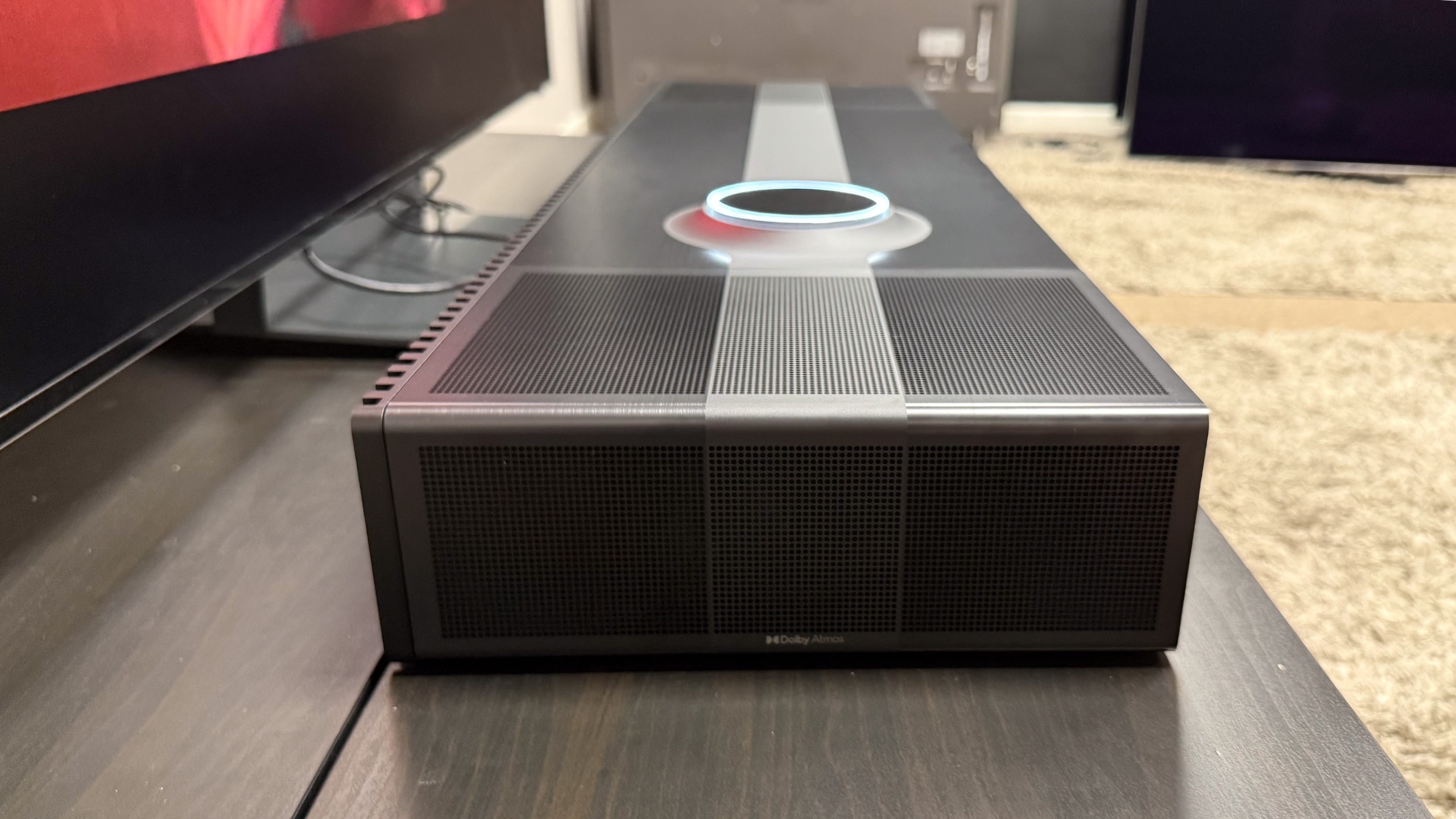
Between its room-correction routine and its spatial audio algorithms, the Mu-so Hekla is convinced it can deliver a sound that’s optimised to your space, every time, using every one of its 15 drivers.
Otherwise, the Focal & Naim control app is stable, extensive business as usual. Here’s where you get to control playback, access the various inputs, nominate as many as five shortcuts to favorite radio stations, playlists or what-have-you, and run the ‘ADAPT’ room correction algorithm.
On top of that, you can adjust the brightness of the lighting around the control dial, check for available updates, incorporate the speaker into a multi-room setup (using as many as 32 individual Focal or Naim streamers), and there’s a fair bit more too. The Focal & Naim app has been the subject of more-or-less continuous updates for years now, and it shows.
Given the best stuff to work with (and in this instance ‘best’ = ‘native Dolby Atmos’), the Mu-so Hekla is, in broad terms, one of the most successful one-box spatial audio solutions around.
There’s really not a huge amount of difference between the five spatial audio modes (at least, not much is apparent in my listening environment), but the Focal is a lively, robust, eloquent and, perhaps most importantly of all, spacious listen in every circumstance.
Certainly the soundstage it can summon is noticeably larger than the cabinet it comes from. There’s a gratifying amount of width and height to the presentation, and the Mu-so Hekla moves effects around from left to right, from top to bottom and from front to back confidently.
The spaces and silences between occurrences are given due prominence, too — but despite this, there’s no suggestion of remoteness or a lack of cohesiveness about the sound. Dolby Atmos movie soundtracks and music mixes sound unified and singular, and on occasion deserve the description ‘immersive’.
It’s even-handed where tonality is concerned, with a fairly neutral and natural approach to the timbre of the entire frequency range. And where frequency response is concerned, there’s just a suggestion of bloom at the very bottom end to disrupt what is otherwise a smooth and even line from the top end down.
Those lowest frequencies may be fractionally overstated, but they’re nevertheless nicely shaped, properly controlled and loaded with detail both broad and fine — the combination of punch and variation makes the Focal’s bass response very enjoyable, and it has no trouble expressing musical rhythms with real positivity thanks to the attention it pays to the decay and, especially, attack of individual notes or hits.
At the opposite end of the frequency range, the Mu-so Hekla is similarly revealing of detail in treble sounds, and summons enough substance to prevent the top end becoming hard or edgy even at volume. Don’t imagine for a moment the Focal isn’t capable of prodigious volume though.
The balance in the midrange is just as nicely judged. It’s articulate with voices, whether speaking or singing, and loads on the details to the point that everything from tone and timbre to breath control and vocal attitude are made perfectly apparent.
And while the unity of the presentation is never in doubt, the midrange in general and voices in particular project well — dialogue is always distinct, even when it’s surrounded by sonic chaos.
As well as being fully equipped where outright volume is concerned, the Mu-so Hekla has a generous amount of dynamic headroom — the distance it can put between quiet and loud (which is especially apparent during a big Hollywood set-piece) is huge.
So when the going gets intense during a symphony, or the whispered exposition transitions to an almighty explosion, the Focal can make the transitions absolutely apparent.
Focal Mu-so Hekla review: Price & release date
- Launched at the end of 2025 in parts of Asia
- Released to the rest of the world from late March 2026
The Focal Mu-so Hekla launched in South Korea and China at the end of November 2025, and became available in the wider world from late March 2026.
In the United Kingdom, it’s priced at £2,999, while American customers will need to spend $3,599, and in Australia it goes for AU$6,499.
Focal Mu-so Hekla review: Specs
Swipe to scroll horizontally
Dimensions |
4.65 x 39.37 x 11.61 inches / 118 x 1000 x 295mm |
Speaker channels |
Up to 7.1.4 |
Connections |
HDMI eARC; digital optical; WiFi 6; Bluetooth 5.1 |
Dolby Atmos / DTS:X |
Yes / No |
Sub included |
No |
Rear speakers included |
No |
Should I buy the Focal Mu-so Hekla?
Swipe to scroll horizontally
Features |
Greater Bluetooth codec compatibility would be nice, as would the ability to listen in unprocessed stereo. Otherwise has everything you might reasonably expect. |
4 / 5 |
Performance |
Big, detailed and properly organized sound with just a hint of low-end overconfidence. |
4.5 / 5 |
Design |
Hard to make a big speaker look anything but ‘functional’ but the Focal enjoys coherent industrial design. |
4.5 / 5 |
Setup and usability |
Swift, simple, logical, and with an excellent control app. |
5 / 5 |
Value |
If you want as little compromise as possible when it comes to the sound of your one-box spatial audio system, it’s going to cost you. |
4.5 / 5 |
Buy it if...
You want a big taste of spatial audio without the need for multiple speakers
The Mu-so Hekla can’t compete with a similarly priced multi-speaker system, but it gets a fair bit closer than most.
You have a top-tier music streaming service subscription
The Focal is just as adept with Dolby Atmos music as it is Dolby Atmos movies.
You like nice things and you want everyone else to know you like them too
The Mu-so Hekla is a great big block of good taste where industrial design is concerned, and is the audio equivalent of a highbrow hardback book on a coffee table.
Don't buy it if...
You’re expecting the best spatial audio performance £3K can buy
The Focal represents simply the finest one-box spatial audio performance your £3K can buy.
You like to listen to stereo music in stereo
The Mu-so Hekla will attempt to work its magic on two-channel stuff, even if you’ve selected ‘stereo’ mode.
You think you might fancy a soundbar
It’s NOT a soundbar How many times do I have to say it?
Focal Mu-so Hekla review: Also consider
Swipe to scroll horizontally
Dimensions |
118 x 1000 x 295mm / 4.6 x 39.3 x 11.6 inches |
160 x 932 x 121mm / 6.3 x 36.7 x 4.8 inches |
145 x 630 x 324mm / 5.7 x 24.8 x 12.8 inches |
Speaker channels |
7.1.2 |
Not listed |
2.0 (Stereo) |
Connections |
1x HDMI eARC, 1x Optical TOSLINK, 1x RCA subwoofer output, 1x Ethernet (RJ45), Wi-Fi 6, Bluetooth 5.1 |
1x HDMI eARC (4K 120FPS / 8K 60FPS passthrough), Analogue audio via USB-C (3.5mm via adapter), 3x Ethernet (1Gbit switch), Dual-band Wi-Fi 5, Bluetooth 5.4 |
1x HDMI ARC, 1x Optical TOSLINK, 1x Moving Magnet (MM) Phono input, 1x 3.5mm Aux, 1x 1/4" Headphone jack, 1x Mono RCA Subwoofer output, 1x Ethernet, Wi-Fi, Bluetooth 5.0 |
Dolby Atmos/DTS:X |
Dolby Atmos |
Dolby Atmos |
No |
Sub included |
No |
No |
No |
Rear speakers included |
No |
No |
No |
Features |
15 speaker drivers, 660W total Class D amplification, Naim streaming engine, Apple AirPlay 2, Google Cast/Chromecast, Spotify Connect, TIDAL Connect, Qobuz Connect, UPnP streaming, Focal & Naim app multiroom support (up to 32 devices), illuminated top dial control |
10 custom drivers, 550W total amplification, 7.1.4 Dolby Atmos decoding with True Image up/downmixing, Wide Stage technology, 90 responsive internal LEDs, Apple AirPlay 2, Spotify Connect, TIDAL Connect, Beolink Surround support, Cradle to Cradle Certified Bronze |
8 speaker drivers (2x tweeters, 4x midranges, 2x down-firing woofers), 650W total power output, Illuminated digital output meters, Apple AirPlay 2, Google Chromecast, Spotify Connect, TIDAL Connect, Roon Ready, aptX HD & Low Latency Bluetooth |
Bang & Olufsen Beosound Premiere
A soundbar that’s prepared to admit it’s a soundbar, the Premiere is predictably ostentatious and predictably high-achieving. If the Mu-so Hekla seems a bit underdesigned and a bit too affordable, here’s the product you need.
McIntosh RS250
No spatial audio pretensions and no great shakes where ‘design’ is concerned either — but the RS250 is nonetheless an absolute powerhouse of a wireless all-in-one audio system. And it has VU meters too.
How I tested the Focal Mu-so Hekla
- Connected to a Philips OLED TV via HDMI eARC
- Streaming via Qobuz Connect, TIDAL Connect and internet radio
- Tested for well over a working week
I used a QED HDMI cable to connect the Mu-so Hekla to my Philips OLED806 TV via each machine’s HDMI eARC socket. The TV features Amazon Prime Video, Apple TV, National Theatre at Home and Netflix apps, so plenty of streamed content is available, including Dolby Atmos stuff — and it’s also connected to a Panasonic DP-UB820 4K Blu-ray player and a Sony Playstation 5.
I stream wirelessly using both Qobuz Connect and TIDAL Connect. Which, again, makes plenty of content available at a whole range of resolutions including music mixed in Dolby Atmos.
UPnP connectivity allows me to access a Buffalo Terrastation NAS device loaded with content of up to 24bit/192kHz and DSD64 resolution. And I listen to a mixture of these input options and file formats for more than a working week (if, like me, you count a ‘working week’ as Monday-Friday, 9am-5pm).
- Read TechRadar’s reviews guarantee
- First reviewed: October 2026








 English (US) ·