
Edgar Wright is one of the most clever and imaginative minds in show business today, and his 10 favorite films clearly inspired his own approach to cinema. With celebrated classics like Shaun of the Dead, Baby Driver, and Scott Pilgrim vs. the World on his resume, Edgar Wright is an icon of 21st century filmmaking. His unique approach to comedy puts him in a class all his own.
Wright was one of the filmmakers asked to participate in the BFI's 2022 Greatest Films of All Time list, and he contributed his 10 picks. Unlike a lot of participants that opted for the most obvious choices, Wright's list is a diverse mix of eras and genres. He even picked some movies that wouldn't normally be included on such a comprehensive countdown.
Some of his selections are almost nothing like traditional Edgar Wright movies, while others are flicks that helped shape his own creative voice. Interestingly, most of the 10 films aren't outright comedies, with some offering a lot more tears than laughs. He provided his picks unranked, so this is how Edgar Wright's favorite movies stack up against one another.
10 Madame De... (1953)
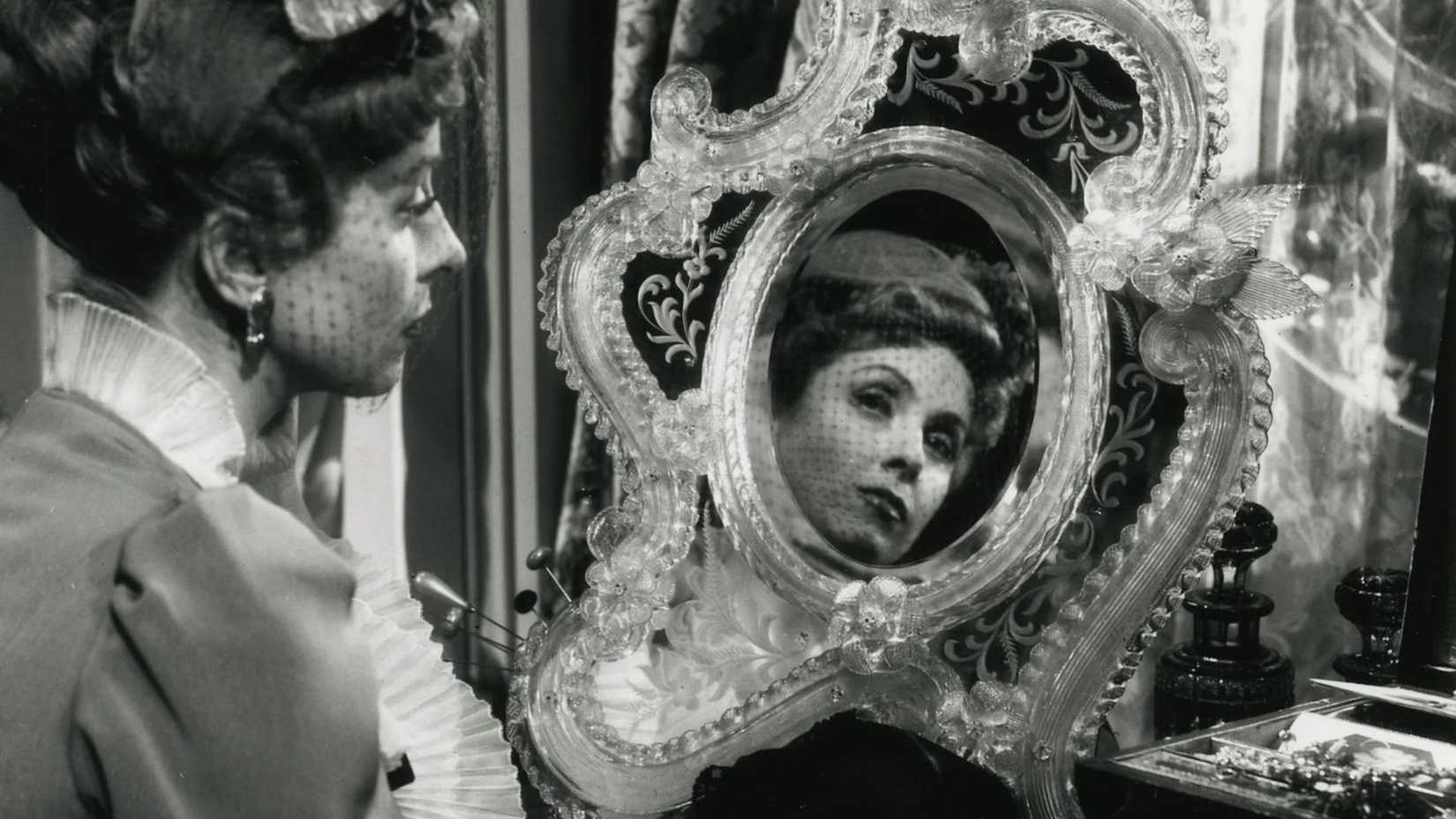
Max Ophül's Madame de... (also known as The Earrings of Madame de...) is one of the most riveting period dramas ever put on screen. A wealthy French woman is forced to sell her expensive earrings, and the jewelry passes through 19th century high society. The film's visual opulence is offset by its rich storytelling.
Edgar Wright put the film on his list and called it "breathtakingly elaborate." The film effortlessly blends romance, comedy, and tragedy, but never loses sight of Ophül's commanding vision. Though Madame de... is nothing like an Edgar Wright movie in theory, its deft balance and focus on cinematography clearly did inspire the British director.
9 Raising Arizona (1987)
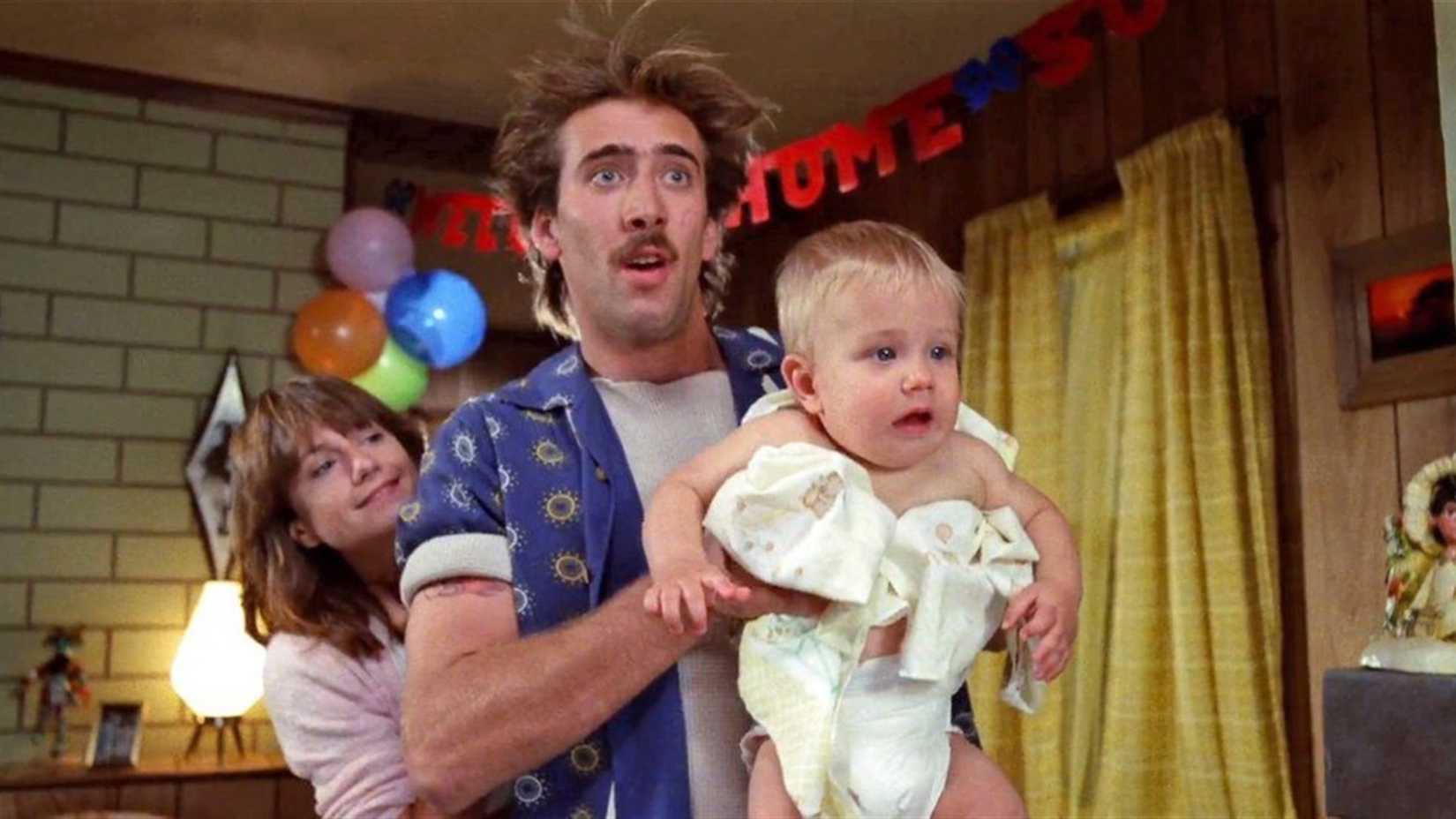
The films of the Coen brothers continue to inspire generations of filmmakers, but 1987's Raising Arizona is often overlooked. A bumbling crook steals a baby in order to please his wife, but this kicks off a farcical series of misadventures for the pair. Nicolas Cage steals the show, and Raising Arizona firmly establishes the Coen's unique approach to farce.
It's no surprise that Raising Arizona is a favorite of Wright's, and his works are made with the same precision and care. The characters are rich and interesting, but it never loses touch with its almost cartoonish tone. The Coen brothers have made so many classics that Raising Arizona slips through the cracks, but it is without a doubt one of the directing duo's funniest efforts to date.
8 Mad Max: Fury Road (2015)
Mad Max: Fury Road is the newest film on Edgar Wright's favorites list, but it deserves a spot among the older classics. The fourth film in the post-apocalyptic franchise sees Max team with Furiosa, a warrior leading a daring escape from a tyrant's rule. George Miller reinvents the series each time, and Fury Road is arguably the strongest reimagining of them all.
The bulk of the film is a prolonged chase across the desert, with explosive action created almost exclusively with practical effects. Wright himself has dabbled with action quite frequently, so Fury Road is in line with his own creative approach to action sequences. Ultimately, Fury Road proves that less is more, and that cinema is still a visual medium first and foremost.
7 An American Werewolf In London (1981)
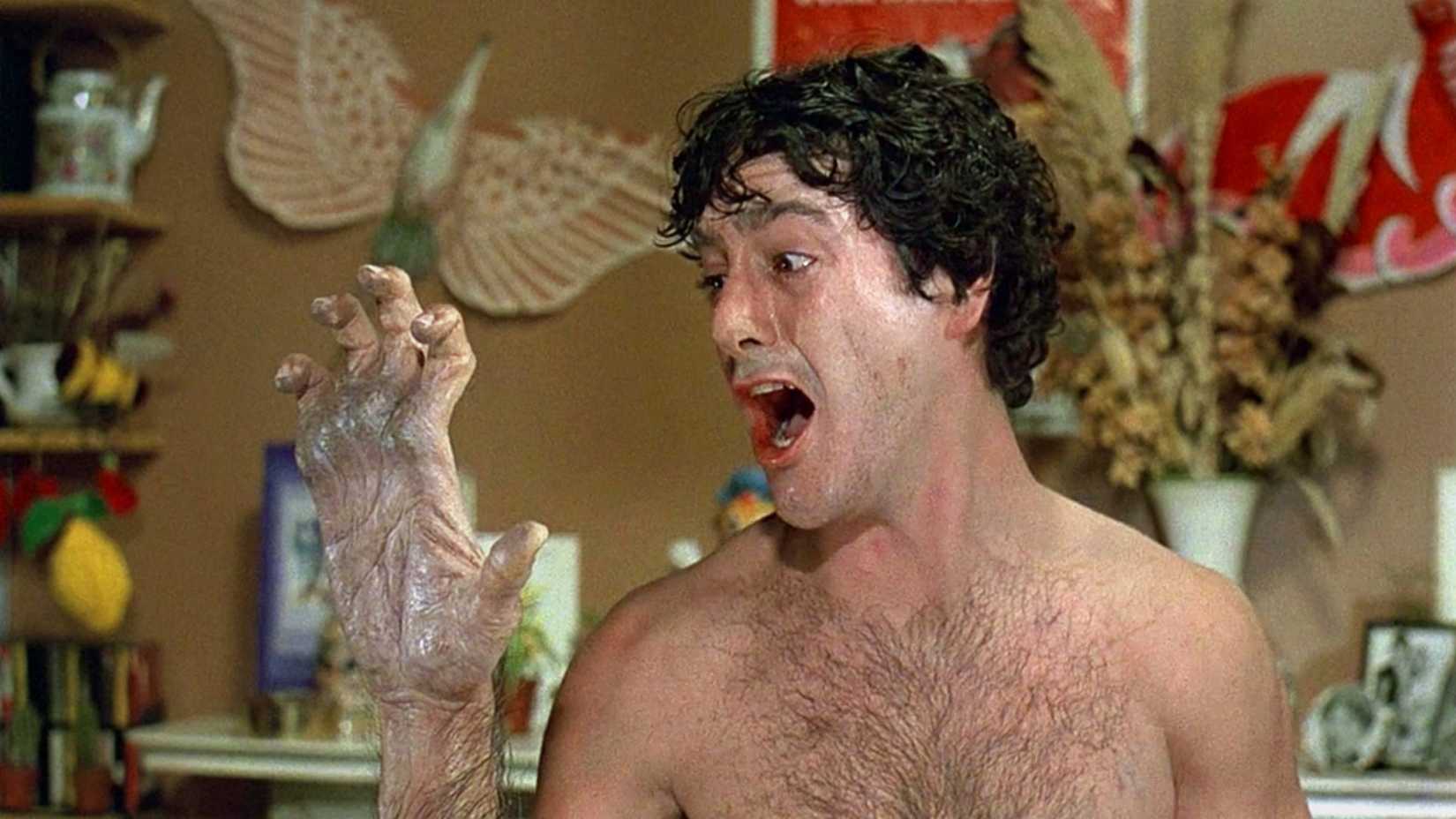
Wright himself admits that An American Werewolf in London is not the type of film seen on conventional best-of lists, but that isn't a slight on the comedy horror gem. After two American backpackers are attacked by a wolf on the moors of England, one of them begins to transform into a deadly lycanthrope. Besides revolutionizing effects, the John Landis flick invents a new way to approach horror.
Like many Edgar Wright films, An American Werewolf in London is more than one thing. It's terrifying and inventive, but it also has a down-to-earth sense of humor that makes the finale all the more tragic. It certainly deserves to be recognized as one of the greatest films of all time, largely because of how influential the early 1980s hit has been on other filmmakers who love it.
6 Don't Look Now (1973)
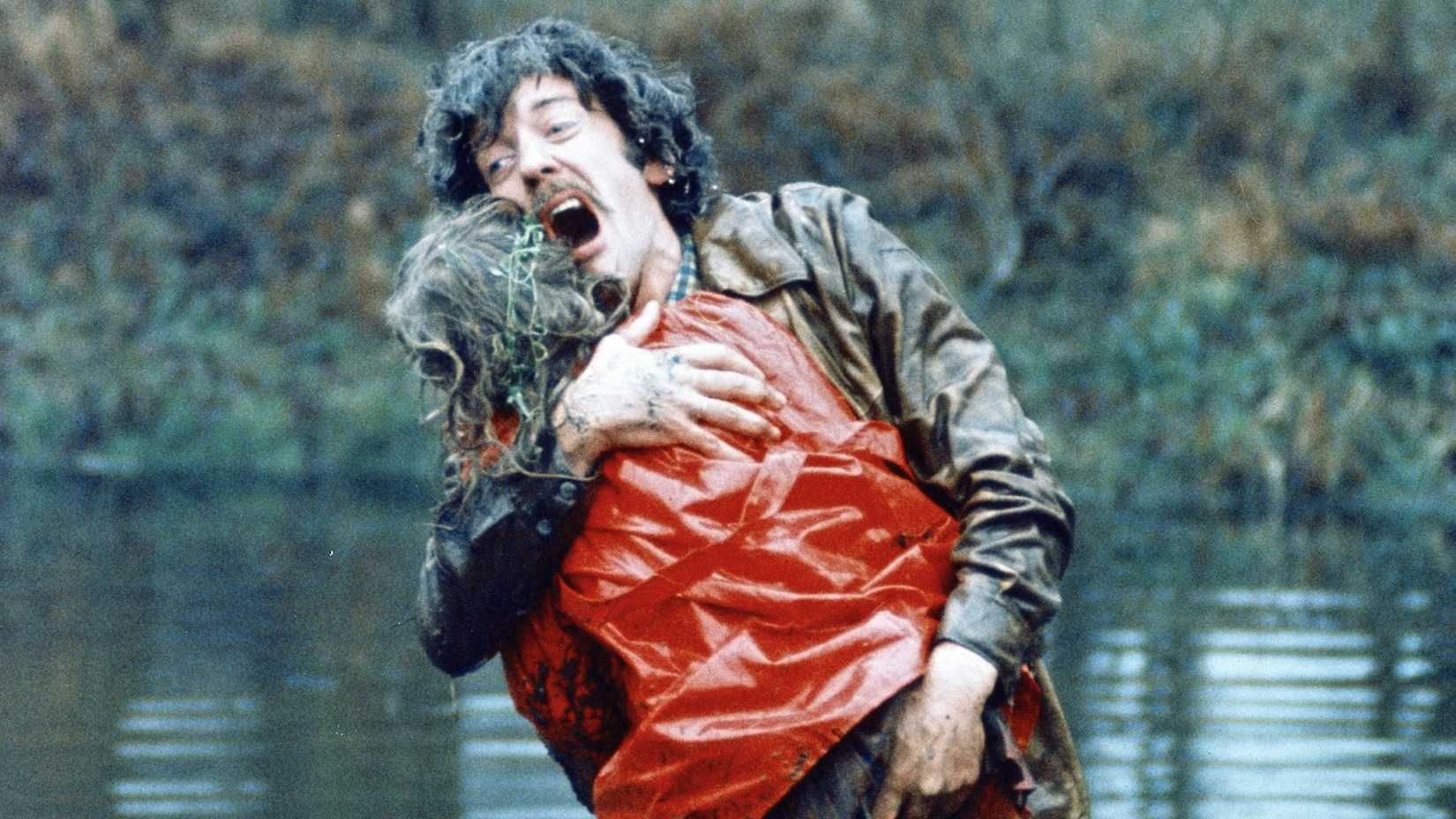
Nicolas Roeg's Don't Look Now exists at the intersection of horror and tragedy, and that's why it has enthralled generations of filmmakers. After their young daughter dies, a couple relocates to Italy but are soon disturbed by a series of murders that get closer and closer to home. The dour film is a haunting examination of grief.
With its slow-burning tension and shocking finale, the structure of Don't Look Now is the polar opposite of an Edgar Wright work. However, the unbridled emotion and complex narrative teach important lessons that any aspiring filmmaker can learn from. It's as much a platform for terrific performance as it is a vehicle the scare the wits out of unsuspecting viewers.
5 Taxi Driver (1976)
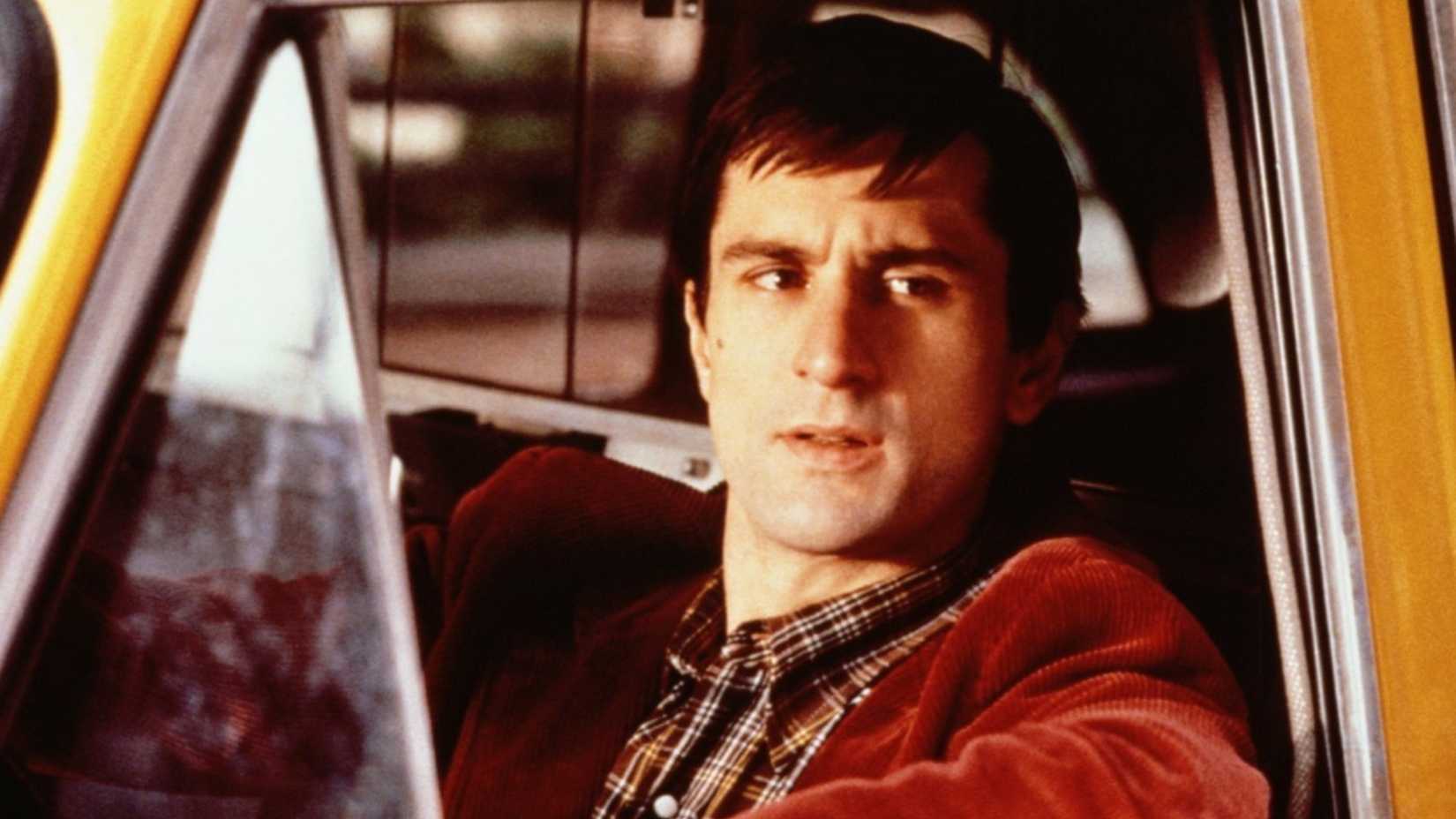
A turning point in the filmography of Martin Scorsese, Taxi Driver is a movie that perfectly captures a moment in cultural history. A lonely cab driver descends into madness as he becomes obsessed with a campaign worker and plots the murder of a politician. With a gritty, noir-inspired visual style, Taxi Driver draws the viewer into the disturbing world of the main character.
Robert De Niro gives the performance of a lifetime, and it's often hard to tell what's real and what's make-believe. Edgar Wright's films are playful, which cannot be said for Taxi Driver. Nevertheless, the film's commitment to tone and style is inspirational to any artist who has a vision in mind. It's an all-time great that has only gotten more powerful with each passing decade.
4 The Good, The Bad And The Ugly (1966)
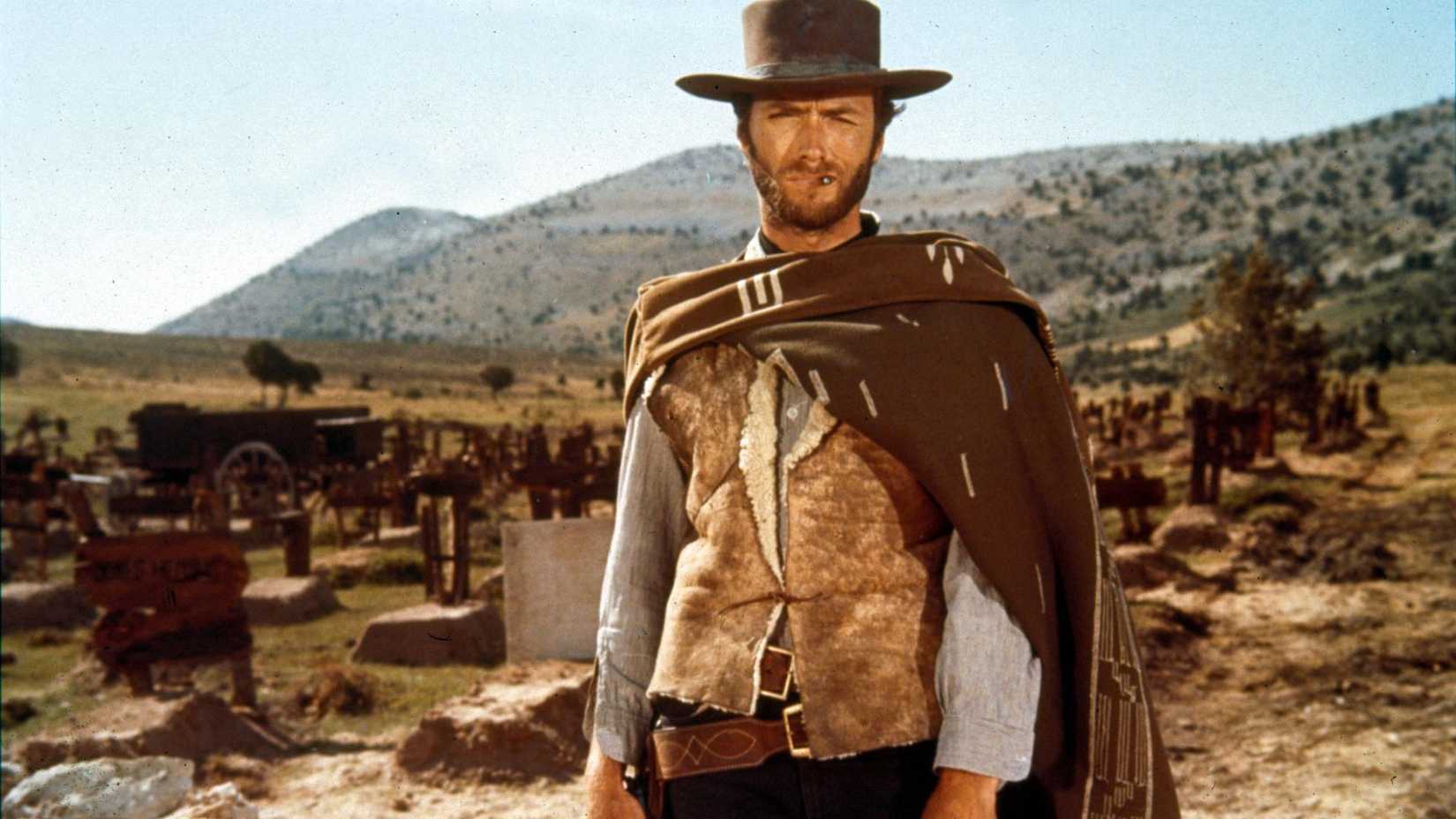 Image by INSTARimages.com
Westerns are an acquired taste, but The Good, the Bad and the Ugly is universally appealing. A trio of Old West outlaws must team up in order to find $20,000 worth of Union gold hidden somewhere in the desert. Sergio Leone's spaghetti western breathes new life into the tired genre, taking all the tropes of American cinema and cranking them up to 11.
Leone's active camera and commitment to visual style is reflected in Edgar Wright movies like Baby Driver, and the influence is obvious. It's one of the greatest films of all time because it is the perfect melding of entertainment and artistic expression, and neither gives way to the other. The Dollars Trilogy is strong overall, but The Good, the Bad and the Ugly is the real masterpiece.
3 Psycho (1960)
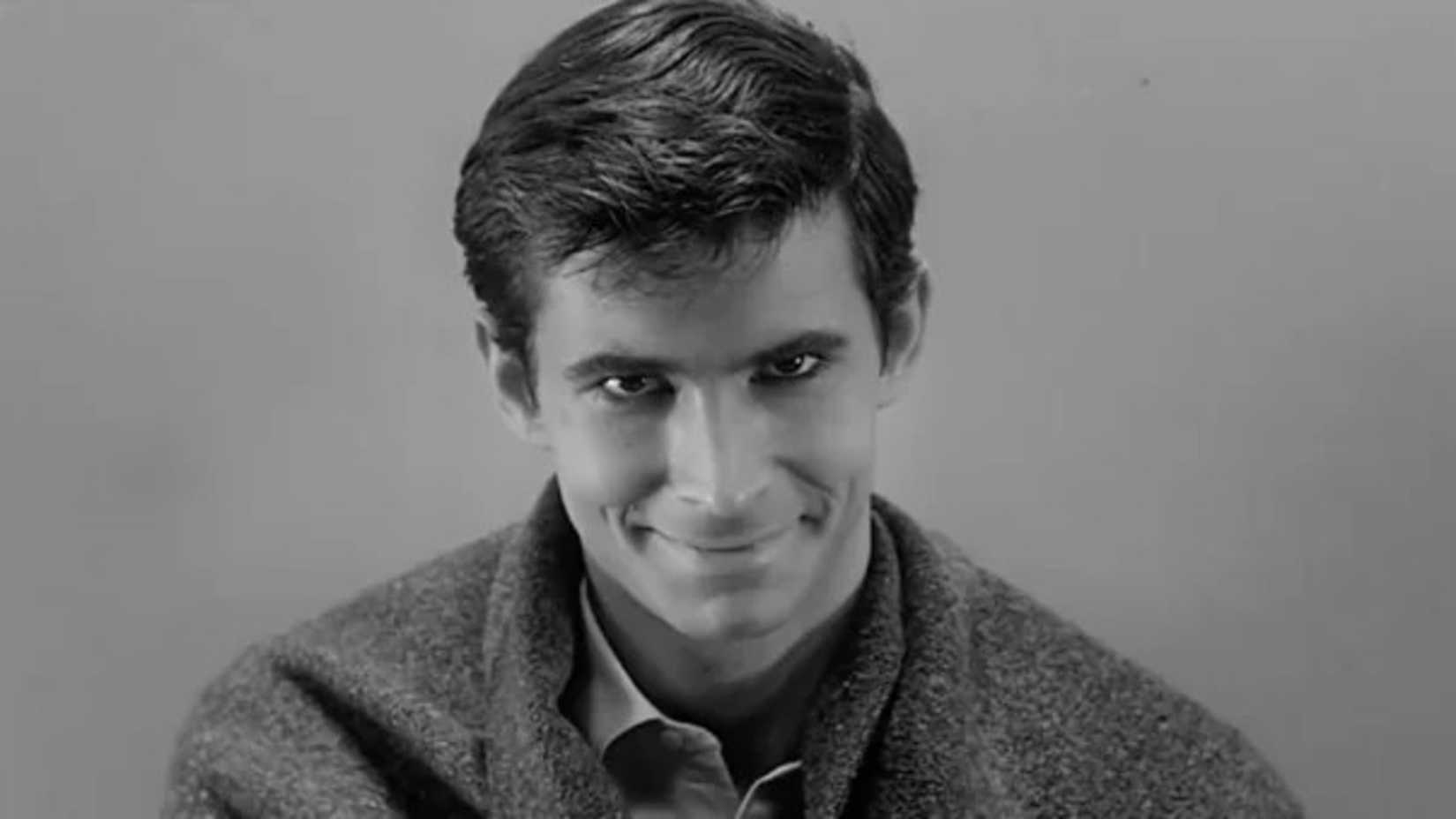
Alfred Hitchcock was not prepared to be left behind at the end of Hollywood's Golden Age, and he made an indelible mark on modern cinema with Psycho. After stealing from her employer, a young woman stays at a roadside inn but is brutally murdered in the process. From the shocking shower scene to the heart-wrenching twist ending, Psycho is nothing like other horror flicks from its era.
Though quaint by the time Edgar Wright came along, the Hitchcock classic still enthralls modern viewers. That's due in large part to its noir style, beautiful camerawork, and creepy tone. It alternates between being subtle and obvious, bridging the gap between eras of horror history. More than 60 years later, Psycho still packs quite a punch because it defies conventions that remain in place today.
2 2001: A Space Odyssey (1968)
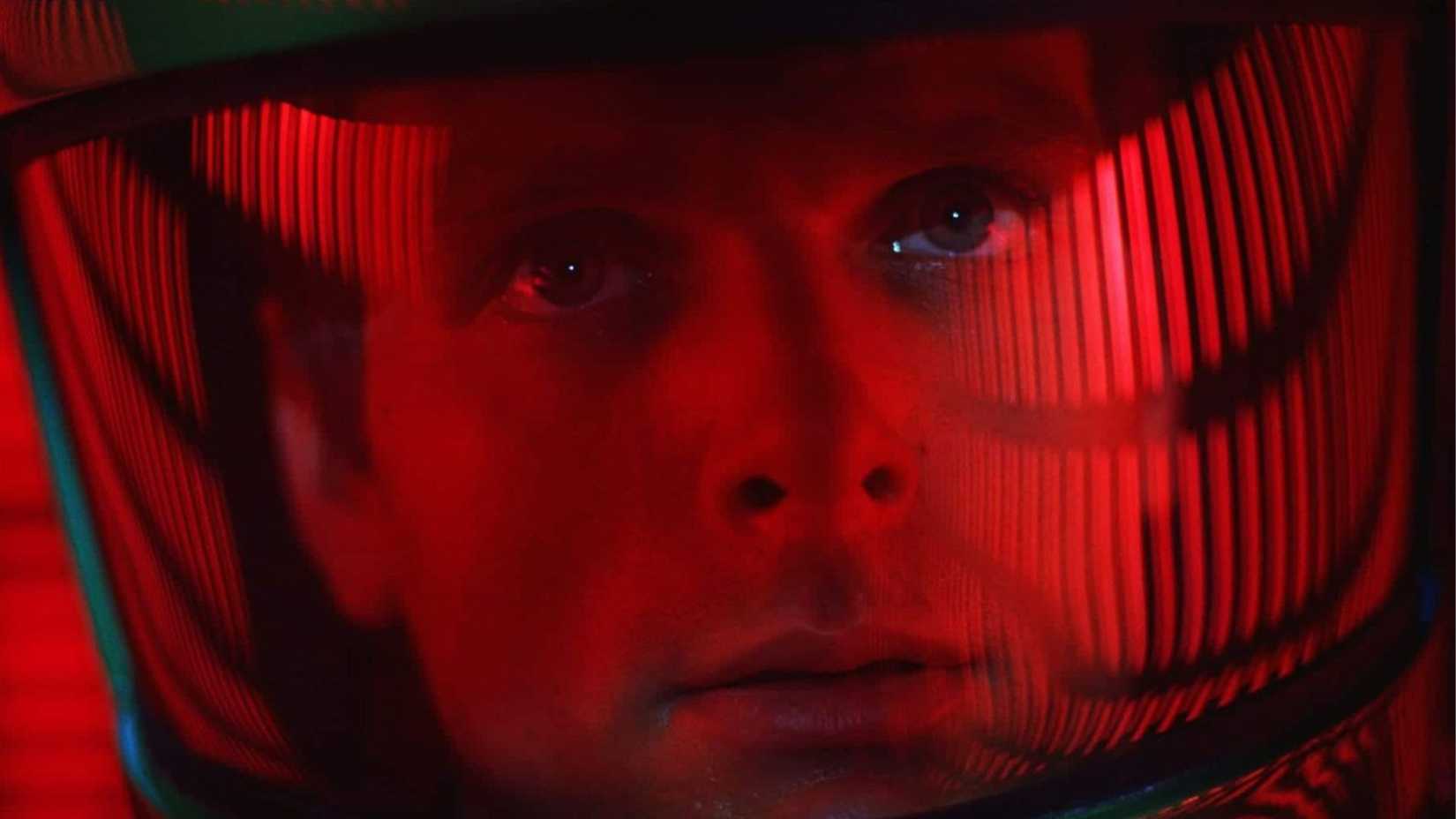
2001: A Space Odyssey bridges the gap between the art house and the mainstream, and is often an eye-opening experience for aspiring movie buffs. At various points in human history, mysterious monoliths appear and kick off the next evolution of mankind. Part philosophical treatise and part sci-fi story, 2001 is transformative.
Wright admits to marveling at how ambitious the movie is for a major studio release, and that perhaps best summarizes Stanley Kubrick's opus. It's defiant, weird, and fully committed to its own ideas, something that few films can claim. Science fiction is all about exploring what's possible, and 2001: A Space Odyssey may have found the outer edge of human creativity.
1 Singin' In The Rain (1951)
It isn't an exaggeration to say that Singin' in the Rain is a perfect film in every sense of the word. As Hollywood reels from the birth of sound cinema, three upstart actors try to break into show business. With its music, dancing, and opulent Golden Age visuals, there is something undeniably magical about the '50s classic.
Each number is better than the last, and it captures the sweeping grandeur of cinema while saving room for the little moments too. Edgar Wright joins generations of filmmakers who put Singin' in the Rain among their favorites, largely because it is cinema in a nutshell. No matter the genre or era, every aspiring film artist can take something valuable from the movie, especially its innate ability to entertain.
Source: British Film Institute

Birthdate April 18, 1974
Birthplace Poole, Dorset, England
Height 5 feet 7 inches
Professions Director, Writer, Producer, Actor





 English (US) ·