


Published Feb 6, 2026, 3:00 PM EST
Brandon Zachary is a Lead Writer for Screen Rant's New Movie Team. He also writes or has written for Comicbook.com, CBR, That Hashtag Show, Just Watch, and TVBrittanyF. Brandon is an Emerging Screenwriters Semi-Finalist, co-writer of a Screencraft Quarter-Finalist, a seasoned on-screen interviewer, and a MASSIVE nerd. You can reach him at [email protected]
The following contains spoilers for Dracula: A Love TaleLuc Besson's Dracula is a reimagining of the classic horror novel that positions the titular vampire as more of a somber gothic figure than a supernatural threat. Far from the first film to explore the humanity behind the monster, Dracula goes further than most by portraying his arc as a tragic tale of lost love and refused redemption.
While the film follows the broad strokes of the original story, it takes plenty of liberties in its imagining of Dracula's quest to be reunited with his lost love, reimagining many classic characters and elements of the story in service of its thematic tale about how grief can transform someone into a monster.
Why Dracula Allows Himself To Be Killed
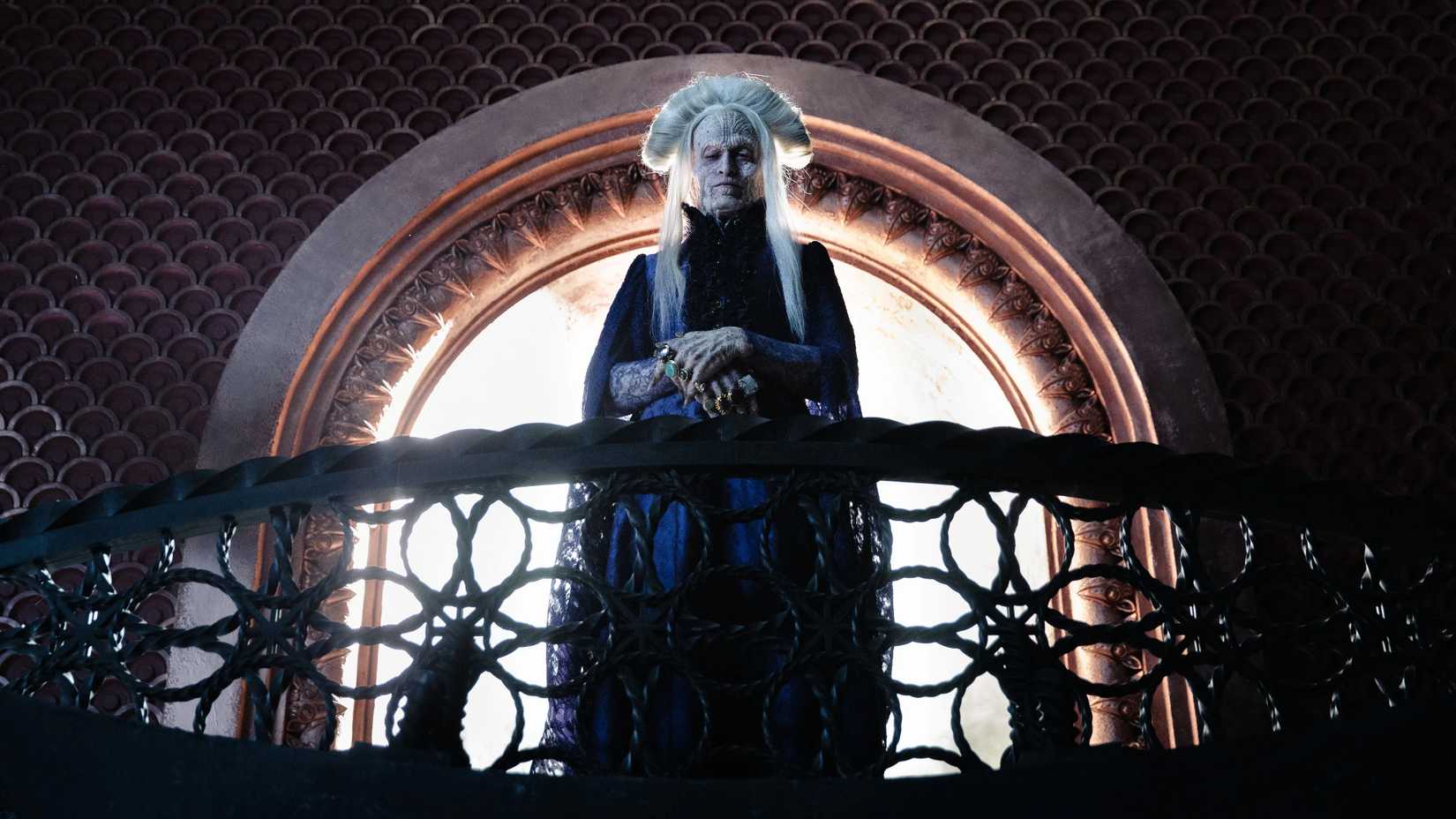
The climax of Dracula sees the titular vampire allow himself to be killed by the unnamed Priest, ending his curse but preventing Mina's corruption. One of the underlying themes of Dracula is the portrayal of the vampire's curse as an affliction brought on by God. Dracula's transformation was set in motion by his brutal rebuttal of God.
It initially seemed to start with Dracula only being incapable of dying. While this immortality may have been a boon in the eyes of others, it left the heartbroken prince with no way to be reunited with his bride. The prince was later able to spread his curse through his victims, transforming people into his monstrous agents around the world.
Realizing Mina is indeed the reincarnation of his past love, Dracula is convinced to spread his curse to her so they can be together forever. However, this will also steadily corrupt her just as it has transformed him and the others under his thrall. It's the Priest's patience and sympathy that convince Dracula to consider the implications of that fate.
That's why Dracula decides to let the Priest deliver a killing blow. Notably, the act isn't just done to break the curse of Dracula, but also seemingly save the soul of the vampire as well. The film's final moments suggest Dracula is genuinely at peace after ensuring his beloved can live her life.
Who Survives Dracula's Final Rampage
 Image via Vertical
The assault on Dracula's castle goes poorly for many of the men who take part in the battle, with the vampire and his gargoyle minions making quick work of dozens of men. Among the more notable casualties (apart from Dracula himself) is Henry Spencer, the film's equivalent of Arthur Holmwood.
However, the rest of the film's main cast survive the conclusion of the film. The unnamed Priest finishes his duties, Dr. Dumont survives his encounter with the gargoyles, and Jonathan Harker is once again spared by the vampire lord as thanks for inadvertently revealing the existence of Mina to him.
The biggest surprise in Dracula's finale is Mina's survival, who has come to cherish Dracula. While she was initially bitten by Dracula after reconnecting with her past life, the effects of the bite are undone by Dracula's death. This suggests that Mina will live the rest of her life as a human, mourning the loss of her lost love.
Another notable group of survivors in Dracula are the gargoyles who serve as Dracula's minions. Seen throughout the castle throughout the film, the gargoyles take part in the final battle and largely hold their own against the militia that the Priest has rallied. After Dracula is killed, they are revealed to all be children.
This raises some larger questions about the world of Dracula following his demise. It's implied repeatedly that Dracula has agents all over the world who may now be freed from his control. However, it remains to be seen if they simply regained their humanity or if they were restored to their original ages and subsequently perished.
How Accurate Is The 2026 Dracula To The Source Material?
 Image by Everett Collection
Dracula takes many liberties from the original novel of the same name, although it's far from the first film adaptation to do so. While the initial conversations between Dracula and Jonathan have some basis in the book, the film seems more intrigued by the tragic romance from Bram Stoker's Dracula.
Both of those adaptations reimagined Mina as the reincarnation of the Count's long-lost love, adding a layer of sympathy to an otherwise largely monstrous character. However, Bram Stroker's Dracula still largely portrayed the title character as a monster who slaughters his way through several innocents.
This is reflective of the original novel as well. The Dracula: A Love Story takes a different route, however, by casting Dracula as much more of a tragic figure. While he does have a large kill count, most of his direct murders are out of moments of rage rather than being just his typical approach to other people.
Luc Besson's Dracula is more interested in a version of the character who genuinely feels heartbroken, and lashes out not just at others but God as well in his grief. It fully transitions the character into a gothic tragedy rather than a pure horror story, as opposed to other recent adaptations like Nosferatu.
The other big way Dracula alters the original text is by tweaking the characters who confront the vampire. While Van Helsing is absent, he's been replaced in the narrative by the unnamed priest. Dumont serves as a stand-in for John Seward, while Henry Spencer's corrupted wife Maria is a reimaging of Lucy Westenra as an agent of Dracula.
The True Meaning Of Dracula: A Love Story

Dracula is ultimately about a man's inability to accept his grief and move on — literally. As part of his rage towards a God that would not spare his wife, Dracula forsakes all things divine and becomes cursed. Notably, though, the death of Dracula's beloved was accidentally caused by the Prince himself.
In his rush to save his bride from a group of soldiers who had ambushed her, Dracula threw his sword at the last attacker. Unfortunately, the blade tore right through the man and also impaled Elisabeta, killing her. Similar to Dracula's other outbursts that killed people over the ages, it stems from his own rage.
For all the pain that Dracula claims God has spread to him and the world, he is almost entirely the cause of his own suffering in his grief. Dracula is about a man who must accept his loss instead of fighting it. In doing so, he saves Mina from damnation and even salvages his own spirit.
In doing so, Mina is also forced to grieve a beloved, although the film implies she will do so without becoming a monster. There's a sense that she can move on, signified by the silent suggestion that she won't return to Jonathan despite Dracula's death. It's a grim turn of events, but one that gives Dracula an effectively bittersweet touch.
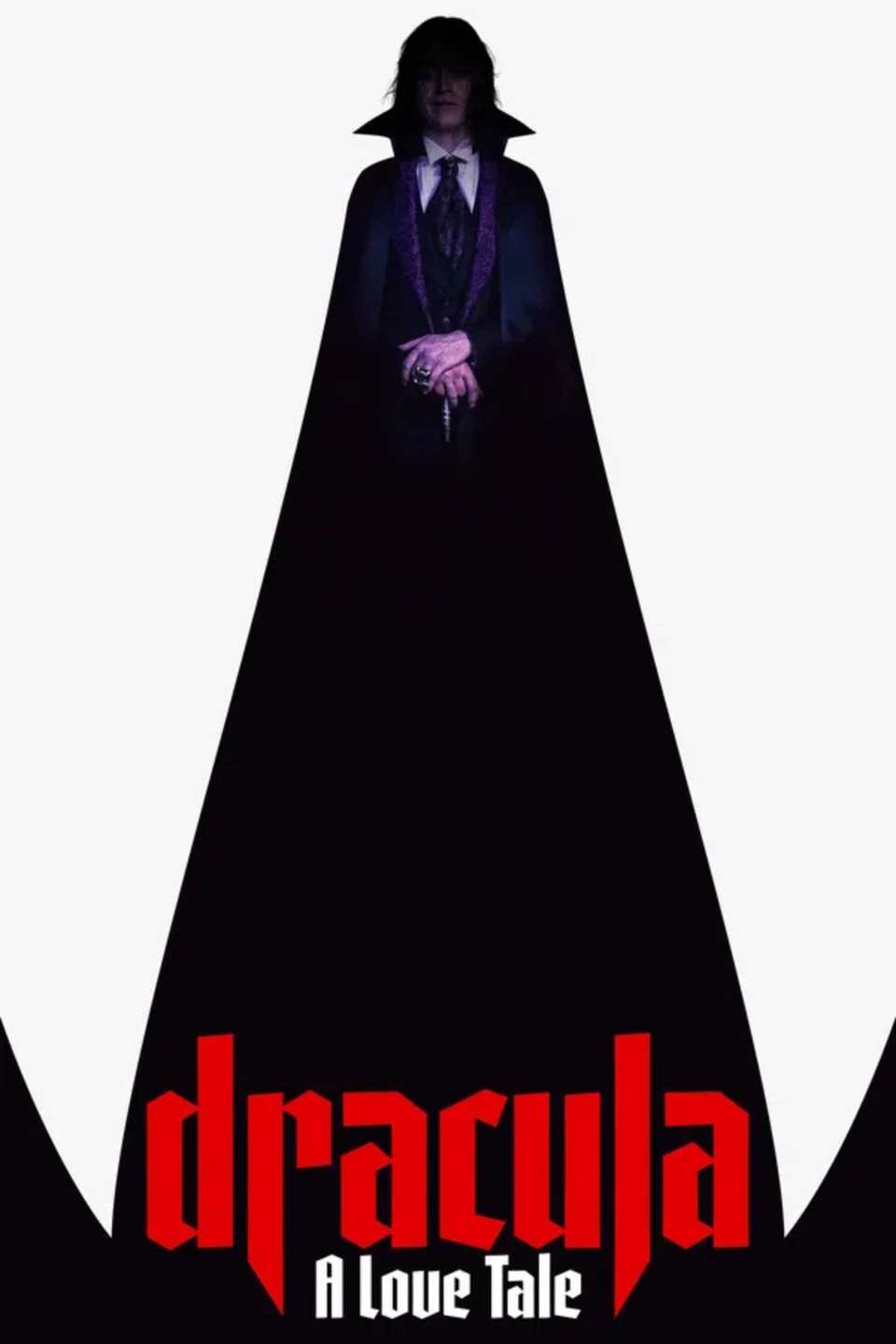
Dracula
Release Date February 6, 2026
Runtime 129 minutes
Director Luc Besson
Writers Luc Besson, Bram Stoker
-

-

-

Zoë Bleu Sidel
Elisabeta / Mina
-






 English (US) ·