
 3 weeks ago
32
3 weeks ago
32
The late photographer Roy Blakey (1930-2024) lived an incredibly interesting life wholly unlike anyone else. A world-traveling professional ice skater-turned-pioneering photographer, Blakey’s life and legacy are captured in a new documentary film, “Uncle Roy,” directed by his mentee and niece, award-winning director, cinematographer, and photographer Keri Pickett.
As Deadline writes, Pickett didn’t know her uncle Roy until she moved to New York City as an adult to follow her dream of becoming a professional photographer. Pickett and Blakey, then an accomplished photographer in New York City himself, best known for his nude male portraiture and commercial work, became extremely close.
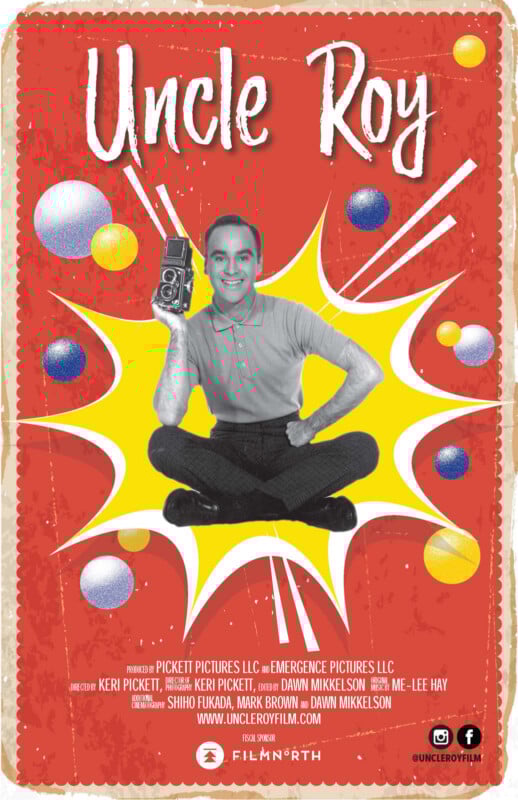
Decades later, as Blakey struggled with dementia in his final years, Pickett became his caregiver and, ultimately, the person responsible for documenting Blakey’s life and legacy before he died.
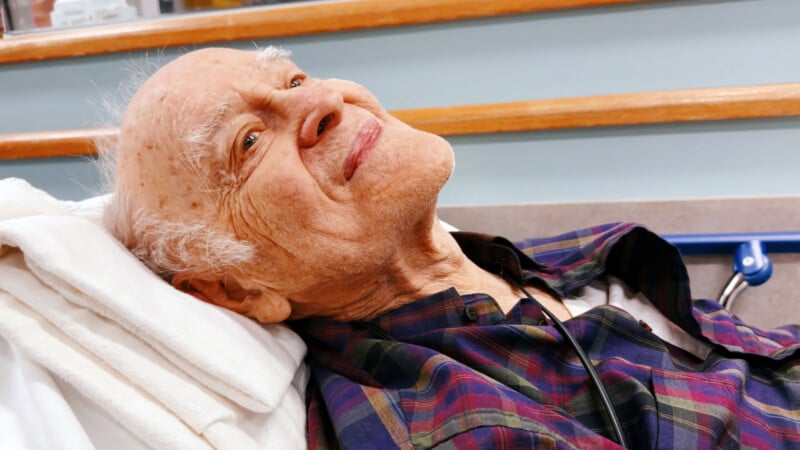
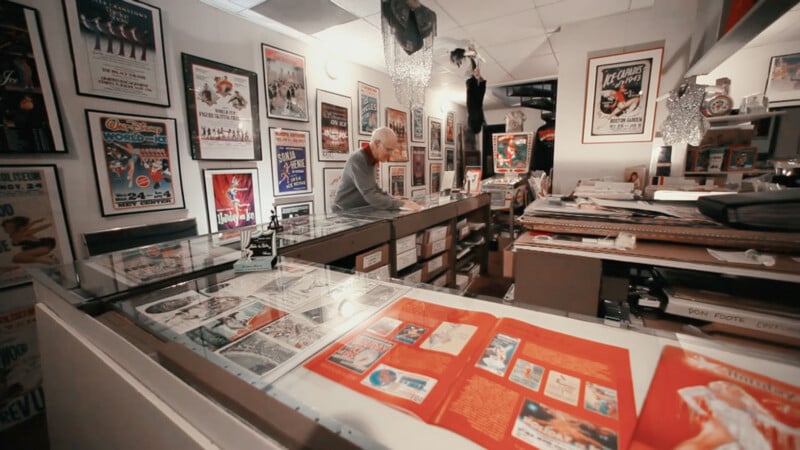
“Uncle Roy” follows Blakey’s life, from professional ice skating, globetrotting, collecting, and eventually, photography. Blakey’s life always centered around art, theatre, and performance. Whether ice skating in front of global audiences on tour or capturing powerful, influential photos, Blakey was engrossed in artistry. On the one hand, he is considered a forefather of gay photography. On the other hand, Blakey owned the world’s largest archive of theatrical ice-skating memorabilia, comprising some 44,000 items.
Blakey was always a dreamer. In the 1940s, growing up in small-town Oklahoma, Blakey saw an ice-skating film starring three-time Olympic champion Sonja Henie. Blakey was just a child, but he decided then that he would become an ice skater, too.
But there was no ice to skate on in Enid, Oklahoma, so Blakey settled for roller skates and then took a weekly bus to Wichita, Kansas, to get on the ice for lessons. Blakey stuck with it and, despite his parents’ protests, he decided to skip college and pursue his dream of becoming a skater, which he told them in a letter.
“I told [my parents] what my dreams were in my letter. This was 1948. I re-read my letter in the 80s, and it’s amazing — everything I said I wanted to do in that letter came true. I got into show business, I travelled around the world, I did everything, never realizing I’d really set those goals so early on,” Blakey said in 2005 to Fantastic Man. (https://www.fantasticman.com/articles/roy-blakey/)
Life delayed Blakey’s plans, though, as he was drafted into the U.S. Army shortly after he sent that letter. When his military obligations were done, he finally got to be an ice skater.
“I tell you, I was the luckiest guy in the world,” Blakey added.
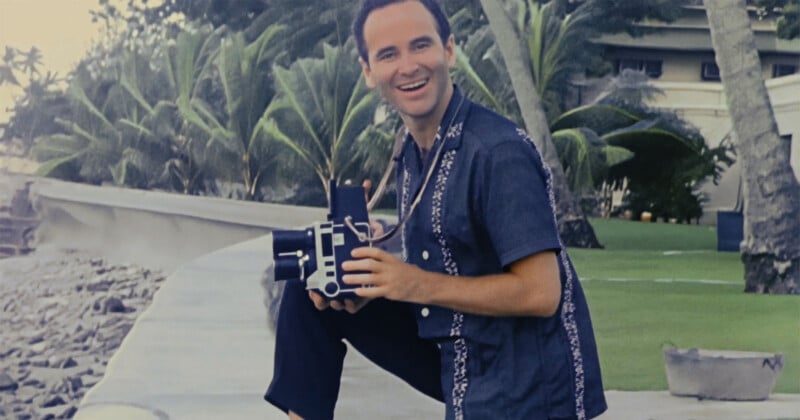
While traveling with a skating troupe, Blakey picked up a camera in Germany to capture portraits of his colleagues. When they went to Japan, he picked up a Nikon, which became his camera of choice.
Eventually, Blakey grew weary of his skating career, which didn’t offer much in the way of money, and decided he’d become a professional photographer instead. He wanted to go to Hollywood, but ultimately wound up in New York City and started a studio. As the cliche goes, the rest is history.
 Photo by Roy Blakey
“I didn’t know much about the technical side of photography. I still really don’t, in fact. My father would know all about how a camera worked but not me. But I can take a picture and my father couldn’t. You know what I mean? It’s instinctive. So that’s what I’ve done ever since, take pictures,” Blakey said over 20 years ago.
When a medical crisis took Pickett to Minneapolis, her Uncle Roy followed, and they opened a photography studio together.
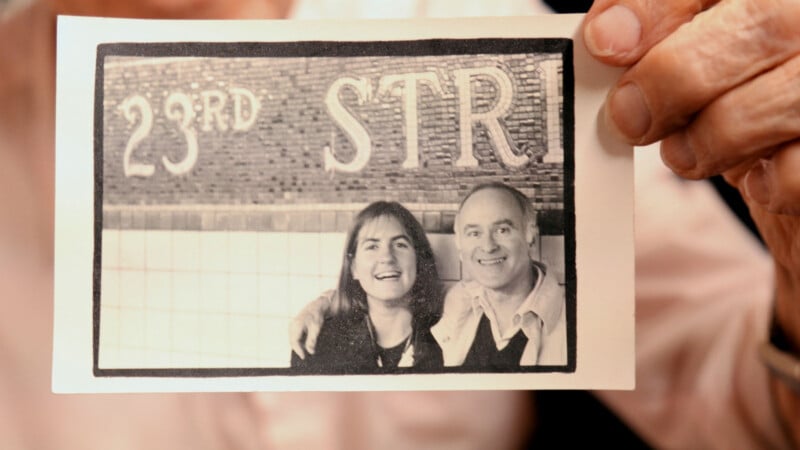
Pickett says “Uncle Roy” documents her “beautiful last years” with her beloved uncle, and the movie is a tribute to her uncle, of course, but also to chasing your dreams, no matter how big.
“Uncle Roy” premiered this week at the Thessaloniki Film Festival in Greece.
Image credits Keri Pickett, Pickett Pictures, and Emergence Pictures.


![New 100% RT Cyber Thriller Unleashes 10-Minute Sneak Peek [Exclusive]](https://static0.colliderimages.com/wordpress/wp-content/uploads/2026/01/wardriver-sasha-calle-dane-dehaan.jpg?w=1600&h=900&fit=crop)
 English (US) ·