


Published Apr 8, 2026, 8:45 PM EDT
Ben is a Senior Writer on the New TV team at Screen Rant. He graduated from the University of Central Lancashire with a First Class B.A. Degree in English Literature and History.
Born and raised in Ireland, Ben has always had a love for storytelling in all forms of media and operates multiple projects under the name Benjamin Blogs. Ben is a comic book writer and podcast host, in addition to his work as an entertainment journalist. He has worked as both a writer and editor for Screen Rant, Collider, and other media outlets across various departments, including features, news, reviews, and interviews.
One of the greatest tragedies in the most recent seasons of Doctor Who has to be the fact that it's been almost a decade since we have had a decent season finale. It's a pretty common critique that ever since Steven Moffat left his position as showrunner behind, Doctor Who hasn't quite felt the same. But if we look a little closer, the impact that this has had on season finales is absolutely diabolical.
Moffat's last finale was the two-part adventure with Peter Capaldi's Twelfth Doctor, "World Enough and Time," and "The Doctor Falls." And since that time, we have had disjointed, disappointing, and massively underwhelming finales that have failed to pack the punch that came in almost every season between 2005 and 2017.
Why "World Enough And Time" & "The Doctor Falls" Was Doctor Who's Last Great Season Finale

"World Enough and Time," and "The Doctor Falls" see a number of storylines finally resolved, and include elements that hark back to earlier moments in the same season. For example, Billy meets the Pilot, a space alien who invited her to travel with her back in the season 10 premiere, and after suffering a terrible fate at the hands of the Cybermen, the Pilot returns to free her from her transformed state in the finale.
Another aspect comes from the fact that the Doctor has been keeping Missy captive throughout the season in a vault below the university where he was teaching, and in the finale, he opts to bring Missy on a trial run in an effort to help with her rehabilitation. While Missy encounters a previous regeneration in the form of Harold Saxon, Missy proves that she has had a change of heart, only to be shot down by her former self.
On top of these incredible story elements, Capaldi's performance and emotion are incredible, as he loses everything ahead of his regeneration, and comes away a broken man, though he has time enough to learn one final lesson in the 2017 Christmas special, "Twice Upon a Time."
Overall, this finale perfectly encapsulates what Doctor Who is capable of with storytelling that spans the furthest reaches of the universe and all points in time. Between emotional beats, the return of nostalgic villains, major story arcs resolving in the most satisfying way, and what appears to be a plan coming together after meticulous efforts, this was a stunning way for Peter Capaldi and Moffat to exit Doctor Who.
Where Doctor Who's Season Finales Since 2017 Have Gone Wrong
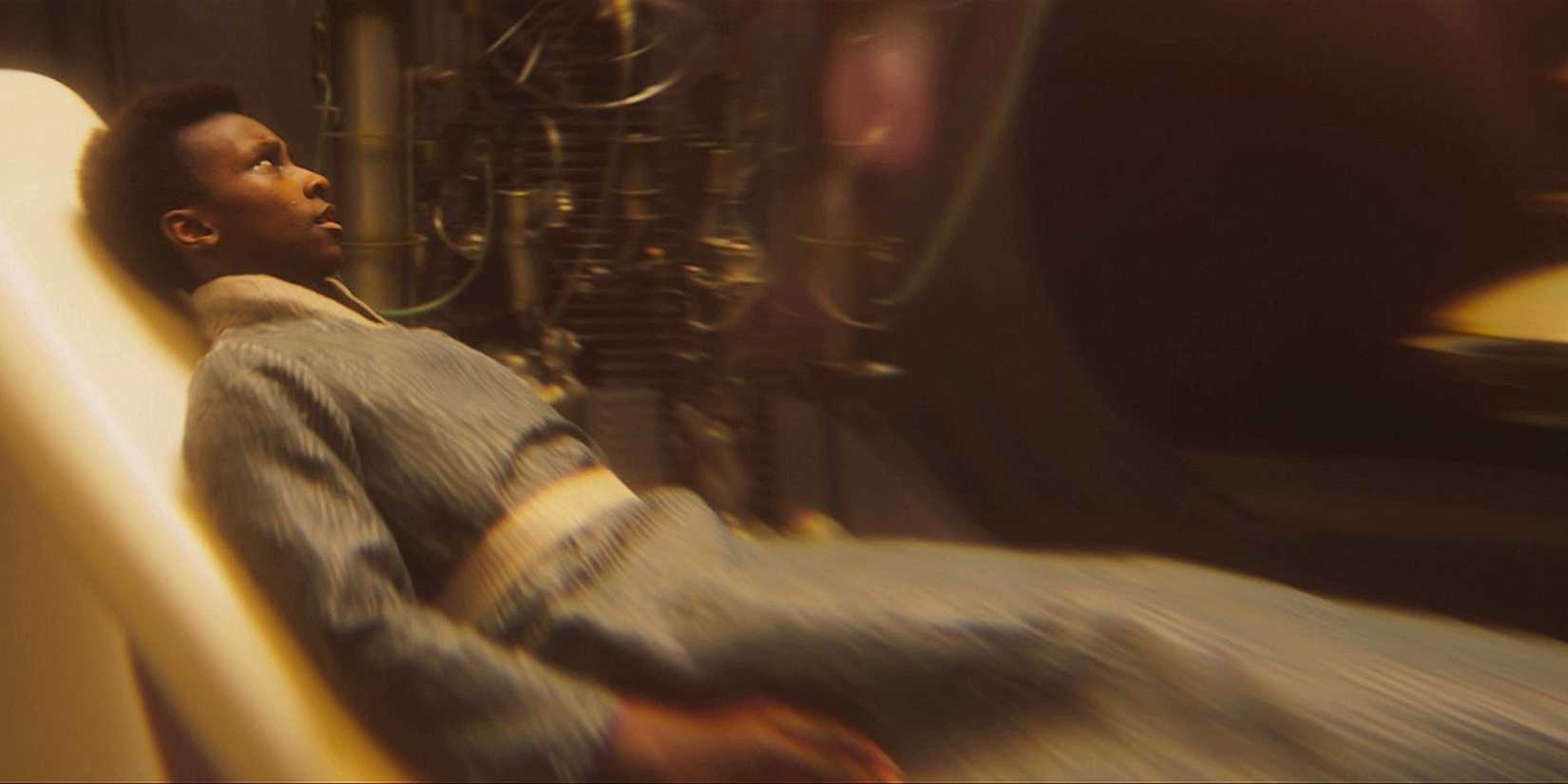
Unfortunately, the same can't be said of the subsequent seasons of Doctor Who. Chris Chibnall took over from Steven Moffat, and despite previous experience writing for the series and having worked alongside talented former Doctors like David Tennant in other projects, Chibnall's arrival also heralded in some big changes in the show.
Like the arrival of Matt Smith, the Doctor was all alone when they regenerated into Jodie Whittaker's Thirteenth Doctor, and again, like Smith's Eleventh, she ended up finding some companions there in that very first adventure. But the show also tried to move away from classic monsters of yesteryear, and also saw a major upgrade in terms of picture quality, which all amounted to the show feeling like a very different beast.
In the finale of season 11, "The Battle of Ranskoor Av Kalos," the show does see the villain from the season premiere return, but it doesn't hold much weight, and the final conflict is resolved with relatively little effort. Season 12 did a better job after bringing back characters like The Master and the Cybermen, and "The Timeless Children" had a lot of potential, but the controversial reveal of the Doctor being some other type of alien felt like a major revision to the lore that fans were not happy about.
Season 13 potentially came the closest to something from the earlier era, but the fact that it was a six-episode adventure that revolved purely around one larger plot, the Flux, also failed to capture the subtleties of weaving in a larger narrative across the episodes of a season to finally deliver a big payoff in the finale.
Then, in season 14, Ncuti Gatwa's Doctor came in strong with a boisterous and energetic performance, and the set-up for the Pantheon of Gods was deeply satisfying, but the finale was underwhelming, with Sutekh being taken down in the first half of the episode, and then the revelation that Ruby Sunday, who was teased to be something very special indeed, was just an ordinary girl, it felt like a lot of smoke for barely a spark.
Season 15 is perhaps the worst victim of the recent era of Doctor Who because it seems as though Russell T Davies had some big ideas, and a narrative laid out that should have continued into season 16, but the sudden departure of Ncuti Gatwa led to a rushed finale with some big changes, and an incredibly confusing final sequence where the Doctor somehow transforms into Billie Piper, who formerly played Rose Tyler.
Doctor Who Season 16 Should Go Back To Basics With Its Long-Term Arcs

I do think that RTD had big plans for what could have been in season 16, but with the exit of Ncuti Gatwa, the showrunner has decided to also depart after the 2026 Doctor Who Christmas special. So, season 16 is in someone else's hands, and there is almost certainly going to be another major reset with no returning companions and a whole different creative team behind the scenes.
However, if whoever steps in to take over the role of showrunner can go back and assess what made previous seasons and particularly the finales really work, then there is a chance season 16 and beyond can go back to developing larger, more considered arcs that span at least a season, if not a couple of seasons.
Doctor Who is a show that has immense potential to stand out, and as the longest running sci-fi show on TV, it's clear that it's had many moments where it rose to the occasion, which is a major part of why the fanbase is so emotionally invested in the show, and wishes desperately for it to succeed and return to the glory days with another compelling season of the series.
Unfortunately, there is a surmountable task ahead in regaining the trust of the audience, returning to the incredible quality of those earlier seasons, and establishing a new cast and crew with season 16. But if the new showrunner and team are up to the task, Doctor Who could deliver a thrilling season 16, with a worthy finale that makes sense in the larger context, and feeds into more connected stories going forward.
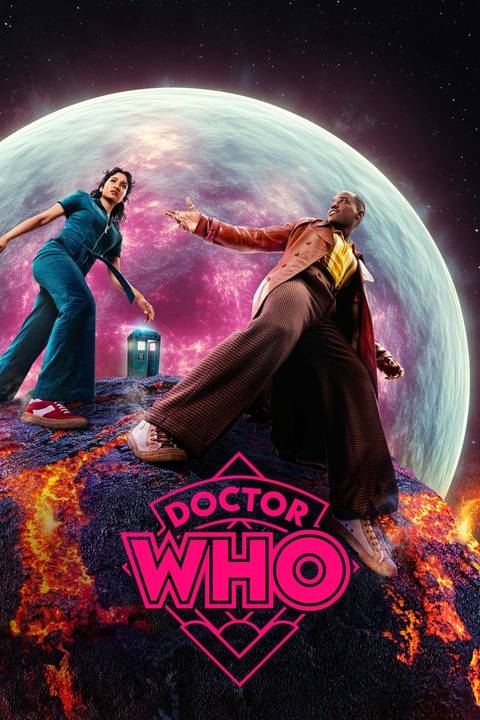
Release Date May 11, 2024
Network BBC One
Directors Alex Pillai, Peter Hoar, Ben Chessell, Julie Anne Robinson, Jamie Donoughue, Amanda Brotchie, Dylan Holmes Williams
Writers Steven Moffat, Pete McTighe, Kate Herron, Inua Ellams, Juno Dawson
Franchise(s) Doctor Who / Whoniverse
-

-

Millie Gibson
Ruby Sunday





 English (US) ·