


Published Feb 15, 2026, 6:30 PM EST
Ben Sherlock is a Tomatometer-approved film and TV critic who runs the massively underrated YouTube channel I Got Touched at the Cinema. Before working at Screen Rant, Ben wrote for Game Rant, Taste of Cinema, Comic Book Resources, and BabbleTop. He's also an indie filmmaker, a standup comedian, and an alumnus of the School of Rock.
In 2014, Darren Aronofsky took a break from making chilling psychological thrillers to co-write and direct the strangest Biblical epic of all time: the monster-infested Noah. Aronofsky is most renowned for telling deeply disturbing stories of psychosis. In Black Swan, we saw a ballerina’s mental health unravel. In Requiem for a Dream, we saw the horrors of addiction portrayed in the most shocking ways imaginable.
But not all of his movies have fallen into that category; Aronofsky is a surprisingly versatile storyteller. The Wrestler is a grounded sports drama, Caught Stealing is a comic crime caper, The Whale is a harrowing study of emotional eating, and The Fountain is a wildly ambitious mix of sci-fi, fantasy, and romance. He also brought Noah’s Ark to the big screen.
Before Aronofsky made Noah, the best-known Hollywood adaptation of the Noah’s Ark story was Evan Almighty. It’s a pretty fun comedy, with a great pairing of Steve Carell’s everyman and Morgan Freeman’s God, but Aronofsky saw an opportunity to retell this Biblical tale on a much grander scale, with a much more cinematic approach.
Darren Aronofsky's Noah Is Not Your Average Biblical Epic
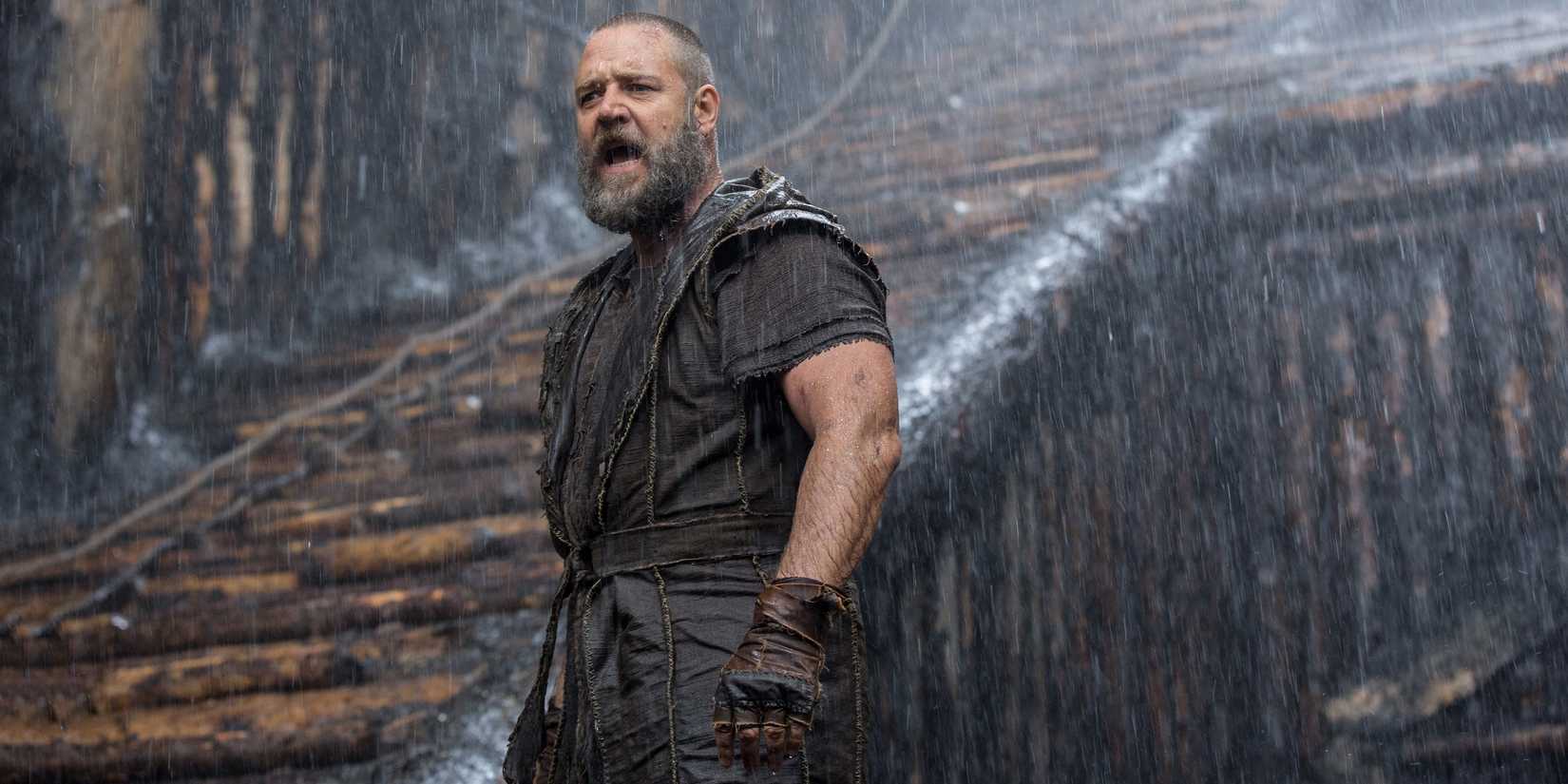
Aronofsky’s big-budget blockbuster adaptation of the story of Noah’s Ark is not your average Biblical epic. When you picture a Biblical movie, you probably think of something like Ben-Hur or The Ten Commandments: grand, prestigious, sophisticated films. Even The Passion of the Christ, which has more visceral bloodshed than a Tarantino movie, is largely reverent of the Biblical text.
With Noah, Aronofsky did something very different. Noah might be the weirdest, wildest movie ever based on the Bible. This movie has rock monsters, for crying out loud. It depicts its fallen angels, “The Watchers,” as big, bumbling creatures made of stone, like the Thing from the Fantastic Four. And that’s just the tip of the iceberg — that’s before the flood.
Noah Has A Great Cast Led By Russell Crowe
From Jennifer Lawrence to Brendan Fraser to Javier Bardem to Natalie Portman, just about every star in Hollywood is clamoring to work with Aronofsky, and jumps at the chance to appear in one of his films. Even when that film is a religious epic with a race of rock monsters, everyone on the A-list is game to take a role in the ensemble.
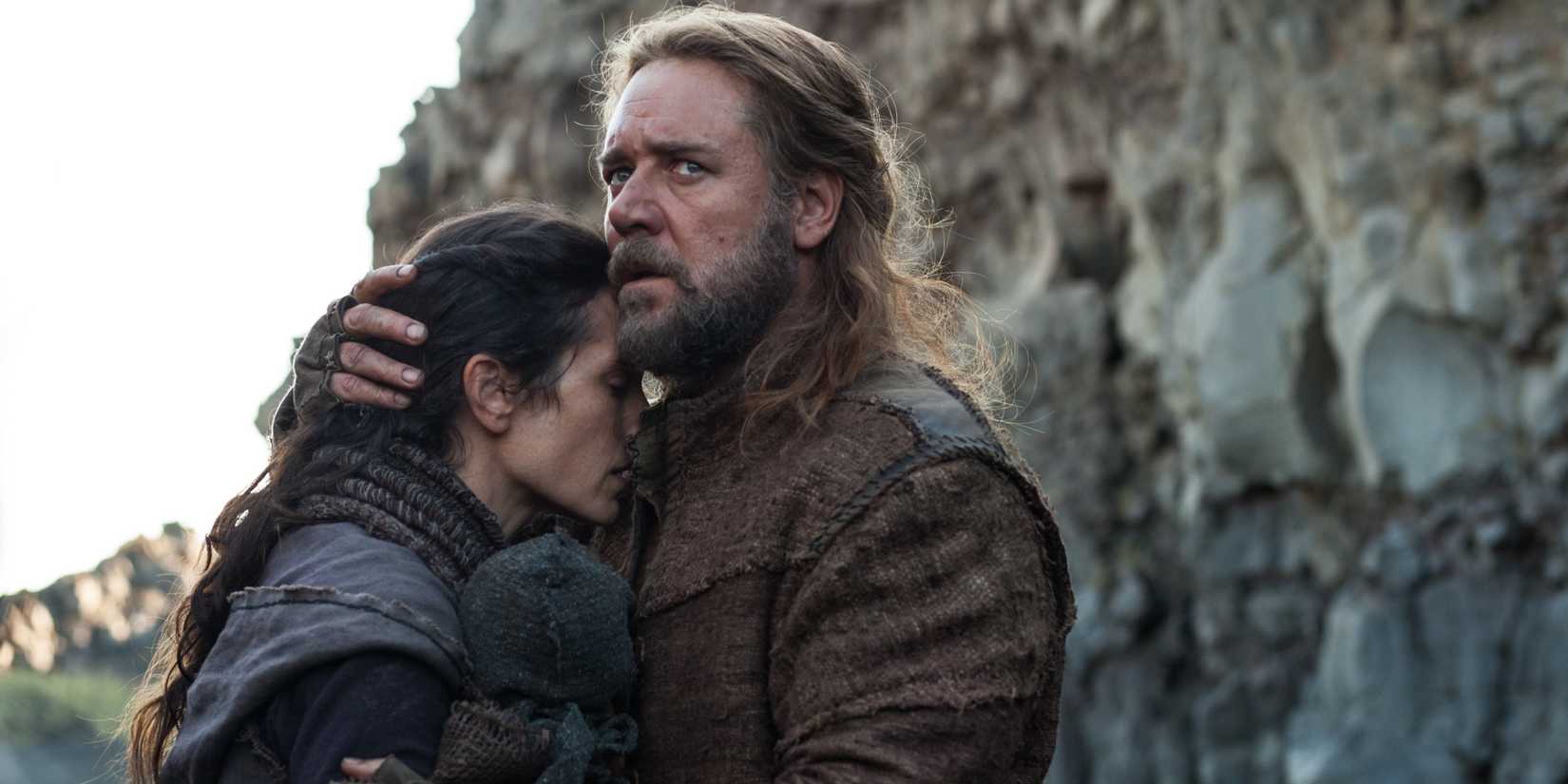
Russell Crowe leads the cast of Noah in the title role. He gives a brilliantly nuanced, grizzled, eccentric turn (the kind of unforgettable performance you expect from Crowe), and he’s surrounded by terrific supporting players. Aronofsky’s Requiem for a Dream star Jennifer Connelly plays a much less taxing part here as Noah’s wife.
Ray Winstone plays Noah’s arch-nemesis, Tubal-cain, a descendant of Cain (whose Biblical story would later be allegorized by Aronofsky in his controversial arthouse horror pic mother!). Logan Lerman plays Noah’s son, Anthony Hopkins plays Noah’s grandfather Methuselah, and Emma Watson, fresh off the Harry Potter series, plays an orphan raised by Noah and his wife.
Aronofsky Used The Story Of Noah's Ark To Deliver An Environmentalist Message
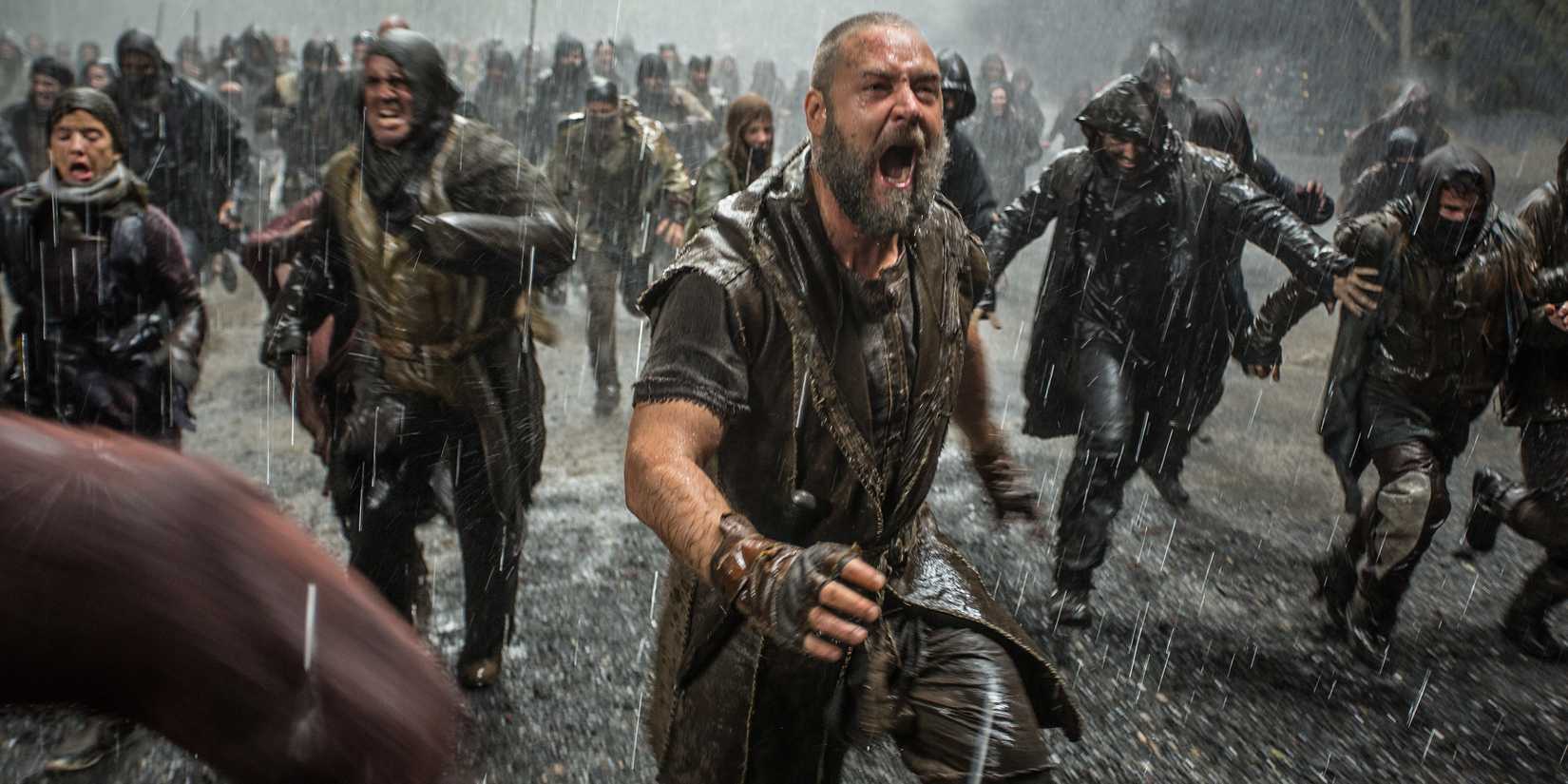
Aronofsky used the story of Noah’s Ark to deliver a surprisingly timely environmentalist message. Everyone knows the story of Noah’s Ark: before God sends a flood to wash away all the sinners, he tasks Noah with building a giant boat that will withstand the flood and filling it with two of each animal, so he can repopulate the Earth after the apocalypse.
That story lends itself to a lot of blockbuster spectacle, and Aronofsky puts his nine-figure budget to good use in what is essentially a disaster movie about a world-ending natural disaster. But what no one saw coming was that it also lent itself to the current ecological climate. Humanity is on its way to starting its own world-ending flood with the melted ice caps.
Aronofsky turned his cinematic retelling of the Noah’s Ark story into a parable about the dangers of ecological collapse. Some religious commentators felt that this environmental messaging distracted from God’s glory, and some secular commentators felt it was just plain unsubtle. But it was a prescient approach to take to this familiar fable.
Noah Isn't Just Based On The Bible
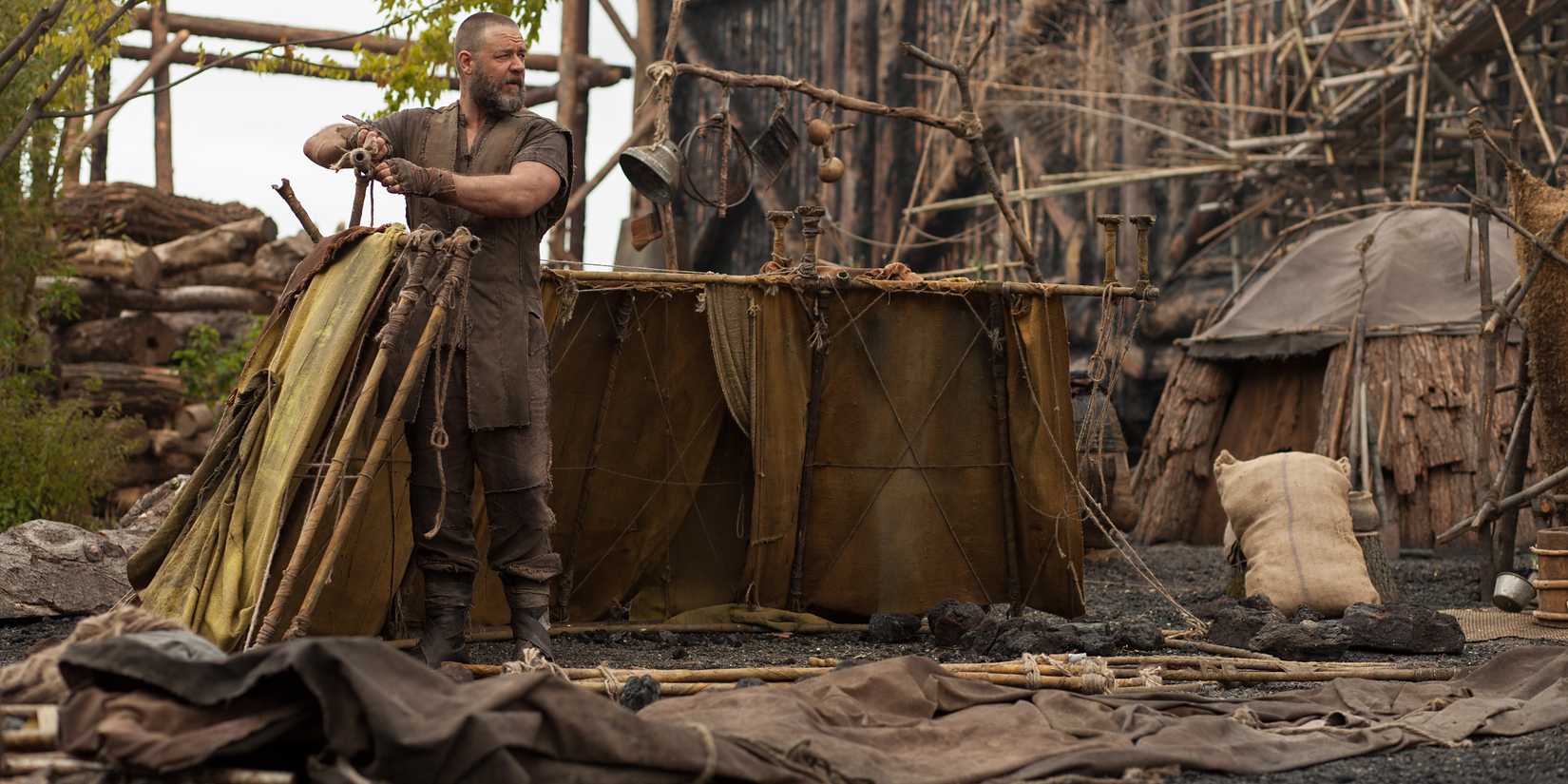
When Noah was released, it became a source of controversy among Christian audiences, because the Bible isn’t its only source material. Parts of it were based on the Biblical telling of the story, but it also incorporates elements from the Book of Enoch’s version of the story. Biblical purists were pretty miffed by that, but that’s where all the most interesting aspects of the movie came from.
The biggest inspiration that Noah took from the Book of Enoch is the presence of Nephilim. The Nephilim are a mysterious race of giant beings with great strength and authority. The Bible tends to reserve that kind of strength, authority, and stature for just one character: God.
Another reason for the outrage against Noah is that it never mentions God by name, only ever referring to him as “The Creator.” Aronofsky certainly ruffled some feathers with this movie, but it’s one of the zaniest religious epics you’ll ever see.





 English (US) ·