
 2 hours ago
7
2 hours ago
7
Bitcoin has staged a comeback. The leverage crowd mostly stayed home.
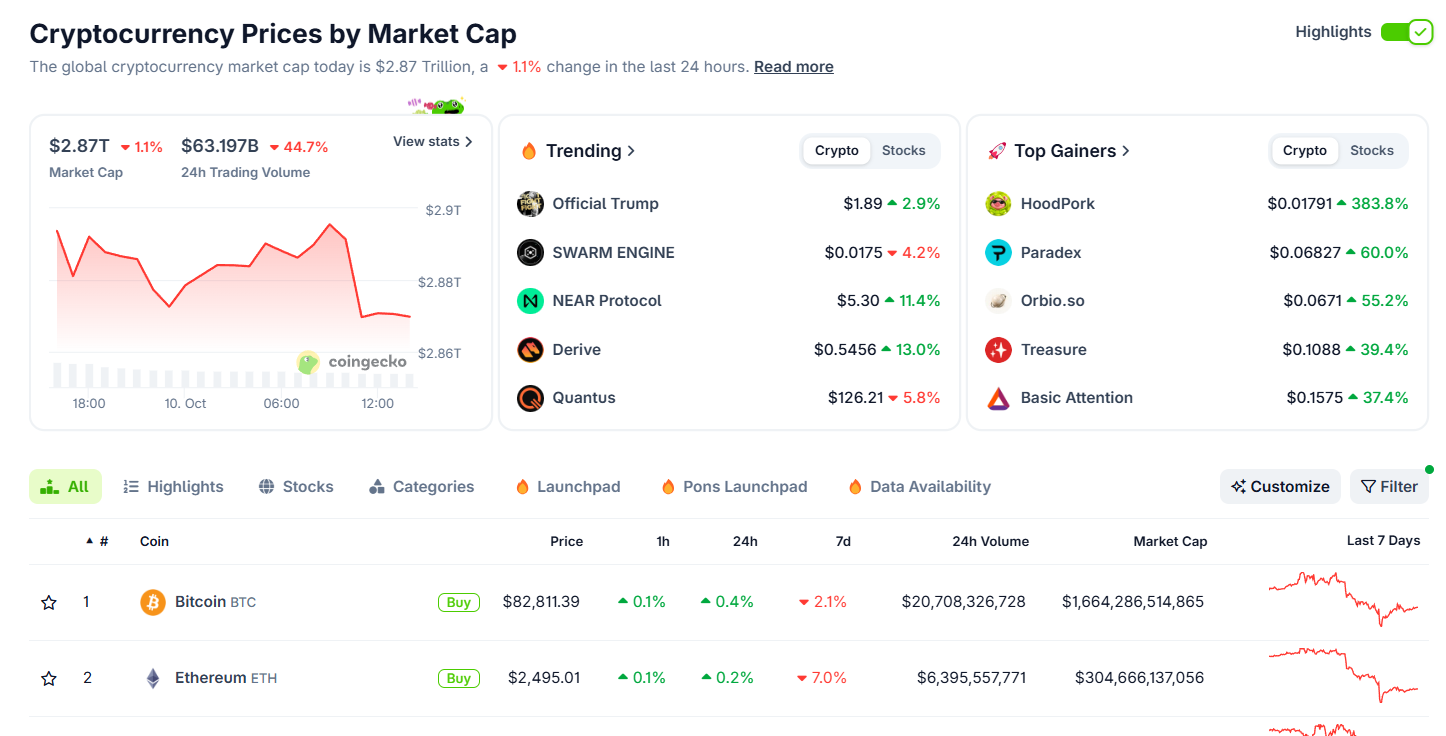
The world’s largest crypto asset climbed approximately 35% from its August 2026 lows around $63,500, reaching the $83,000 to $84,000 range by late September. Futures open interest has not kept pace, however, and remains below its previous high.
Price up, leverage down
Open interest measures the total value of outstanding futures contracts that haven’t been closed or settled. When it rises alongside price, traders are piling in with fresh bets. When it falls during a rally, the table is getting quieter even as the score improves.
That second scenario is what played out here. Measured in BTC terms, futures open interest fell nearly 20% during the run-up.
Analysts at Bitfinex flagged that aggregate BTC futures open interest dropped to approximately 625,000 BTC. That marks a significant pullback in leveraged positioning, and a notable low for 2026.
Denominating open interest in BTC rather than dollars is a useful filter. A rising price can inflate dollar-based open interest even if nobody opens a new contract. Counting in coins strips that effect out and shows whether positioning itself is growing or shrinking.
The August squeeze that cleared the decks
A chunk of that decline traces back to a single day. On August 19, 2026, a liquidation event swept through the derivatives market, with 85% of the liquidations hitting short positions.
Open interest contracted by 11% shortly after that event.
Beyond the squeeze, the rally appears to have been powered by spot market demand. Reports point to institutional inflows into exchange-traded funds and short covering, rather than traders opening new leveraged long positions.
October: a holding pattern
Into early October, Bitcoin settled into a range between $82,000 and $85,000. ETF flows moved back and forth, and open interest stopped falling and began to stabilize.
Across trading venues, broader perpetual futures open interest sat between $35 billion and $54 billion in notional terms during that stretch.
What this means for investors and traders
Lower leverage cuts both ways. On the plus side, fewer overextended positions means less fuel for a sudden liquidation cascade.
The trade-off is speed. Leverage is what usually turns a solid rally into an explosive one. Without renewed derivatives participation, the potential for sharp, rapid price gains looks limited unless new capital enters the market.
For traders, ETF flow data is likely the most important signal to watch. The October range between $82,000 and $85,000 coincided with swings in those flows, which suggests institutional demand is effectively setting the pace.
Open interest is the second gauge. A gradual rebuild in BTC-denominated open interest alongside steady spot demand would point to renewed conviction. A sudden surge in leverage without matching spot buying would revive the old fragility the market just spent months shedding.
The research frames the current setup as reason for cautious optimism. Rising prices, reduced leverage, and steady institutional participation could add up to more sustainable growth, punctuated by occasional bouts of volatility.
Disclosure: This article was edited by Vivian Nguyen. For more information on how we create and review content, see our Editorial Policy.





 English (US) ·