


Published Mar 5, 2026, 10:02 AM EST
Tom is a Senior Staff Writer at Screen Rant, with expertise covering everything from hilarious sitcoms to jaw-dropping sci-fi epics.
Initially he was an Updates writer, though before long he found his way to the TV and movies team. He now spends his days keeping Screen Rant readers informed about the TV shows of yesteryear, whether it's recommending hidden gems that may have been missed by genre fans or deep diving into ways your favorite shows have (or haven't) stood the test of time.
Tom is based in the UK and when he's not writing about TV shows, he's watching them. He's also an avid horror fiction writer, gamer, and has a Dungeons and Dragons habit that he tries (and fails) to keep in check.
From the post-apocalyptic depths of Silo to the alternate history spectacle of For All Mankind, Apple TV+ has quietly built one of the most impressive sci-fi libraries on television. There’s seemingly no corner of the genre it can’t master. Space opera is no exception, and Foundation proves it with staggering confidence and scale.
Now three seasons in, Foundation adapts Isaac Asimov’s legendary novels of the same name, once considered unfilmable. However, what could have been a cautious, watered-down translation instead feels bold and unapologetic. Apple didn’t just make a respectable adaptation. It delivered one of the most ambitious and visually commanding space operas ever produced for television.
More importantly, Foundation doesn’t simply serve as a solid space opera. It expands what was once considered possible for the subgenre. With intricate ideas, nonlinear storytelling, and a striking level of audience trust, the series elevates the very concept of space opera. In doing so, Foundation sets a new standard that makes many other space operas feel creatively timid by comparison.
Foundation Crafts Its Own Space Opera Aesthetic
Apple’s Sci-Fi Epic Refuses To Look Like Anything Else
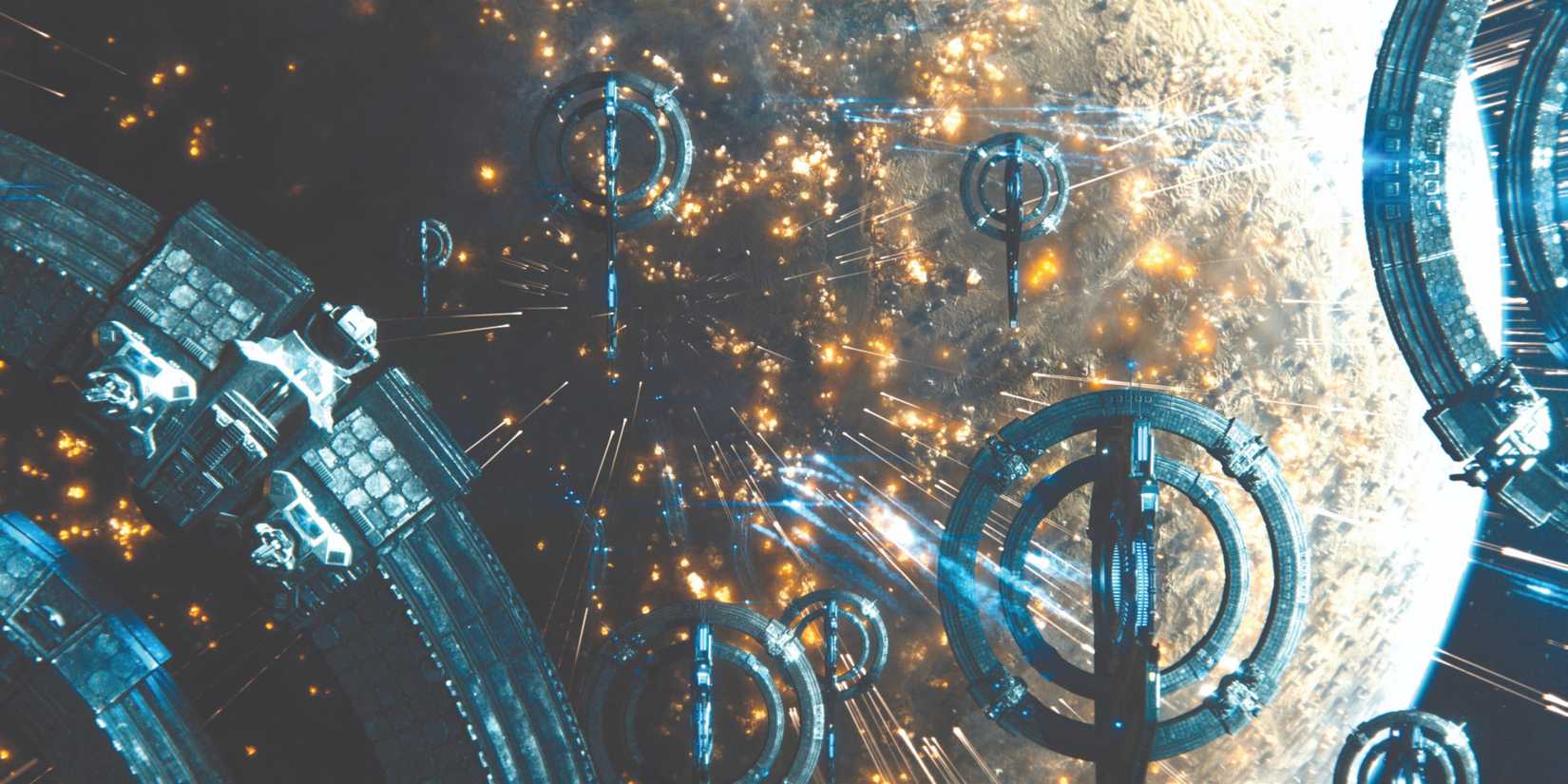
When comparing Foundation to other space operas, the visual identity is the first thing that stands out. Many genre staples, from Star Trek to Star Wars and Firefly, each have distinct tones, yet their technology often shares a familiar design language. Swap a ship between them and it wouldn’t feel jarring.
The same could even be said for The Expanse, the other TV show quietly pushing the boundaries for space operas. Its grounded, industrial spacecraft would not look out of place in most other shows and movies of the genre. There’s a shared vocabulary of metallic corridors, blinking consoles, and utilitarian flight decks that defines the genre.
Foundation takes a different path. Its ships, architecture, and costuming feel almost operatic in their grandeur. The Galactic Empire’s gleaming halls on Trantor, ruled by Lee Pace’s Brother Day, are stark, monumental, and unnervingly pristine. They don’t resemble the lived-in grime of many other franchises. They look imperial in a way that feels genuinely ancient and futuristic at once.
Even the cloned emperors - Brother Dawn (Cassian Bilton), Brother Day, and Brother Dusk (Terrence Mann) - are styled with a ritualistic uniformity that reinforces the Foundation’s themes of stagnation and control. The aesthetic is deliberate, thematic, and cohesive.
Apple TV avoids playing it safe with Foundation. The production design doesn’t lean on the familiar space opera palette of exposed wires and battle-worn hulls. Yet nothing feels absurd or out of place. Every visual choice reinforces the scale and philosophy of the story.
That balance is rare. Foundation carves out a unique identity while remaining unmistakably science fiction and unapologetically space opera. It looks like an interstellar future humanity could be heading for, but not one borrowed from anyone else.
Few Space Operas Trust The Audience Like Foundation
The Series Embraces Complexity Instead Of Explaining It Away

With the notable exception of perhaps The Expanse, most space operas lean far too heavily on exposition. Characters frequently pause to explain political systems, technologies, and cosmic stakes in meticulous detail. The audience is guided through every concept step by step.
Foundation resists that instinct. From its opening episodes, the series introduces psychohistory, galactic collapse, and centuries-spanning political structures without slowing down to over-explain them. Hari Seldon (Jared Harris) outlines his narrative-centric theory, but the show quickly moves forward, expecting viewers to keep up.
This approach could have been disastrous. Psychohistory alone, a mathematical model predicting the behavior of trillions, is a complex enough concept to overwhelm any script. Add cloning dynasties and nonlinear timelines, and Foundation being incredibly confusing for casual viewers feels inevitable.
However, showing restraint with exposition ensures that complexity becomes one of Foundation’s strengths. The series shows consequences rather than explaining mechanics. Political fractures unfold through action. Technological marvels exist without verbal instruction manuals. The audience is trusted to connect the dots.
That trust elevates the viewing experience. Rather than simplifying its most ambitious ideas, Foundation allows them to breathe. The result feels immersive instead of instructional. By refusing to trip over itself in justification, the show turns complexity into its defining advantage. It assumes its viewers are paying attention, and in doing so, rewards them with a richer, more layered narrative.
Foundation Pushes Space Opera Storytelling Boundaries
It Turns Grand Sci-Fi Concepts Into The Core Of Its Drama
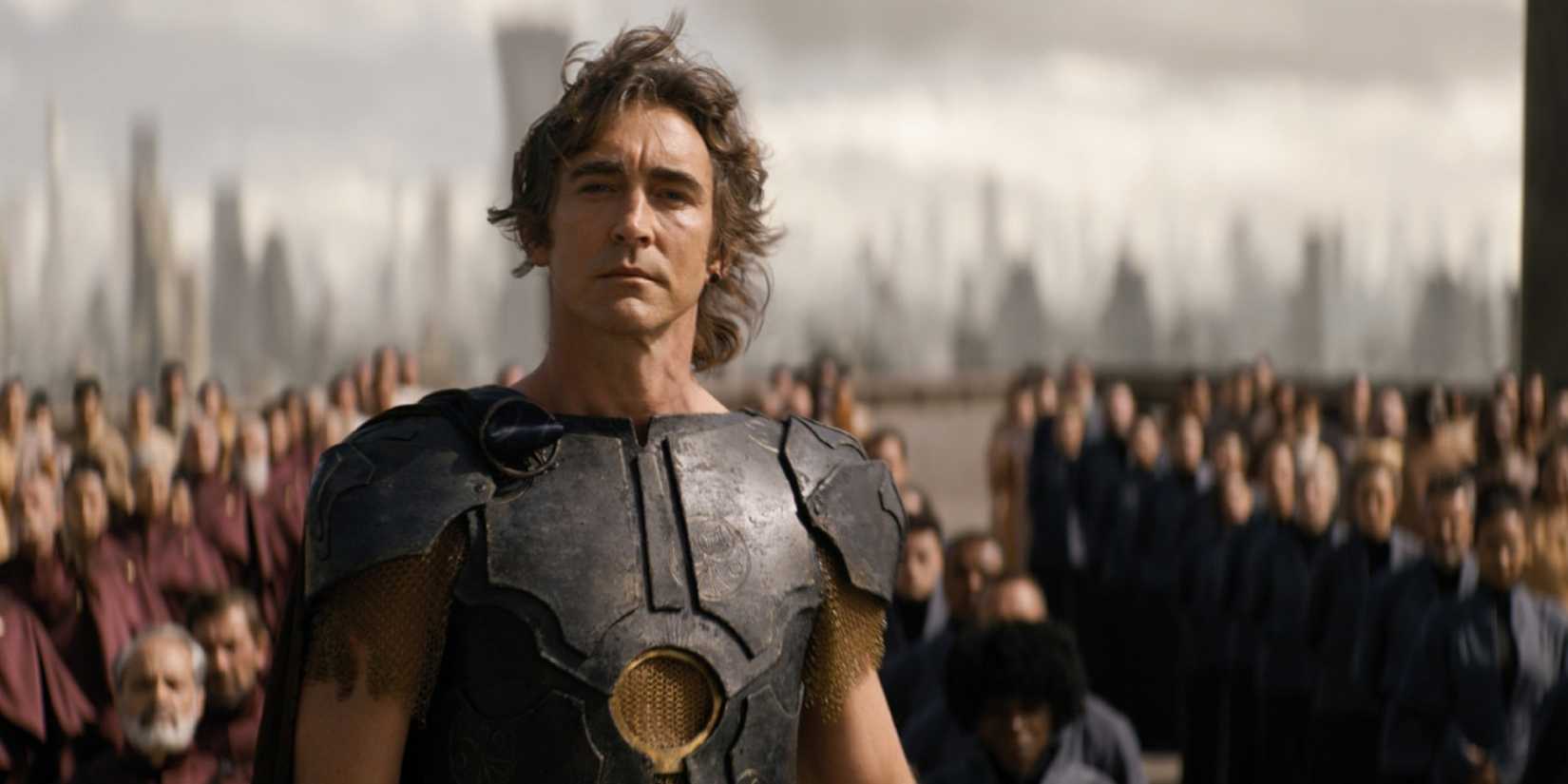
The third reason Foundation stands above its space opera peers like The Expanse is the sheer scope of its ideas. This isn’t a traditional Hero’s Journey dressed in futuristic armor. It’s a meditation on history, inevitability, and power drawn directly from Isaac Asimov’s ambitious source material.
The timeline alone stretches across generations. The Genetic Dynasty of cloned emperors forces audiences to confront questions about identity and moral responsibility. Brother Day is both an individual and a copy, raising unsettling ethical dilemmas about autonomy and stagnation.
Psychohistory, meanwhile, reframes destiny itself. Rather than focusing on one chosen hero, the series examines statistical inevitability and collective behavior. Salvor Hardin (Leah Harvey) complicates that premise, challenging the idea that individuals are irrelevant within vast historical currents.
Few space operas are willing to let intellectual exploration drive their drama. Many prioritize emotional arcs first and philosophical inquiry second. Foundation dares to reverse that balance at times. Entire storylines hinge on abstract debates about fate, governance, and control.
Yet the show never abandons emotional stakes. Gaal Dornick (Lou Llobell) grounds the theory-heavy narrative with personal conflict and doubt. The philosophical and the personal coexist rather than compete.
For decades, Asimov’s novels were deemed impossible to adapt. By embracing their complexity instead of diluting it, Foundation proved otherwise. In the process, it redefined what television space opera can aspire to be; expansive, cerebral, and unapologetically ambitious.
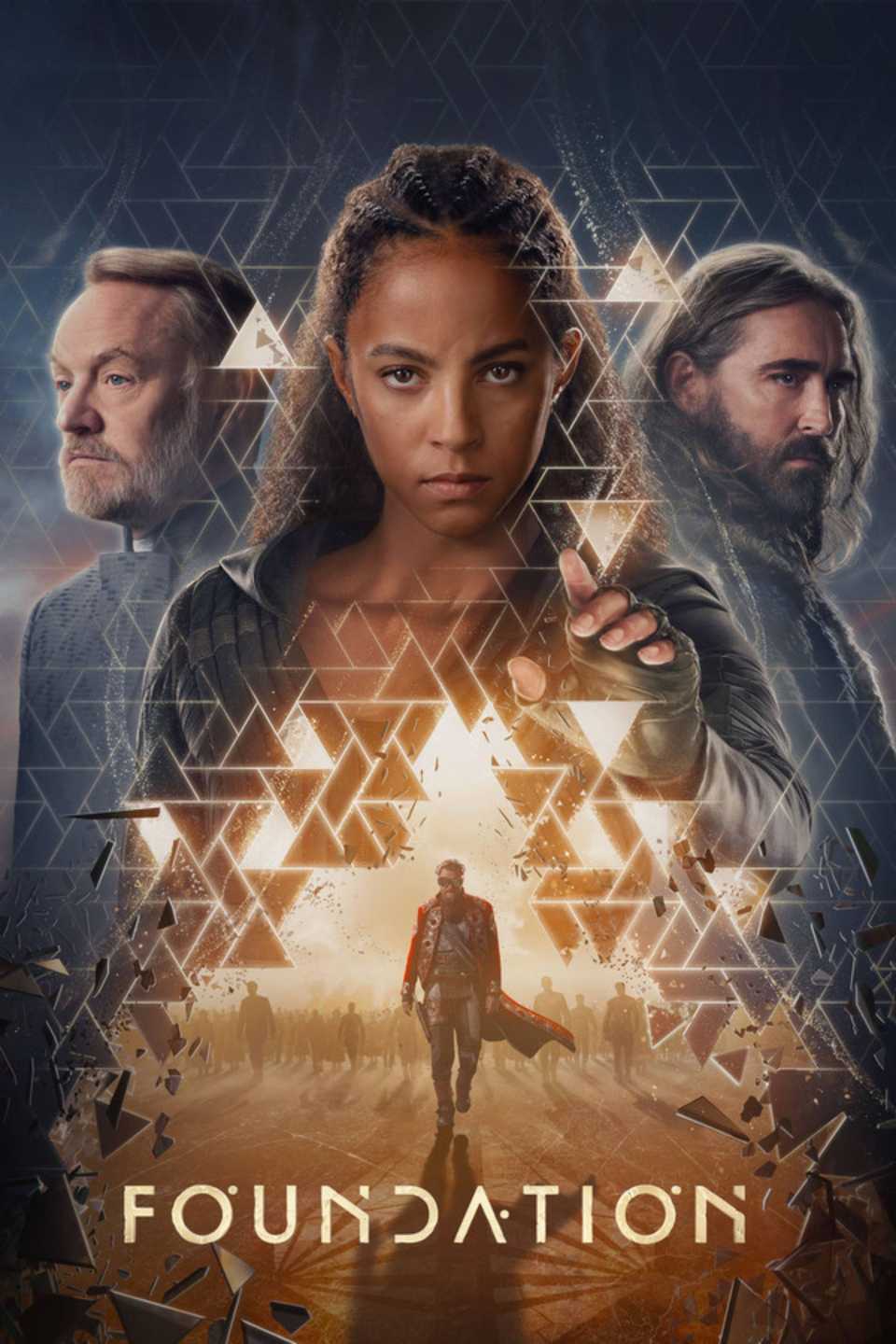
Release Date September 23, 2021
Network Apple TV+
Showrunner David S. Goyer
Directors Alex Graves, Roxann Dawson, Jennifer Phang, Mark Tonderai, Andrew Bernstein
Writers Jane Espenson, Leigh Dana Jackson, Liz Phang, Eric Carrasco, David Kob, Addie Manis, Marcus Gardley, Lauren Bello, Olivia Purnell



 English (US) ·