AnyPS5 project reaches critical GPU milestone in race to enable running PS5 games natively on PC
3 hours ago
8
(Image credit: Tom's Hardware)
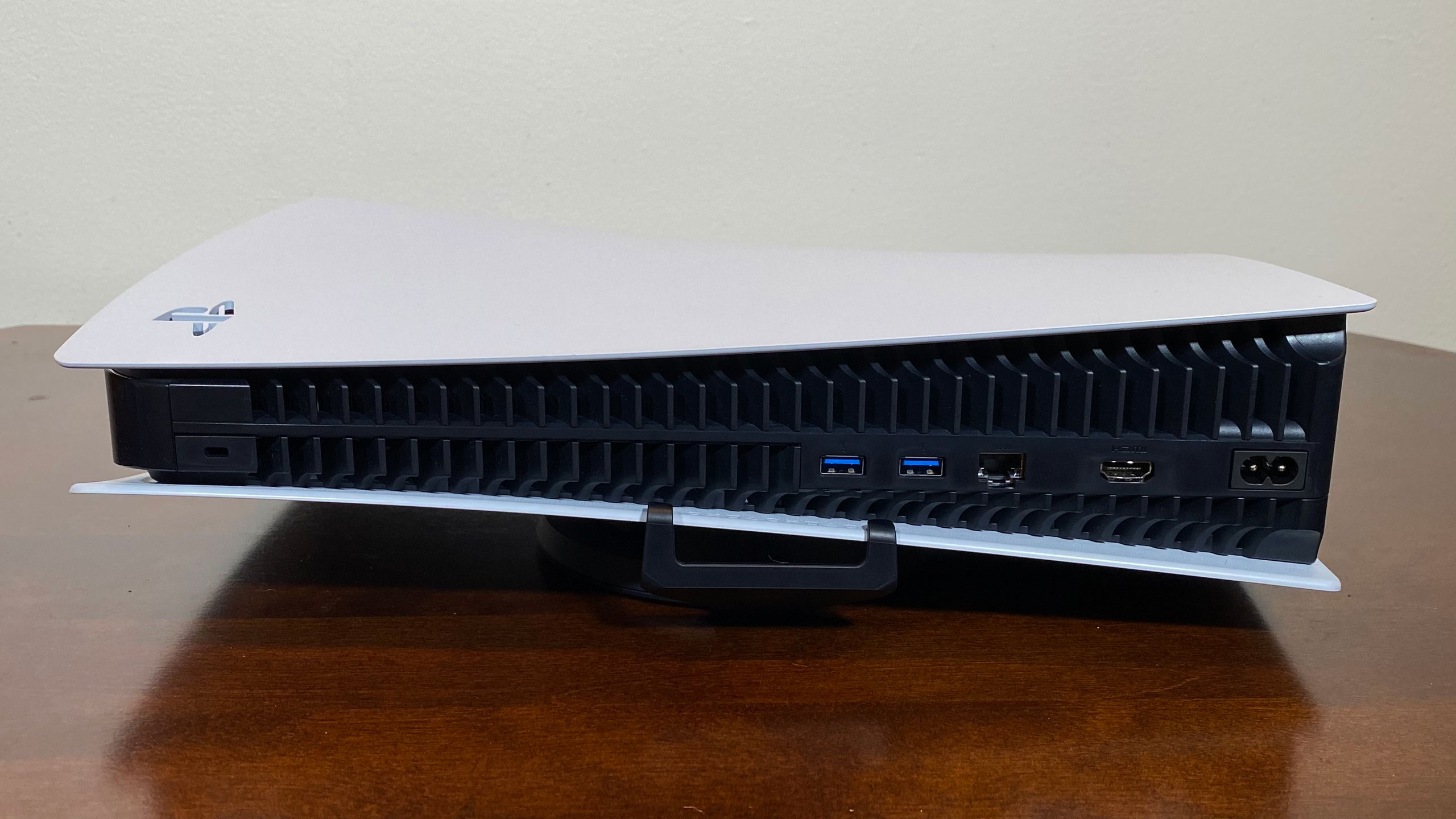
The open-source AnyPS5 project has reached 100% GPU shader instruction coverage, a significant milestone in its effort to run PlayStation 5 games natively on Windows and Linux PCs. The project's live progress tracker now lists all 1,166 instructions in its tracked AMD RDNA 1 and RDNA 2 instruction set as implemented. There's a fairly important asterisk attached to that number, though: it doesn't mean the PS5's GPU is fully supported, much less that PS5 games are ready to run on your PC.
The distinction is in how AnyPS5 defines "implemented." In this case, it means the project's shader decoder recognizes an instruction. That's an essential first step, but it doesn't necessarily mean every instruction is implemented in translation to SPIR-V, never mind a guarantee that the instruction's behavior is correct in every situation, that every GPU feature is supported, or that a game's shaders will render properly. Consider the network libraries: libSceHttp is reported at 95% implementation, but the technical-debt document explicitly states that no HTTP request reaches the network in the current implementation.
If you're confused about AnyPS5, let me break it down for you. The most accurate starting point is "native porting through binary transformation and API reimplementation," rather than conventional PS5 emulation. AnyPS5 takes an existing PS5 executable (in standard ELF format, like Linux) and relinks it into a native x86-64 Linux ELF or Windows PE executable. It doesn't need the game's original source code, and it doesn't rebuild the game from scratch; instead, it adapts the existing machine code and supplies native replacements for the PS5 system libraries the game expects to find.
The line gets blurrier when we reach the GPU. PS5 games use Sony's proprietary AGC graphics interface and AMD RDNA-specific shader instructions instead of the standard graphics APIs and shader formats familiar to PC developers. AnyPS5 reimplements the necessary graphics behavior and translates RDNA shader programs into SPIR-V for execution through Vulkan. That's translation, reimplementation, and arguably some emulation of hardware behavior at different levels, but it's not a conventional emulator recreating an entire virtual PS5 and running the game inside it. The CPU code can generally execute directly on a compatible x86-64 host, though AnyPS5 also provides a "--to-intel" option to convert supported AMD-only instructions for Intel processors.
There's plenty left to do beyond shader decoding. The project's tracker reports 84.69% implementation across 2,578 of the 3,044 system-library functions currently declared in its codebase. That figure doesn't represent every function in the PS5's firmware, nor does it guarantee that each implemented function behaves exactly as it does on the console. Graphics state, texture formats, synchronization, memory management, audio, and other system services must also work correctly for an entire game to run.
(Image credit: Asteristic Game Studio)
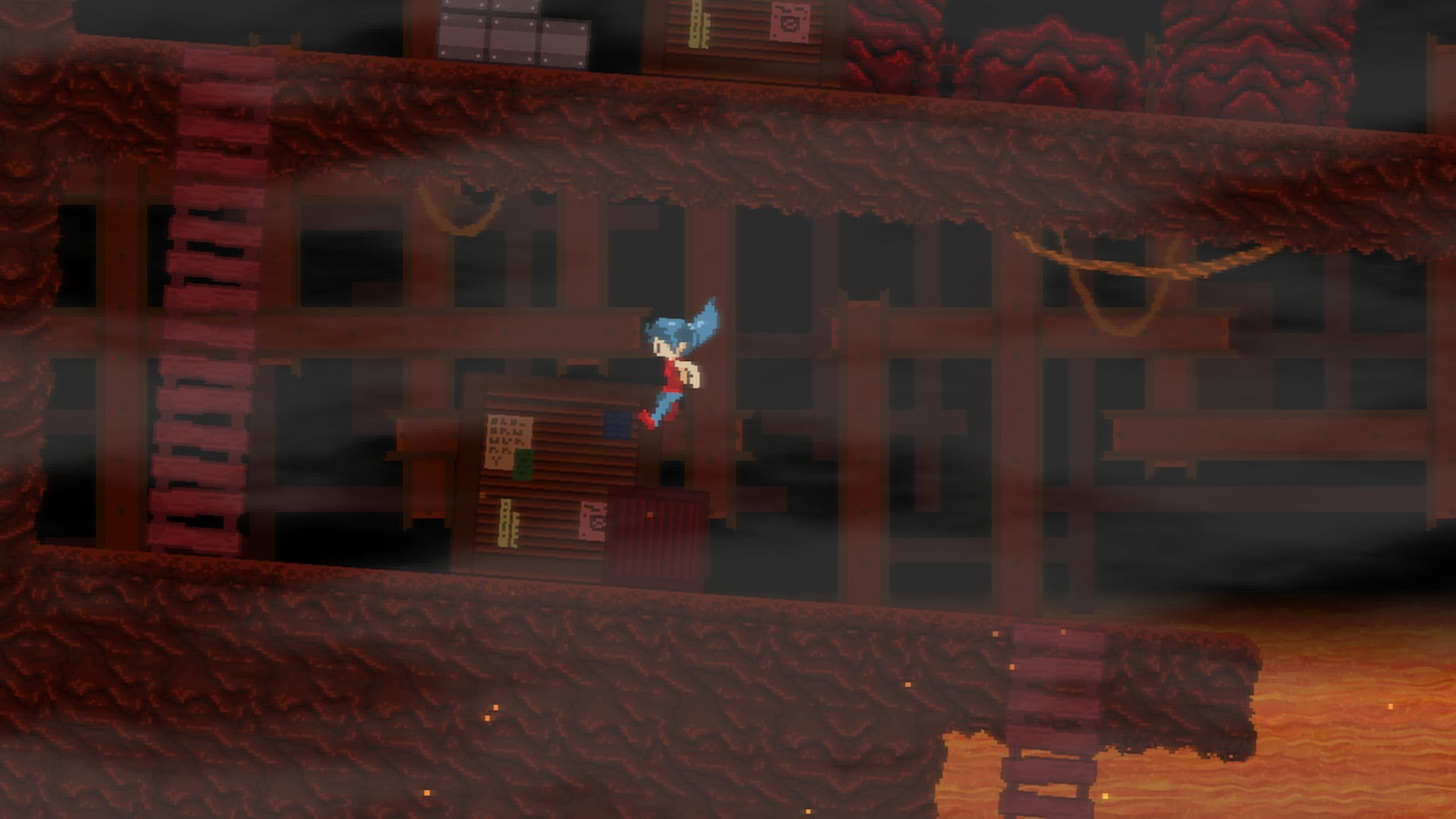
The project's official compatibility list currently identifies Dreaming Sarah, a charming but technically very simple 2D platformer, as its single verified playable title. Developers are making progress with more demanding games (including the recent Ghost of Yotei), but experimental bring-up reports still document substantial rendering, stability, and performance problems. Reaching a game's intro or rendering its first 3D scene is real progress; obviously, it isn't the same thing as playing through the game.
There's also no retail-disc-to-desktop shortcut here. AnyPS5's documented workflow starts with an already-extracted game ELF, its associated modules and resources, and a properly built set of host-side compatibility libraries. It isn't a disc-ripping or decryption tool, so you're going to have to figure out how to extract the game ELF and resources yourself.
Get Tom's Hardware's best news and in-depth reviews, straight to your inbox.
Hardware requirements will vary by game, but memory headroom is a big concern: on Windows, the project warns that a title may request up to 13,824 MB (13.5 GB) of direct memory, with the full allocation charged against the system's commit limit immediately. That's not a universal free-RAM requirement, but it does mean that this isn't something to try on any old PC with 16GB of RAM and a small page file.
To be clear, none of this should be taken to mean I'm not gobsmacked by the achievement. Recognizing every instruction in the project's tracked RDNA list is a critical step toward broader compatibility, and the work now being done to translate those instructions and reproduce the surrounding GPU behavior is precisely what makes the project interesting. There's real work by humans going on here, too; the project counts over 100 human contributors besides the expected assistance from Claude (and potentially other assistants not credited directly on GitHub).
The more likely long-term outcome of AnyPS5 isn't a universal PS5 emulator where you insert a disc and press "play," but a powerful framework for unofficial native PC ports of individual games. There's a tricky legal tangle to work out there, though, and there's also still a tremendous amount of work between today's milestone and that future, but progress on the project is rapid. It may well be the case that we end up playing the PS5 version of GTA VI on PC before Rockstar drops an official PC release.
Zak is a freelance contributor to Tom's Hardware with decades of PC benchmarking experience who has also written for HotHardware and The Tech Report. A modern-day Renaissance man, he may not be an expert on anything, but he knows just a little about nearly everything.

 3 hours ago
8
3 hours ago
8





 English (US) ·