
The Nightmare on Elm Street franchise delivered dozens of terrifying nightmares, though with varying degrees of success. Few horror franchises are as defined by their central gimmick as A Nightmare on Elm Street. The idea of Freddy Krueger attacking victims in their dreams opened the door to limitless creativity. But not all dream sequences were created equally.
Across the franchise, Freddy evolves from a shadowy, almost mythical presence into a full-blown showman, and that shift has a direct impact on how scary the nightmares actually feel. Early entries lean into atmosphere and unpredictability, while later films often prioritize spectacle, humor, and elaborate set pieces.
That doesn’t mean the later movies aren’t entertaining – they absolutely are. Yet when it comes to pure nightmare fuel, some entries stand out far more than others. From genuinely unsettling dream logic to outright cartoonish chaos, here’s how the franchise ranks based on just how scary Freddy’s nightmares really are.
Freddy's Dead: The Final Nightmare (1991)
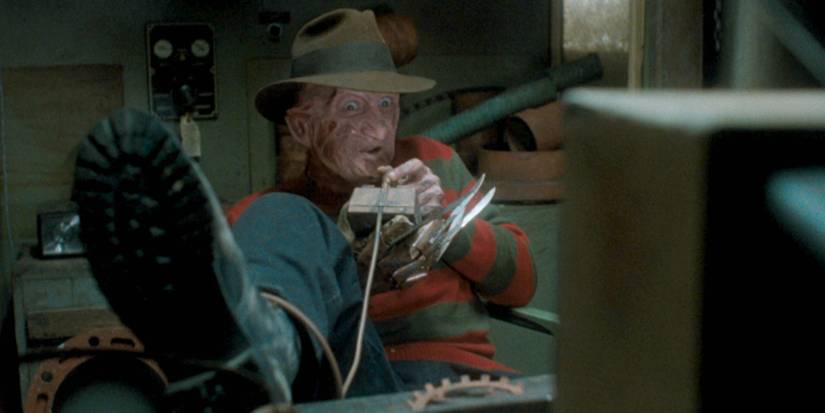
By the time Freddy’s Dead: The Final Nightmare rolled around, the franchise had fully embraced comedy, and the nightmares reflect that shift. Instead of dread, the dream sequeunnces feel like extended punchlines, often built around exaggerated gags rather than genuine fear.

Related
Freddy Krueger's 10 Funniest Quotes In A Nightmare On Elm Street
Freddy Krueger’s funniest quotes blend horror and humor, turning his kills into iconic moments with razor-sharp one-liners fans still love today.
Scenes like the video game-inspired death are creative, but they play more like Looney Tunes sketches than horror. Freddy leans heavily into one-liners, constantly undercutting any tension before it has a chance to build. Even the film’s more imaginative ideas are presented with such a wink to the audience that they never feel threatening.
Freddy's Dead also dedicated substantial time to experimenting with early 3D, which largely fell flat. There are still flashes of creativity, but they’re buried under a tone that prioritizes novelty over horror. As a result, this entry easily ranks as the least scary when it comes to nightmare sequences.
A Nightmare On Elm Street 5: The Dream Child (1989)
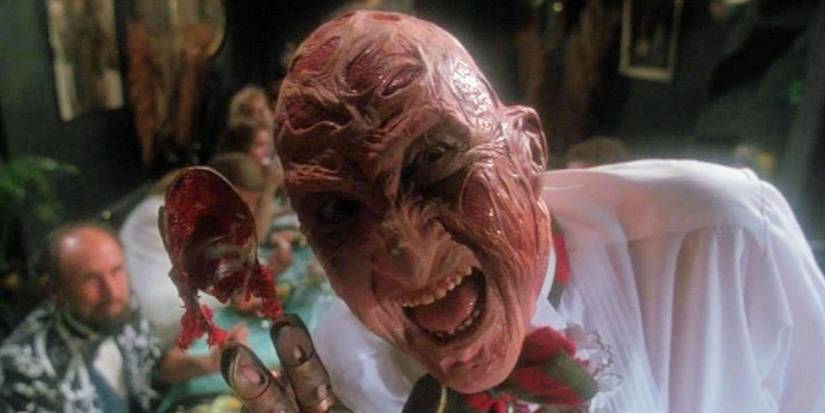
The Dream Child introduces some genuinely unsettling concepts, particularly the idea that Freddy can manipulate dreams through an unborn child. On paper, that’s nightmare fuel. In execution, it’s far less effective.
Dream Child’s biggest issue is its inconsistent tone. Some sequences aim for gothic horror, while others feel oddly cartoonish, creating a disconnect that weakens the overall impact. Moments like the comic book-inspired death are visually inventive but lack the tension needed to make them truly frightening.
There are glimpses of something darker here, especially in the more surreal, body-horror-leaning imagery. However, those ideas never fully come together, leaving the nightmares in Dream Child feeling more confusing than terrifying.
A Nightmare On Elm Street 4: The Dream Master (1988)
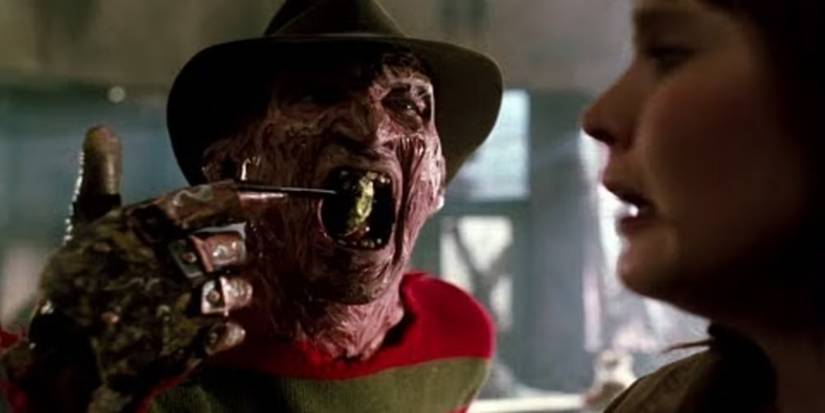
The Dream Master is one of the franchise’s most visually inventive entries, but that creativity often comes at the expense of fear. The nightmares are elaborate, stylized set pieces that prioritize spectacle over suspense.
Nightmares like the infamous cockroach transformation are undeniably memorable, but they play more like grotesque visual showcases than genuinely scary moments. Freddy is now firmly in wisecracking mode, delivering jokes that constantly interrupt the tension.
That shift in tone makes the film incredibly entertaining, but less effective as horror. The dream logic is still there, and the imagery is often striking, but the sense of unpredictability that defined earlier films has been replaced with a more controlled, almost playful approach.
Freddy Vs. Jason (2003)
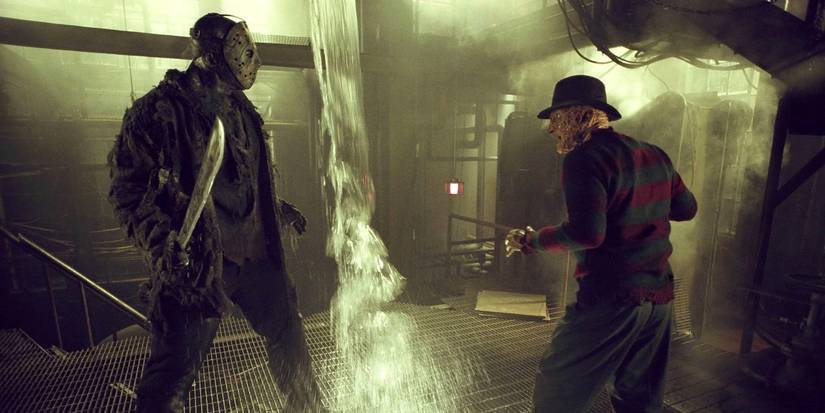
Freddy vs. Jason brings a slick, early-2000s polish to the franchise, and the dream sequences certainly look the part. There’s a strong sense of atmosphere, with darker visuals and a more serious tone compared to the later Elm Street sequels.
That said, the nightmares themselves are a bit hit-and-miss. Some ideas feel underdeveloped, leaning more on style than substance. However, the infamous bathtub scene involving Mark stands out as a highlight, delivering a genuinely creepy concept with a lot of style.
Overall, Freddy vs. Jason is more focused on the crossover spectacle than pure horror. It’s fun, visually engaging, and occasionally unsettling. However, when it comes to truly scary nightmares, it doesn’t quite reach the heights of the franchise’s best entries.
A Nightmare On Elm Street (2010)
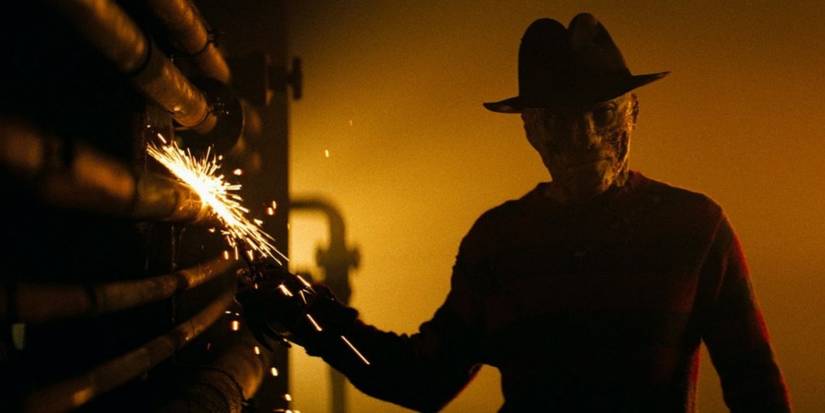
The remake of A Nightmare on Elm Street may not work as a film, but its nightmares are surprisingly effective on a purely visual level. Modern effects allow for smoother transitions between dream and reality, creating a polished, almost hypnotic quality that the original films couldn’t achieve at the time.
However, many of these are reworked versions of ideas from the 1984 classic, which makes them less impactful. Audiences have essentially seen these nightmares before, just with a higher budget. That familiarity undercuts the fear.
There’s also the absence of Robert Englund, whose performance added so much personality and menace to the originals. With him in the role, these updated visuals might have elevated the Nightmare on Elm Street reboot significantly. As it stands, the nightmares impress, but rarely truly unsettle.
Wes Craven's New Nightmare (1994)
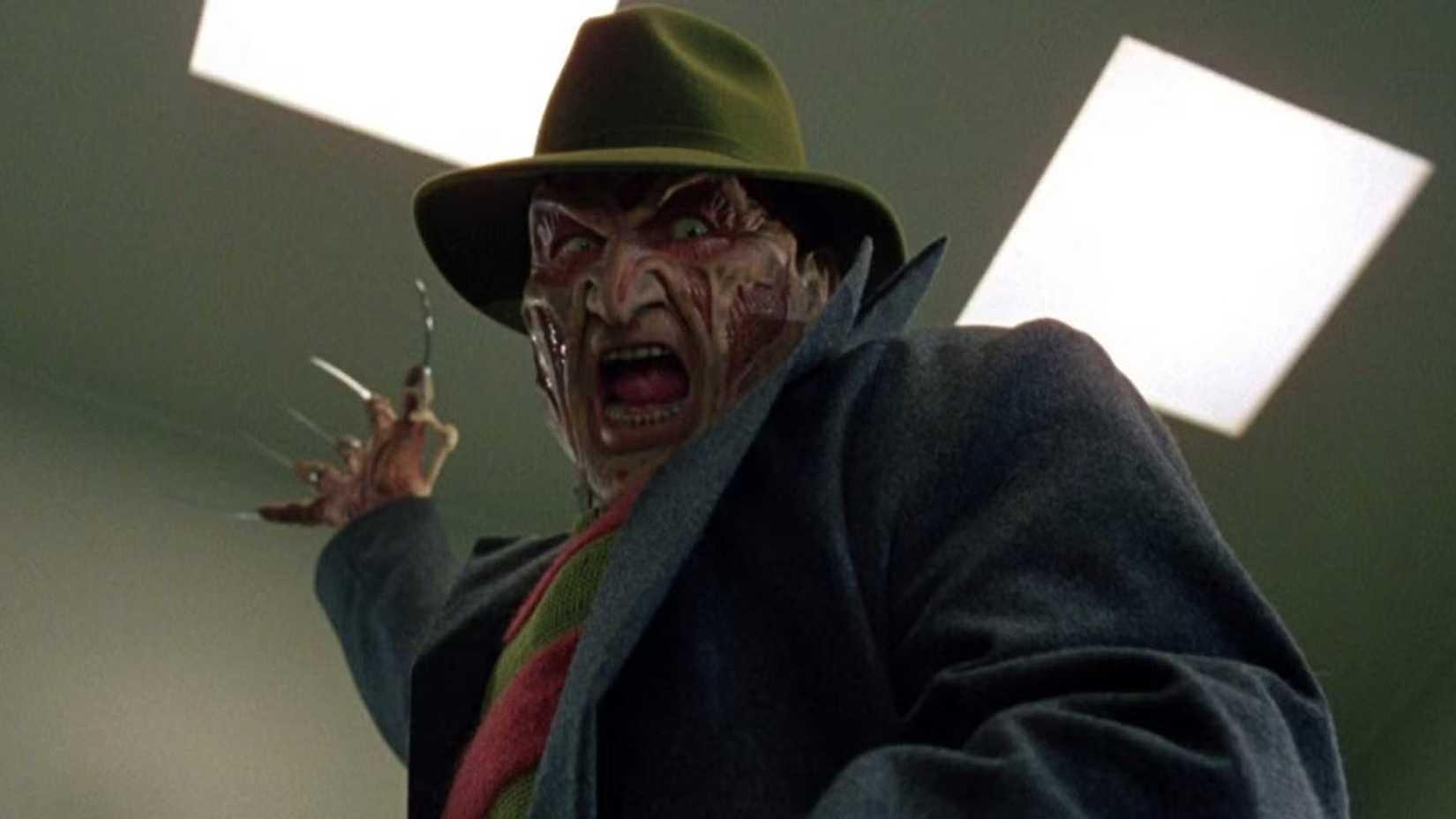
Wes Craven’s New Nightmare takes a radically different approach, grounding its horror in a meta, real-world setting. Freddy is reimagined as something more ancient and sinister, and that shift makes the nightmare sequences feel far more threatening.
Rather than relying on elaborate dream logic, the film blurs the line between fiction and reality, creating a constant sense of unease. When nightmare imagery does appear, it feels more intrusive and less predictable, adding to the tension.
There’s a restraint here that works in the film’s favor. Freddy is less of a performer and more of a presence, which makes his appearances genuinely unsettling. New Nightmare is a quieter kind of horror, but one that lingers, proving that less can often be far more effective.
A Nightmare On Elm Street 2: Freddy's Revenge (1985)
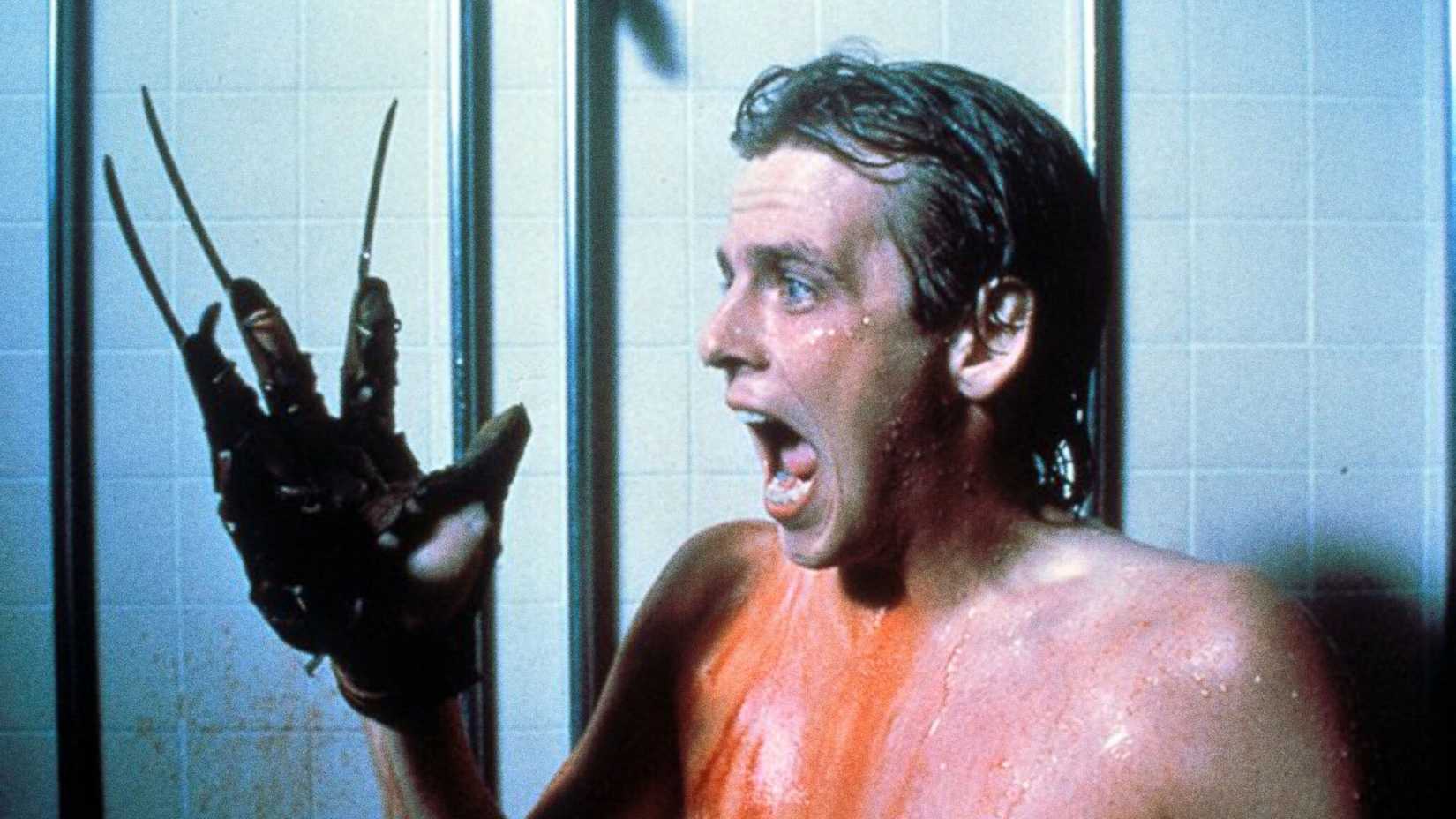
Freddy’s Revenge is often seen as one of the weaker entries overall, but its approach to nightmares is undeniably effective. Instead of leaning into elaborate dreamscapes, the film focuses on something far more unsettling: the loss of control.

Related
10 Horror Movies That Don't Have A Single Bad Scene
From Bride of Frankenstein to Sinners, these horror classics deliver nonstop tension, proving great scares don’t need a single wasted scene.
Freddy’s influence bleeds into the real world, with the protagonist losing his grip on reality before literally turning into Freddy. The horror becomes internal, rooted in transformation and possession rather than spectacle.
The shower scene and the final transformation are undeniably creepy, even if the final rampage at the pool party undermines the entire movie. Freddy's Revenge is messy, but it’s also genuinely disturbing, making the nightmares feel more invasive than ever.
A Nightmare On Elm Street 3: Dream Warriors (1987)
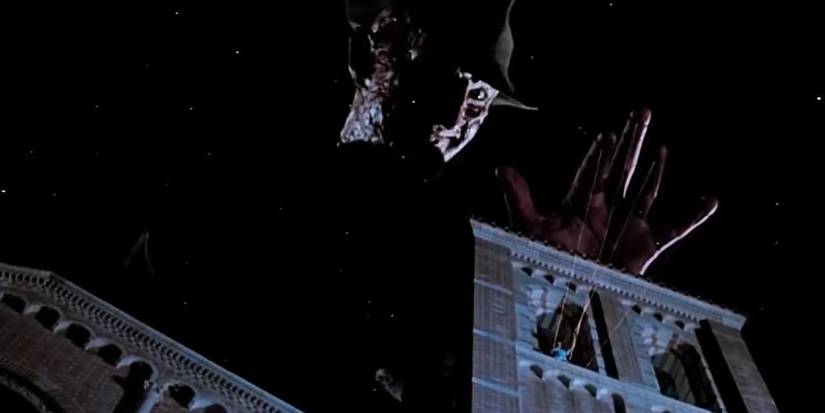
Dream Warriors strikes the perfect balance between creativity and fear, offering some of the franchise’s most imaginative nightmares without sacrificing tension. This is where the series fully embraces personalized dream horror, tailoring each sequence to a character’s deepest fears.
The puppet strings scene and the television deaths are the standouts, turning a simple idea into something deeply disturbing, both visually and psychologically. Freddy is more talkative here, but his humor doesn’t completely overpower the horror, instead adding a cruel edge to his interactions.
What makes these nightmares so effective is how personal they feel. Each victim’s vulnerability is weaponized, making the scares hit harder. Dream Warriors is inventive, unsettling, and still rooted in genuine dread.
A Nightmare On Elm Street (1984)
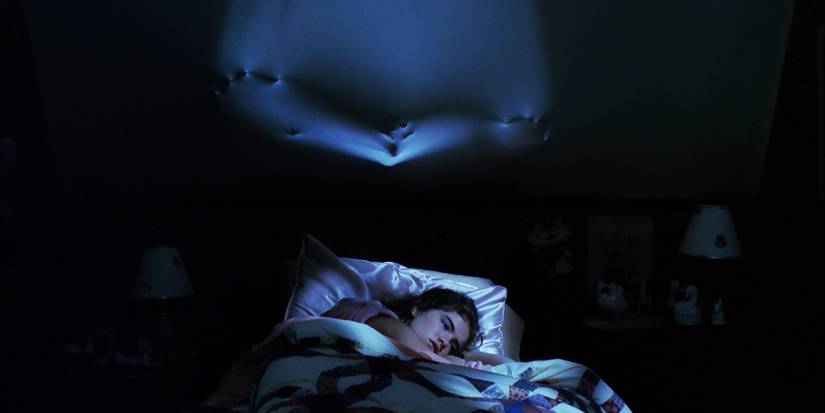
The original A Nightmare on Elm Street remains the scariest because of how grounded and believable its nightmares feel. Wes Craven keeps the dream sequences just close enough to reality that they become deeply unsettling.
Simple ideas like Tina being dragged across the ceiling or Nancy falling asleep in a bathtub are executed with uncanny precision. There’s no excess, no over-explanation, just pure nightmare logic that feels disturbingly plausible. The image of Freddy pushing through the wall above the sleeping Nancy is especially unsettling.
Freddy himself is at his most terrifying here. Less talkative and more mysterious, he feels like an unstoppable force rather than a performer. That restraint, combined with A Nightmare on Elm Street’s eerie atmosphere, creates a level of fear the sequels rarely match, making it the clear number one.

First Episode Air Date October 8, 1988





 English (US) ·