
 3 weeks ago
84
3 weeks ago
84
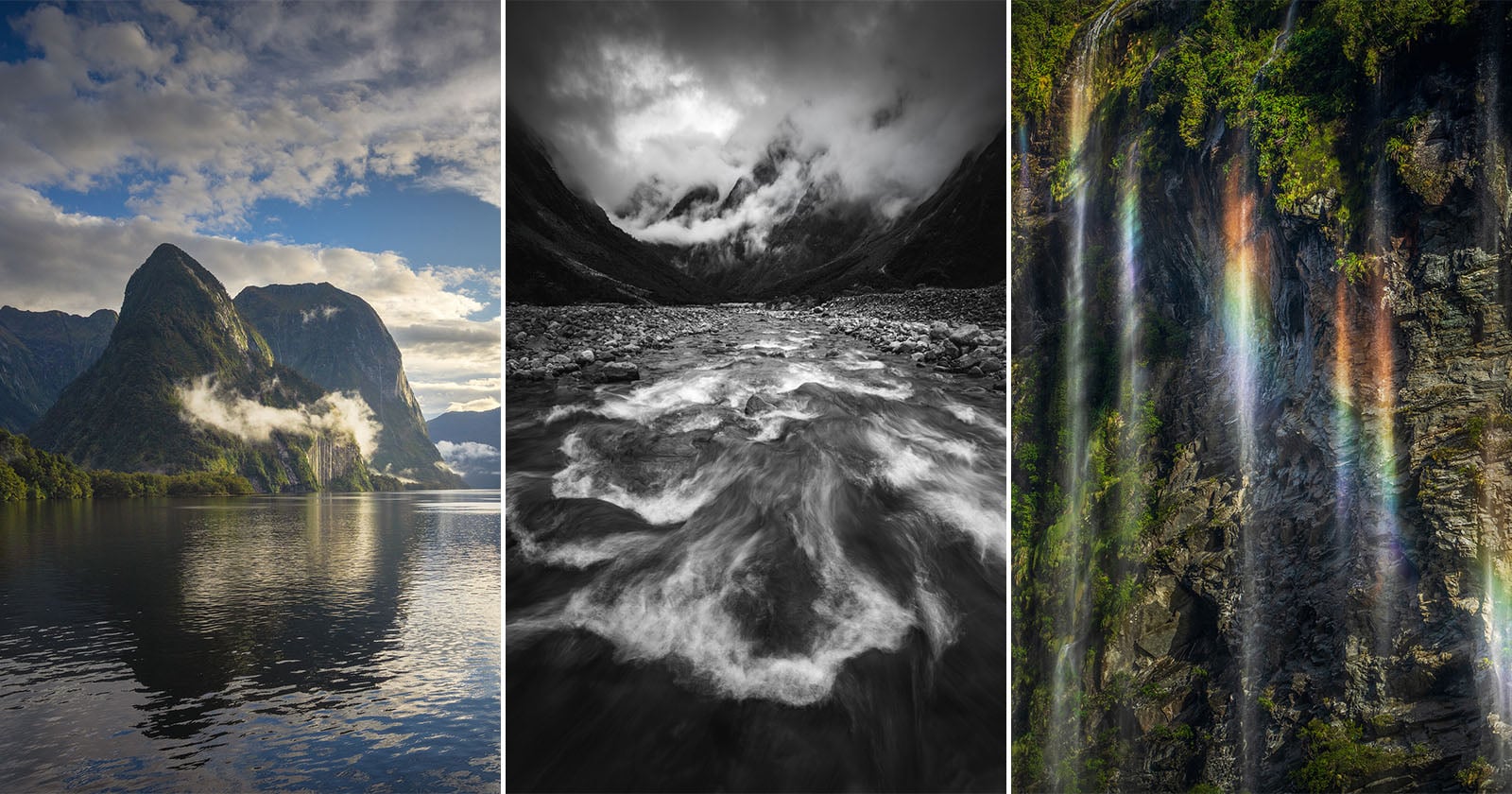
Feeling creatively stuck is one of the most common problems in photography, and the advice to "pick a genre and stick to it" might be making it worse. Rick Bebbington spent years labeling himself a landscape photographer, and by his own account, that label kept him stalled for a long time.
Coming to you from Rick Bebbington, this candid and wide-ranging video traces a two-year shift that took Bebbington from landscape work to something he now calls environmental documentary photography. He breaks down what actually drove the change, starting with a trip to Antarctica where the shots that excited him most had nothing to do with ice or wildlife. He'd taken his Fujifilm X100V along primarily to document the journey itself, and what came back were images from airports, layovers, and in-between moments that he now values more than anything he shot at the destination. He calls these "the moments in between," and the concept becomes a throughline for everything that follows.
One of the more honest threads running through the video is Bebbington's account of confidence, or the lack of it. Street photography had always intrigued him, but early attempts went nowhere because he didn't have the nerve to point a camera at strangers. That started to shift after time spent with street photographer Justine, who shares her own candid take on the anxiety that comes with photographing people in public. Spending time with other photographers, including Fujifilm X100VI shooter Roman Fox on his second Antarctica trip, kept pushing him further. Bebbington is clear that confidence didn't come from praise or outside validation. It came from forming his own opinion of his work, and from simply shooting more.
Gear comes up as a practical part of the story too. His Sony a7R V is capable but big and slow to be discreet with. His X100VI has missed focus at critical moments and been slow to wake from sleep. He recently picked up a Ricoh GR IIIx, which he says deserves its own video. There's a lot more in the video about how Bebbington actually shoots now, how he approaches editing, the four things he says every strong image needs, and what he took from conversations with photographers like Adam Gibbs and James Popsys. He also gets into how carrying a camera almost everywhere for the past two and a half years has changed what he notices and how quickly he responds to it. Check out the video above for the full rundown from Bebbington.

 English (US) ·