
Each of these books is considered to be practically unfilmable, but why? Let's look at the histories of novels like Slaughterhouse-Five author Kurt Vonnegut's Sirens of Titan, No Country for Old Men writer Cormac McCarthy's Blood Meridian, and more iconic works of American literature, movie versions of each of which have been stuck in developmental hell since its publication.
The novels listed here all offer something intangible that it seems a movie just can't touch. That doesn't mean Hollywood hasn't tried plenty of times, though.
Below, we'll get into the failed attempts to bring these books to life, as well as exploring what has kept them from getting off the ground.
At The Mountains Of Madness
Written By H.P. Lovecraft; Published In 1936

H.P. Lovecraft is one of the foundations of modern horror, but as much as traces of his work are all over 20th and 21st-century scary movies, his bibliography itself remains woefully underrepresented on celluloid. That is, except for the Re-Animator films and their thematic cousin, From Beyond, and a few other scarce examples. One of his novellas in particular, At the Mountains of Madness, has been in developmental hell for decades.
Related
Mike Flanagan’s New Lovecraft Movie Is The Perfect Step Forward After His 8-Part Netflix Masterpiece
Mike Flanagan is all set to helm his most Lovecraftian movie, and it is hard not to see it as his perfect step forward after his 8-part Netflix show.
Director Guillermo del Toro has attempted off-and-on to make Madness going as far back as 2010. In 2021, del Toro suggested he might do it as an animated, or even stop-motion feature. However, during the press tour for Frankenstein, del Toro revealed work on the Lovecraft adaptation is once again dead in its tracks.
The thing about Lovecraft is that he writes about unfathomable evil in such a way that no on-screen depiction could live up to it. Creatures inspired by Lovecraft are one thing; the Hellboy franchises notably borrows liberally from Lovecraftian ideas. But to actually capture the scope of the author's "Old Gods" on camera is another matter, and by Hollywood's estimation, it can't, or shouldn't be done.
Catcher In The Rye
Written By J.D. Salinger; Published In 1951
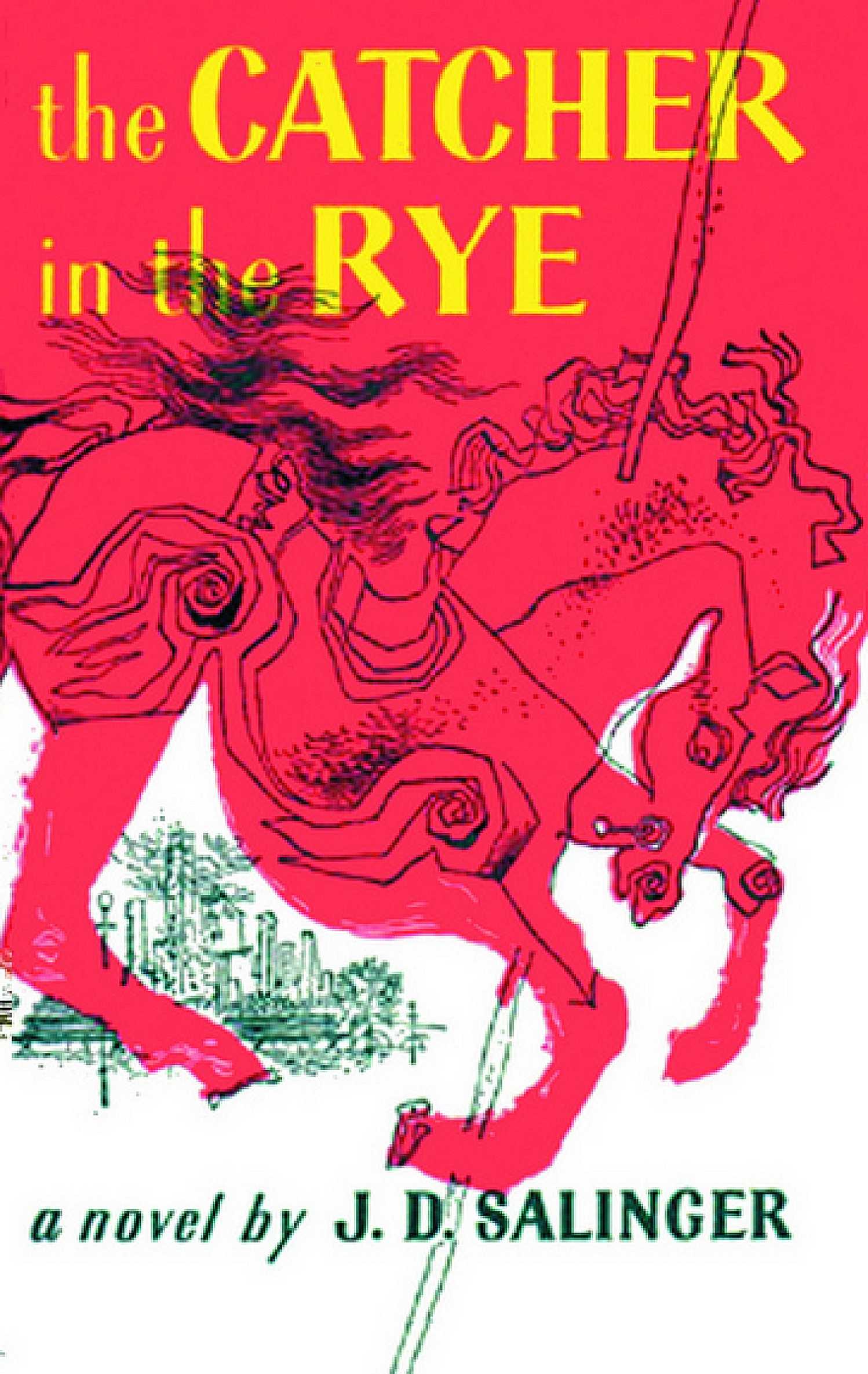
The Catcher in the Rye is in the running for the ultimate "forced to read in high school" book along with Great Gatsby, Romeo & Juliet, and a few other select classics. It's one of those books you really should try to read again as an adult, because you'll come away with a completely different understanding of what author J.D. Salinger was trying to do.
And, it doesn't seem like a movie version is coming anytime soon. Catcher in the Rye turns 75 this year. Major Hollywood players in every era since have at least kicked the tires on adapting Catcher, including directors like Billy Wilder and Steven Spielberg. Salinger himself blocked several attempts, and personally believed his protagonist Holden Caulfield's interiority and POV couldn't be reproduced on screen.
Though the book remains revered as a literary opus, time isn't on its side when it comes to translating to film. The movie still has something timeless to say about coming of age, but the question is whether a period-accurate adaptation would hold contemporary viewers attention, or whether the essence of Holden Caulfield could be captured in a modern teenage equivalent.
The Sirens Of Titan
Written By Kurt Vonnegut; Published In 1959
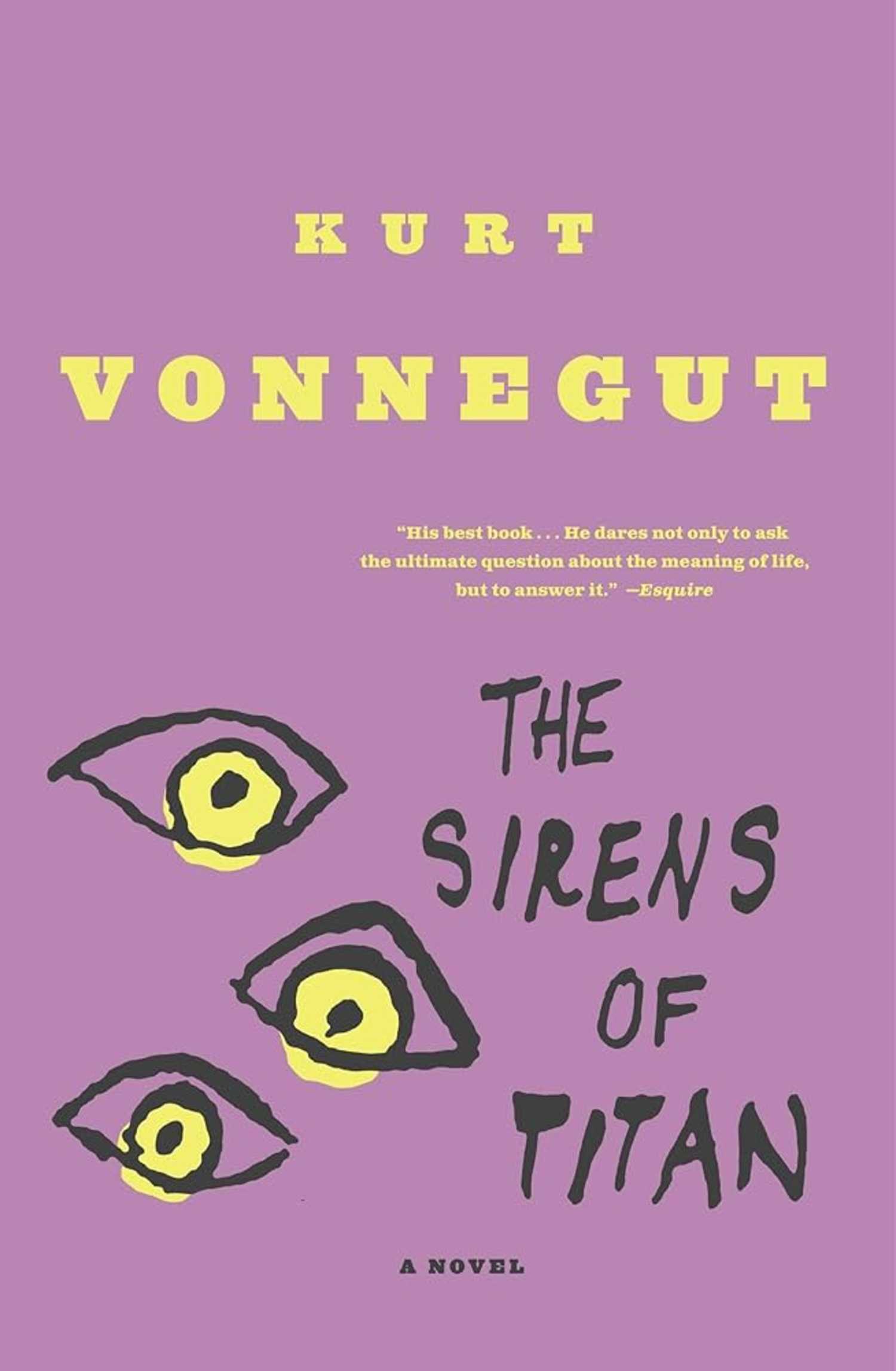
In 2017, it was reported that Community creator, and Rick & Morty co-creator, Dan Harmon was working to bring The Sirens of Titan to television. A decade later, that series never happened. Kurt Vonnegut's second-ever novel has still not been brought to the screen. But there is an even earlier attempt than Harmon's that would make for a great movie in its own right.
In the early 1980s, Vonnegut sold Sirens' movie rights to Grateful Dead guitarist Jerry Garcia, who spent several years working on a script for the project. The adaptation never got farther than that, and after Garcia passed away in 1995, the rights were eventually sold to filmmaker Robert B. Weide, who had previously adapted Vonnegut's Mother Night. Weide's version also never materialized, though in 2021 he did release a Vonnegut documentary he'd been working on for decades, Unstuck in Time.
After Weide, screenwriter James V. Hart reportedly secured Vonnegut's approval on a Sirens of Titan script draft shortly before the author's death in 2007, but it never went into production. Fast-forward a decade to Harmon's unsuccessful attempt, and now, nine years later, here we are, still with no movie version of the beloved novel.
The Crying Of Lot 49
Written By Thomas Pynchon; Published In 1966
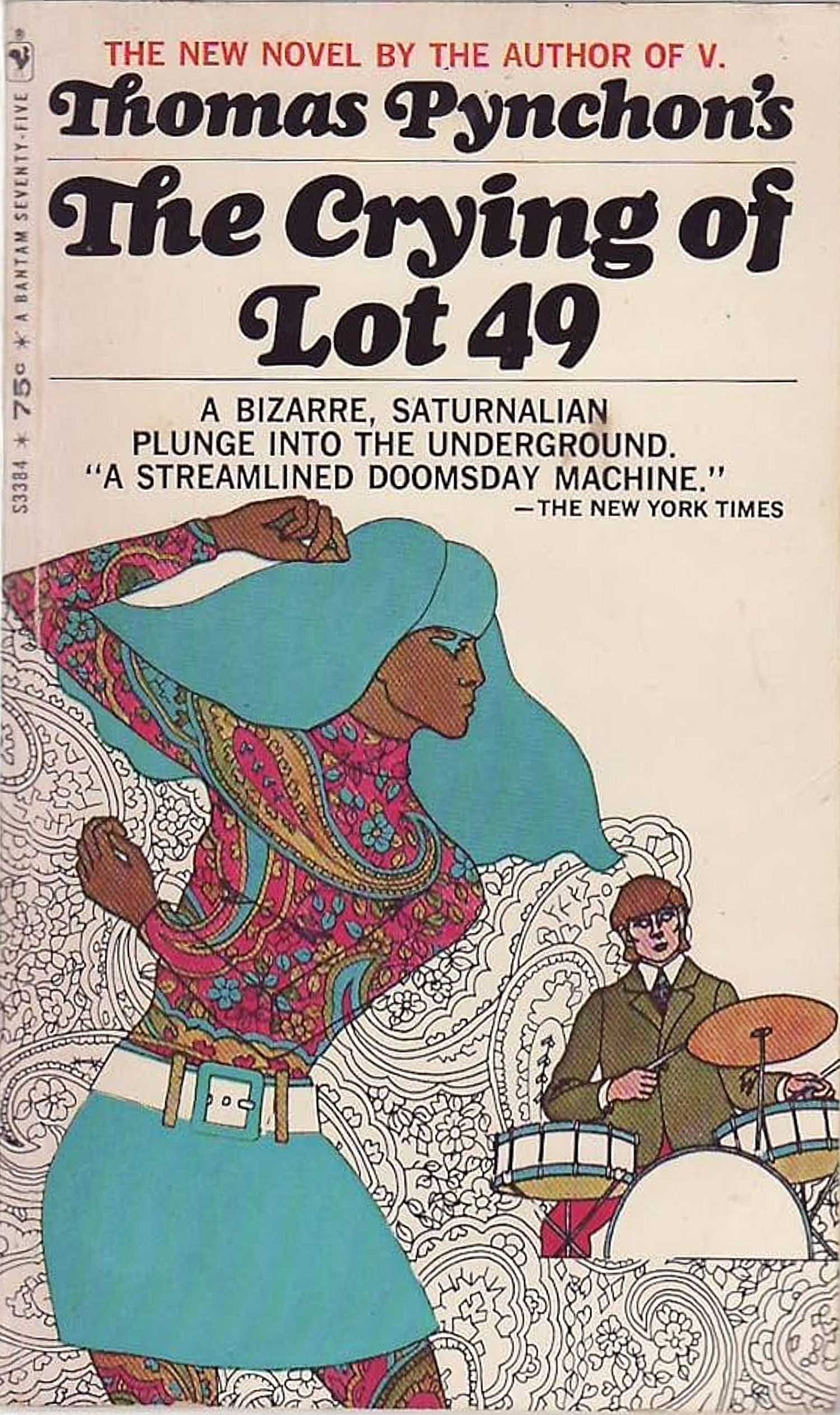
The work of Thomas Pynchon in general is widely considered to be unfilmable, to the point where only one filmmaker has really been willing, or been allowed, to try. Paul Thomas Anderson adapted Pynchon's later-career, surprisingly conventional novel Inherent Vice in 2014; his 2025 Best Picture winner One Battle After Another is loosely based on Pynchon's Vineland.
But Pynchon's best work, like his 1963 debut V., or 1973 masterpiece Gravity's Rainbow, remain "white whales" for Hollywood. Published in between the two in 1966, his novella The Crying of Lot 49 is perhaps the one entry in his ouvre that should have made it to the screen by now, but has struggled to.

Related
How To Decode The Secret Language In One Battle After Another
One Battle After Another is many things all at once, and the secret buried in its clever use of language is how it all holds together so well.
Just like "Lovecraftian" has become shorthand for a certain type of supernatural horror, "Pynchonian" describes a strain of paranoid satire which Lot 49 is the perfect distillation of. In other words, the novella is concentrated Pynchon; its characters and plot might be transposed to the screen, but if the book's energy isn't retained, any adaptation will fall flat.
A Confederacy Of Dunces
Written By John Kennedy Toole; Published In 1980
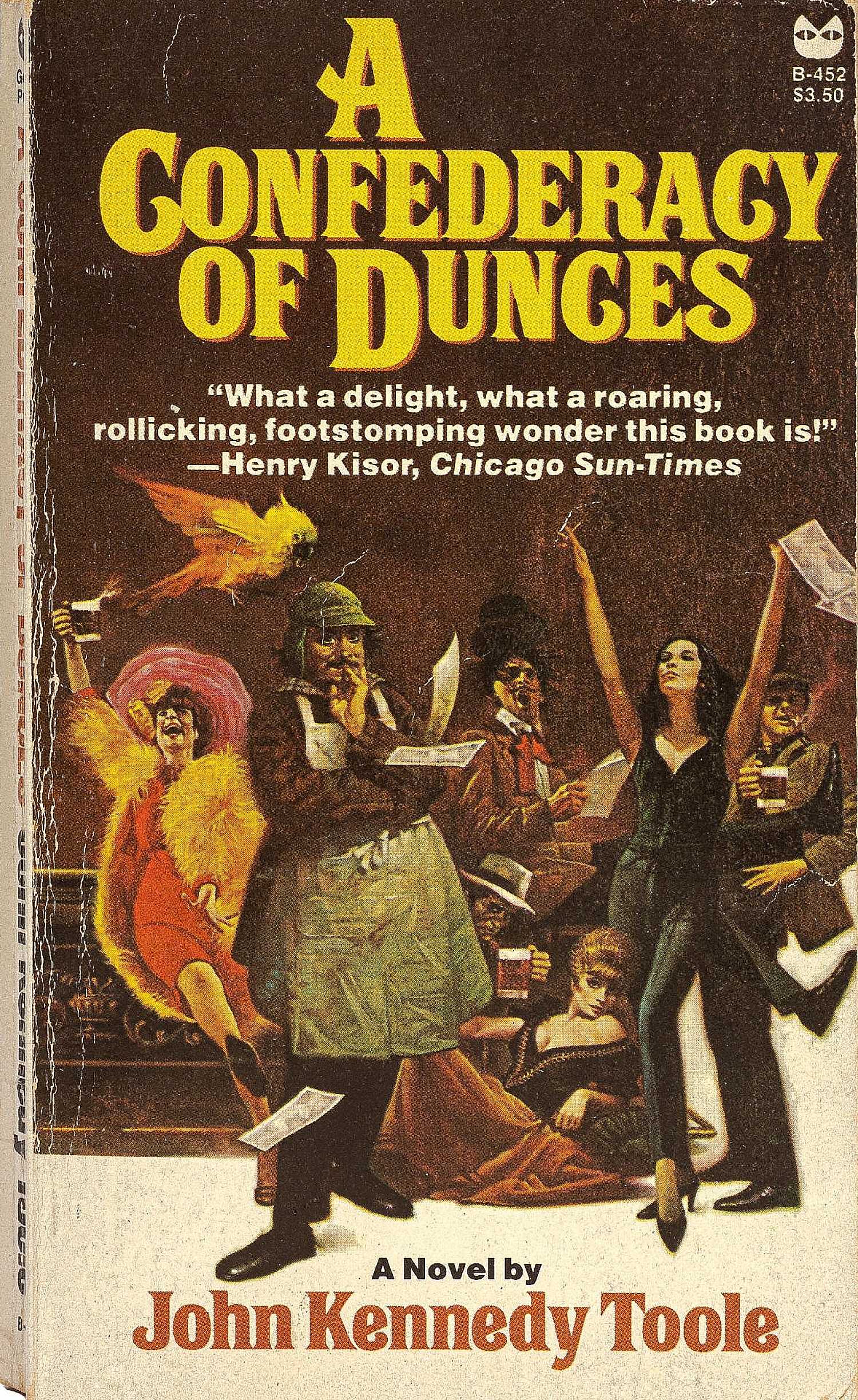
A Confederacy of Dunces is a beloved text, one of two Pulitzer-Prize winners listed here. The novel has a tragic backstory itself; author John Kennedy Toole wrote the novel throughout the 1960s, before taking his own life in 1969. The manuscript languished untouched for years, until his mother rediscovered it and worked tirelessly to get it published. And when it was, it posthumously won literature's most widely recognized award.
In the 45 years since, plenty of notable Hollywood names have been attached to an adaptation. Just to name a few: actor John Belushi, actor John Candy, actor John Goodman, director John Waters (something about this book attracts Johns, apparently), director Steven Soderbergh, actor Will Farrell, writer Stephen Fry, and more.
Most recently, the curiously-titled film Nirvanna the Band the Show the Movie started out as an adaptation of Confederacy of Dunces. What appears on screen is not related to Dunces at all. Director Matt Johnson only salvaged a potential disaster by turning it into something completely different, perhaps definitively proving Toole's book isn't meant to be made into a movie.
Blood Meridian
Written By Cormac McCarthy; Published In 1985
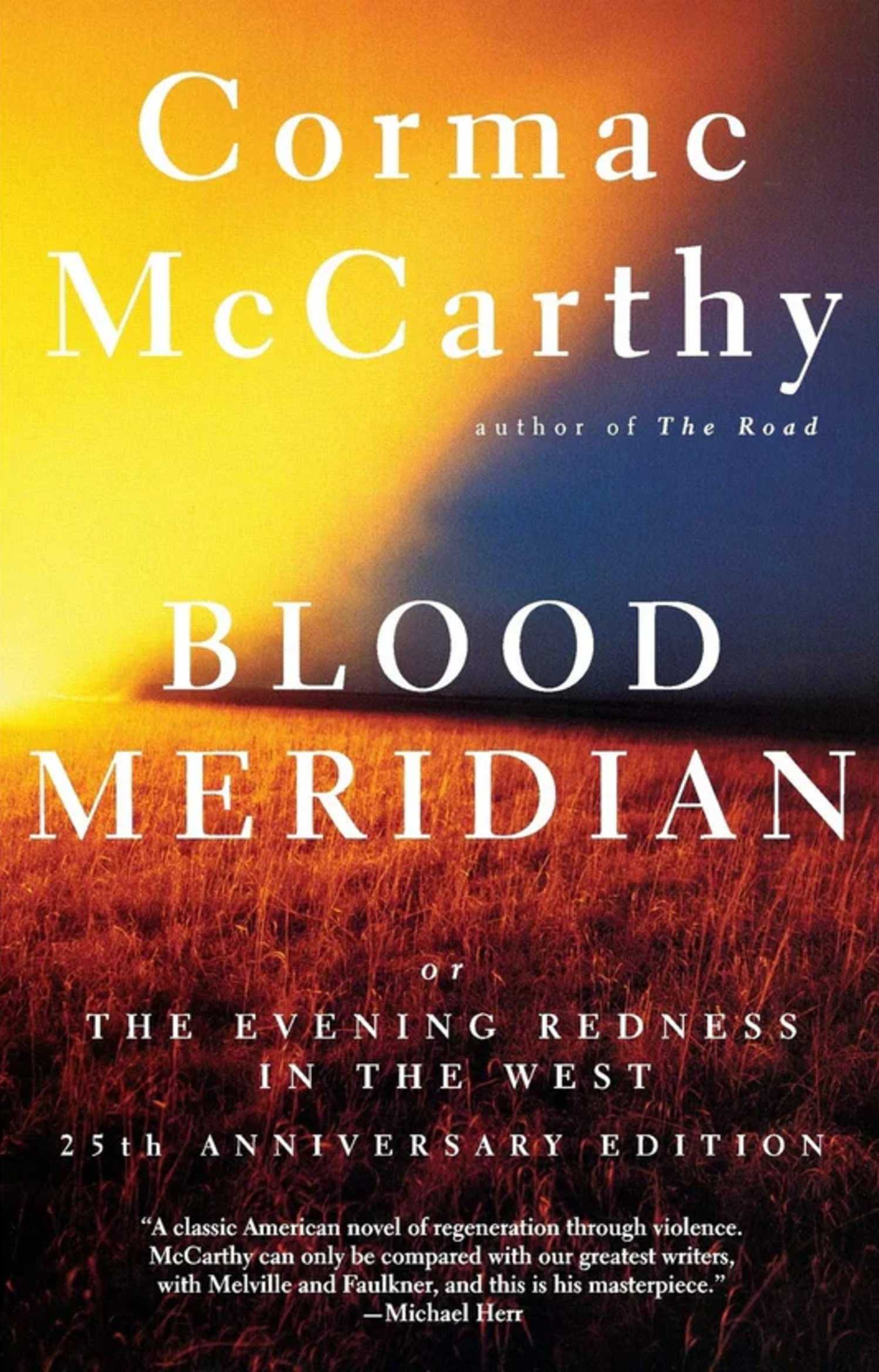
This is the big one. The movie everyone wants to see, but nobody has been able to make. Cormac McCarthy's Blood Meridian: Or, An Evening Redness in the West is a stunning literary achievement. On the page, it is a delicate high-wire act combining lyrically gorgeous prose with downright disturbing violent imagery. The concern with an adaptation is that it would retain the violence, but lose the beauty.
Blood Meridian is also an intensely philosophical book. The character of Judge Holden is one of the scariest in literary history, but also one of the smartest. He's also unspeakably vile in ways Hollywood isn't eager to explore, and rightfully so. The book's "protagonist," meanwhile, and we use that term loosely, is an unnamed "kid" who transforms into a cold-blooded killer.

Related
The Iconic American Novel That Still Hasn't Received A Movie, Despite 4 Attempts
Cormac McCarthy's iconic novel Blood Meridian is one of the greatest works of American literature ever, but has somehow evaded a film adaptation.
Everyone in Blood Meridian is coldblooded, and cruel. It's a harsh look at the human condition under the guise of what's often called an "anti-Western." It doubles down on the most horrifying aspects of the genre, while also turning it into a gross over-the-top spectacle. What makes Blood Meridian truly great is McCarthy's use of language, something a film can never fully live up tp.
House Of Leaves
Written By Mark Z. Danielewski; Published In 2000
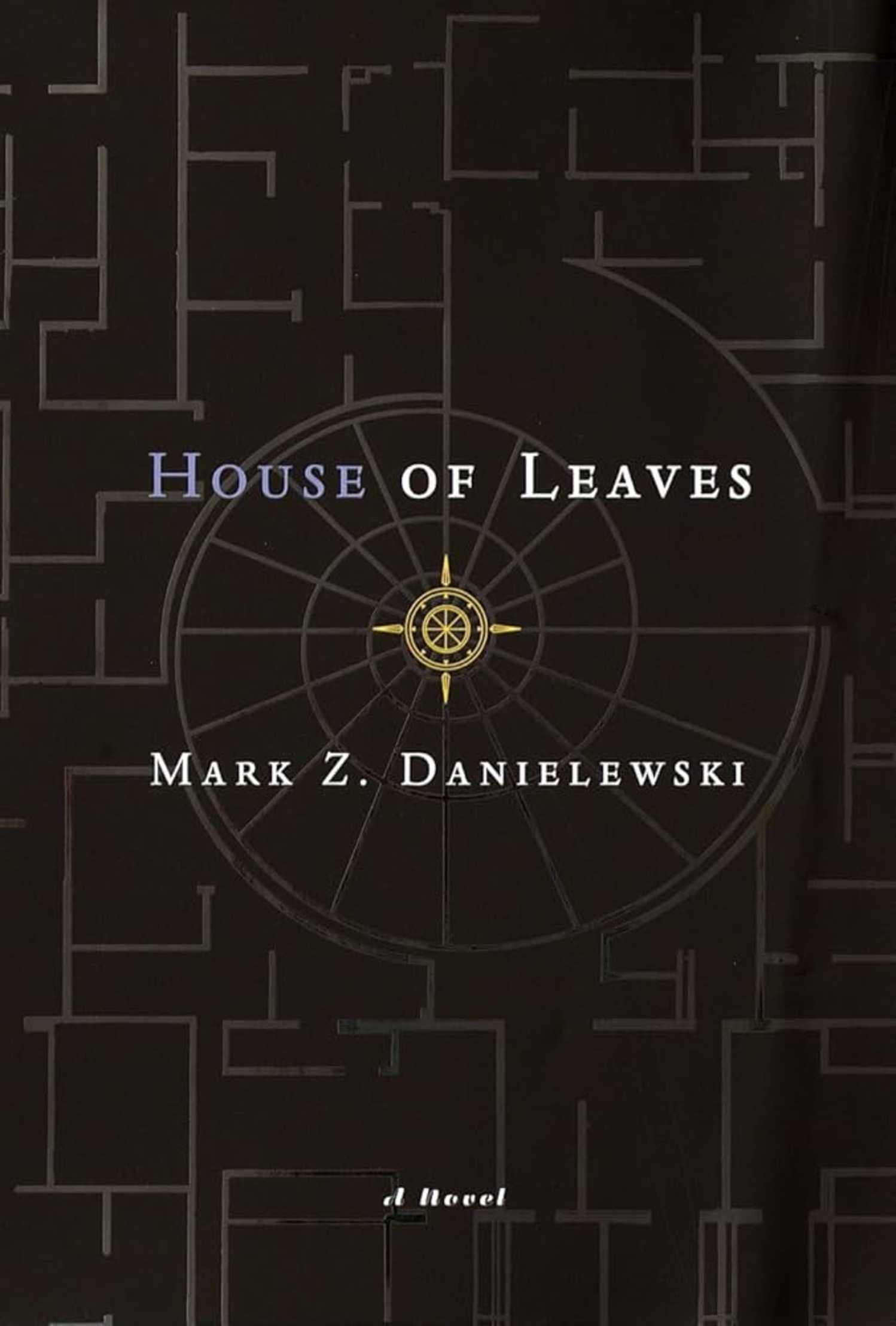
House of Leaves is a little bit Lovecraftian, and a little bit Pynchonian. It's a metafictional horror novel about a scholarly work about a documentary film about an unconventional "haunted" house. House of Leaves is best known for its structural inventiveness; critics tend to harp on it for being style over substance, but there's enough style that you'd think Hollywood would be eager to turn it into a movie or TV show.
Well, there have been attempts, but nothing substantial has ever moved forward. House of Leaves is a book with many centers, and it seems no screenwriter or filmmaker has been able to truly put their finger on where the story starts, or where it ends, or what it make of its central mysteries on screen.
The rise of Prestige TV as a longform alternative, or appendage to cinema has theoretically made a House of Leaves adaptation more feasible, but in 2026 it still remains on the baord as one of the most notable dawn-of-the-millennium works of literature that has eluded being turned into a big budget Hollywood project.
The Amazing Adventures Of Kavalier & Clay
Written By Michael Chabon; Published In 2000

Our other Pulitzer Prize winner, The Amazing Adventures of Kavalier & Clay, is a generational story which mirrors the history of the comic book industry. Its protagonists are stand-ins for Superman creators Jerry Siegel and Joe Shuster, while also drawing inspiration from real life figures like Jack Kirby, Stan Lee, Bob Kane, Bill Finger, and more.
Author Michael Chabon adapted his own novel into a screenplay in the early aughts, but production stalled and no movie ever came out. In 2011, there was talk of a TV miniseries, and in 2019, Chabon signed a deal for a new attempt, this time as a Showtime ongoing series. However, Kavalier & Clay has gotten no further traction since then.
It's a marvelous novel, with a sweeping view of modern American history through the lens of popular culture. There have been movies like Kavalier & Clay produced in the last 26 years, which makes it even more curious that someone like Steven Spielberg hasn't stepped into make this movie a reality over the past several decades.
We want to hear from you, book lovers. What other "unfilmable" novels should we cover next?





 English (US) ·