

Published May 2, 2026, 6:00 PM EDT
Casey Duby is an avid TV writer, watcher, and reviewer. She graduated from Emerson College in 2021 with a focus in Writing for Film and Television, where she wrote several pilots and watched countless more. She's been working in television ever since.
Casey loves thoughtful content that makes her ponder our world and the people in it, and she's learned that any genre can surprise her. With favorites in every genre from horror to politics, family to action, nothing is off limits.
Casey has experience working in TV development, as well as writing both narrative and host-driven shows. Currently working as a Writer in Los Angeles, with an AMC A-List membership to boot, she is always hunting for the next good story and great theme song.
For many years, the topic of artificial intelligence was little more than fuel for futuristic sci-fi stories. From The X-Files episode "Ghost in the Machine," in which Mulder and Scully faced off with a killer computer, to The Good Place's Janet, a whimsical, robotic presence in the afterlife, television has depicted no shortage of perspectives on the subject of computerized sentience.
Today, though, AI-generated conversations, photos, and videos are a reality. A technology that had long been open for creative speculation now has a real-world point of comparison. The advancements rendered many then-futuristic stories, like "Ghost in the Machine," dated. Some stories, though, have become even more impactful as they speak to the emotional reality people are now experiencing firsthand.
Others still depict a reality that is still on the horizon but is coming into sharper real-world focus. Victor, the seemingly sentient robot, and Robert House's computer-uploaded consciousness make Fallout feel, at times, more akin to a cautionary dystopia than a fantastical piece of pure science fiction.
Artificial intelligence is a reality, but these meaningful shows about AI have aged with grace and confirm that there is still more than one way to tackle the topical subject.
Humans
2015-2018
 Credit: Channel 4
On the surface, Humans had a classic, almost overdone premise. The idea of "synths," sentient humanoid robots who enter society, has been explored in depth across franchises from The Terminator to the Fallout video games. Yet with its focus on emotion and social impact, Humans felt fresh and meaningful. The show wasn't a mystery or a thriller, but a character and societal study.
Characters, humans and synths alike, fully expressed their thoughts and feelings. They voiced their concerns and fears, turning the show into a thought exercise. Humans wasn't a labyrinth of clues in a shrouded world, and this boldly proved that its characters and setting gave viewers more than enough to reflect on as they were, without some overarching mystery to maintain intrigue.
Humans' sprawling ensemble also allowed the show to thoroughly explore the ramifications of its world and the varying, often conflicting perspectives it evoked. From Niska, the synth who resents humans, to Mattie, the human who resents synths, to Leo, the isolated part-synth child, Humans left no stone unturned.
Terminator: The Sarah Connor Chronicles
2008-2009

The TV sequel to Terminator 2 packed a punch. It had exciting fight and action sequences and a complex time travel plot, but it maintained its emotional core through it all. As a whole, The Terminator put a compelling spin on time travel, depicting a world in which the future, and, in turn, the past can actually be changed.
This hugely raised the stakes of the story and opened up the show's world, but in a way, time's malleability reinforced its certainty. In Terminator 2: Judgment Day, Sarah and John seemed to have thwarted the impending nuclear war on humans to be launched by the AI computer system Skynet. Yet the beginning of The Sarah Connor Chronicles reveals that they had only delayed the seemingly inevitable.
 Related
The most pleasant surprise in The Terminator movies was its unexpected emotional authenticity amidst its action and lore-heavy plot. The Sarah Connor Chronicles continued to humanize its Terminators, making its world more nuanced than a simple story of good guys and bad guys.
Battlestar Galactica
2004-2009

There is perhaps no better example of humans being doomed by their own creation than Battlestar Galactica's Cylons. The show's big picture depicted humans as underdogs in the vastness of space, but its authentic, multidimensional, and flawed characters highlighted the human missteps that put them in this position.
The Cylons' massive attacks on the Colonies of Kobol, and the way the remaining humans reeled from it evoked undeniable comparisons to real-world acts of terror. However, the man-made nature of the Cylons offered a new perspective, forcing an awareness that the event did not exist in a vacuum and was rather the result of a long and nuanced history.
Of course, like The Terminator's Terminators and Humans' synths, the Cylons weren't one-note robots. Some became allies to Battlestar Galactica's humans, who had an endearing earnestness and humble desire to survive. Together, they gave an emotional context to Battlestar Galactica's intergalactic war, creating a story that was human in the best way.
Black Mirror
2011-Present
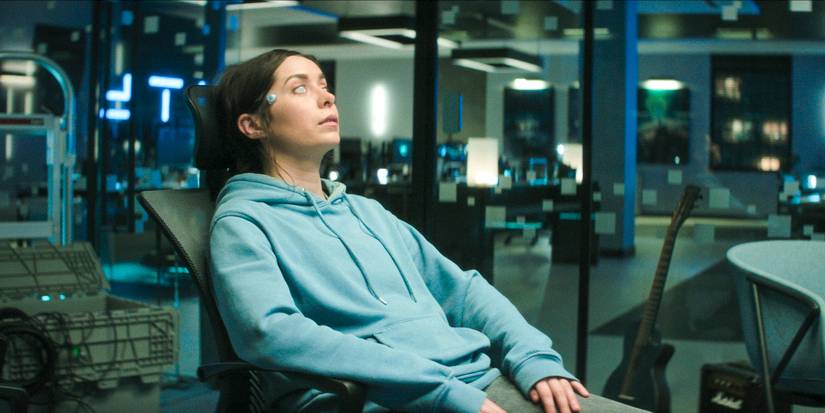
Black Mirror's anthology format offers the show essentially limitless story potential, an opportunity it has taken great advantage of. The show has its finger on the pulse of modern technology and the anxieties that come with it. Its stories often feel like they personify society's biggest fears just as they're beginning to form, capturing a topical sort of horror that is uniquely unsettling.
The throughline of Black Mirror's anthology is its themes of dystopian near-future technology, and while individual episodes have covered everything from retro video games to futuristic healthcare treatments, the show has a surprising cohesiveness.
All the technological elements of Black Mirror feel specific and fitting to the show as a whole, allowing each episode to stand on its own while simultaneously building on the overwhelming effect of the show's overarching world. Black Mirror often reverse-engineers artificial intelligence, depicting the relocation of a human consciousness into a machine, creating a horrifying, existential, thought-provoking effect.
Westworld
2016-2022
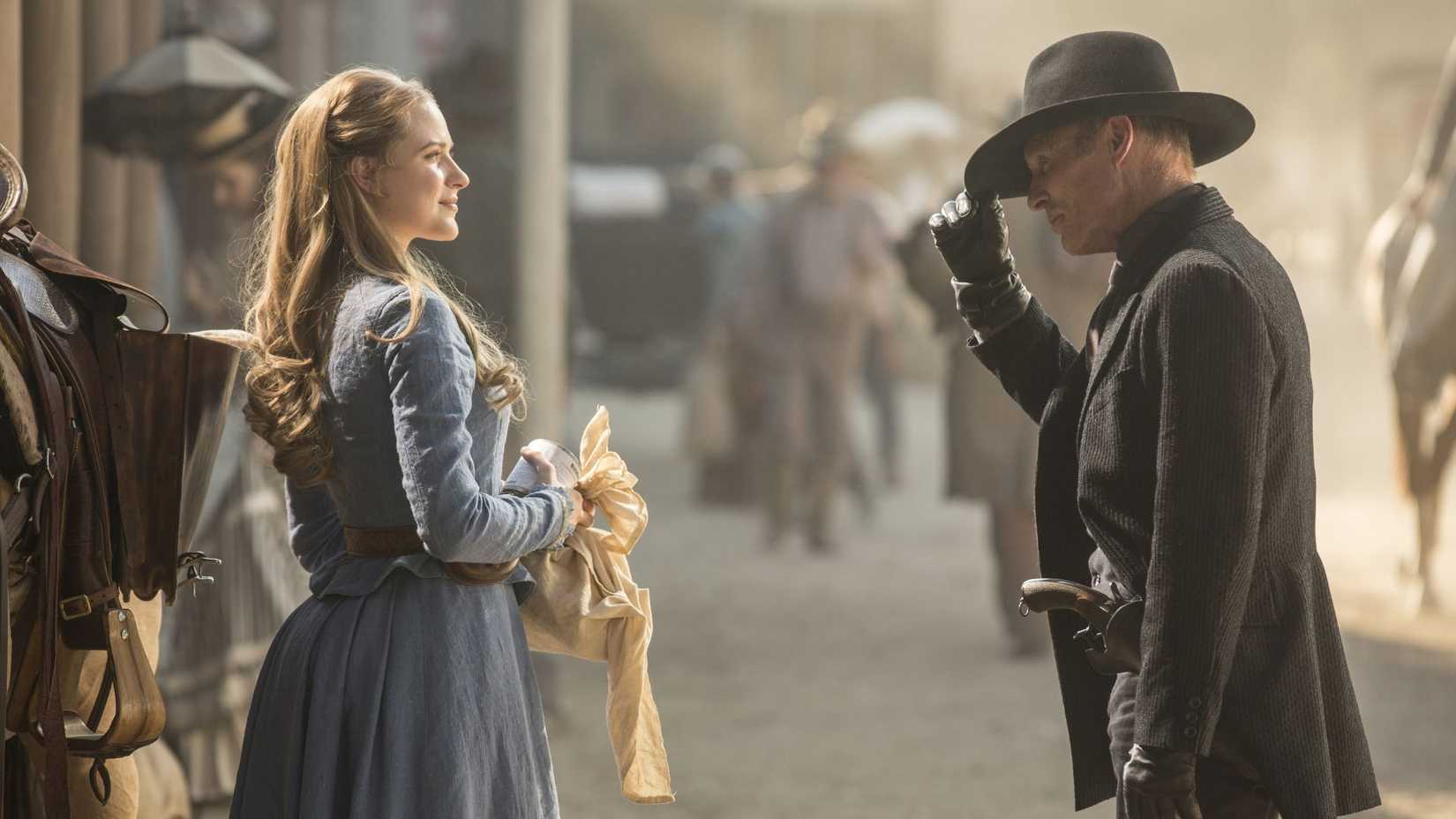
Westworld was a spectacle that felt fresh, shocking, and visually enthralling, but it wasn't all flair with no substance. Its world, made up of humanoid "hosts" and real people, was full of unexpected twists and reveals that kept viewers on their toes, but also served to underscore how truly indistinguishable the hosts had become from their human counterparts.
A neo-Western at its finest, Westworld blended classic Western imagery with a sci-fi setting in a way that allowed viewers to tap into the things that feel familiar about both genres in a completely new way. Meanwhile, Westworld's performances gave it emotion and depth, blurring its own rules as it wrote them and creating confusion as to what, exactly, it truly means to be human.
Person Of Interest
2011-2016
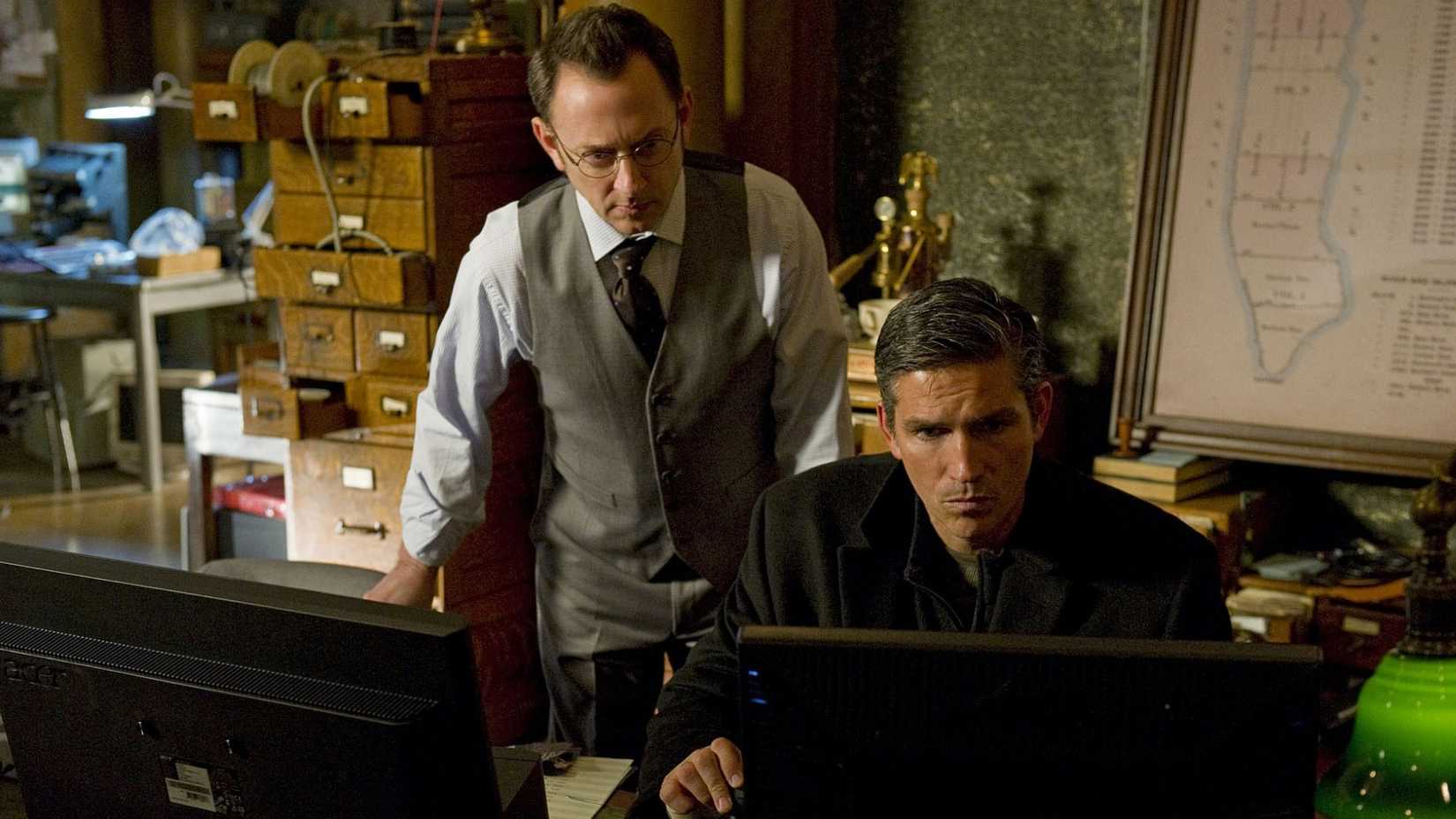 MovieStills DB
By the time Jonathan Nolan co-created Westworld, he had already explored AI with Person of Interest, but he had done it on network television. This was a feat of its own, as plot-heavy sci-fi shows aren't known for thriving on network TV, but Person of Interest combated this by packaging its complex premise as a crime procedural.
The concept of "the Machine," an artificially intelligent computer program with access to essentially every single piece of digital information and an ability to use it to solve crimes, was an original idea with massive story potential. It inherently raised questions of privacy and morality, and those questions were in fact best served through the show's crime-of-the-week format.
The 100
2014-2020

The 100 had a lot going on, especially by its third season, but the introduction of A.L.I.E. managed to keep the show's focus on its emotion, themes, and characters. A.L.I.E. was a powerful psychological antagonist to the survivors in season 3, but its history as being the cause of Earth's apocalypse gave the AI a deeper significance.
Unlike other depictions of AI in which sentient computers developed a complicated level of humanity, the intrigue of The 100's A.L.I.E. was its lack of nuance. In the past, A.L.I.E. had been built to help humanity, but it instead identified significant human overpopulation and rectified that in the most extreme manner possible.
A.L.I.E. was, without question, a villain to the survivors, but its inability for nuanced problem-solving was thought-provoking in itself. Even as the survivors were forced to destroy A.L.I.E., they were left with the knowledge that mankind had created such a big, real problem that its near-extinction was the clearest mathematical solution.
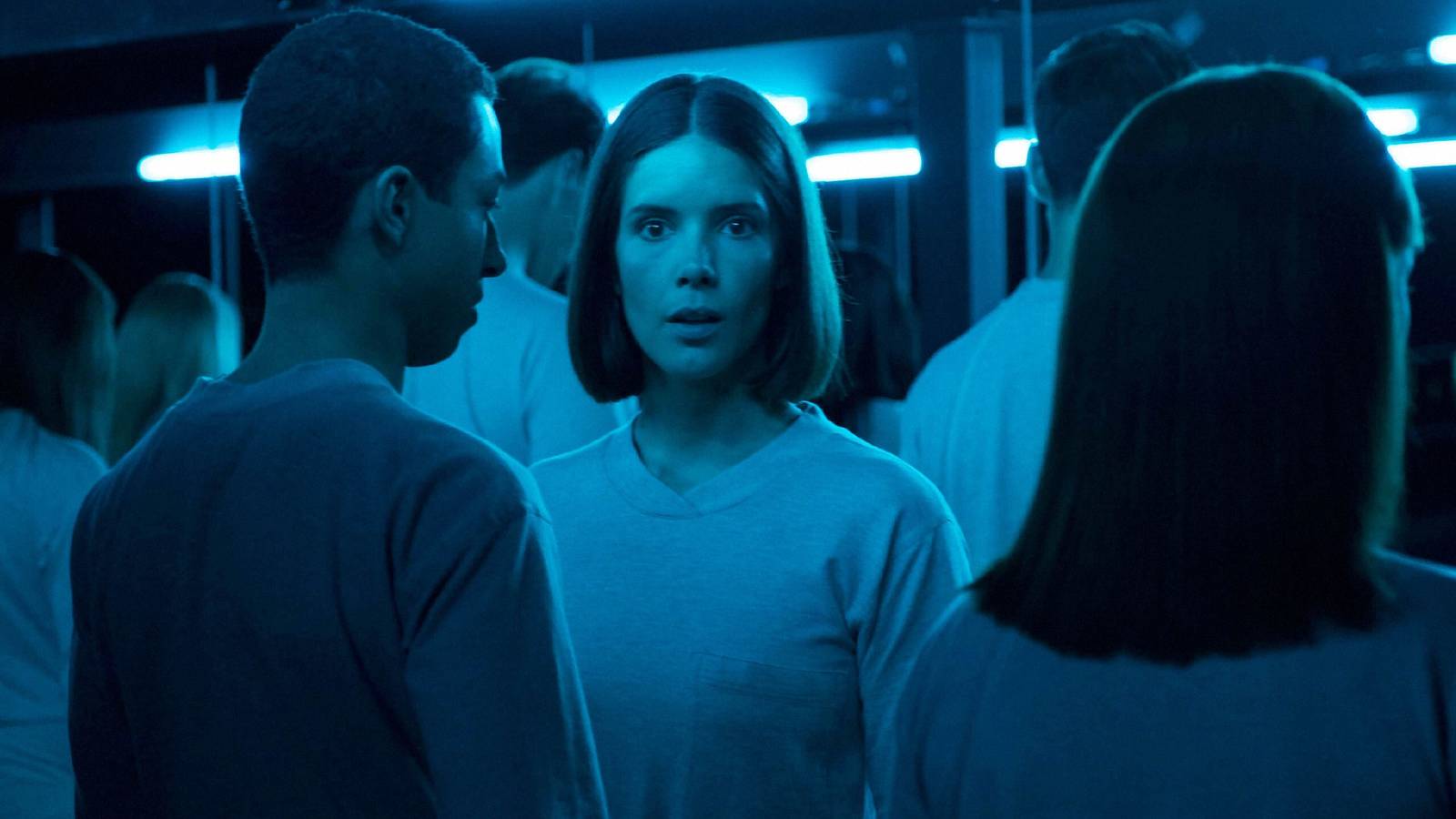
Devs
2020
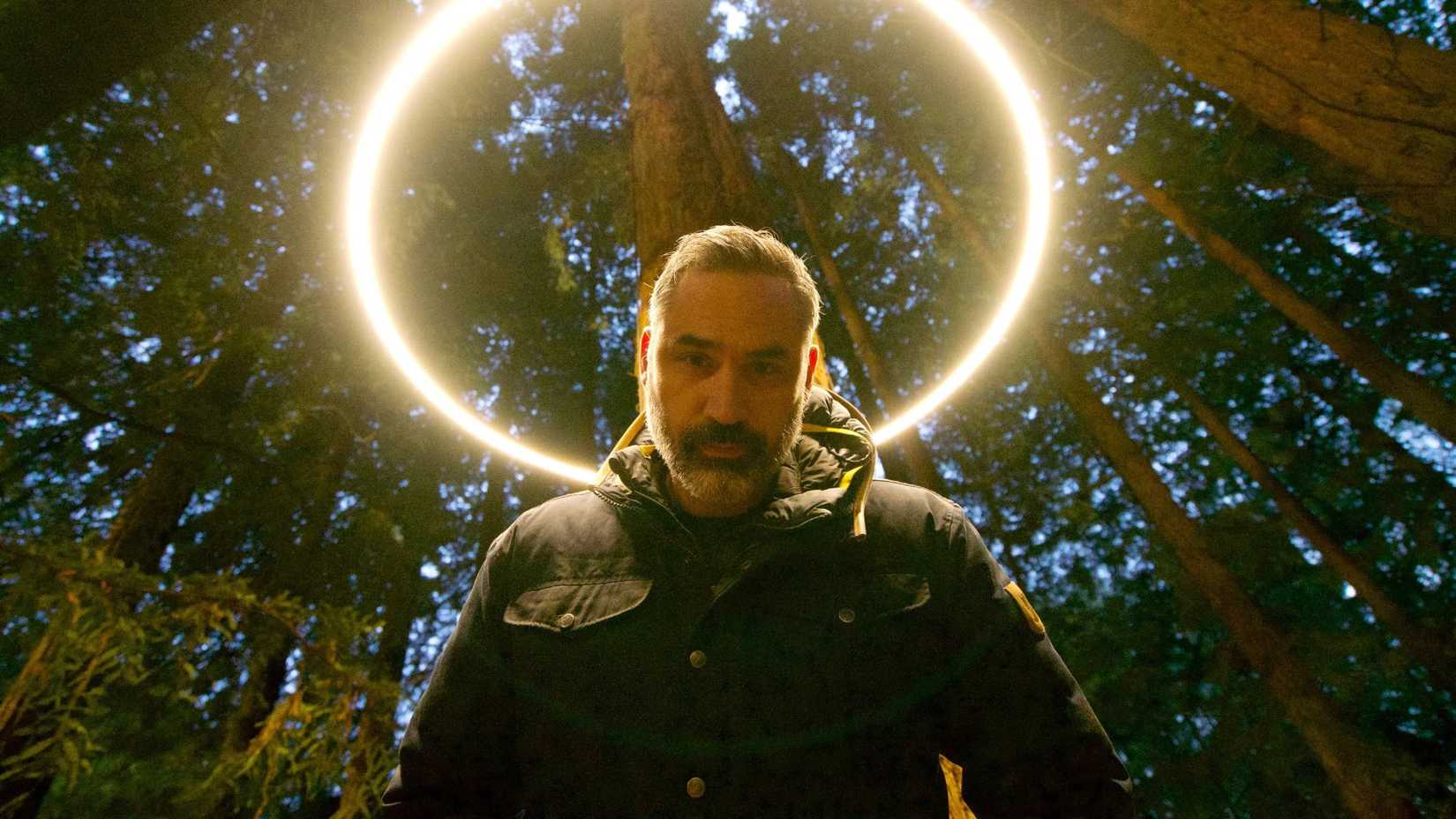
Devs is the only TV series from Alex Garland, the writer/director behind the unique, impressive movies 28 Days Later and Ex Machina, as well as the more recent Civil War and Warfare. Whether it's through a zombie apocalypse, an internal collapse of the United States, or loaded technological breakthroughs, Garland excels at depicting a thought-provoking near-future that is both haunting and hopeful.
Devs was no exception. In today's world of Silicon Valley, the tech company Amaya felt eerily familiar, and its Devs team startlingly plausible. The rabbit hole Lily fell down in the wake of Sergei's death was dark, and the world of Russian spies and quantum computing made Devs more than simply a show about AI. It felt like a mysterious shadow that could just as easily be lurking in our own world.


 English (US) ·