

Published May 16, 2026, 5:45 PM EDT
Faith Roswell is a Senior Writer on Screen Rant's Classic TV team. Since earning her degree in Creative Writing over a decade ago, Faith has written articles on film and TV from a variety of different angles. Faith now combines her knowledge of psychology with her love of monster movies to give more insight into what makes the best ones.
You may have read her Screen Rant lists and features covering horror, sci-fi, and fantasy, or read her Amazon Top 10 book, "Movie Monsters of the Deep."
Faith has had an extensive career as a writer, appearing on BBC live radio, researching true crime for Rotten Mango podcast, and writing for publications including Mental Floss, Atlas Obscura, and The Daily Jaws before beginning here at Screen Rant.
Of all the best sci-fi franchises to have been made, one of the most influential is undoubtedly Star Wars. The epic sci-fi saga spans generations, with worldbuilding that covers the rise and fall of empires, while exploring deep philosophical questions. While the movies in the original Star Wars trilogy have not all aged well, the more recent TV series, like Andor, have improved upon the story, introducing grounded heroes and reinforcing the strong anti-fascism message.
Still, Star Wars has some failings. Although the franchise has given viewers some of the best sci-fi TV characters of all time, others have been universally hated. The story can occasionally feel disjointed, and some entries in the franchise have relied too heavily on nostalgia rather than expanding the universe. These are things that many TV series have excelled at, and while this does not automatically make them better than Star Wars, they can occasionally make the franchise feel small.
Foundation
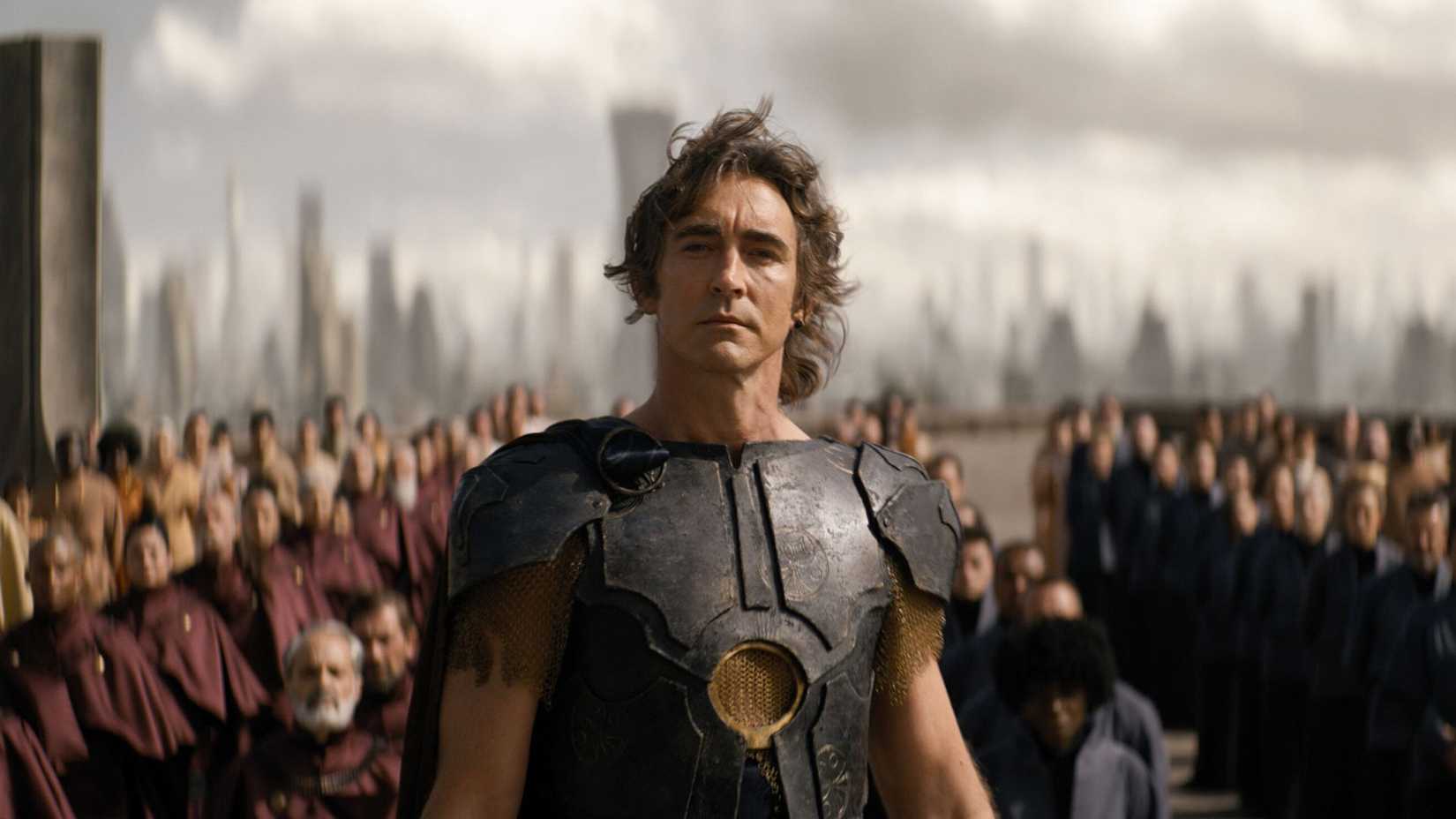
Isaac Asimov's book series Foundation was once thought to be unadaptable in a TV show format, as the story takes place over centuries and incorporates rulership changes just as Star Wars does. However, while the Star Wars movies could feature characters who were the descendants of ancient lineages, Foundation had to make a story on a similar scale fit into a TV show, which is no easy feat.
Foundation is a three-part sci-fi series that makes other space operas look bad, breaking the rules of the genre by making its technology and ships on an entirely new scale and with a signature aesthetic that separates it from other sci-fi projects. Entries in the Star Wars franchise tend to follow one story which fits into the larger saga, while Foundation juggles several threats at once, treating history as a mathematical equation, without minimizing the human stories at the center.
The Expanse
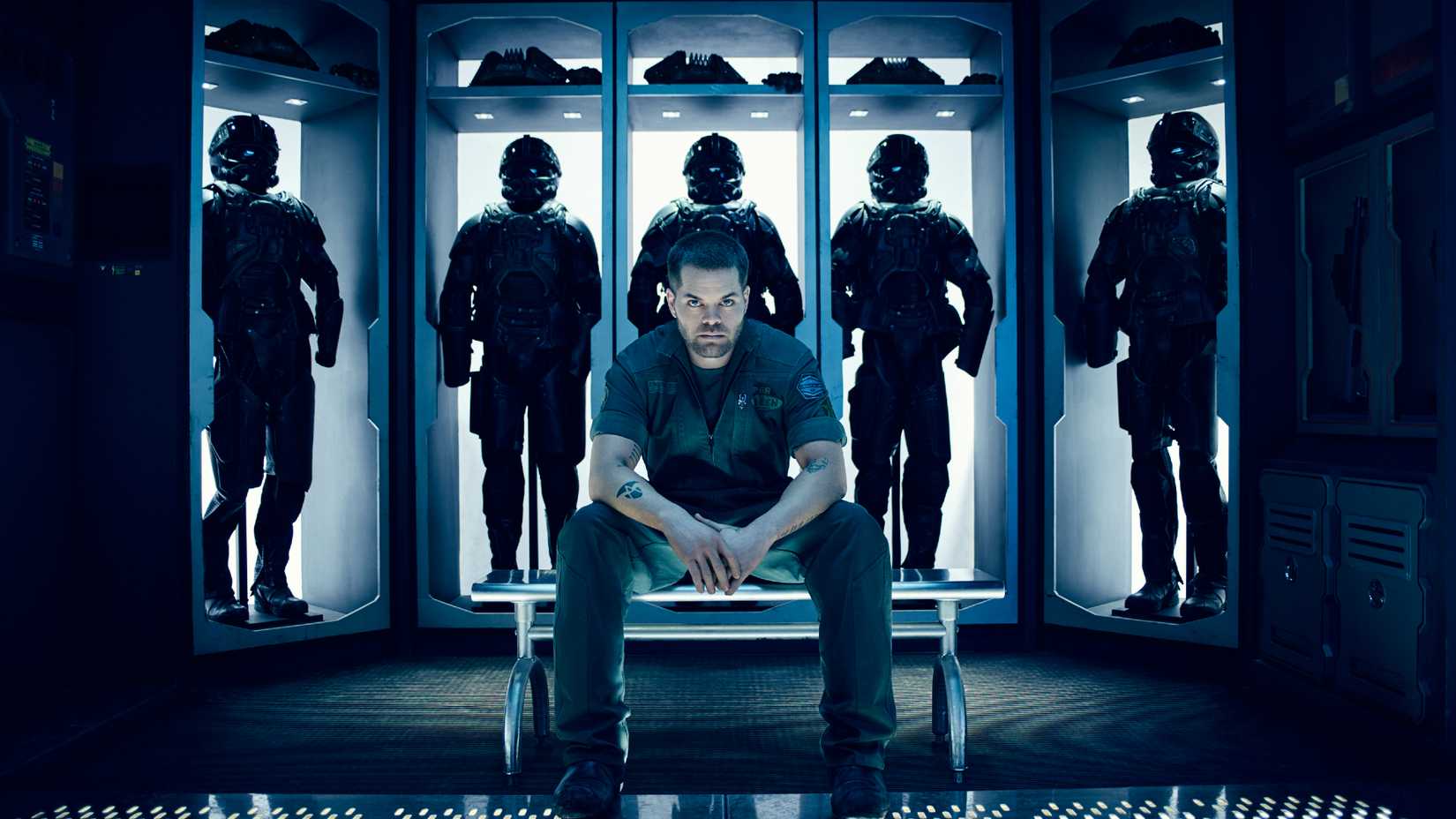 Image via MovieStillsDB
The Expanse's six seasons earned the show a 95% positive critics' rating on Rotten Tomatoes, but while pleasing critics might show that the series was well-made, its greater achievement was impressing space experts. The Expanse has been widely praised by astrophysicists for its commitment to presenting space in a much more grounded way than most other sci-fi series. Star Wars is a masterpiece, but it does not always feel real and tangible, while The Expanse excels at this.
The Expanse is about the crew of a ship who uncover a terrifying conspiracy that has consequences affecting the fate of planets. This scale may not be unusual for the sci-fi genre, including Star Wars, but every detail from gravity to biology has been thought out in The Expanse. This attention to the smaller realities in turn makes the show feel larger, and the central universe more inhabited.
Arcane
 MovieStillsDB
The multi-Emmy Award-winning Arcane might be a short sci-fi series that you can binge in a day, but its impact has been groundbreaking for the genre. The two seasons of Arcane excel in animation, sound design, character design, and writing, with many of the best scenes in the series resembling moving art. That said, the series avoids falling into the trap of becoming more style than substance.
|
Season |
Date |
Episodes |
Rotten Tomatoes Critics' Rating |
Rotten Tomatoes Audience Rating |
|
1 |
2021 |
9 |
100% |
87% |
|
2 |
2024 |
9 |
100% |
80% |
While Arcane largely takes place within one city, it makes Star Wars feel small in one key area, which is emotional depth. Against a backdrop of extreme inequality and magic being presented as a new kind of technology, the central story in Arcane is that of the broken relationship between two sisters. The series is an intimate character study that does more to explore the inner world of its protagonists, antagonists, and antiheroes than Star Wars does with single characters within entire trilogies.
Firefly
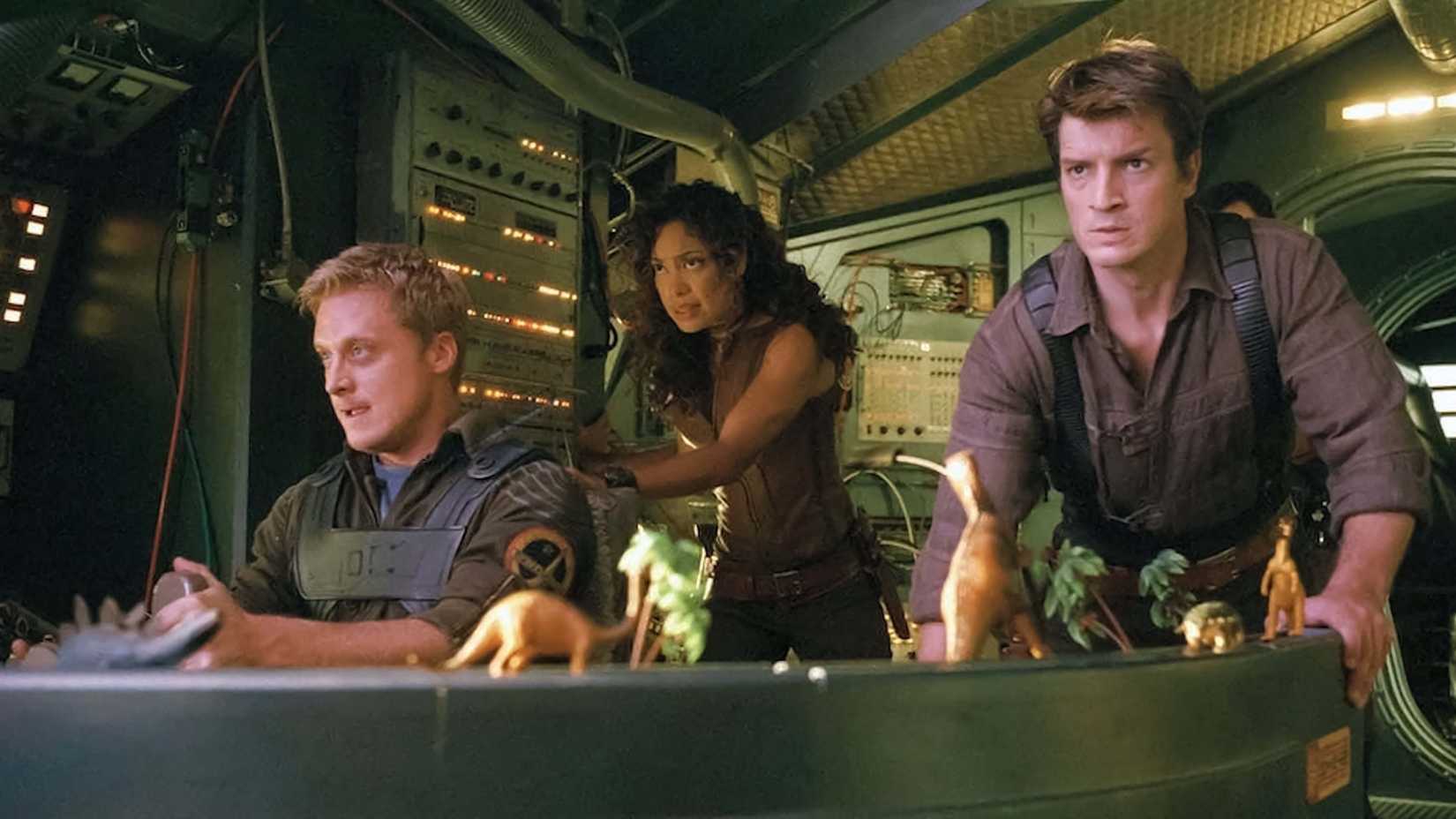
The cult classic Firefly follows the lives of the crew of the ship Serenity as they make a living by taking varied jobs both legal and illegal. While many episodes involve visiting different planets and space stations, the show's more intimate setting might make Firefly feel like an unusual contender for a sci-fi series that makes Star Wars feel small. However, the show's focus on everyday people highlights a failing in Star Wars.
The upcoming Firefly reboot will be an animated series titled Firefly: Still Flying.
Star Wars, especially the original trilogy, tells a story with commonly-used ideas, like the "dark lord" and the "chosen one." This can lead to it occasionally being predictable, with the characters sometimes feeling more like archetypes than people. Firefly is a tale of survival, which uses the many layers of society to build its world, and if Firefly had not been canceled after just one season, it could have expanded much further along these lines.
Star Trek
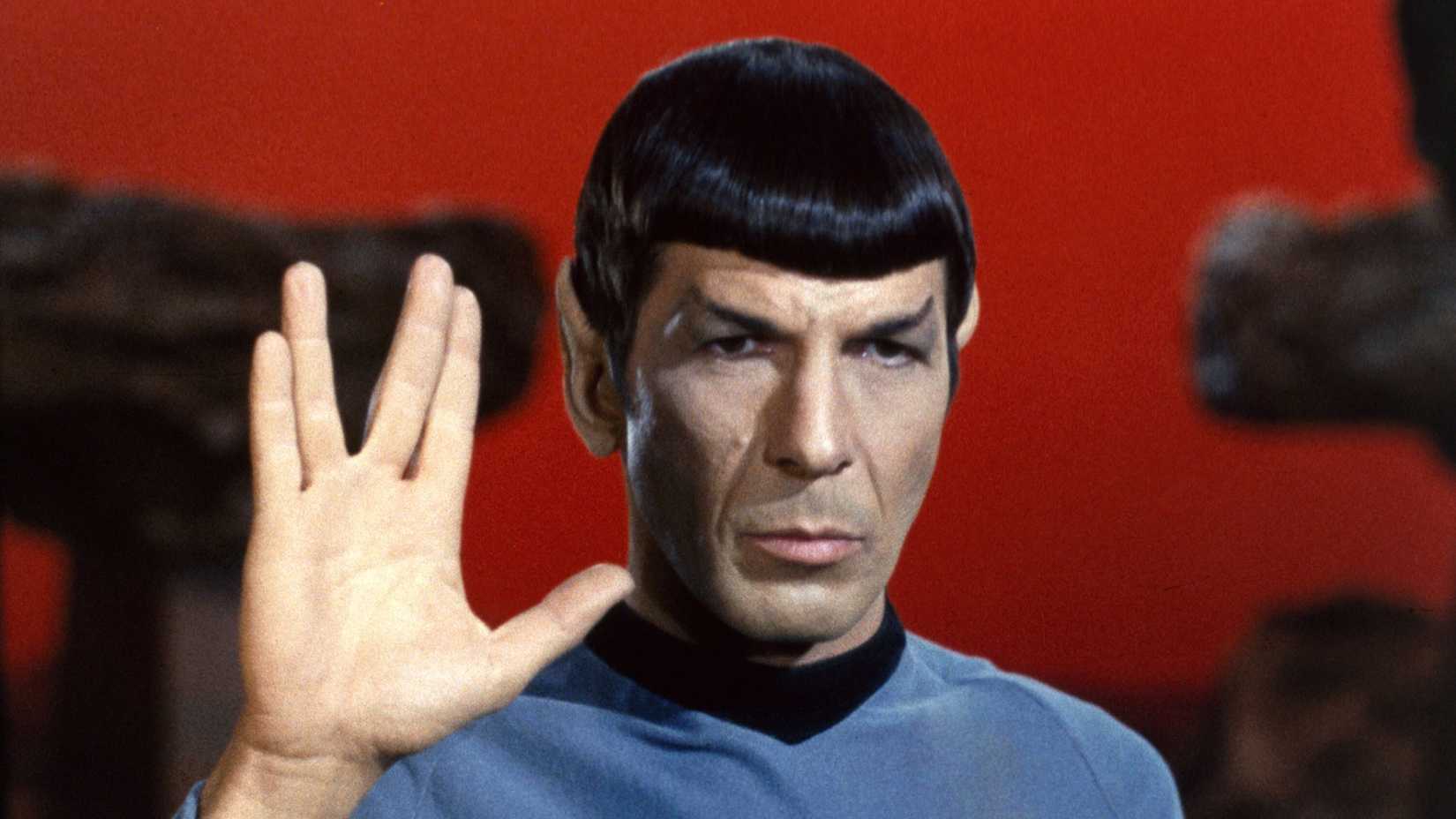
Star Trek is arguably the greatest sci-fi franchise of all time for its iconic characters, unique premise, and influence on modern technology. Unlike many other sci-fi TV shows, Star Trek is set within a utopian post-scarcity society that has eliminated greed and war, with many episodes exploring different aspects of human nature. The best episodes of Star Trek have addressed concepts like conflict, gender roles, racism, and human rights through the lens of sci-fi, allowing it to push boundaries in a way that Star Wars has not.
Not all the social commentary in the Star Trek series has aged well, but considering the time period, with The Original Series first screening in 1966, the fact that the show had a much more diverse cast than many, with a Black woman in a position of authority and expertise, was groundbreaking. The show was even able to predict the future, with one 58-year-old Star Trek episode hitting differently today, amid the threat of generative AI.
The success of the Star Wars franchise is undisputed, and it is rightfully an icon of sci-fi storytelling, but it is essentially a simple fantasy story about good and evil, while Star Trek explores the ways in which evil thrives, asking deep questions about humanity. This makes Star Trek feel much bigger, both in terms of cultural impact, but also in its creativity within the sci-fi genre.
Cowboy Bebop
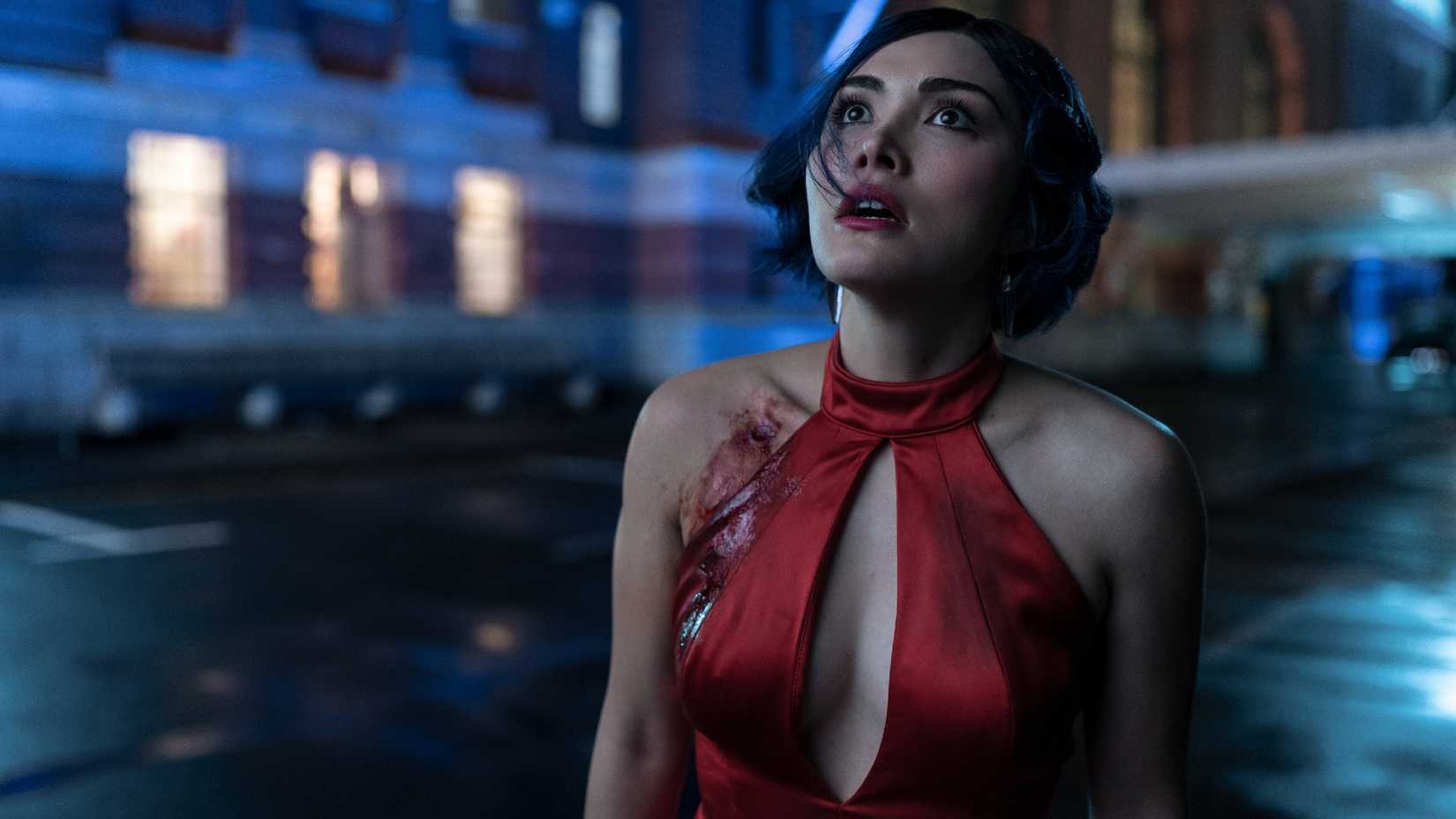
The live-action Cowboy Bebop is a canceled sci-fi Western that should have been huge, but while the Netflix remake of the beloved anime had an audience score of 60% on Rotten Tomatoes, critics gave it just 45%. Ultimately, the show failed to live up to its source material, which is widely regarded as one of the best animated shows ever made, with a 100% critics' rating and 95% audience rating on Rotten Tomatoes. Animated TV shows are often underestimated, but Cowboy Bebop outpaces Star Wars in many ways.
With a similar premise to Firefly, the space Western follows a group of bounty hunters, but the series has a definitive ending. The show incorporates cyberpunk and social commentary in a way that feels fresh and exciting, with many of the installments in the Star Wars franchise missing this edge. Cowboy Bebop's worldbuilding is unparalleled, representing systemic injustice for good people in bad situations, and if the live-action had worked, it could have been another sci-fi masterpiece.
Ghost In The Shell: Stand Alone Complex
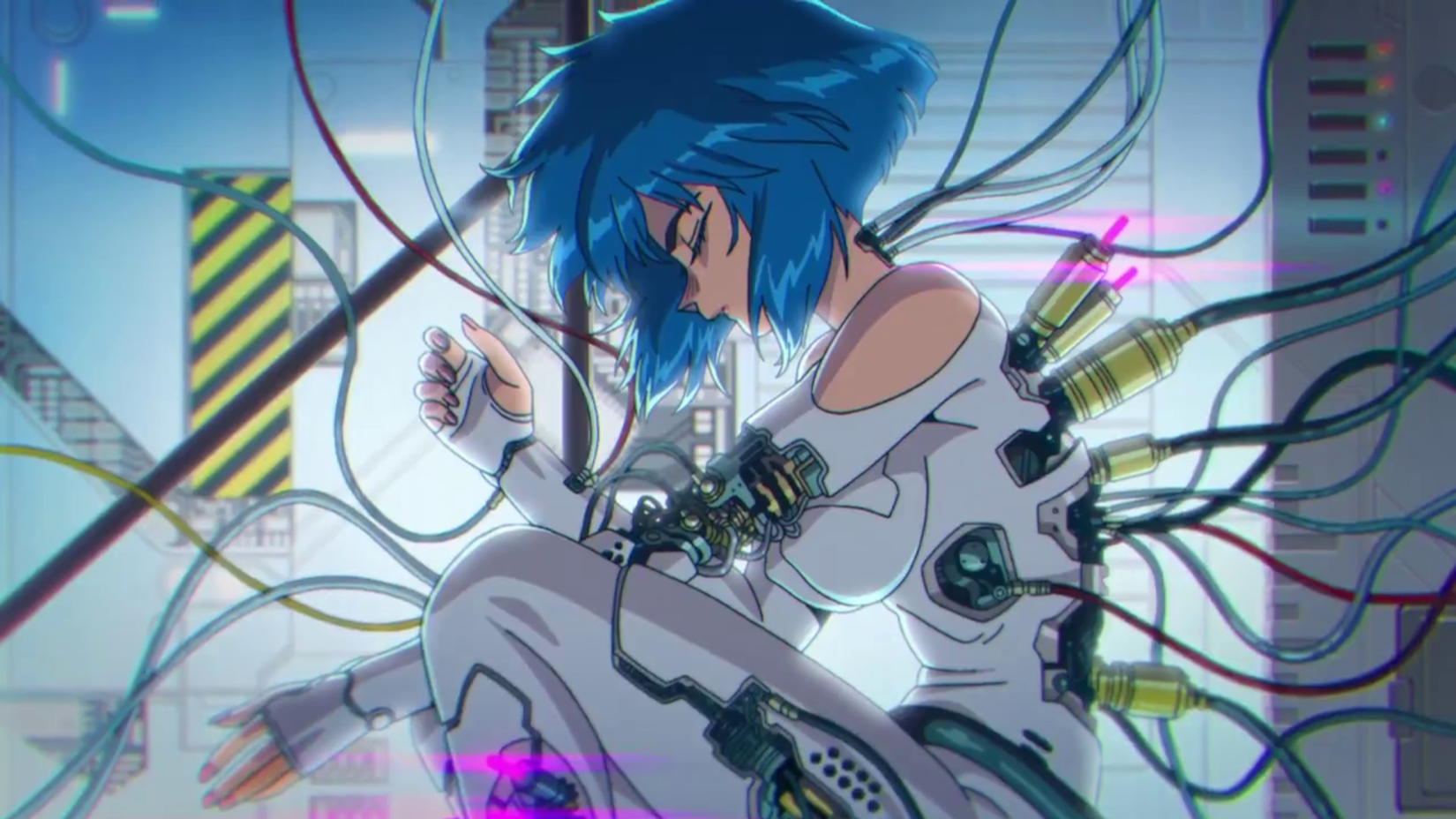
Ghost in the Shell: Stand Alone Complex is the gold standard of cyberpunk anime, defining futuristic storytelling and set in a world in which human brains can interface with the internet. The story carries elements that would later influence The Matrix, and follows the cyborg Major Motoko Kusanagi and her government faction. Star Wars has always been anti-authoritarian, carrying warnings against corrupt governments, but Ghost in the Shell's disturbingly accurate predictions overshadow the Star Wars franchise in this respect.
The lessons Star Wars carries are highly relevant today, but Ghost in the Shell: Stand Alone Complex explores the effects of technological concepts that are extremely specific. This includes online addiction, the rise of AI, and even the idea of refugees being used as political pawns. Not all sci-fi has to be social commentary, and Star Wars' worldbuilding is still expansive, but the tone of Ghost in the Shell: Stand Alone Complex makes it feel small.
Doctor Who
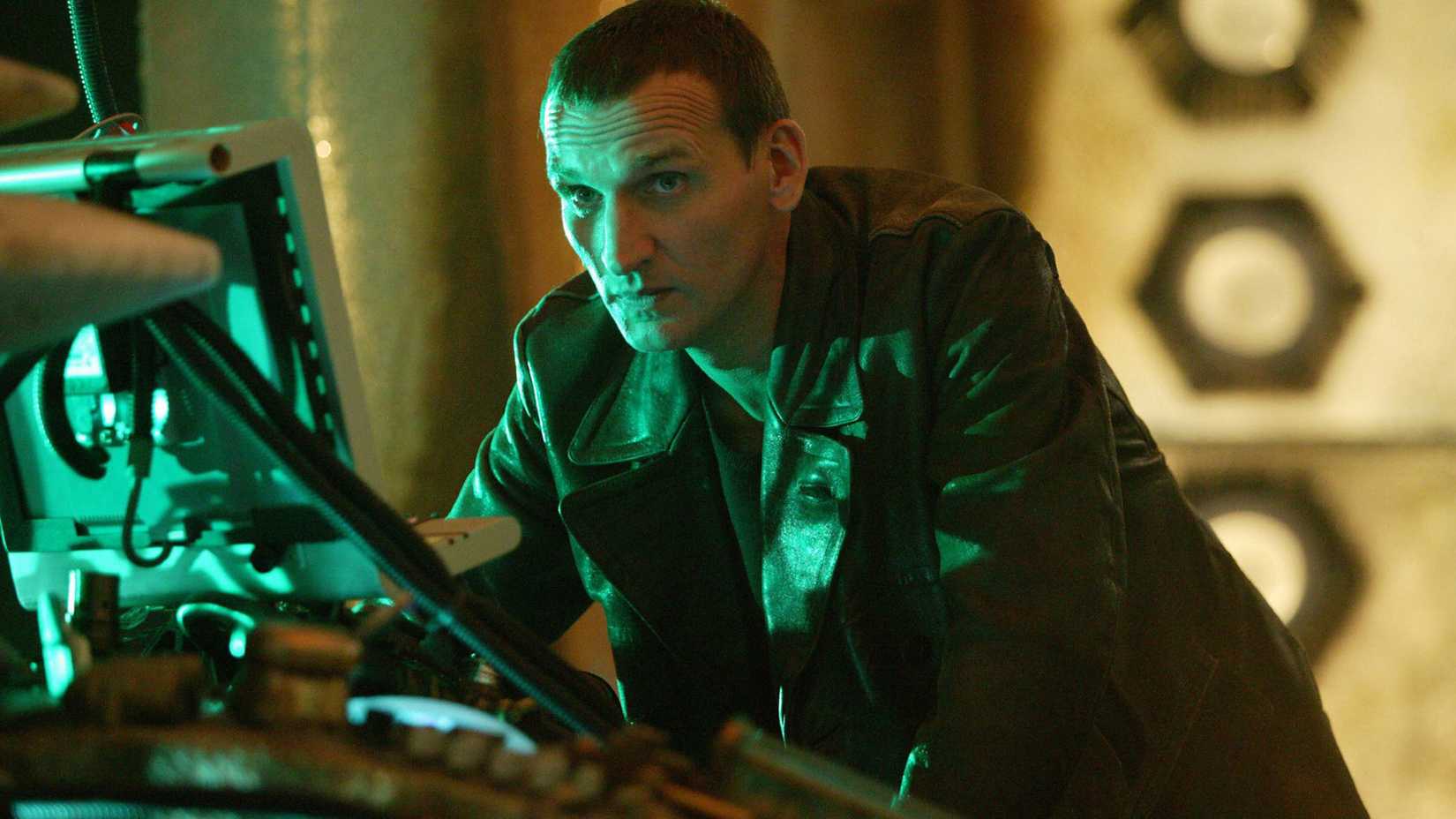
As the longest-running sci-fi series in history, Doctor Who is often regarded as the greatest sci-fi TV show of all time. The show has been building on its story, lore, and characters since its initial release in 1963, and the scale of the Whoniverse is mind-bending. Doctor Who's story spans over billions of years, multiverses, and incorporates seemingly reality-ending paradoxes. Throughout all of this, the show is largely carried by one character, who must be perfectly cast multiple times, and this is a monumental task that even Star Wars has not had to take on.
All the actors playing The Doctor have had to put their own spin on the role, without making the regenerating Time Lord feel like an entirely new character. With so many possibilities within a seemingly-limitless universe, Doctor Who exists outside the usual parameters of any sci-fi world, making the show a concept rather than a linear story, minimizing virtually every other sci-fi franchise, including Star Wars.





 English (US) ·