

Published May 30, 2026, 3:01 PM EDT
Emedo Ashibeze is a tenured journalist and critic specializing in the entertainment industry. Before joining ScreenRant in 2025. he wrote for several major publications, including GameRant.
For most people, the strange, fuzzy magic of Studio Ghibli films found them long before they were old enough to understand what they had experienced exactly. As a child, the films come across as simple fun; big skies, strange creatures, and old secrets. Everything it presents feels easy to enjoy without question.
However, the weight of life adds over time. Relationships break. Dreams get delayed. Freedom and regret start to feel like the different ends of the same rope. These same stories begin to feel different. They touch old memories, showing things missed, clues, and lessons. Ultimately, the early wonder gives way to deeper thoughts about the summation of life.
This is the duality behind Studio Ghibli films, and these seven films, in particular, embody that duality. They move beyond basic comfort and address the challenges faced during adulthood. They bring recognition and change to most memories of simple fun and adventure from earlier years, prompting audiences to watch and reflect on the difficulties of adulthood.
7 Only Yesterday (1991)

Watching Only Yesterday as an adult feels less like viewing a movie and more like sitting with an old friend who’s finally ready to tell the quiet parts of her story. Taeko leaves her hectic Tokyo job for the countryside to help with the safflower harvest, and along the way, memories from her childhood drift in.
The film never forces its insights. Instead, it lets one feel how those early experiences still echo in her decisions about work, marriage, and what a meaningful life might actually look like. There’s a gentle but piercing look at what Japanese society expected of women in that era, and how those expectations linger.
The slow rhythm of rural life against the city’s rush becomes its own kind of commentary on what people lose when they’re always moving, always producing. By the end, audiences are left with the sense that real self-understanding arrives not in grand revelations, but in these patient reckonings with ourselves and who we might still become.
6 The Wind Rises (2013)

The Wind Rises is one of those Ghibli films that is heavier with every revisit. As a kid, one might see it primarily as a beautiful story about a boy who dreams of building airplanes. As an adult, viewers feel the full moral gravity of that dream colliding with history.
Jiro Horikoshi pursues his passion for creating fighter planes, but he does so in the shadow of rising militarism in pre-war Japan. The film never lets one forget what those machines will eventually be used for. His romance with Naoko, marked by her illness and the fragility of their time together, adds another layer of tenderness and loss.
Tuberculosis becomes a kind of metaphor for the larger forces eating away at beauty and possibility. How does one pursue something they love when the world insists on twisting it toward destruction? Hayao Miyazaki handles this with remarkable restraint, no easy answers, just the quiet tragedy of talent caught in a current stronger than any one person.
5 Howl’s Moving Castle (2004)

There’s something uniquely powerful about returning to Howl’s Moving Castle once a person has actually lived a little. Sophie’s transformation into an older woman isn’t just a whimsical curse anymore; it feels like a strange gift. Overnight, the pressures of youth fall away, and she discovers a freedom and confidence she never had in her younger body.
Howl’s desperate attempts to avoid fighting, Sophie’s growing strength, the moving castle itself as this ramshackle symbol of a chosen family trying to stay afloat amid chaos, all of it resonates differently. One sees more clearly how fear, vanity, and external expectations can trap, and how compassion and acceptance can quietly unravel those traps.
Sophie’s journey doesn’t shout its themes. It simply shows a woman learning to inhabit herself more fully, regardless of how the world sees her. In that sense, it becomes a story about aging with grace and finding magic in the ordinary acts of care that hold people together when everything else is falling apart.
4 Princess Mononoke (1997)

When audiences sit down with Princess Mononoke again after many years, the story no longer feels like a simple clash between good and evil. It’s messier and much more human. Ashitaka drifts between worlds, carrying that curse on his arm, trying to understand why everyone is so locked in conflict.
The humans in the ironworks aren’t monsters. They’re outcasts, lepers, and ordinary people scraping together a future. The forest gods are ancient, furious, and utterly alive. However, what particularly stays with the viewer is the film’s refusal to pick a side. Progress demands sacrifice, from both the trees and the people chopping them down.
As an adult now staring down the world’s climate anxieties, that balance feels sharper and uncomfortably relevant. Miyazaki draws every character and spirit with real weight and dignity, then quietly suggests that understanding might be the only path out of the cycle.
3 My Neighbor Totoro (1988)
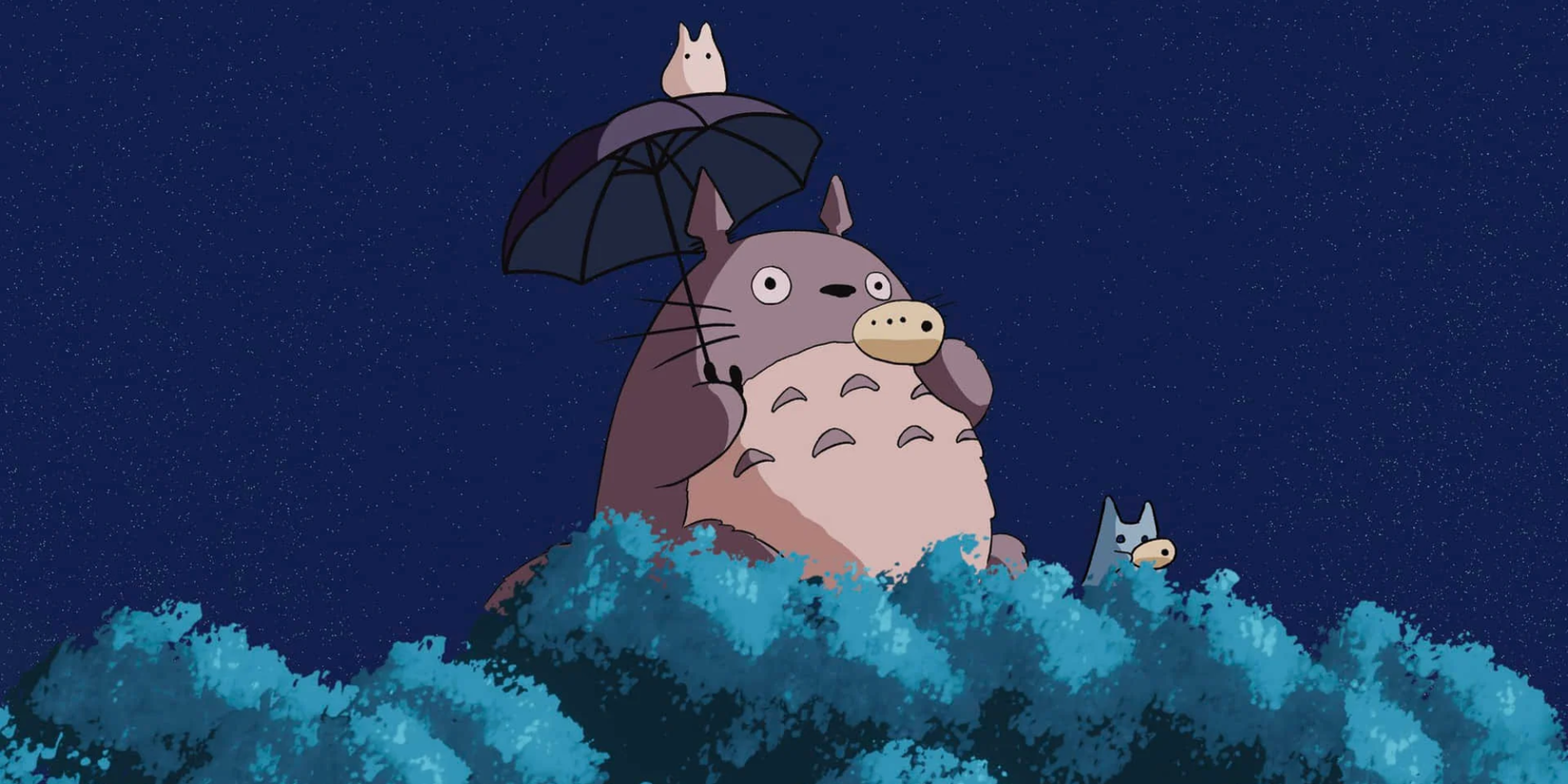
My Neighbor Totoro hits differently once one has carried some life experience. On the surface, it’s still that dreamy ode to childhood wonder. However, watching as an adult means the viewer cannot ignore the quiet tension beneath. The girls have been moved to the countryside while their mother is in the hospital.
Though the worry is never spelled out, it lingers in the film’s small gestures and long silences. To that end, Totoro becomes more than a magical friend; he’s the embodiment of wild, generous imagination, slowly traded away for routines and responsibilities. The film never rushes; It lets the wonder breathe.
Watching it as an adult brings a soft ache of nostalgia, not for a perfect past, but for the openness most people once had before life taught them to manage expectations. By the time the credits roll, the viewer is left feeling quietly replenished and a little more alert to the small miracles still hiding around the edges of adult days.
2 Kiki’s Delivery Service (1989)

Kiki’s Delivery Service speaks straight to anyone who’s ever tried to strike out on their own. At thirteen, Kiki’s independence looks thrilling: a new town, new business, flying deliveries on her broom. Then the exhaustion creeps in, and one day, her magic simply stops working.
That creative drought feels painfully real. Still, what will really stick out is how kindly the movie treats her slump. A conversation with the artist Ursula, the steady kindness of strangers, the permission to rest without guilt, it all adds up to a gentle reminder that talent doesn’t vanish forever just because of tired eyes and doubts.
Not to mention, the town itself feels like a character, warmly comforting and forgiving after her season of loneliness. When Kiki finally lifts off again, the joy is deeper because the viewer has seen what it cost her. Kiki’s Delivery Service is a film that grows more reassuring with every viewing.
1 Grave of the Fireflies (1988)

Grave of the Fireflies is the one viewers approach with a kind of braced reverence. As a child, you might see it as a sad story; as an adult, it becomes something harder to shake. Seita and Setsuko’s struggle after the firebombing is shown in unflinching, intimate detail; the hunger, the pride, the slow unraveling.
There are no grand speeches or conspicuous villains; just the grinding reality of war seen through children’s eyes. Setsuko’s hallucinations, the way she still tries to play, the brother’s desperate efforts to shield her, all carry an almost unbearable tenderness. The kind that sinks the viewer into a well of conflicting emotions.
In the film, Takahata isn’t lecturing about war so much as showing its devastating cost and aftermath. Audiences come away quieter, with a heavier sense of empathy for every civilian caught in history’s machinery. Some films entertain. This one was designed to rewire your emotional pathways.








 English (US) ·