

Published Feb 6, 2026, 11:45 PM EST
Casandra Ronning is a staff writer for Screen Rant's anime section. Since mid-2024, she has dedicated herself to expanding her knowledge and experience in the entertainment industry. She is most proud of conducting an exclusive interview with popular voice actor Stephanie Nadolny.
Japanese anime and manga have steadily been growing in popularity in recent years; however, their impact stretches across decades. Some of the most influential anime and manga have shaped Hollywood’s biggest titles, giving rise to countless fan favorites and cult classics.
Whether through visual or narrative inspiration, these titles are the secret backbone of some of Hollywood’s greatest hits, cementing their legacy as anime and manga icons that influenced creators around the world.
Serial Experiments Lain → Transcendence
Serial Experiments Lain centers on the titular character, Lain Iwakura, a withdrawn middle school girl who becomes increasingly drawn into the Wired, an advanced global network that mirrors reality and eventually comes to override it. As she becomes more entangled in the network, Lain’s identity fractures as she walks the line between the virtual and real worlds.
The 2014 film Transcendence explores similar themes through a more literal approach, following the idea of a human mind being uploaded into a networked intelligence. The film mirrors many themes in Serial Experiments Lain, including the idea that consciousness can exist beyond the physical plane and the cost of technology becoming increasinglypowerful.
Kimba the White Lion → The Lion King
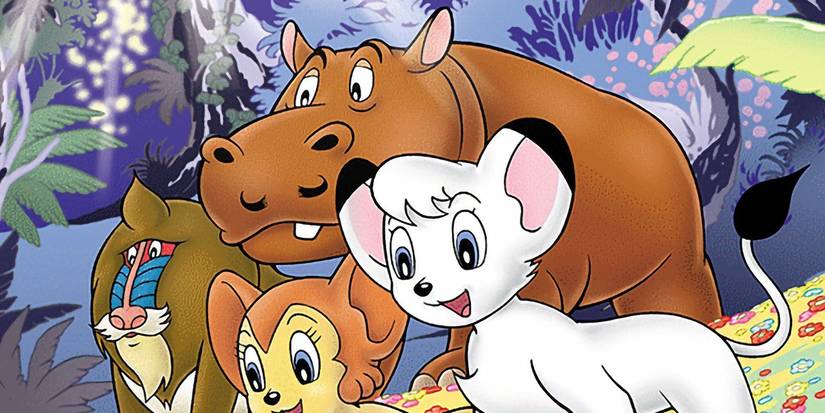
Kimba the White Lion follows a young lion cub named Kimba who, after his father’s death, must learn the responsibilities of leadership in order to create a peaceful kingdom. Alongside his allies, Kimba fights poachers and rivals, including the evil lion named Claw, who has a dark mane, a scar over his eye, and two hyena henchmen.
The similarities between Kimba the White Lion and The Lion King largely stem from visual parallels between the characters and certain scenes, including Simba speaking to Mufasa's projection in the sky. Along with baboon mentors and mischievous bird companions, The Lion King replicated many elements from Kimba the White Lion.
Neon Genesis Evangelion → Pacific Rim
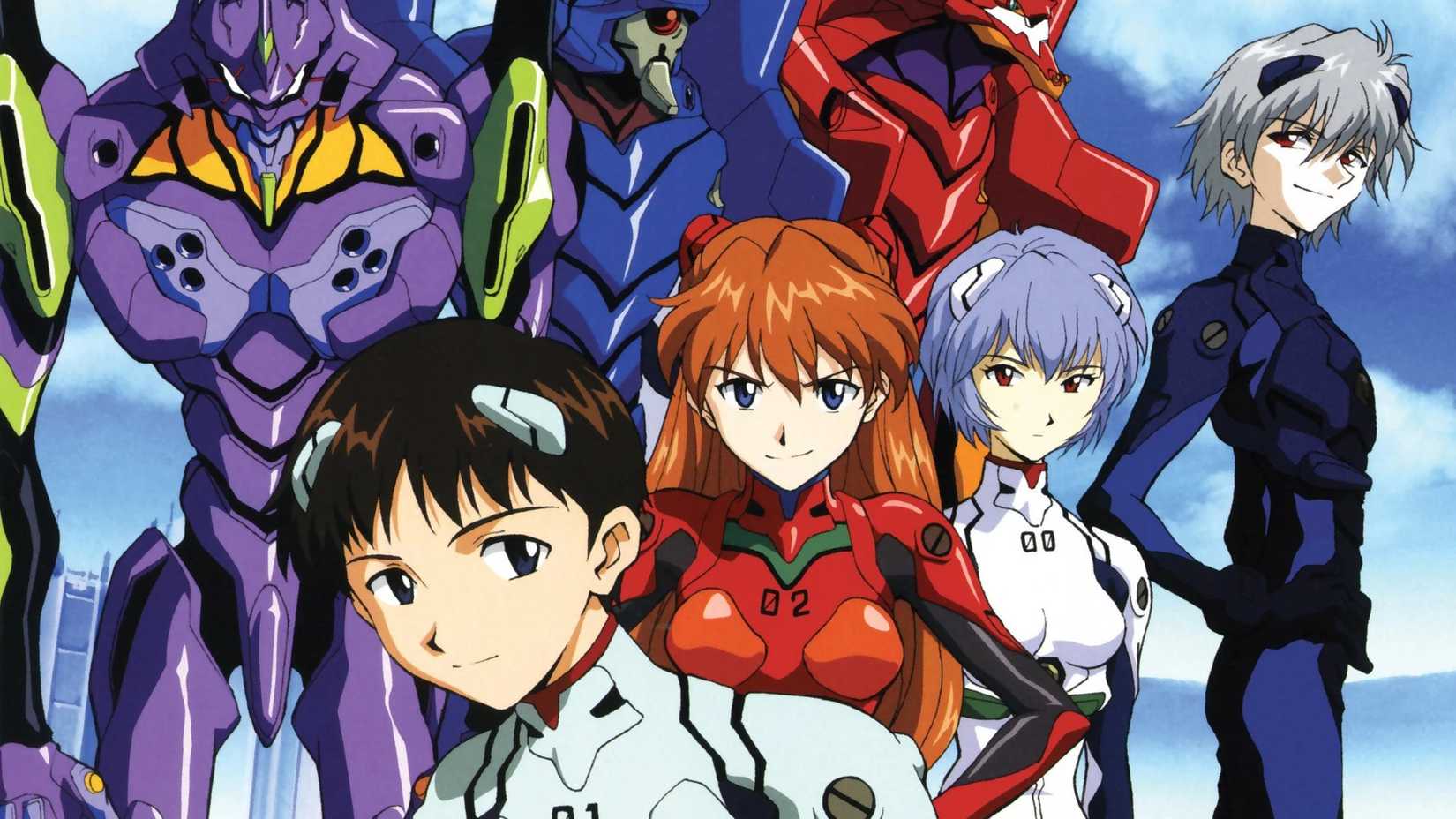
Neon Genesis Evangelion follows Shinji Ikari, a teenage boy who is chosen to pilot a massive biomechanical Evangelion to battle against mysterious beings known as Angels. Along with other young pilots, Shinji must defend humanity while navigating personal burdens.
Similar to the anime, Pacific Rim explores the concept of neuro-linking and biomechanical machines.
Neon Genesis Evangelion redefined the mecha genre by deconstructing standard tropes and focusing on psychological themes and deep symbolism. Similar to the anime, Pacific Rim explores the concept of neuro-linking and biomechanical machines. That said, Pacific Rim is often considered a homage to mecha stories as a whole.
Princess Mononoke → Avatar
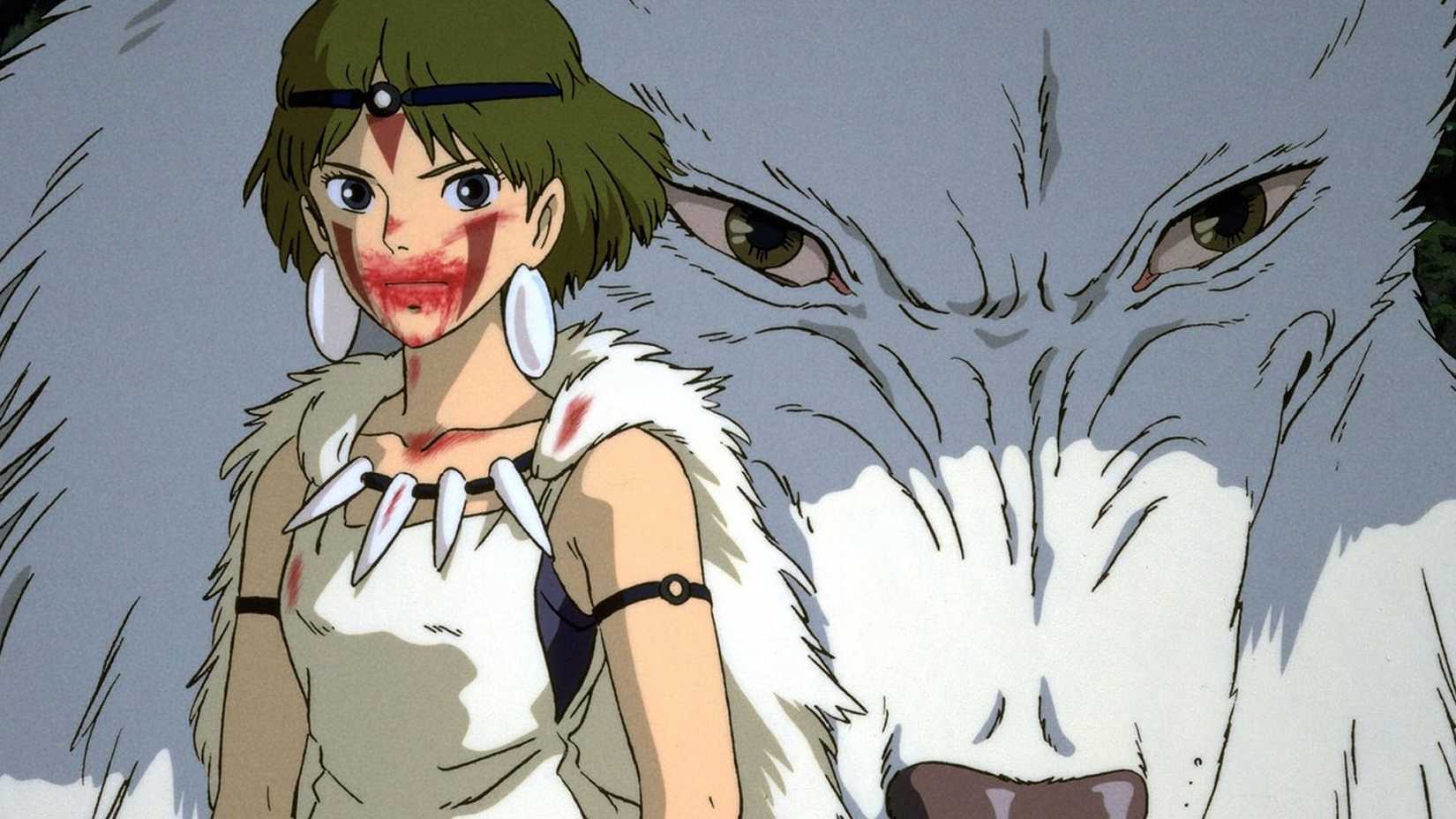
Princess Mononoke centers on Ashitaka, a young outsider who finds himself caught in a violent struggle between an industrial town, led by Lady Eboshi, and forest spirits who are defended by the wolf-girl San. Ashitaka tries to find a peaceful middle ground, however, before peace can be made, Ashitaka and San must work together to restore balance.
The central theme of Princess Mononoke centers on environmentalism, withscenes in the forest that may remind viewers of the bioluminescent world of Pandora in Avatar. Another similarity between the stories is that an outsider partners with a warrior princess to protect the spiritual, sentient forest from industrialization.
All You Need Is Kill → Edge of Tomorrow

All You Need Is Kill is a manga that follows Keiji Kiriya, a soldier caught in a time loop during an alien invasion. Every death forces him to relive the same day, allowing him to gradually master combat and use his newfound skills to help him discover how to break the cycle.
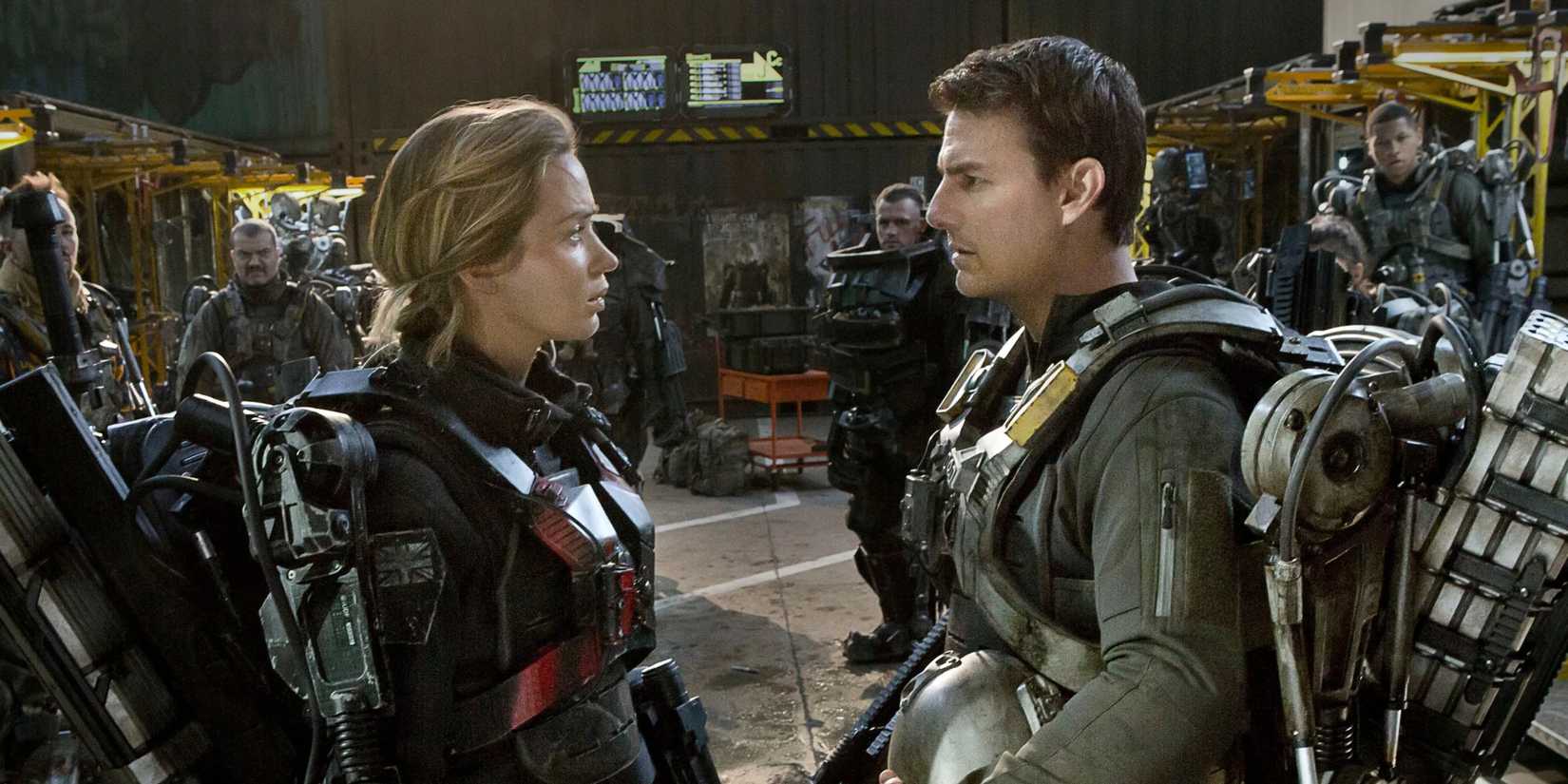
Edge of Tomorrow takes this idea and reimagines it for a Western audience, exploring a time loop through a reluctant trainee and featuring a veteran soldier named Rita Vrataski. While the film is lighter in tone and opts for a happier ending, the influence of All You Need Is Kill is evident throughout.
Paprika → Inception
Paprika follows Dr. Atsuko Chiba, a psychologist by day and a dream detective by night, known as Paprika. Though a device known as the DC Mini, Paprika can dive into dreams to help psychiatric patients. However, when the device is stolen, Paprika must retrieve it before the boundary between the real world and dreams is completely shattered.
Both Paprika and Inception center on technology-driven dream infiltration, with imagery shared between the two films, such as Inception’s hallway fight scene, which bears striking parallels with Paprika.
Perfect Blue → Black Swan
Perfect Blue follows Mima, a pop idol who changes careers to explore acting. However, when a stalker and a new website called Mima’s Room disrupt her life, Mima begins to experience paranoia, leading to a psychological fracture that blurs the boundary between her public identity and her personal life.
Similar to Perfect Blue, Black Swan explores a gradual descent into madness as Nina Sayers, the lead, prepares for the role in Swan Lake. Black Swan features many themes and scenes that are strikingly similar to Perfect Blue, with some standing out as direct replicas.
Ghost in the Shell → The Matrix
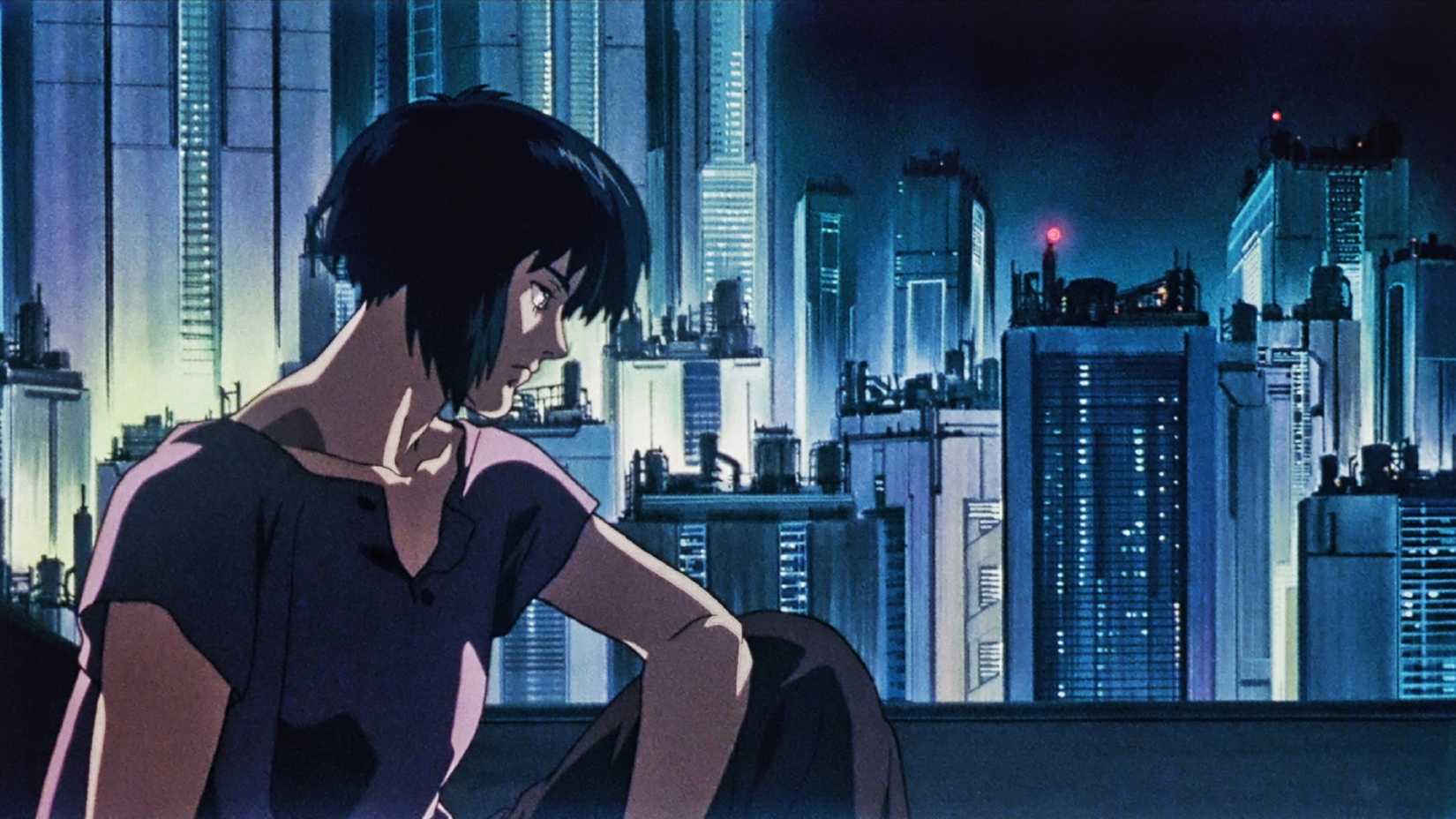
Ghost in the Shell follows Major Motoko Kusanagi, a cyborg officer investigating cybercrime. When a mysterious hacker known as the Puppet Master begins to infiltrate the minds of cyborg-human hybrids, Motoko is tasked with tracking him down, leading to a philosophical exploration of what it means to be human.
The Matrix is heavily influenced by Ghost in the Shell, from its opening credits to its philosophical themes that question what it means to be human in an advanced technological world. The two films share similar imagery and ideas, including neck ports and sentient AI, with The Matrix reimagining the concept for a global audience.






 English (US) ·