
 Image via Paramount Pictures

Published Feb 7, 2026, 9:31 AM EST
Remus is a writer, editor, journalist, and author with an eye for detail and an extremely active imagination. He is an enthusiast of everything to do with the graphic medium, whether it's Western comics and their adaptations or manga and anime. Remus is also the author of the sci-fantasy novel Once Upon a Time in Hyperspace and several works of short fiction in the mystery, comedy, and horror genres.
Sign in to your Collider account
Though film noir hit its peak in the 1940s and '50s, the genre saw a resurgence in the 1970s that established a new stage in its evolution: neo-noir. These films revitalized the genre by using a combination of classic tropes (gritty heroes, femme fatales, etc.) and contemporary social critique, characterized by Watergate-era anxieties about surveillance and political corruption. And though it’s been decades since these movies first came out, their influence can still be seen in cinema today.
The masterpieces of 1970s noir cinema include some of the most celebrated films of all time, as well as others that are less talked-about but no less important to the genre’s history. And all of them, critical darlings and cult classics alike, have had an undeniable impact on the popular imagination, becoming definitive films of the decade. So, without further ado, here’s our selection of film noir masterpieces that defined the 1970s.
8 ‘The Late Show’ (1977)

Written and directed by Robert Benton, The Late Show is a neo-noir mystery with a comedic touch. The film stars Art Carney as aging LA private eye Ira Wells, who resolves to investigate his late partner’s murder and finds himself dealing with an eccentric client (Lily Tomlin). The movie also features Bill Macy, Eugene Roche, Joanna Cassidy, John Considine, Ruth Nelson, and more in supporting roles.
Though it is generally labeled as a neo-noir film, The Late Show is a genre-bending movie that defies easy classification. While it does primarily follow a noir mystery story, the film also blends elements of screwball comedy and melodrama, and the final product is an entertaining noir movie that arguably outshines the established classics of the genre. Sharply written and expertly performed by its talented stars, the film received critical acclaim and earned several accolades, including an Academy Award nomination for Best Original Screenplay.
7 ‘Chinatown’ (1974)
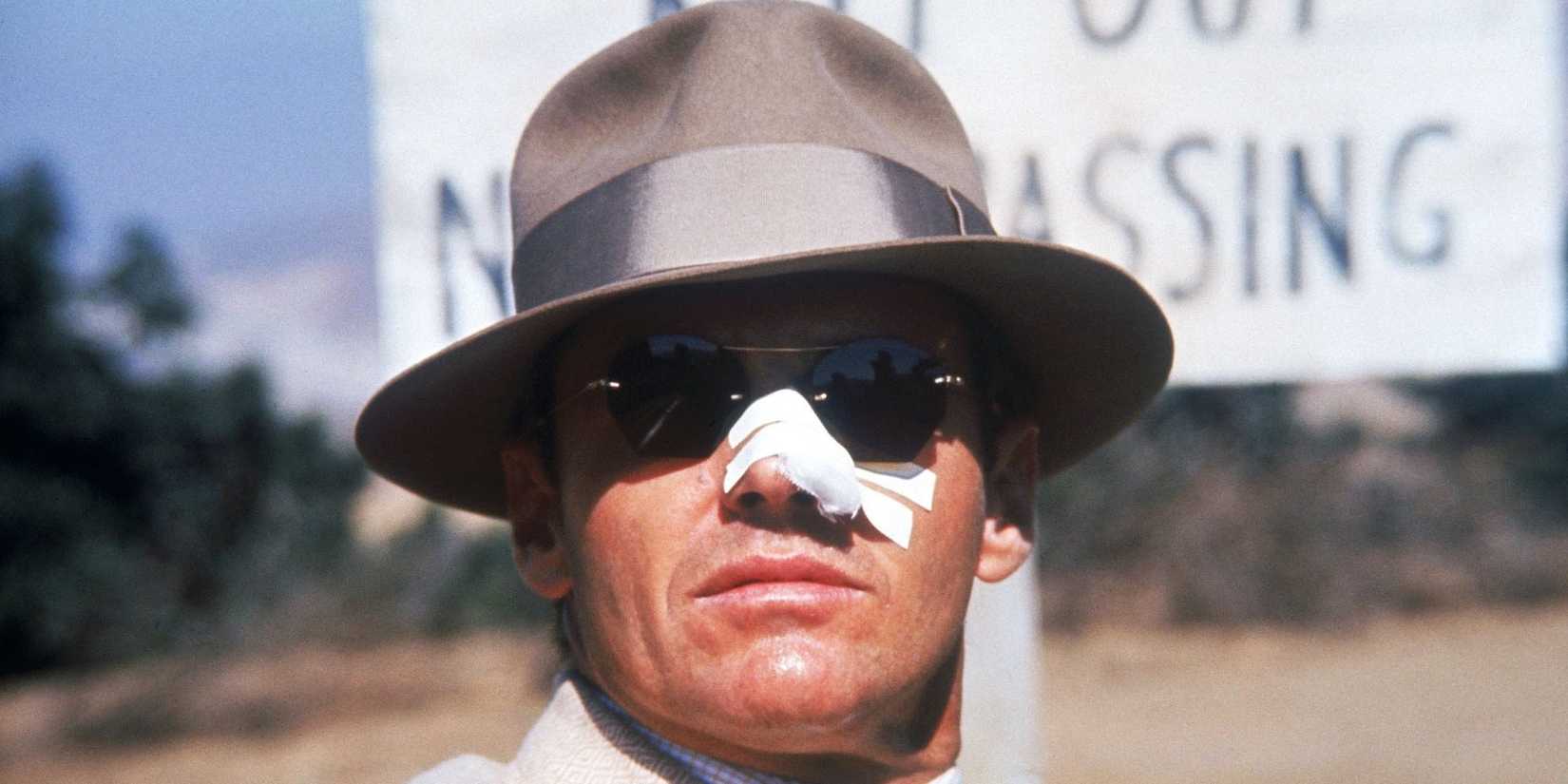 Image via Paramount Pictures
Directed by Roman Polanski and written by Robert Towne, Chinatown is a neo-noir mystery film set in 1930s Los Angeles. Jack Nicholson stars as private investigator J. J. "Jake" Gittes, who is hired by a mysterious woman to investigate her husband. But when his target is found dead at a reservoir, Jake finds himself drawn into a complicated plot involving water rights, a wealthy businessman, and Chinatown. The movie also stars Faye Dunaway, John Huston, John Hillerman, Perry Lopez, Burt Young, and Diane Ladd in key roles.
A major landmark of 1970s cinema, Chinatown was widely acclaimed at the time of its release, receiving praise for its direction, performances, cinematography, and unique (at the time) blend of mystery and psychological drama elements. The movie has had a significant impact on the neo-noir genre, influencing countless subsequent films and filmmakers. Chinatown also received numerous accolades, including 11 Academy Award nominations and seven nominations for Golden Globes.
6 ‘Badlands’ (1973)
 Image via Warner Bros.
The directorial debut of acclaimed filmmaker Terrence Malick, Badlands is a period neo-noir drama that Malick wrote, produced, and directed, with Martin Sheen and Sissy Spacek in the lead roles. Set in the late 1950s, the film follows 15-year-old Holly Sargis (Spacek), who falls in love with the dangerous and antisocial Kit Carruthers (Sheen), joining him on a murderous spree through the Montana badlands. Besides Sheen and Spacek, the movie also stars Warren Oates, Ramon Bieri, Alan Vint, and more in supporting roles.
Released in 1973, Badlands was widely praised by critics, and it’s retrospectively been identified as an important landmark of American cinema. A masterfully crafted crime drama with impeccable direction, cinematography, music, and performances, the film earned several honors in its day and established Sissy Spacek as a talent to look out for (the actor would later become an international star with her performance in 1976’s Carrie). In 1993, Badlands was selected for preservation in the National Film Registry, underscoring its significance as a cultural landmark.
5 ‘The Friends of Eddie Coyle’ (1973)
 Image via Paramount Pictures
Directed by Peter Yates and written by Paul Monash, The Friends of Eddie Coyle is an adaptation of the novel by George V. Higgins, and partly inspired by the real-life exploits of the Winter Hill Gang. The film is centered on small-time criminal Eddie Coyle (played by Robert Mitchum), who becomes an informant in the hopes of avoiding imprisonment but finds his life under threat. Peter Boyle and Richard Jordan star in other lead roles, and the film also features Steven Keats, Alex Rocco, Joe Santos, and more as supporting characters.
The Friends of Eddie Coyle was widely praised by critics when it first came out in 1973, but it ultimately failed to make a mark at the box office and has been largely forgotten by mainstream audiences in the decades since. However, the film is an undeniable masterpiece of the noir drama genre, anchored by a stellar performance by Robert Mitchum. If you’re a fan of classic character-driven crime stories, then The Friends of Eddie Coyle may be right up your alley.
4 ‘Klute’ (1971)
 Image via Warner Bros.
Directed and produced by Alan J. Pakula, Klute is a neo-noir psychological thriller that is retrospectively (and informally) considered the first movie in Pakula’s “paranoia trilogy," which also includes 1974’s The Parallax View and 1976’s All the President’s Men. Jane Fonda stars as high-priced New York City call-girl Bree Daniels, who helps the titular detective, Donald Sutherland’s John Klute, with a missing person case, forming an unexpected bond with him. The film also features Nathan George, Dorothy Tristan, Roy Scheider, and Rita Gam in key roles.
Released in theaters in 1971, Klute was a major critical and commercial success, grossing over $12 million and earning multiple accolades. Widely praised by both contemporary and later critics for its direction, writing, and performances, the film is a masterpiece of psychological cinema anchored by Jane Fonda’s layered and haunting performance in the lead. The part of Bree Daniels became a career-defining role for Fonda, earning her an Academy Award and Golden Globe for Best Actress.
3 ‘Taxi Driver’ (1976)
 Image via Columbia Pictures
Easily one of the most beloved movies of the 1970s, Taxi Driver is a neo-noir psychological drama directed by Martin Scorsese and written by Paul Schrader. Set in post-Vietnam War New York City, the film follows veteran turned taxi driver Travis Bickle (Robert De Niro), charting his steady psychological deterioration, which parallels the decay of the city around him. The film also stars Jodie Foster, Cybill Shepherd, Harvey Keitel, Peter Boyle, Leonard Harris, and Albert Brooks (in his feature film debut) as significant characters.
When it first premiered in 1976, Taxi Driver was both acclaimed and highly controversial, polarizing audiences with its graphic violence and Jodie Foster’s role as a child prostitute. Those criticisms have been largely forgotten in the years since, and the movie is now universally hailed as one of the greatest films of all time. Despite the controversies, Taxi Driver was awarded several accolades in its day, earning four Academy Award nominations and winning the Cannes Film Festival’s Palme d’Or prize.
2 ‘The Long Goodbye’ (1973)
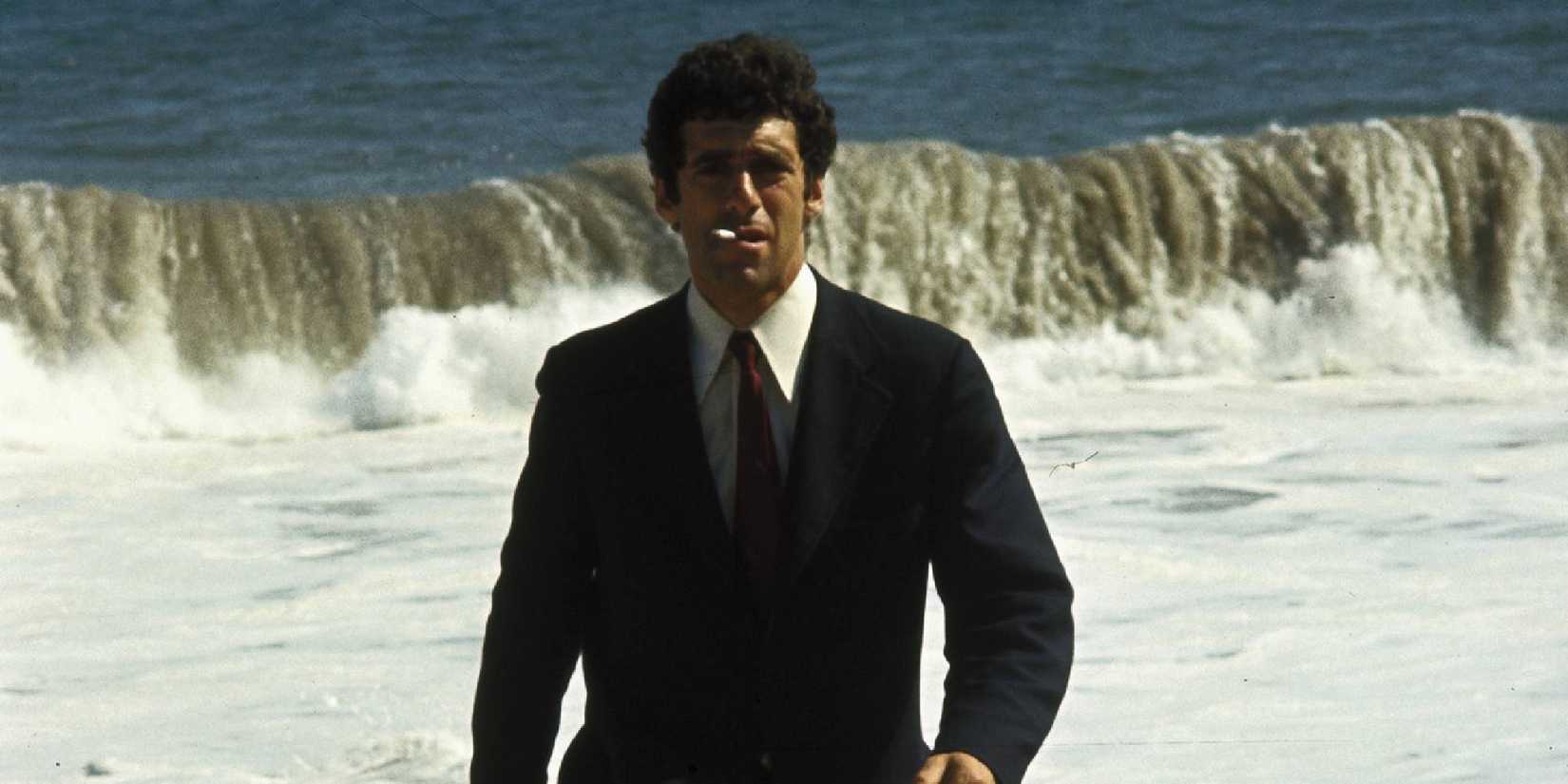 Image via United Artists
Directed by Robert Altman and written by Leigh Brackett, The Long Goodbye is a satirical neo-noir film adapted from the eponymous 1953 novel by Raymond Chandler. Elliot Gould stars as the iconic literary character Philip Marlowe, and the film transports the story from its 1940s setting to 1970s Hollywood, following Marlowe on a surprisingly complex murder investigation where he is suspected of being an accomplice. Besides Gould, the movie also stars Nina van Pallandt, Sterling Hayden, Mark Rydell, Henry Gibson, David Arkin, and Jim Bouton, with uncredited appearances by Arnold Schwarzenegger, David Carradine, Danny Goldman, and Carl Gottlieb.
In its day, The Long Goodbye had a pretty mixed reception from critics and was not a box office success, but it has been better appreciated in subsequent years and is now regarded as a noir masterpiece. A deliberately paced, almost meditative film, the movie features some great performances, cinematography, and writing, and a particular highlight is its long, drawn-out opening sequence, which has influenced many subsequent films, most notably The Big Lebowski. In 2021, the film was selected for preservation in the National Film Registry by the Library of Congress, cementing its status as a cinematic landmark.
1 ‘The French Connection’ (1971)
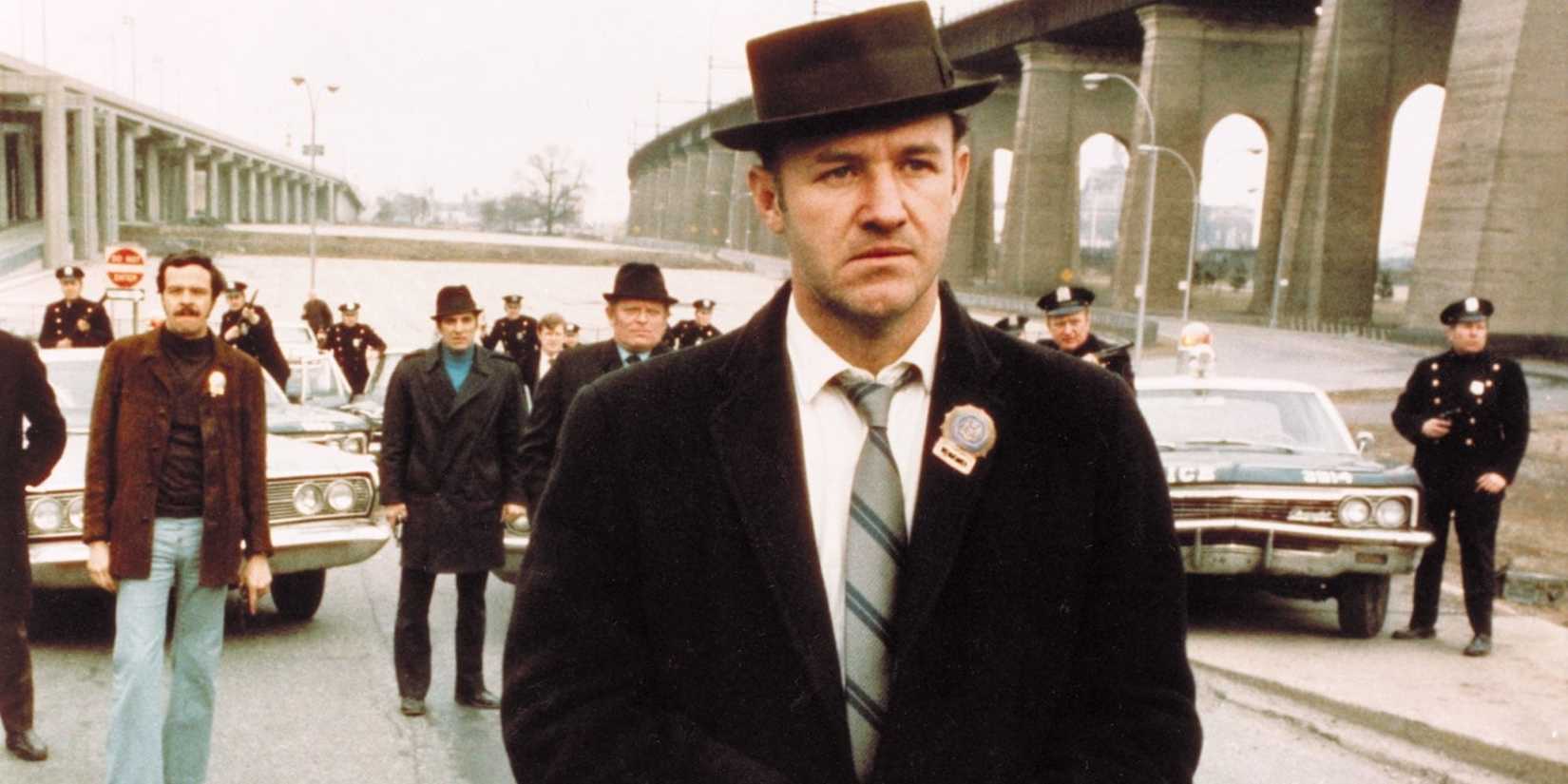 Image via 20th Century Studios
Directed by William Friedkin, The French Connection is a neo-noir action thriller inspired by Robin Moore’s 1969 nonfiction book. Gene Hackman and Roy Scheider star as NYPD detectives Jimmy "Popeye" Doyle and Buddy "Cloudy" Russo, and the film follows their pursuit of French heroin smuggler Alain Charnier (Fernando Rey). The movie also stars Tony Lo Bianco, Marcel Bozzuffi, Frédéric de Pasquale, and more in supporting roles, featuring appearances by real-life narcotics detectives Eddie Egan and Sonny Grosso, who were the inspirations for Popeye and Buddy, as well.
The French Connection was one of the single most important films of 1971, becoming the third-highest-grossing movie of the year and receiving critical acclaim for its story, direction, and performances. The film also earned five Academy Awards out of eight nominations, including Best Picture, Best Director, and Best Actor (for Hackman), and was nominated for several other accolades. The movie is now widely regarded as one of the greatest films in the history of American cinema, and a sequel, French Connection II, was released in 1975.





 English (US) ·