


Published Feb 16, 2026, 3:26 PM EST
Adrienne Tyler is a movies & TV features writer, with a focus on horror. She has written for Netflix, FanSided, & more. She was a regular guest on the Netfreaks podcast and was a YouTuber at some point. Guillermo del Toro said “hi” to her once.
Sign in to your ScreenRant account
Robert Duvall had an impressive acting career, and among his TV roles is an episode of The Twilight Zone that only keeps getting better. Before he starred in one of the best movies of all time, Robert Duvall was part of various TV shows, beginning in 1959 with the anthology drama series Armstrong Circle Theater.
After being part of projects like Naked City, The Defenders, and The Untouchables, Duvall joined Rod Serling’s The Twilight Zone in 1963. Duvall starred in season 4’s episode “Miniature”, directed by Walter Grauman and written by Charles Beaumont. Duvall plays Charley Parkes in "Miniature", and to this day, it’s one of The Twilight Zone's most bittersweet episodes that keeps getting better with time.
“Miniature” Is One Of The Twilight Zone’s Most Bittersweet Episodes
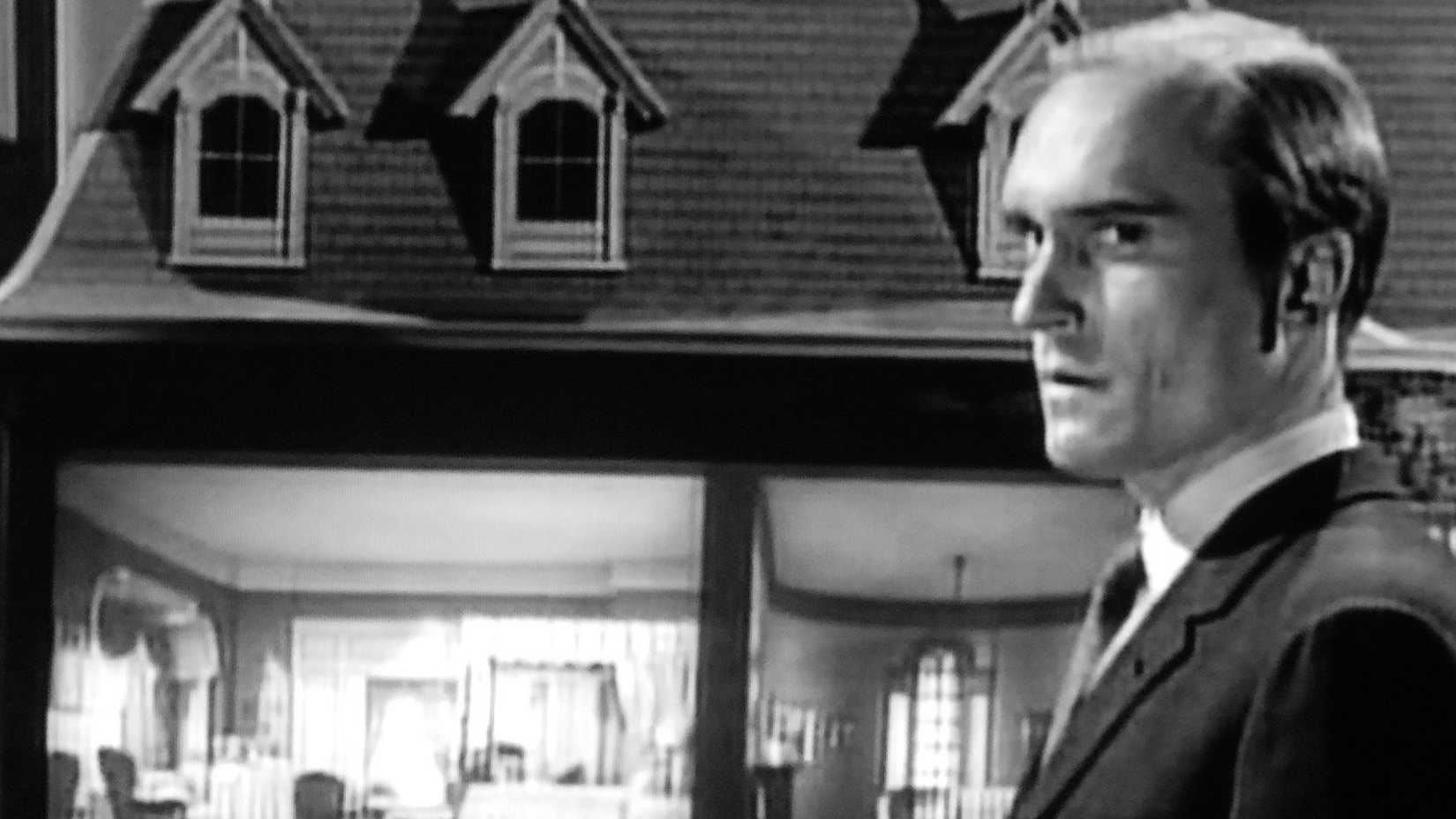
“Miniature” is the story of Charley, a man who spends his time at the museum, though not for his interest in history and knowledge. Charley goes to the museum for the affordable cafeteria meal and because it’s the one place where he can have time for himself, accompanied by the museum’s exhibitions.
One day, Charley finds himself in a room of the museum where a detailed dollhouse is kept. Fascinated by it, Charley takes a look inside the house, where he sees a wooden doll. To his surprise, the doll comes to life, and Charley witnesses scenes of her life in the dollhouse, including her abusive relationship with a man.
Of course, no one believes Charley when he tells them the doll is alive, and when he breaks the glass to help her, he’s committed to a psychiatric hospital. Charley pretends to get better so he’s released, but he escapes from his house to return to the museum. His family and the guards search for him in the museum and can’t find him, until one of the guards turns to the dollhouse.
There, he sees Charley, now a miniature figure himself, happy with the doll he had been watching for days. The Twilight Zone doesn’t reveal how this happens, but it doesn’t need to. Charley was a deeply lonely man who didn’t feel welcomed anywhere, and he found the happiness and company he longed for in the most unexpected and unusual way.
“Miniature” doesn’t exactly have a tragic ending like most Twilight Zone episodes, as Charley got what he wanted, even if that meant leaving his family and human life behind. It’s a happy ending for him, but a tough one for his family, who never knew what happened to him.
Why "Miniature" Is Still Just As Good 63 Years Later
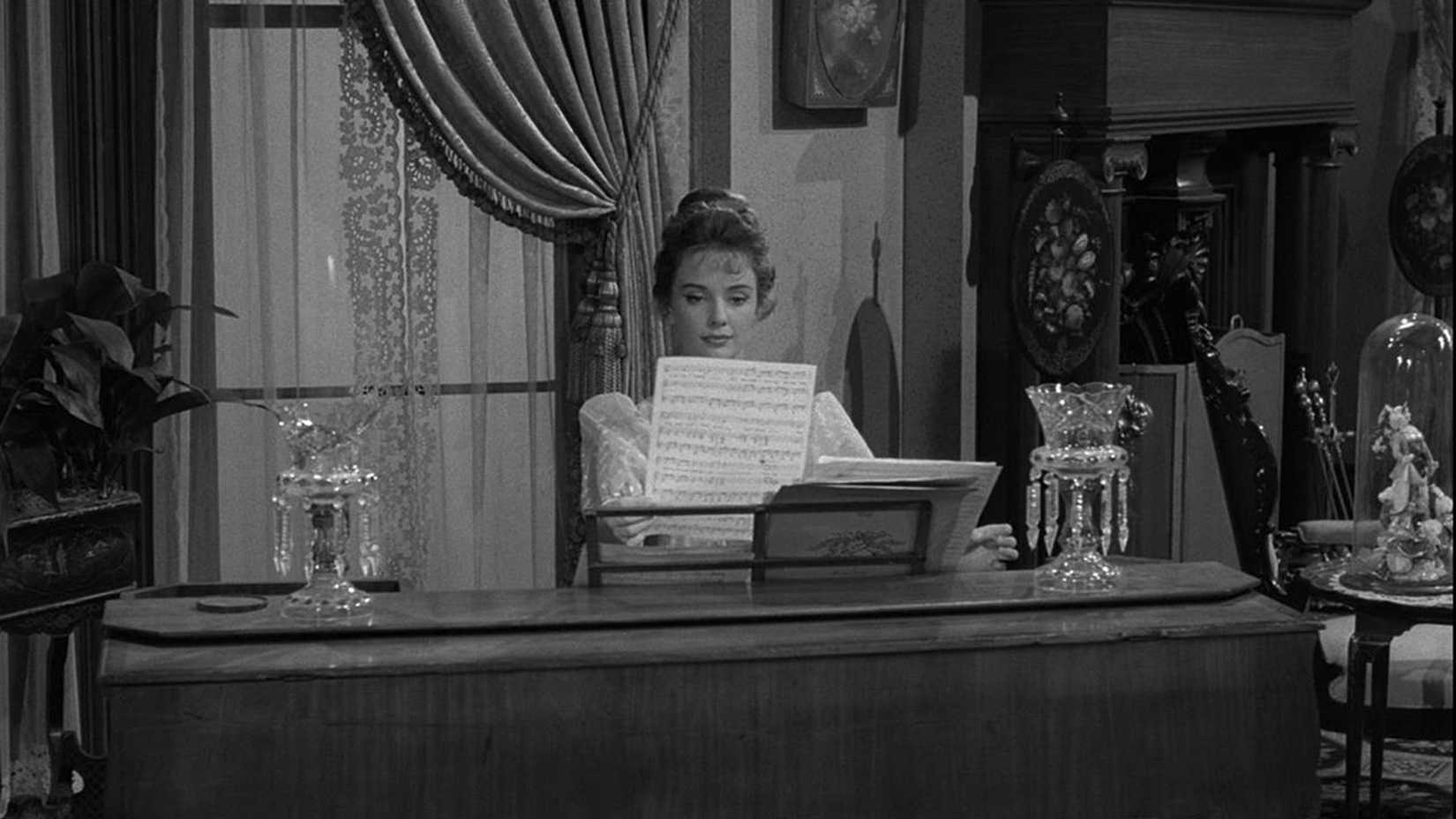
“Miniature” is a rare Twilight Zone episode that has aged well and is still relevant today. At its core, “Miniature” is a story of loneliness, feeling like you don’t belong, and feeling misunderstood. Charley had a loving family, but not even they understood what Charley felt and was going through.
Charley’s loneliness and feelings of not being welcomed and accepted anywhere are universal feelings that everyone has gone through at some point, and, just like Charley, many have found comfort in specific places and activities.
Despite not being as heavy on sci-fi and horror as most Twilight Zone episodes, “Miniature” is one of the show’s most bittersweet and relatable episodes, as well as an unfairly underrated one.
1 Year Before The Twilight Zone, Robert Duvall Starred In Another Iconic Horror Show
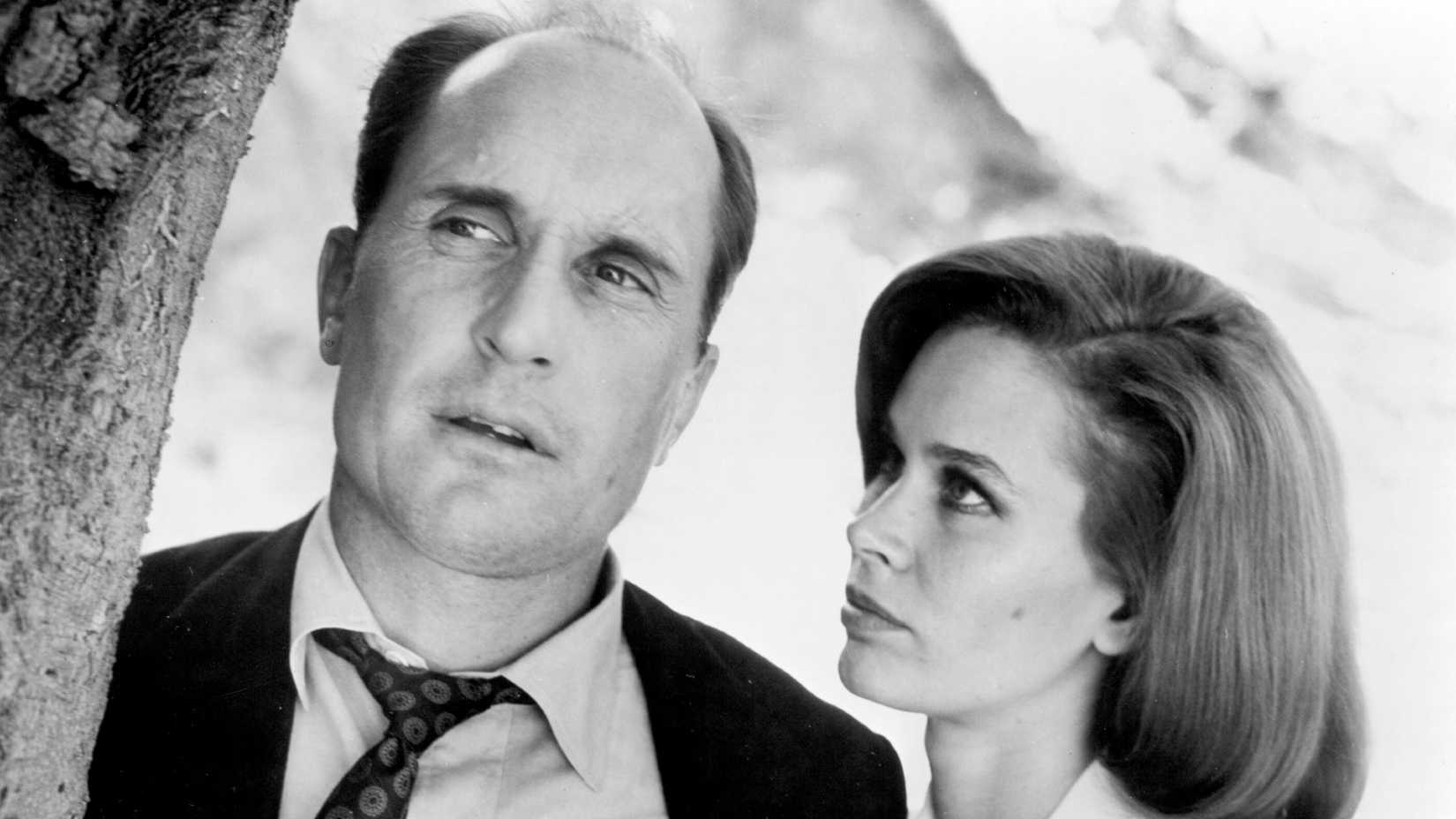
The Twilight Zone is one of the most notable projects in Robert Duvall’s career, as he isn’t an actor known for appearing in horror movies and TV shows, but he starred in another iconic horror show just a year prior. Duvall starred in Alfred Hitchcock Presents' season 7 episode “Bad Actor”, where he played Bart Collins.
Collins is a struggling actor with substance-use disorder who, after losing a role to rival Jerry Lane, strangles him to death. What follows are Bart’s attempts to get rid of the body, which don’t go as expected, as the police find Jerry’s head in an ice bucket.
Although “Bad Actor” isn’t as well-known as The Twilight Zone’s “Miniature”, it's a great look into the early years of Robert Duvall’s career and how talented he already was before his big break in The Godfather.
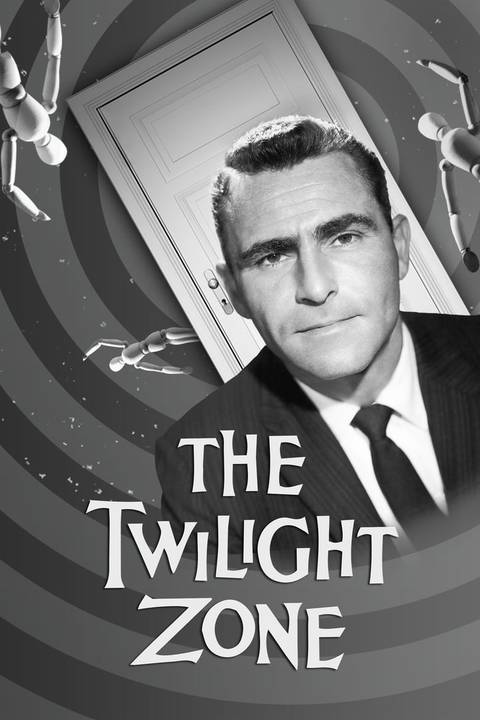
Release Date 1959 - 1964
Showrunner Rod Serling
Directors John Brahm, Buzz Kulik, Douglas Heyes, Lamont Johnson, Richard L. Bare, James Sheldon, Richard Donner, Don Medford, Montgomery Pittman, Abner Biberman, Alan Crosland, Jr., Alvin Ganzer, Elliot Silverstein, Jack Smight, Joseph M. Newman, Ted Post, William Claxton, Jus Addiss, Mitchell Leisen, Perry Lafferty, Robert Florey, Robert Parrish, Ron Winston, Stuart Rosenberg
Writers Charles Beaumont, Richard Matheson, Earl Hamner, Jr., George Clayton Johnson, Jerry Sohl, Henry Slesar, Martin Goldsmith, Anthony Wilson, Bernard C. Schoenfeld, Bill Idelson, E. Jack Neuman, Jerome Bixby, Jerry McNeely, John Collier, John Furia, Jr., John Tomerlin, Lucille Fletcher, Ray Bradbury, Reginald Rose, Sam Rolfe, Adele T. Strassfield





 English (US) ·