

Published Feb 18, 2026, 6:00 PM EST
Faith Roswell is a Senior Writer on Screen Rant's Classic TV team. Since earning her degree in Creative Writing over a decade ago, Faith has written articles on film and TV from a variety of different angles. Faith now combines her knowledge of psychology with her love of monster movies to give more insight into what makes the best ones.
You may have read her Screen Rant lists and features covering horror, sci-fi, and fantasy, or read her Amazon Top 10 book, "Movie Monsters of the Deep."
Faith has had an extensive career as a writer, appearing on BBC live radio, researching true crime for Rotten Mango podcast, and writing for publications including Mental Floss, Atlas Obscura, and The Daily Jaws before beginning here at Screen Rant.
The Harry Potter movie franchise defined a generation through its adaptation of the seven-part book series, but the source material has not aged well, and there are some other masterpiece fantasy movie franchises that are better than Harry Potter. While Harry Potter includes many fantasy genre staples like a "chosen one" storyline and fantastical creatures, other fantasy movies have been more creative with these.
The fantasy genre often recycles storylines and plot points, but great series use these as a starting point to create something that feels fresh and new. Even underrated fantasy franchises can transport viewers to another world, and while Harry Potter is one of the most famous, fantasy franchises like Harry Potter prove that there is more out there, and often better.
Dune
 Courtesy of Everett Collection
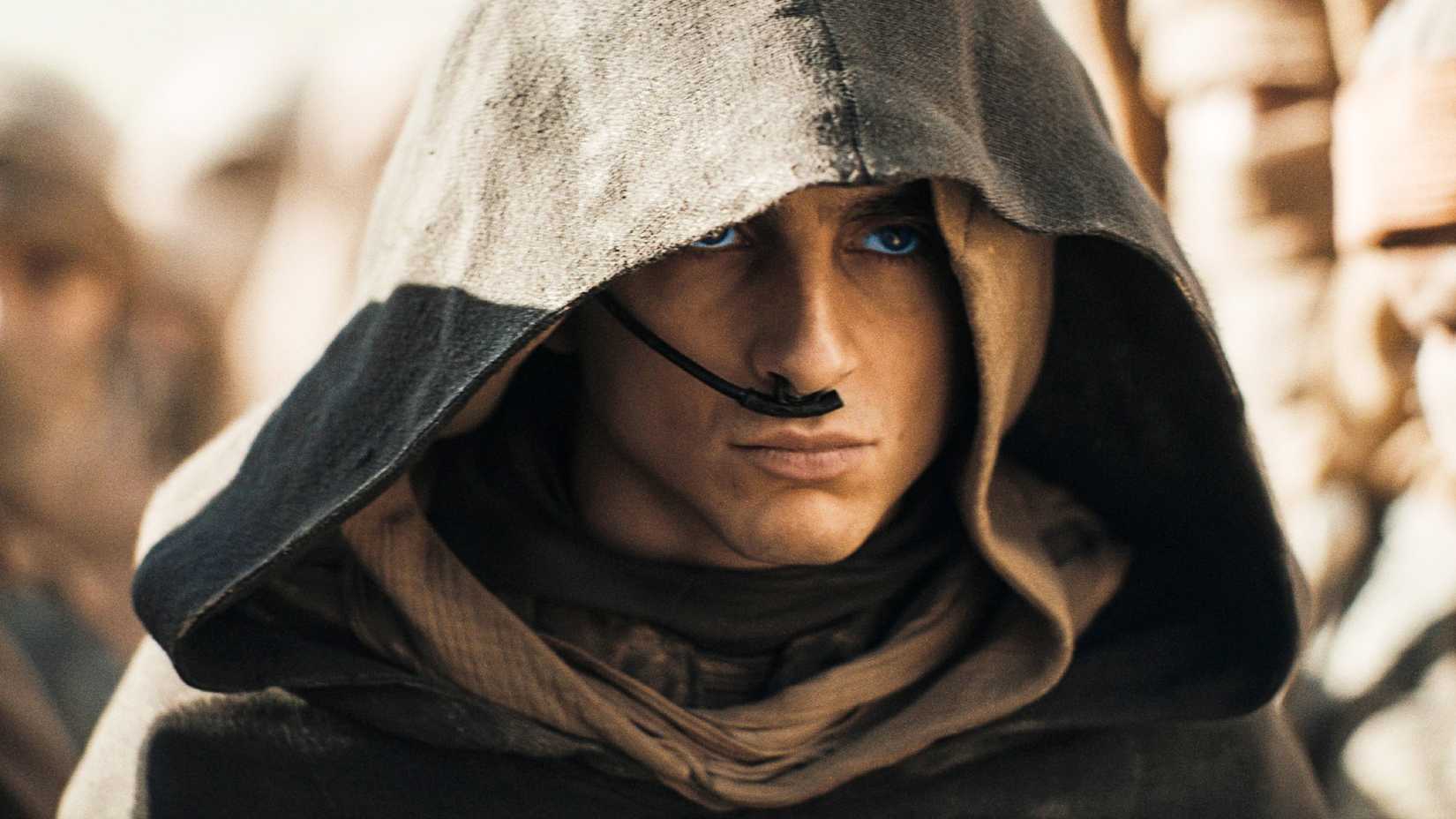
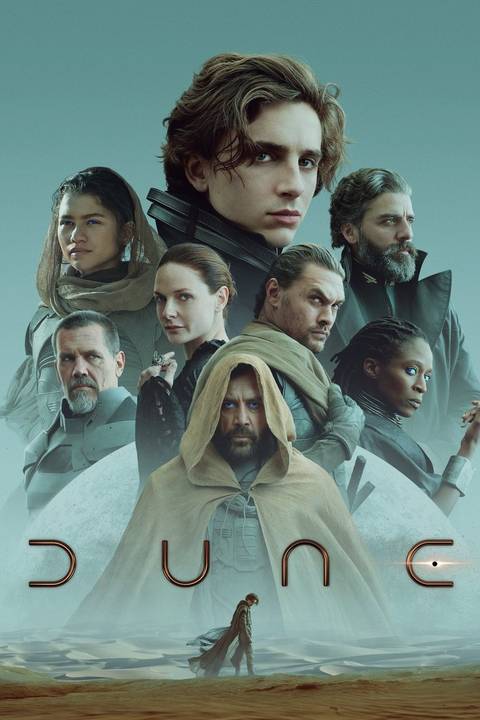
Harry Potter ended up growing too big for its target audience. The series started as a childrens' tale, with character names that hinted at their professions, like Professor Sprout, who taught Herbology. However, this kept the series feeling childish despite its dark themes. The expansive world of Dune feels more mature and exciting than Harry Potter, with similar themes but deeper worldbuilding.
Frank Herbert's Dune books cover a long timeline that has a "chosen one" storyline, and the series was once considered unadaptable due to its complexity. However, Denis Villeneuve created a masterpiece in his adaptation, which covers two parts of the story so far. These have a 90% and 95% Rotten Tomatoes fan rating, respectively, with a third movie coming in 2026.
The story follows Paul Atreides, who, like Harry Potter, is considered "the chosen one" after his family was betrayed. However, the story goes much deeper than Paul and his legacy. The question of whether Paul Atreides is a hero or a villain still inspires fan debates, and Dune is likely to remain an iconic fantasy franchise for years to come.

Star Wars
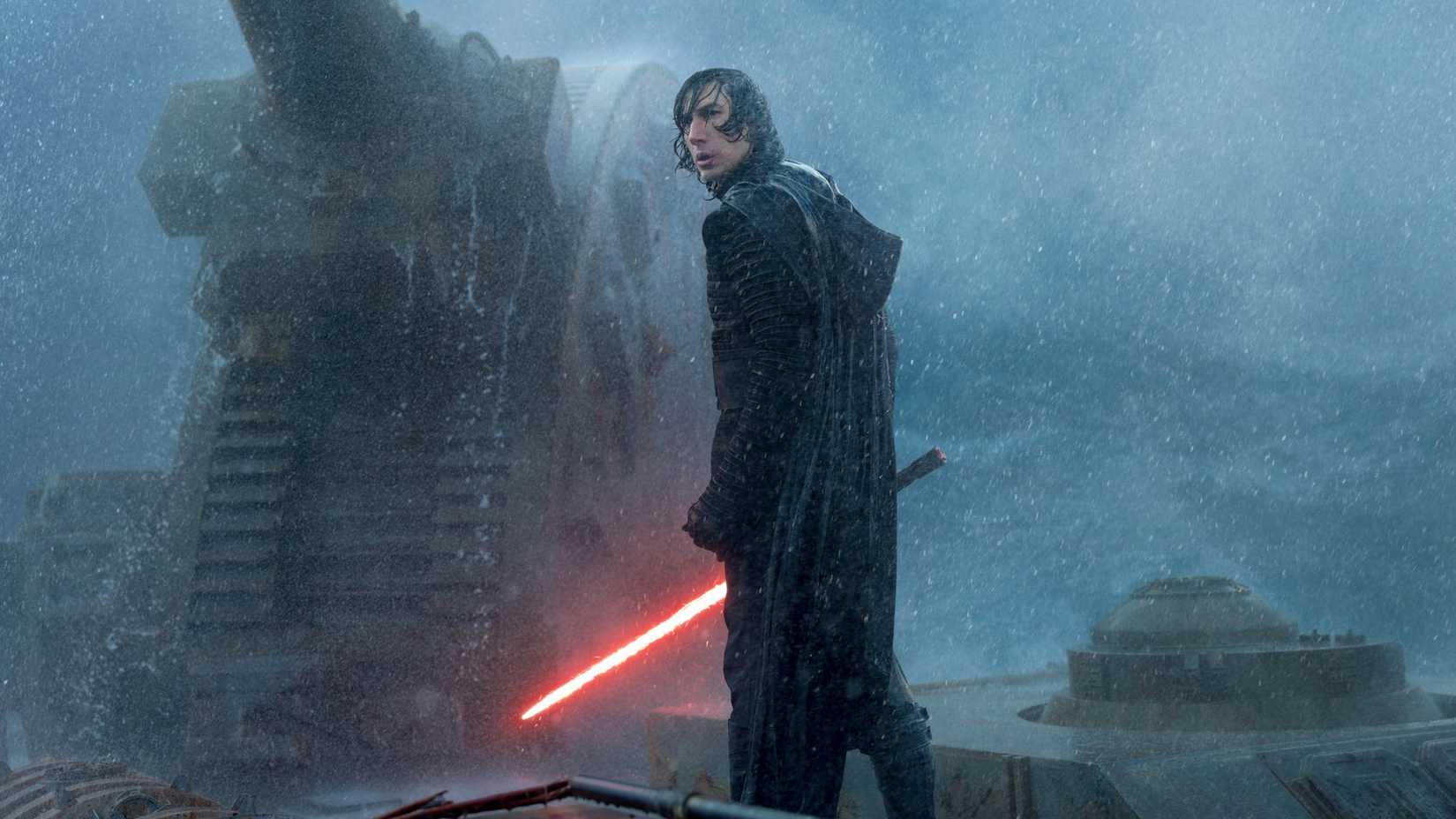
The Harry Potter movies follow Harry and his two main friends for their school years, but include other characters who are arguably more interesting despite their lack of screentime. However, each movie in the Star Wars franchise has several fan-favorite characters, even if the movies vary in quality. This has led to some great character-focused spin-offs, like Andor.
Star Wars explores far more of its universe and the diverse characters living in it, which makes the franchise endlessly fascinating, with its villains often forming the best part. Darth Vader is widely regarded as one of the best movie villains of all time, and while Lord Voldemort has an interesting backstory, he has much less screen presence than many Star Wars antagonists.
Harry Potter may have made household names of its main stars, but aspects of Star Wars are often recognizable even to people who have not seen any of the movies. Lightsabers, Darth Vader's breathing apparatus, and the theme music have passed into movie legend, and the franchise has had one of the biggest and longest-lasting cultural impacts of all time.
Pirates of the Caribbean
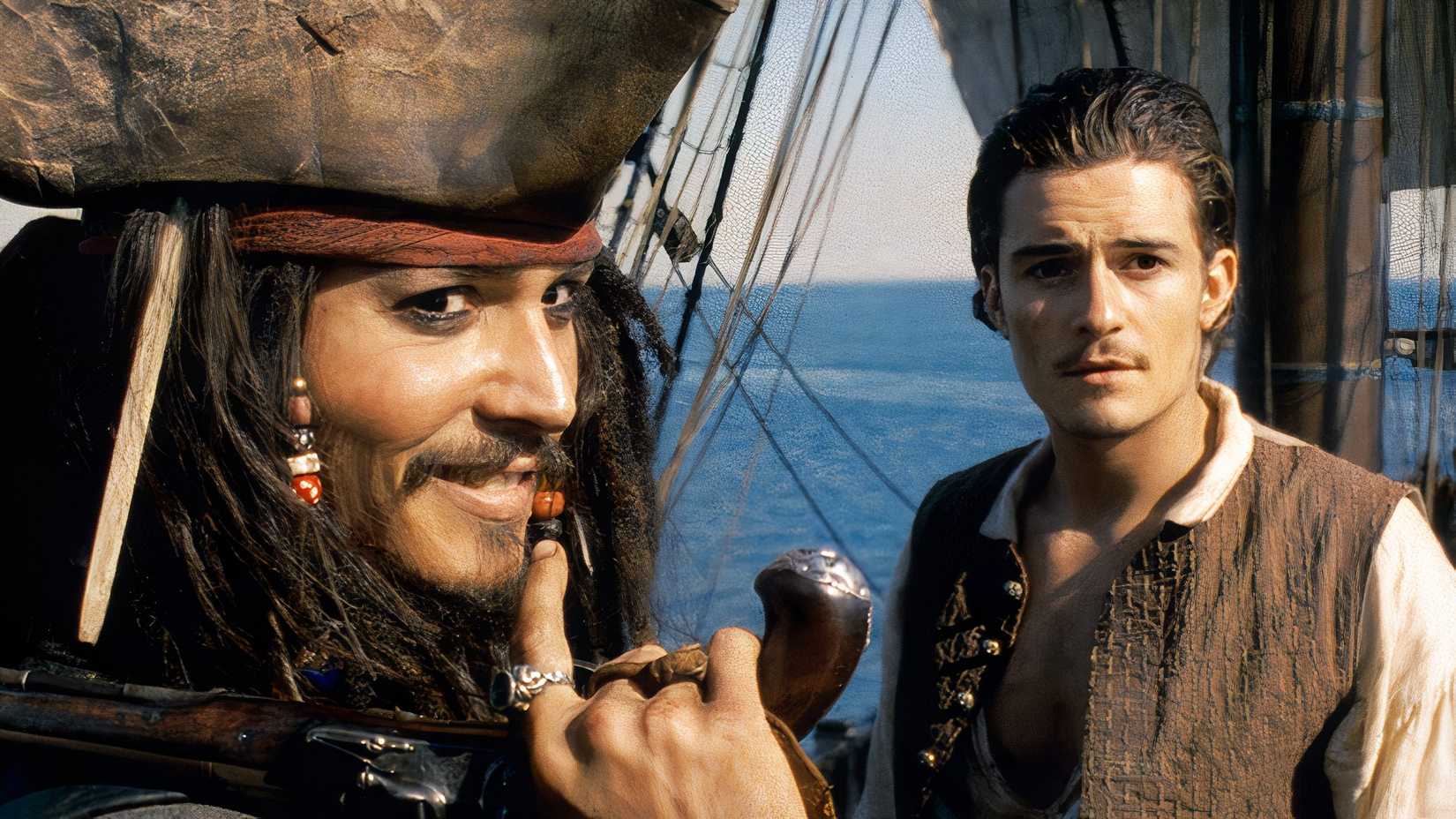
A theme park ride may be an unusual inspiration for a movie franchise, but the Pirates of the Caribbean franchise, which was inspired by the Disney ride, became a major success against the odds. Part of this was through Johnny Depp's standout performance as the charismatic Captain Jack Sparrow, who is now one of the best movie antiheroes of all time.
While the later Pirates of the Caribbean movies did not achieve the success of the first three in the franchise, it was generally better than Harry Potter in terms of originality. Harry Potter had to adapt the source material, which was so detailed that many of the smaller moments were cut from the movies so they could advance the story.
This sometimes led to the movies feeling flat compared to the books, with the main characters losing some of their best lines and moments of character development, especially Ron Weasley, who was often reduced to a comedic sidekick. On the other hand, virtually all the characters in Pirates of the Caribbean felt three-dimensional and interesting at all times, and even Barbossa showed emotional depth.
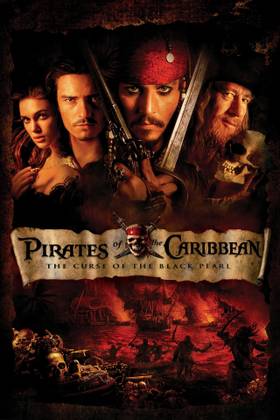
Created by Gore Verbinski, Jerry Bruckheimer
How To Train Your Dragon
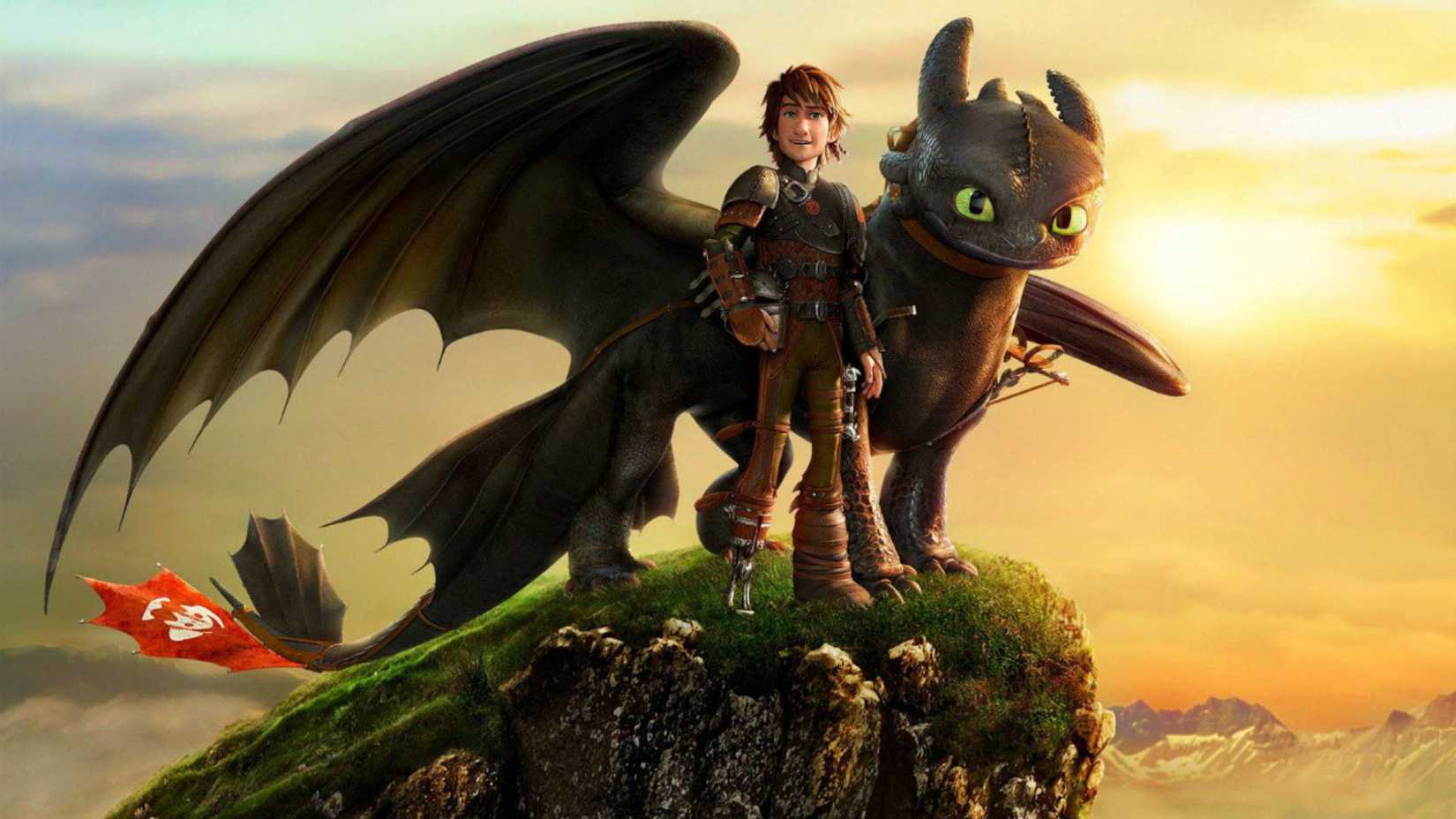
Harry Potter features dragons, but while the book series treated them as props rather than characters, the dragons in the How to Train Your Dragon franchise are fully-realized characters. The movies were based on Cressida Cowell's book of the same name, and each of the dragons has a distinct personality, though their mannerisms and behaviors are inspired by cats.
While the Harry Potter movies offer a glimpse of several magical creatures, they were not fully explored until the magical zoologist Newt Scamander had his spin-off, Fantastic Beasts and Where to Find Them. Fans of fantasy creatures may prefer the How to Train Your Dragon franchise, as Hiccup and Toothless have a deeper partnership than Harry and Hedwig.
The Harry Potter franchise has been criticized for its lack of diversity, while the main characters in How to Train Your Dragon are both amputees. The injuries are significant and visibly accommodated, without being their defining features. With a 99% positive critics' rating on Rotten Tomatoes, the first How to Train Your Dragon movie has a higher score than any of the Harry Potter movies.

Created by Cressida Cowell, Chris Sanders, Dean DeBlois
First Film How to Train Your Dragon
The Mummy
 ©Universal/courtesy Everett Collection
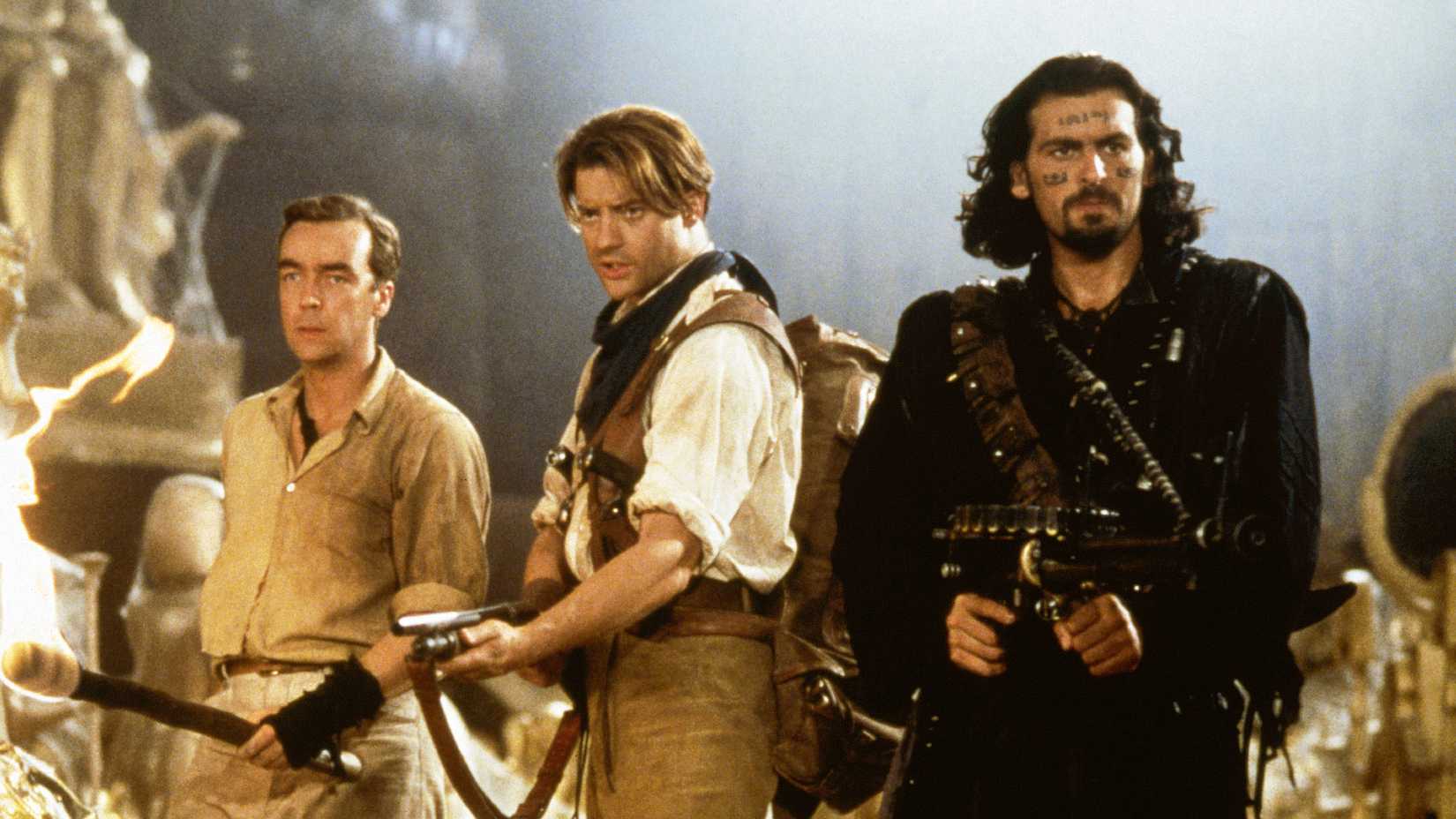
One of the major failings of the Harry Potter movie adaptations is the way it cut many of the book's funniest scenes. Harry and Ginny's snarky comments were removed, while many of Ron's most insightful lines were given to Hermione, leaving him as a repetitive comic relief character. On the other hand, The Mummy franchise embraces its camp humor, making it a better fantasy series.
Harry Potter's combination of sinister and silly does not always translate well to the screen, while The Mummy gets the balance spot-on. This was partly due to the charisma of the leads and the practical effects, which still hold up well today. The scene in which scarabs eat an unpleasant character is a perfect example of the franchise blending horror and humor.
Another casualty of so much material being cut from Harry Potter is the relationship between Harry and Ginny. The movies suffered from their lack of chemistry, while Rick and Evelyn's chemistry in The Mummy made them an iconic fantasy couple. The fact that both Brendan Fraser and Rachel Weisz are returning for The Mummy 4 is a testament to their characters' excellent partnership.
Created by Stephen Sommers, Nina Wilcox Putnam, Richard Schayer
First Film The Mummy (1932)
The Lord Of The Rings
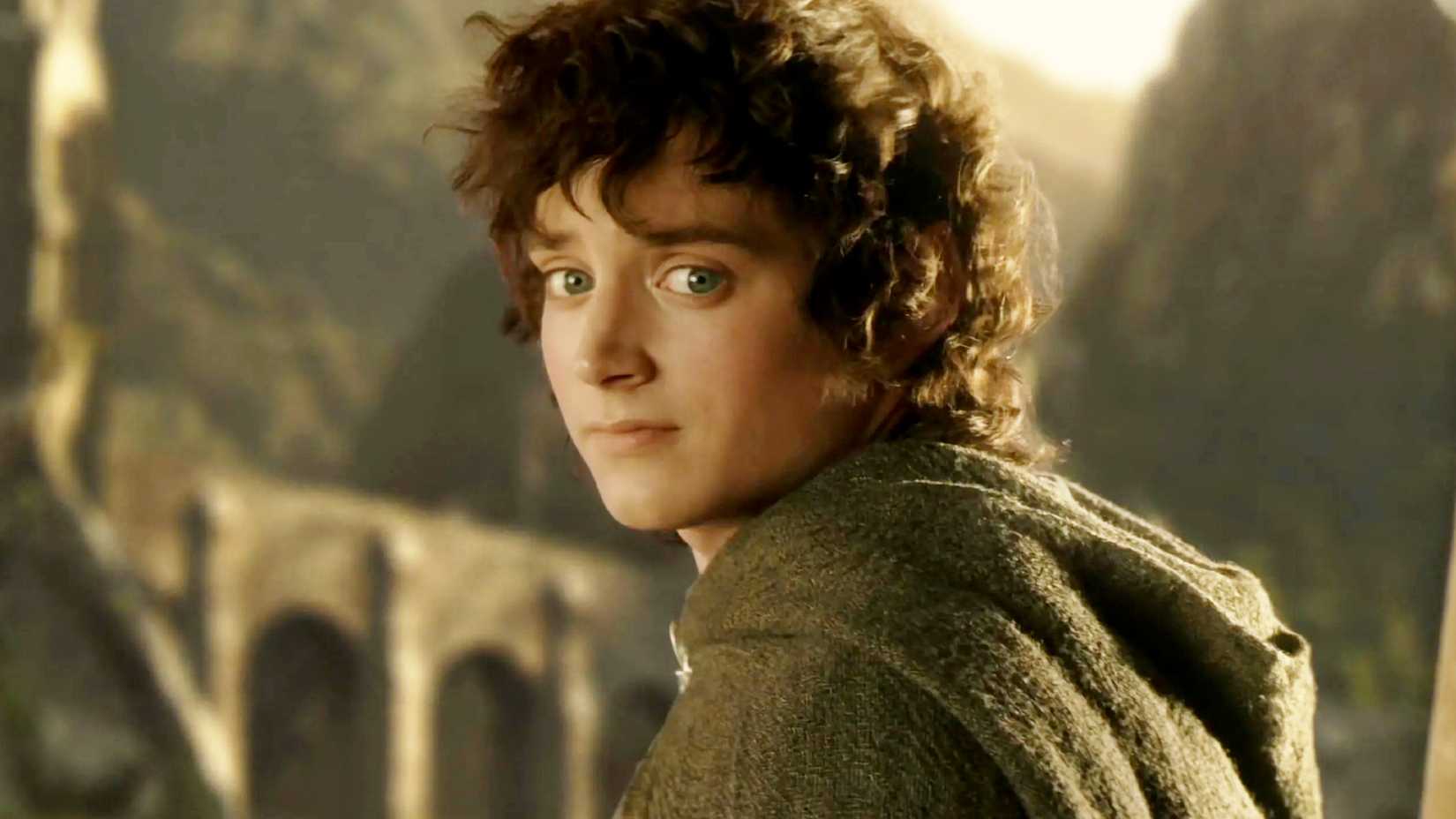
The Lord of the Rings is arguably the only fantasy franchise without a single bad movie, and one of the greatest onscreen achievements of all time. The movies were groundbreaking in terms of visual effects, soundtrack, and story, with Peter Jackson knowing which scenes to cut from the source material, like Tom Bombadil's character, and which to develop, like Arwen's story.
Like Harry Potter, The Lord of the Rings also features a "chosen one" character arc, but the two are treated very differently, with The Lord of the Rings conveying the pain of this responsibility more clearly. The scenes in which the ring affects Boromir's personality are built up to a heartbreaking conclusion, while Ron's scenes with the Horcrux feel rushed, losing their impact.
Harry Potter had four different directors, which led to the movies feeling very different from each other in terms of tone and quality. On the other hand, the Lord of the Rings movies were shot at the same time, with the same creative team. This gave the franchise a more cohesive feel, with the same visual style and a more tightly-woven story.
Created by J.R.R. Tolkien



 English (US) ·