
Cinema history goes back further than the 1910s, but that was probably the first “complete” decade if you're talking about feature-length films, since movies that were more than a few minutes long were pretty rare, pre-1910s. If the first decade of the 20th century is incomplete, or not fully populated with feature films, then so too is the current decade: the 2020s. There have been great movies released within the decade so far (like Sinners, Everything Everywhere All at Once, and Aftersun), but in the interest of trying to be fair, it’s more appropriate to wait until the decade’s actually over before comparing it to all the decades that have come before.
Rather than ranking all the complete decades (from the 1920s to the 2010s, there are 10 complete ones), here’s a rundown of the five best. It’s not easy to do, and even with specifying a few examples for each decade, you're never going to be able to mention every great movie from each of the decades in question without writing a full-on book, as opposed to an article. So, plenty of great movies won’t be mentioned. And five decades that themselves contain at least some great movies won’t be ranked, but they might be worth talking about in relation to certain decades that are included below.
5 The 1980s
 Image via 20th Century Studios
Best summarized as “the blockbuster decade,” even if the earliest blockbusters did come out in the 1970s (“blockbuster” as the term is currently understood; movies did indeed make money before then), the 1980s was a big decade for broadly approachable films. The preceding decade was well-regarded for the auteur-driven movies that came out a lot, and the very start of the 1980s is seen as the death of New Hollywood, yet much of what came in its wake was still very good. Like, all the genuinely good to great Indiana Jones movies came out in the 1980s, the best Star Wars movie came at the very start of the decade (The Empire Strikes Back), and then you also had Ghostbusters, The Terminator, Back to the Future, and Aliens, if you're talking easy-to-like American blockbusters.
On the artsier side of things, a couple of directors who’d been active since the 1940s turned out incredibly impressive and ambitious films in this decade; namely, Ingmar Bergman, with Fanny and Alexander, and Akira Kurosawa, with Ran. If anything holds the 1980s back, it’s maybe a slight lack of risk-taking, just compared to both the 1960s and 1970s, and then there were also some pretty forgettable and questionable Best Picture winners this decade, like Chariots of Fire and (especially) Driving Miss Daisy. But Amadeus also won Best Picture in the ‘80s, and that one’s up there as one of the best of the Best Picture winners, in all honesty.
4 The 1920s
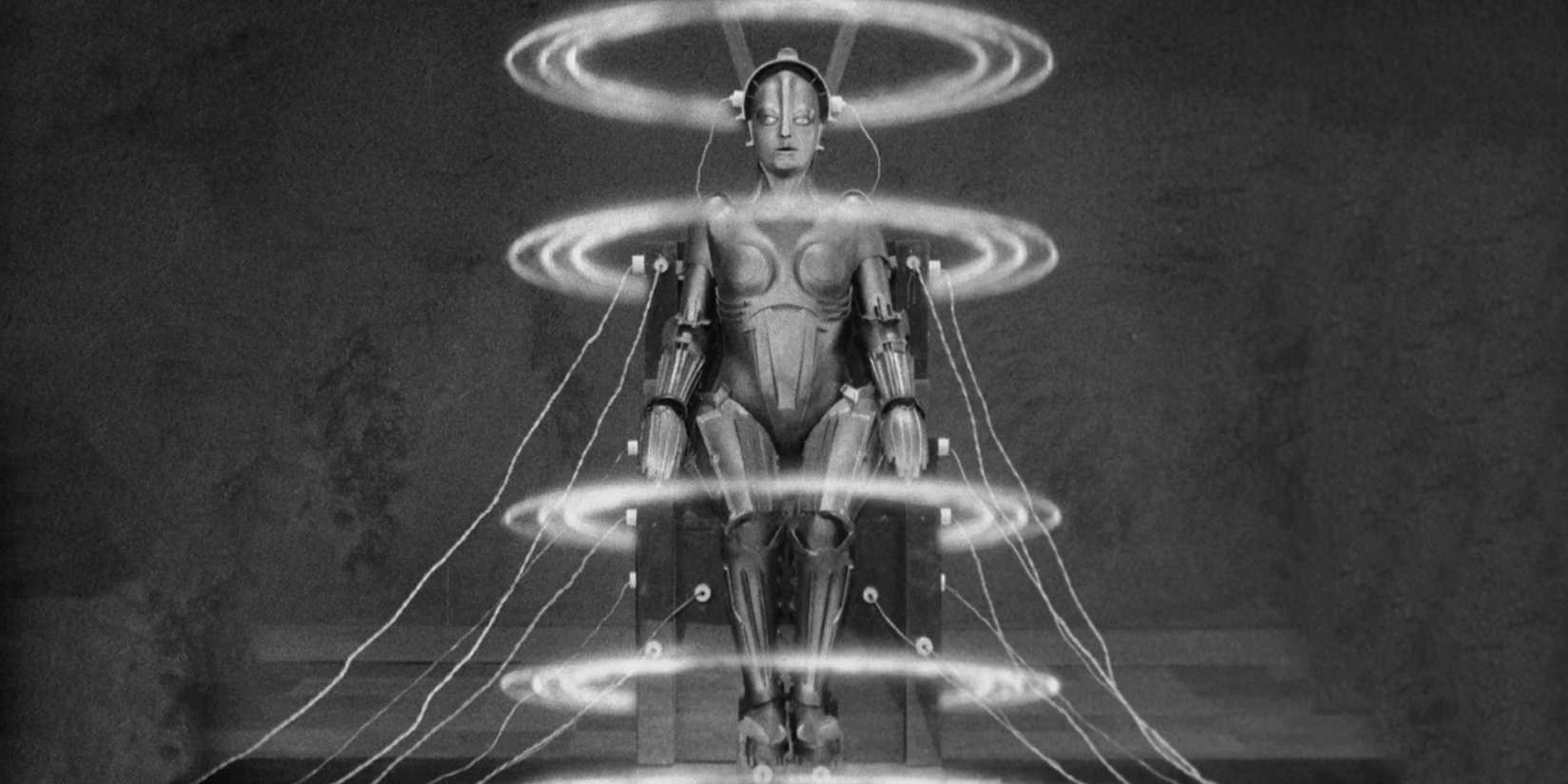 Image via Parufamet
This’ll be the biggest hot take here, especially once you get a bit further and notice which decades have been left out, while the 1920s has been added in. It’s got historical significance going for it, obviously, because while there were some movies from the 1910s that remain somewhat watchable (and certainly admirable) to this day, the 1920s was when people really seemed to work out what to do with cinema, as a medium/art form. The best silent movies came out this decade, obviously, but there is something to be said about how much was being done without the capacity for actors to actually say words out loud. The whole way of storytelling and getting information across on screen was different, and for the absolute importance of visuals over anything else, there’s an argument to be made that the 1920s was the ultimate decade for supporting the notion that film is a visual medium. Silent movies have been made since, though not many, and some movies have been praised for not relying on dialogue that much, but something was lost when sound (and dialogue) was gained.
With 1927, it’s one of the best years for cinema. It’s important, as a year, that the idea of talkies came into being, but what people were making in ways soon to be deemed “primitive” was often astounding.
It is true that not many great talkies came out in the 1920s. It wasn’t until 1927 that there were some movies with limited dialogue, and if you watch talkies from the last couple of years of the decade, they feel awkward (and then later movies, like Singin’ in the Rain and Babylon, have dramatized the struggle of this transition). But to stay with 1927, it’s one of the best years for cinema. It’s important, as a year, that the idea of talkies came into being, but what people were making in ways soon to be deemed “primitive” was often astounding. Metropolis, Sunrise, Wings, Napoleon, and The Unknown all came out that year, and if you watch those – plus some of the other great silent movies released earlier in the decade – it can prove bittersweet, when you consider how much better silent movies had gotten since the 1910s, and how much better still they might've gotten had the talkies not taken over. At least they figured out how to do dialogue less awkwardly after the 1920s, because, obviously, all the decades that are about to be mentioned are packed with “talkies.”
3 The 1950s
 Image via Toho
Overall, the 1950s was a nice and balanced decade. To address the decade that came before it, the 1940s didn’t feel quite as strong overall, even with heavy-hitters like Casablanca and Citizen Kane defining the decade. World War II probably played some role in movie productions taking a hit, and if you want to go back one more decade, to the 1930s, maybe the Great Depression hurt film industries to some extent, too. But the 1950s, even if it was a decade when the Hays Code was in effect (for American movies), was generally strong. There were some great film noir movies released, it was a strong decade for musicals, and it was also a decade when international movies started seriously competing with English-language ones.
Federico Fellini, Ingmar Bergman, and Akira Kurosawa are three of the big names on that side of things, while back in Hollywood, epics were really pushing things in terms of scale, perhaps as a response to television becoming an increasingly popular medium, and therefore a competitor to cinema. Alfred Hitchcock also made several of his best-ever movies in this decade, and it’s also worth highlighting how acting started to change and arguably get better, or at least a little more grounded (see Marlon Brando in A Streetcar Named Desire and On the Waterfront, and possibly Paul Newman in Cat on a Hot Tin Roof for examples).
2 The 1990s
Well, it really comes down to two decades, if you're trying to figure out the best of all time, and so here’s the one that’s not the 1970s: the 1990s. At the time of writing, all the films of the 1990s are probably old enough to be considered classics, since even the 1999 releases are more than a quarter of a century old, which plays some role in the decade feeling stronger, at this present time, than the 2000s. A few movies from the 2000s still have to withstand a little more by way of years passing, before they're definite classics. This insistence on focusing on cinema that’s aged well, or feels historically important, is why the 1920s was mentioned earlier, and why the 2020s is absolutely out of the question, at least until it’s over and no longer the “present” decade.
As for the 1990s, there was something of a bounce back for slightly more risky movies, at least compared to the 1980s. The 1980s was dominated by directors who made names for themselves in the 1970s or earlier, while in the 1990s, it felt like there was a genuinely high number of directors who made bold and instantly iconic feature film debuts. There were plenty of amazing crime/thriller movies, its fair share of classic comedies, and enough blockbusters to almost rival the 1980s in that regard. It ended the century on a high note, to say the least, and it’s an endlessly rewarding decade to dig through, and find underappreciated films from.
1 The 1970s
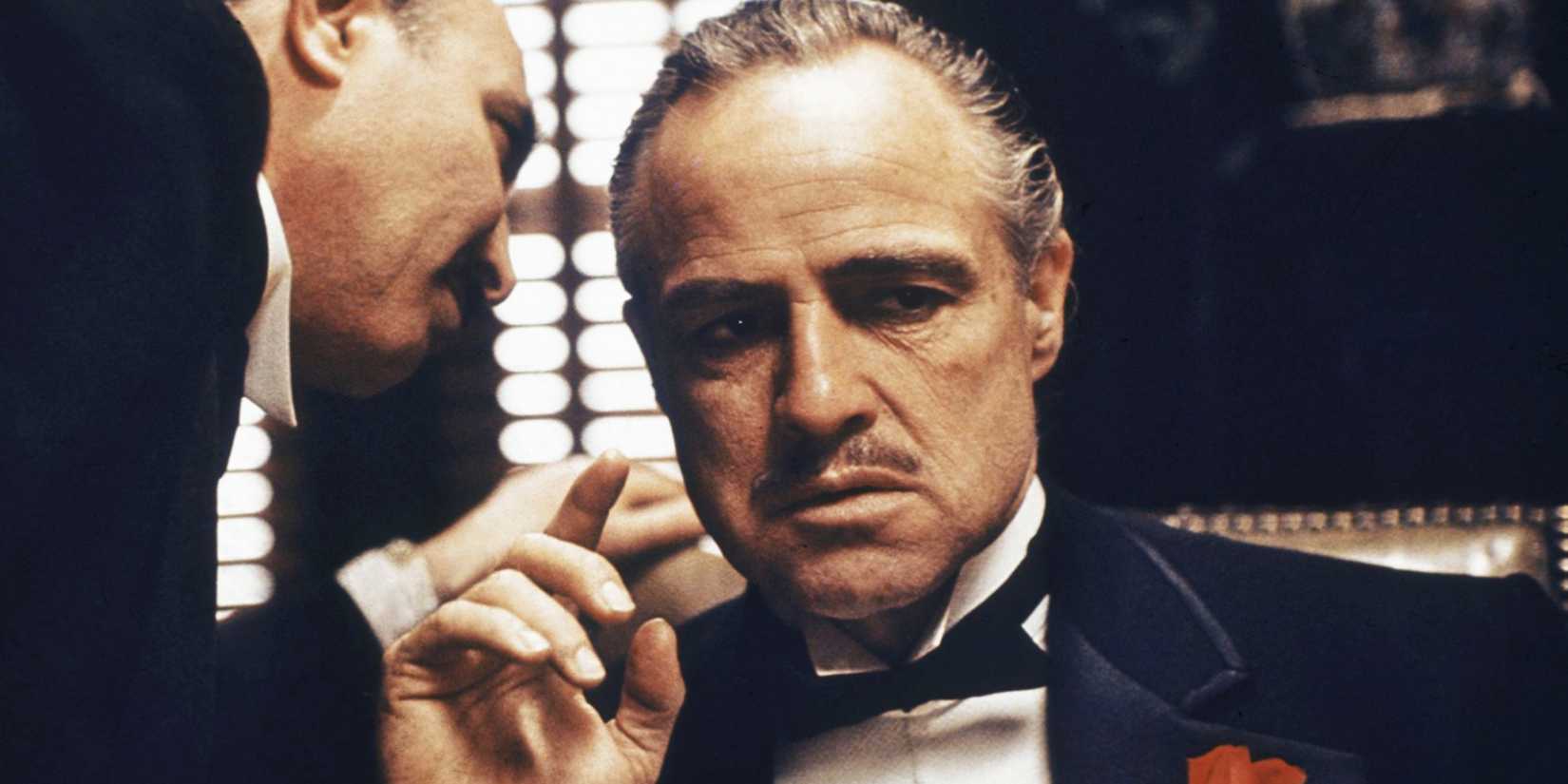 Image via Paramount Pictures
The 1970s was more than just the New Hollywood decade, but that’s a huge factor in why it was such an exciting decade for cinema. To be fair, that whole movement did begin at the end of the 1960s, and that decade still had its share of classics before things got a bit more radical, but the 1960s wasn’t quite as balanced as the 1950s, nor was it quite as exciting as the 1970s. 1967 to 1969 felt like an industry-level warm-up for pretty much the whole of the 1970s, and then there was something of a retreat from such radical films by the time the 1980s started.
You’ve got some amazing trilogies that began in the 1970s, including Star Wars (the first movie being a 1977 release) and The Godfather (with its less-than-amazing, though still not terrible, third movie not coming out until 1990). Alongside Star Wars, you also had Jaws, which was similarly impactful for blockbuster cinema as a whole, and there were challenging movies that actually got a ton of attention and money, so it felt like a healthy time for cinema (see The Exorcist and how successful it was). Whatever you want out of movies, as a medium or art form, you’ve got it in the 1970s. There really is something for everyone, and while it’s hard to say that there are objectively more classics from this decade, compared to any other decade, it does sometimes feel like there are the most classics (not to mention perhaps the “best” classics) from this decade.
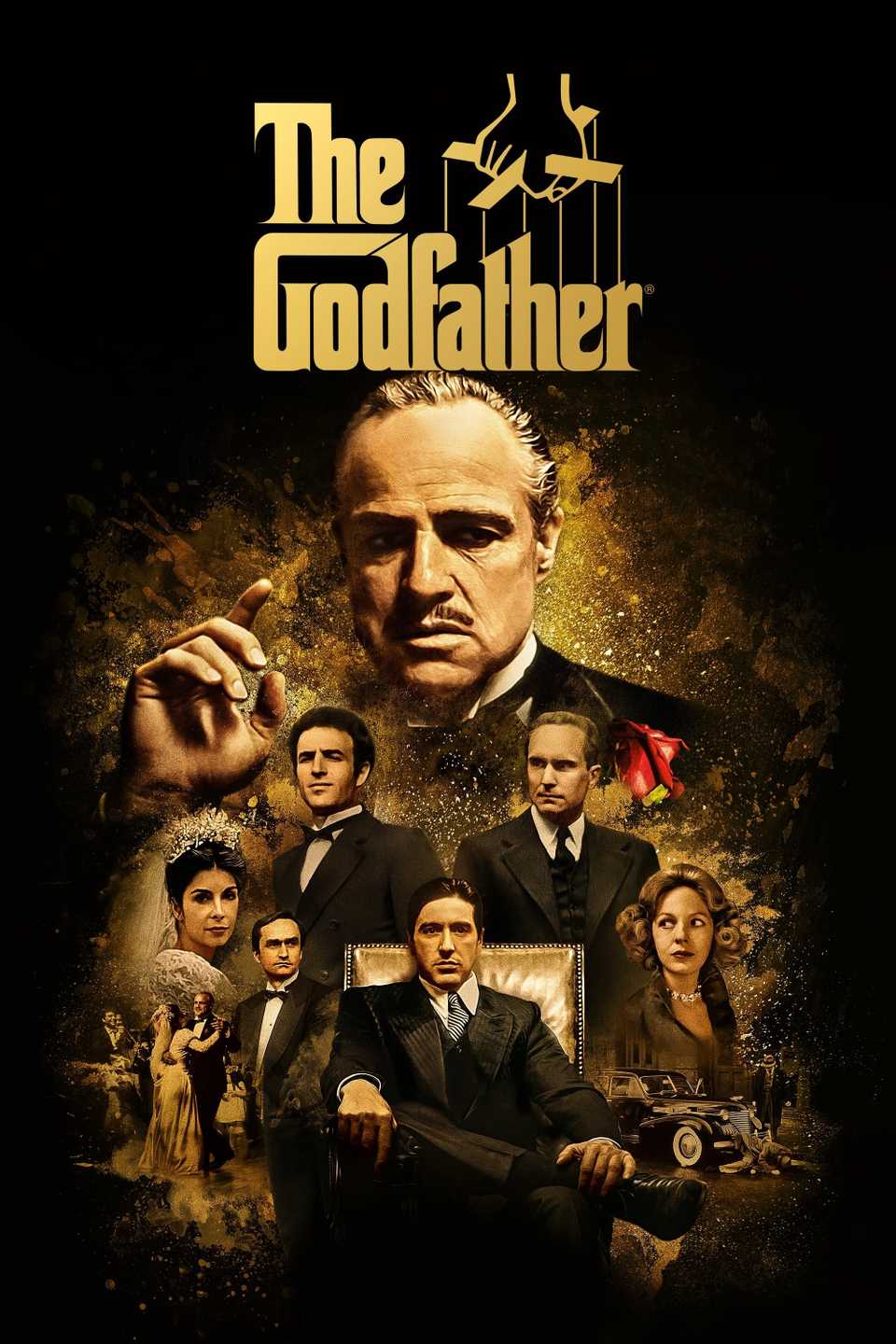
The Godfather
Release Date March 24, 1972
Runtime 175 minutes
Director Francis Ford Coppola
Writers Mario Puzo, Francis Ford Coppola
-

-

Al Pacino
Michael Corleone




 English (US) ·