
 Image via Newmarket/courtesy Everett Collection

Published May 16, 2026, 2:28 PM EDT
Kelcie Mattson is a Senior Features author at Collider. Based in the Midwest, she also contributes Lists, reviews, and television recaps. A lifelong fan of niche sci-fi, epic fantasy, Gothic horror, elaborate action, and witty detective fiction, becoming a pop culture devotee was inevitable once the Disney Renaissance, Turner Classic Movies, BBC period dramas, and her local library piqued her imagination.
Rarely seen without a book in one hand and a cup of coffee in the other, Kelcie explores media history (especially older, foreign, and independent films) as much as possible. In her spare time, she enjoys RPG video games, amateur photography, nerding out over music, and attending fan conventions with her Trekkie family.
How does one describe Donnie Darko? The answer depends on your perspective. Writer-director Richard Kelly's first film pulls from psychological thrillers, hard sci-fi, horror, morbid satire, and '80s coming-of-age dramas, but famously defies simplistic pigeonholing. First a theatrical flop, now an esteemed cult classic, the one certainty is how much the 2001 experimental indie movie deserves its enduring reputation.
Kelly's passion project is a directorial debut of triumphant skill and philosophical gravity — magnificently peculiar, mind-meltingly dense, and altogether riveting — even as the hairs on the back of your neck prickle with wariness. This enigmatic puzzle isn't just sublime enough to warrant multiple viewings; viewers owe it to themselves to rewatch in order to catch the intricacies and foreshadowing. Even then, Donnie Darko remains open to interpretation. That obscurity guarantees an infinitely rewarding experience.
What Is 'Donnie Darko' About?
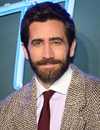
Intelligent but insular, the titular Donnie (Jake Gyllenhaal's career-making role) seems targeted by some twisted manifestation of fate itself. Of all the inexplicable places a plane's faulty jet engine could crash-land, the apparatus strikes his bedroom. The accident leaves Donnie's parents and two sisters unscathed. Donnie only survives because his sleepwalking habit took him to a golf course — and perhaps thanks to the intervention of Frank (James Duval), a towering, demonically menacing rabbit-man only Donnie can see.
Naturally, this talking bunny prophesies about the end of the world. His ominous proclamations — including time travel and parallel dimensions — intimate that the responsibility of averting the imminent apocalypse falls upon Donnie's shoulders. The 16-year-old doesn't need one more thing on his beleaguered, adolescent-angst plate. As the passing days tick ever closer to doomsday, Donnie's psychiatrist (Katharine Ross) diagnoses the frightened young man with paranoid hallucinations, while Frank forces Donnie into violent acts of rebellion.
'Donnie Darko's Spellbinding Strengths Haven't Aged a Day
Almost a reverse It's a Wonderful Life filtered through David Lynch's grisly suburban sensibilities, Donnie Darko's veiled metaphors capture universal experiences with piercing directness. The turmoil of the late '80s serves as an ideal launching pad for adolescent uncertainty and discontent. Aside from his affectionate parents (Holmes Osborne, Mary McDonnell) and Donnie's two compassionate teachers (Noah Wyle, Drew Barrymore), the surrounding adults, at best, offer sympathies but no concrete solutions. At worst, hypocrites weaponize Reagan-era politics against marginalized communities, moralizing parents champion book-banning, and criminals hide behind self-help platitudes.
Comparatively, Donnie Darko's teenagers are wise enough to see through the world's falsehoods. Even at their most confused and inexperienced, they interrogate cultural norms, defy authority, and create their own solutions. Kelly roots his morbid riff on high school life in generous sensitivity, validating the intense emotionality driving an archetypical teenager's malaise-turned-existential-crisis. Remove Frank's influence, and Donnie already experiences both ubiquitously punishing conflicts and mental health difficulties: depression, anxiety, insecurity, isolation, ostracization, sexual repression, contemplating the fragility of our own mortality. This particular child just happens to have theoretical physics and potential messianic self-sacrifice layered atop his maelstrom.
 Related
Kelly's remarkably nimble tone drenches Donnie Darko's twisty musings within an atmosphere of potent dread. Every surreal, macabre symbol and disorienting artistic flourish holds meaning. Portents of doom and futility haunt every corner. Other moments recall the hazy rhythm of sleepwalking or the powerlessness of a half-awake dream, while others still exhibit a delicate, contemplative, devastatingly precise humanism. Cinematographer Steven Poster, editors Sam Bauer and Eric Strand, and composer Michael Andrews help construct an overall musicality, both obliquely and directly choreographed to classic Tears for Fears tunes.
Although it's too easy to label any idiosyncratic project as "special," Donnie Darko's thematic relevance and ambiguous artistic vision (which Kelly refused to compromise) have just kept improving. One never grows weary of rewatching Kelly's masterwork. With the benefit of time, we only appreciate this fully realized, subversive, poignant, and unforgettable experience even more.

Donnie Darko
Release Date October 26, 2001
Runtime 114 minutes
Director Richard Kelly
-
Jake Gyllenhaal
Donnie Darko
-





 English (US) ·