
 Image via Paramount Pictures

Published May 9, 2026, 2:28 PM EDT
Sign in to your Collider account
Thriller movies usually sit in a strange place for me, because even when they are well-made, there’s always a small gap between a good one and one that actually stays in mind after it ends. Some films manage to build tension in a way that feels steady from start to finish, while others lose that grip halfway through, even if the setup was strong. That difference becomes more noticeable the more you watch within the genre.
Over time, it becomes easier to separate the films that just work in the moment from the ones that stay structured in a way that keeps everything aligned until the end. The ones that come close to perfection usually don’t rely on big twists alone, but on how controlled the storytelling feels throughout. These 10 sit right at that edge, and only very little feels out of place.
10 ‘Prisoners’ (2013)
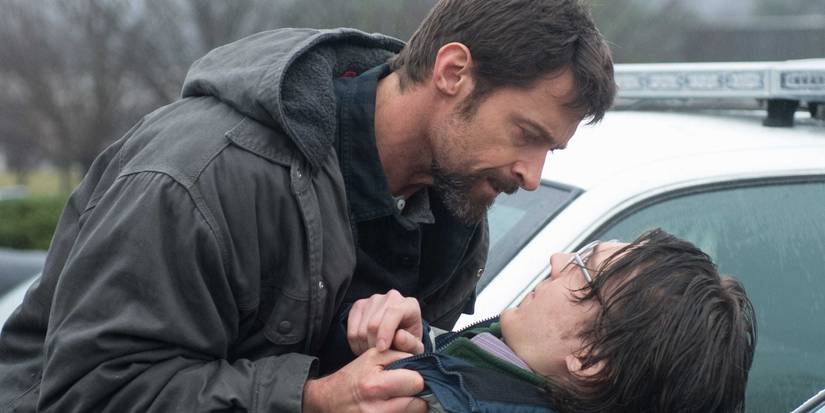 Image via Warner Bros.
Prisoners opens with a situation that feels painfully ordinary before it turns into something much harder to sit with. Keller Dover (Hugh Jackman) is dealing with the disappearance of his daughter, and the film stays close to how quickly that loss starts affecting his choices. Detective Loki (Jake Gyllenhaal) works the case from a different angle, and the story keeps moving between the two without trying to rush either side.
The search doesn’t move in a straight line, and that’s where the film starts to feel more controlled. Keller keeps pushing further, even when it’s clear he’s losing control of what he’s doing, while Loki continues to follow smaller details that don’t always lead anywhere right away. Those two paths keep crossing without fully connecting, and that tension holds the film together from start to finish.
9 ‘The Game’ (1997)
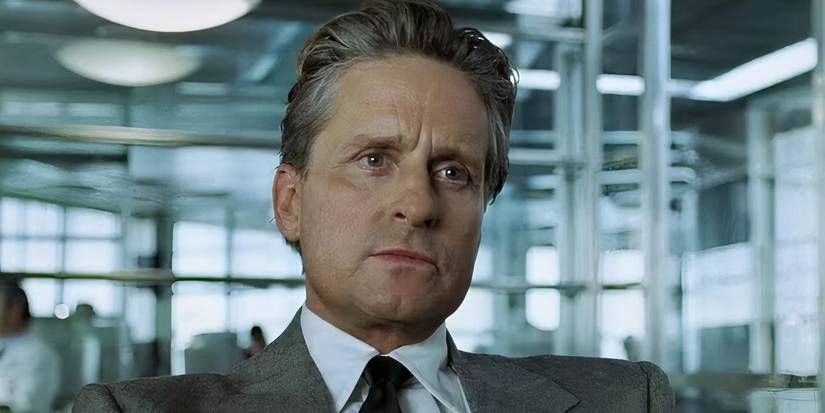 Image via PolyGram Filmed Entertainment
The Game builds its tension around a simple idea that keeps getting harder to define the longer it goes on. Nicholas Van Orton (Michael Douglas) signs up for an experience that is supposed to break his routine, but the film never makes it clear where that experience begins or ends. From that point, everything starts to feel uncertain, and the story leans into that confusion without offering easy answers.
Nicholas tries to regain control as things around him start to shift in ways he can’t predict, and the film keeps placing him in situations where every choice feels questionable. Christine (Deborah Kara Unger) becomes part of that uncertainty, and her presence only adds to the doubt rather than clearing anything up. The story keeps moving forward without stopping to explain itself, which is what keeps the tension steady throughout.
8 ‘Zodiac’ (2007)
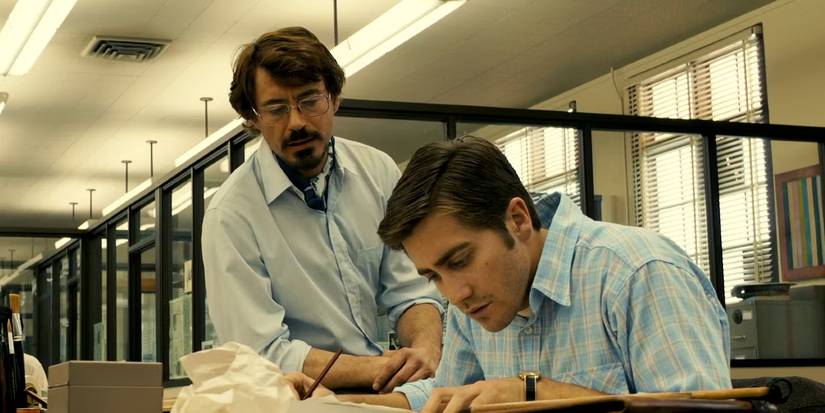 Image via Paramount Pictures
Zodiac starts with a case that never really settles, and the film stays with that uncertainty instead of trying to resolve it too quickly. The investigation moves through different people over time, especially Robert Graysmith (Jake Gyllenhaal) and Dave Toschi (Mark Ruffalo), and the story keeps returning to how the search slowly takes over their lives. It doesn’t push forward in a straight line, and that lack of closure becomes part of what holds your attention.
The longer it goes on, the more the focus shifts from solving the case to living with not knowing. Graysmith keeps digging even when the leads start thinning out, while Toschi begins to pull back as the case drags on. Those choices shape how the story feels, because it never tries to force a clean ending. It stays grounded in the process, and that’s what makes it difficult to shake off.
7 ‘Michael Clayton’ (2007)
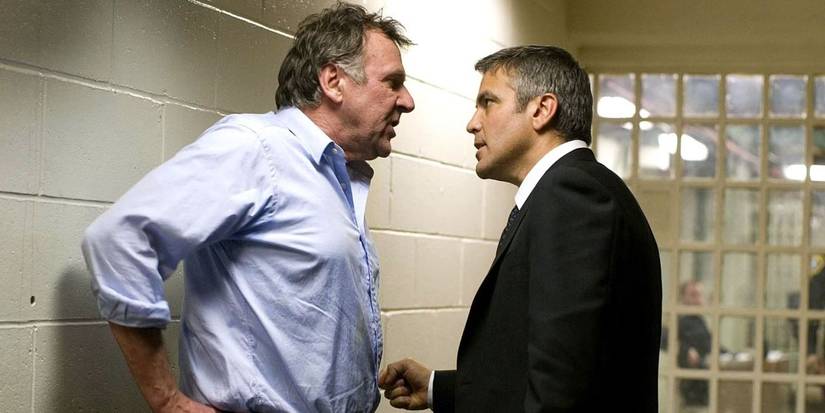 Image via Warner Bros. Pictures
Michael Clayton stays close to its main character from the beginning, and it doesn’t rush to explain the situation he’s in. Michael Clayton (George Clooney) works as a fixer at a law firm, dealing with problems that others don’t want to handle directly. The film introduces its central conflict through Arthur Edens (Tom Wilkinson), whose breakdown begins to expose something much larger beneath the surface.
As more details come out, the story keeps narrowing its focus instead of expanding outward. Michael isn’t chasing action, he’s trying to understand what he’s already part of, and that makes each decision feel more deliberate. Karen Crowder (Tilda Swinton) adds another layer to that pressure, especially in how carefully she tries to control the situation. The film moves steadily, and that control is what keeps everything tense without needing dramatic turns.
6 ‘Gone Girl’ (2014)
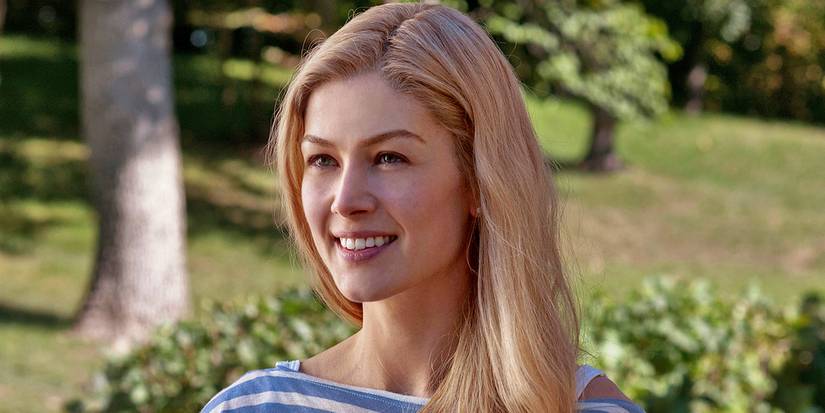 Image via 20th Century Studios
Gone Girl begins with a disappearance that quickly turns into something much harder to read. Nick Dunne (Ben Affleck) finds himself at the center of the case when Amy (Rosamund Pike) goes missing, and the film stays with how that situation shifts in public and private at the same time. It doesn’t rush to take a side, and that uncertainty keeps everything slightly off from the start.
The story keeps changing between what is shown and what is suggested, and that gap becomes more noticeable as details start to come out. Amy’s presence is felt even when she isn’t on screen, especially through how others describe her and how Nick reacts to that pressure. The film keeps circling the same question without answering it too early, and that control is what keeps the tension steady.
5 ‘No Country for Old Men’ (2007)
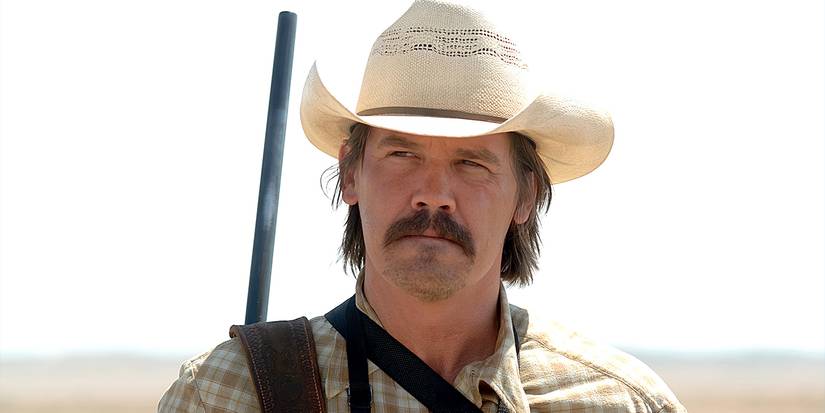 Image via Miramax Films
No Country for Old Men moves in a very direct way, and it doesn’t try to explain more than it needs to. Llewelyn Moss (Josh Brolin) comes across a deal gone wrong and makes a choice that puts him in a situation he can’t easily get out of. From there, the film follows how that decision brings Anton Chigurh (Javier Bardem) into his path, and it never softens what that means.
The film keeps returning to small, quiet moments where each character is trying to stay one step ahead. Sheriff Bell (Tommy Lee Jones) watches things from a distance, and his perspective adds a different kind of tension because he knows he’s always arriving too late. Nothing feels exaggerated, and that restraint makes the story feel more realistic as it moves forward.
4 ‘The Silence of the Lambs’ (1991)
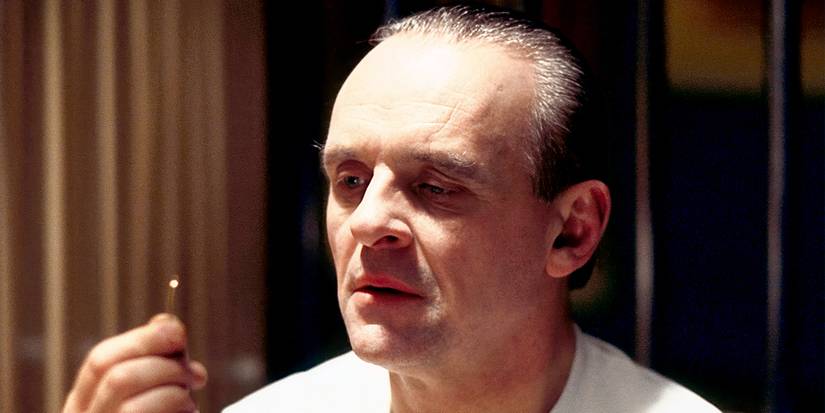 Image via Orion Pictures
The Silence of the Lambs keeps things focused from the start, and it doesn’t take long to show what kind of story it wants to tell. Clarice Starling (Jodie Foster) is still in training when she’s asked to speak with Hannibal Lecter (Anthony Hopkins), and those early conversations shape the story as it moves forward. The film doesn’t rush through those scenes, and it lets the tension build through what is said and what is left unsaid.
That back-and-forth becomes central as Clarice continues working the case, especially with Buffalo Bill (Ted Levine) still out there. Each visit with Lecter adds something, even when it feels like he’s holding back more than he shares. The film stays close to Clarice and doesn’t lose track of her perspective, which keeps everything grounded while the situation becomes more difficult to manage.
3 ‘Se7en’ (1995)
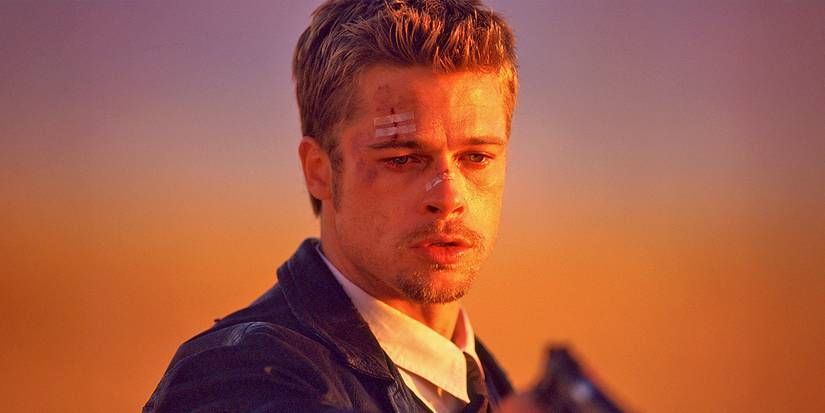 Image via New Line Cinema
Se7en starts with a familiar setup, but it quickly moves into something much darker. William Somerset (Morgan Freeman) is close to retirement, while David Mills (Brad Pitt) is just starting out, and their dynamic sets the tone early on. The case they take on begins to reveal a pattern, and the film doesn’t rush to explain it, letting each discovery add to the tension.
The story keeps tightening as the investigation goes deeper, and the crimes begin to feel more deliberate with each step. John Doe (Kevin Spacey) isn’t just acting randomly, and that realization changes how everything is viewed. The film relies on twists to stay engaging, but more than that, the buildup itself keeps the pressure steady all the way through.
2 ‘Chinatown’ (1974)
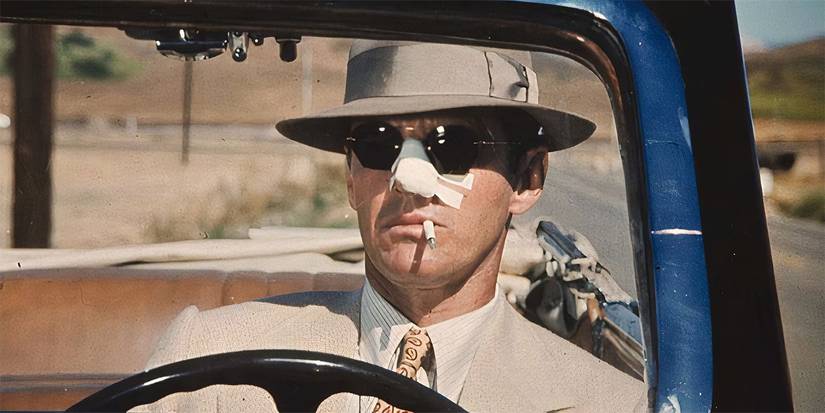 Image via Paramount Pictures
Chinatown starts with a simple case that doesn’t stay simple for long. Jake Gittes (Jack Nicholson) is hired to look into a personal matter, and at first, it feels like something he has handled before. That changes once he realizes he has been pulled into something much larger, and the film takes its time showing how little control he actually has over the situation.
Evelyn Mulwray (Faye Dunaway) becomes central to that shift, especially as more of the truth starts coming out through her. Jake keeps pushing forward, even when it’s clear the answers won’t make things better. The film stays close to what he can see and understand, which makes every new detail feel incomplete. That limitation keeps the tension steady without needing dramatic turns.
1 ‘Heat’ (1995)
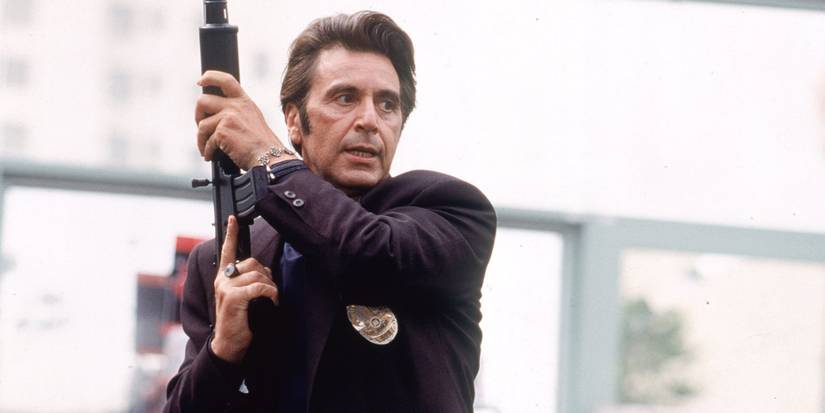 Image via Warner Bros. Pictures
Heat follows two people who are always moving in opposite directions, even when their paths start to overlap. Neil McCauley (Robert De Niro) plans his work with precision, while Vincent Hanna (Al Pacino) tries to close the gap without fully catching up. The film spends time with both sides, and it doesn’t rush through how they operate or what drives them.
Their lives start to close in on each other as the story moves forward, especially as the risks begin to grow. Chris Shiherlis (Val Kilmer) adds another layer to that pressure, showing how those choices affect more than just the main conflict. The film keeps returning to the same idea of control and how quickly it can slip, and it lets those moments play out without forcing them into something louder.
Collider Exclusive · Oscar Best Picture Quiz
Which Oscar Best Picture
Is Your Perfect Movie?
Parasite · Everything Everywhere · Oppenheimer · Birdman · No Country
Five Oscar Best Picture winners. Five completely different visions of what cinema can be — and what it can do to you. One of them is the film that was made for the way your mind works. Ten questions will figure out which one.
🪜Parasite
🌀Everything Everywhere
☢️Oppenheimer
🐦Birdman
🪙No Country for Old Men
FIND YOUR FILM →
01
What kind of film experience do you actually want? The best movies don't just entertain — they leave something behind.
ASomething that pulls the rug out — that makes me think I'm watching one kind of film and then reveals I'm watching another entirely. BSomething overwhelming — funny, sad, absurd, and genuinely moving, all at once. CSomething grand and weighty — a film that makes me feel the full scale of what I'm watching. DSomething formally daring — a film that pushes what cinema can even do. ESomething lean and relentless — pure tension with no wasted frame.
NEXT QUESTION →
02
Which idea grabs you most in a film? Great films are driven by a central obsession. What's yours?
AClass, inequality, and what people are willing to do when desperation meets opportunity. BIdentity, family, and the chaos of trying to hold your life together when everything is falling apart. CGenius, moral responsibility, and the catastrophic weight of a decision you can never take back. DEgo, legacy, and the terror of becoming irrelevant while you're still alive to watch it happen. EEvil, chance, and whether moral order actually exists or if we just tell ourselves it does.
NEXT QUESTION →
03
How do you like your story told? Form is content. The way a story is shaped changes what it means.
AGenre-twisting — I want it to start in one lane and migrate into something completely different. BMaximalist and genre-blending — comedy, action, drama, sci-fi, all in one ride. CEpic and non-linear — cutting between timelines, building a mosaic of cause and consequence. DA single unbroken flow — I want to feel like I'm living it in real time, no cuts to safety. ESpare and precise — every scene doing exactly what it needs to do and nothing more.
NEXT QUESTION →
04
What makes a truly great antagonist? The opposition defines the protagonist. What kind of opposition fascinates you?
AA system — invisible, structural, and almost impossible to fight because it has no single face. BThe self — the ways we sabotage, abandon, and fail the people we love most. CHistory — the unstoppable momentum of events that no single person can stop or redirect. DThe industry — the machinery of culture that chews up talent and spits out irrelevance. EPure, implacable evil — a force so certain of itself it becomes almost philosophical.
NEXT QUESTION →
05
What do you want from a film's ending? The final note is the one that lingers. What do you want it to sound like?
AShock and inevitability — a conclusion that recontextualises everything that came before it. BEarned emotion — I want to cry, laugh, and feel genuinely hopeful, even if the world is a mess. CDevastation and grandeur — an ending that makes me sit in silence for a few minutes after. DAmbiguity — something that leaves enough open that I'm still thinking about it days later. EBleakness — an honest refusal to pretend the world is tidier than it actually is.
NEXT QUESTION →
06
Which setting pulls you in most? Where a film takes place shapes everything — mood, stakes, what's even possible.
AA gleaming modern city with a hidden underside — beauty masking rot, wealth masking desperation. BA collapsing suburban life that opens onto something infinite — the multiverse of a single ordinary person. CThe corridors of power and science at a world-historical turning point — where decisions echo for decades. DThe grimy, alive chaos of New York and Hollywood — fame as both destination and trap. EVast, indifferent landscape — desert and highway where violence arrives without warning or reason.
NEXT QUESTION →
07
What cinematic craft impresses you most? Every great film has a signature — a technical or artistic element that makes it unmistakable.
AProduction design and mise-en-scène — every frame composed to carry meaning beneath the surface. BEditing and tonal control — the ability to move between registers without losing the audience. CScore and sound design — music that becomes inseparable from the dread and awe of what you're watching. DCinematography as performance — the camera not recording events but participating in them. ESilence and restraint — what's left unsaid and unshown doing more work than any dialogue could.
NEXT QUESTION →
08
What kind of main character do you root for? The protagonist is the lens. Who you choose to follow says something about you.
ASomeone smart and resourceful who makes increasingly dangerous decisions under pressure. BSomeone overwhelmed and ordinary who turns out to be capable of something extraordinary. CA brilliant, tortured figure whose gifts and flaws are inseparable from each other. DA self-destructive artist whose ego is both their superpower and their undoing. EA quiet, principled person trying to make sense of a world that has stopped making sense.
NEXT QUESTION →
09
How do you feel about a film that takes its time? Pace is a choice. Some films sprint; others let tension accumulate slowly, deliberately.
AI love a slow build when I know the payoff is going to be seismic — patience for a devastating reveal. BGive me relentless momentum — I want to feel breathless and emotionally spent by the end. CEpic runtime doesn't scare me — if the material demands three hours, give me three hours. DI want it to feel propulsive even when nothing is technically happening — restless energy throughout. EDeliberate and unhurried — I want dread to accumulate in the spaces between the action.
NEXT QUESTION →
10
What do you want to feel walking out of the cinema? The best films leave a mark. What kind of mark do you want?
AUnsettled — like I've just seen something I can't fully explain but can't stop thinking about. BMoved and energised — like the film reminded me what actually matters and gave me something to hold onto. CHumbled — like I've been in the presence of something genuinely important and overwhelming. DExhilarated — like I've just seen cinema doing something it's never quite done before. EHaunted — like a cold, quiet dread that stays with me for days.
REVEAL MY FILM →
The Academy Has Decided Your Perfect Film Is…
Your answers have pointed to one Oscar Best Picture winner above all others. This is the film that was made for the way your mind works.
Parasite
You are drawn to films that operate on multiple levels simultaneously — that begin in one genre and quietly, brilliantly migrate into another. Bong Joon-ho's Parasite is a film about class, desire, and the architecture of inequality that manages to be darkly funny, deeply suspenseful, and genuinely shocking across a single extraordinary running time. Your instinct is for cinema that hides its true intentions until the moment it's ready to reveal them. Parasite is exactly that — a film that rewards close attention and punishes assumptions, right up to its devastating final image.
Everything Everywhere All at Once
You want it all — and this film gives you all of it. The Daniels' Everything Everywhere All at Once is one of the most maximalist films ever made: action comedy, multiverse sci-fi, family drama, existential crisis, and a genuinely earned emotional core that sneaks up on you amid the chaos. You are someone who responds to ambition, who doesn't want cinema to choose between being entertaining and being meaningful. This film refuses that choice entirely. It is overwhelming by design, and its overwhelming nature is precisely the point — because the feeling of being crushed by infinite possibility is exactly what it's about.
Oppenheimer
You are drawn to cinema on a grand scale — films that understand history not as a backdrop but as a force, and that place their characters inside that force and watch what happens. Christopher Nolan's Oppenheimer is a film about the terrifying gap between what we can do and what we should do, told with the full weight of one of the most consequential moments in human history behind it. You want your films to feel important without feeling self-important — to earn their ambition through sheer craft and the gravity of their subject. Oppenheimer does exactly that. It is enormous, complicated, and refuses easy comfort.
Birdman
You are drawn to films that foreground their own construction — that make the how of the filmmaking part of the what it's about. Alejandro González Iñárritu's Birdman, shot to appear as a single continuous take, is cinema examining itself through the cracked mirror of a fading actor's ego. You respond to formal daring, to the feeling that a film is doing something that probably shouldn't be possible. Michael Keaton's performance and Emmanuel Lubezki's restless camera create something genuinely unlike anything else — a film that is simultaneously about creativity, relevance, self-destruction, and the impossibility of ever truly knowing if your work means anything at all.
No Country for Old Men
You are drawn to cinema that trusts silence, that refuses to explain itself, and that treats dread as a form of meaning. The Coen Brothers' No Country for Old Men is a film about the arrival of a new kind of evil — implacable, arbitrary, and utterly indifferent to the moral frameworks we use to make sense of the world. It is one of the most formally controlled films ever made, and its controlled restraint is what makes it so terrifying. You want your films to haunt you, not comfort you. You are not interested in resolution if resolution would be dishonest. No Country for Old Men is honest in a way that most cinema never dares to be.
↻ RETAKE THE QUIZ

Heat
Release Date December 15, 1995
Runtime 170 minutes
Director Michael Mann
Writers Michael Mann






 English (US) ·