
Unlike most sitcoms of its era, Seinfeld is aging like a fine wine — and some of its best lines are even funnier three decades later. While shows like Friends have aged poorly, Seinfeld is still just as hilarious and (mostly) just as relevant today.
"Hello, Newman"
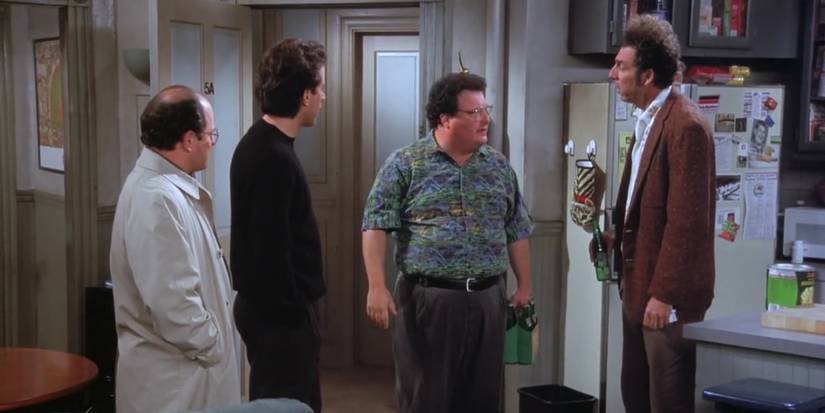
Although it felt like Jerry rebutted Newman with this simple antagonistic greeting every other episode, he only ever said, “Hello, Newman,” 15 times across nine seasons of Seinfeld. But history has shown us that it’s much better to underuse a catchphrase than to overuse it. On every single one of those 15 occasions, “Hello, Newman” is always funny.
Like all the best catchphrases, this one just gets funnier and funnier. It’s the kind of comedy of repetition that South Park has been doing so well in its later years. It’s not just about the words; it’s about the way Seinfeld delivers them. Jerry’s utter disdain for Newman shines through every time.
"Serenity Now!"

One of the bright spots in the post-Larry David seasons of Seinfeld is the increased focus on Frank Costanza. Frank went from appearing a couple of times a season to being a full-blown main character in the ensemble. In one of the best late-season episodes, Frank adopts a mantra, “Serenity now,” to repeat to himself to calm down when he feels a temper tantrum coming on.
But Frank doesn’t just say the mantra; he screams it as loud as he can, rendering it completely ineffective. It was supposed to remedy his anger, but it just fueled it. The idea of screaming a calming mantra at the top of your lungs is even funnier in the age of self-care and open dialogue about mental health.
"Who Is This?"
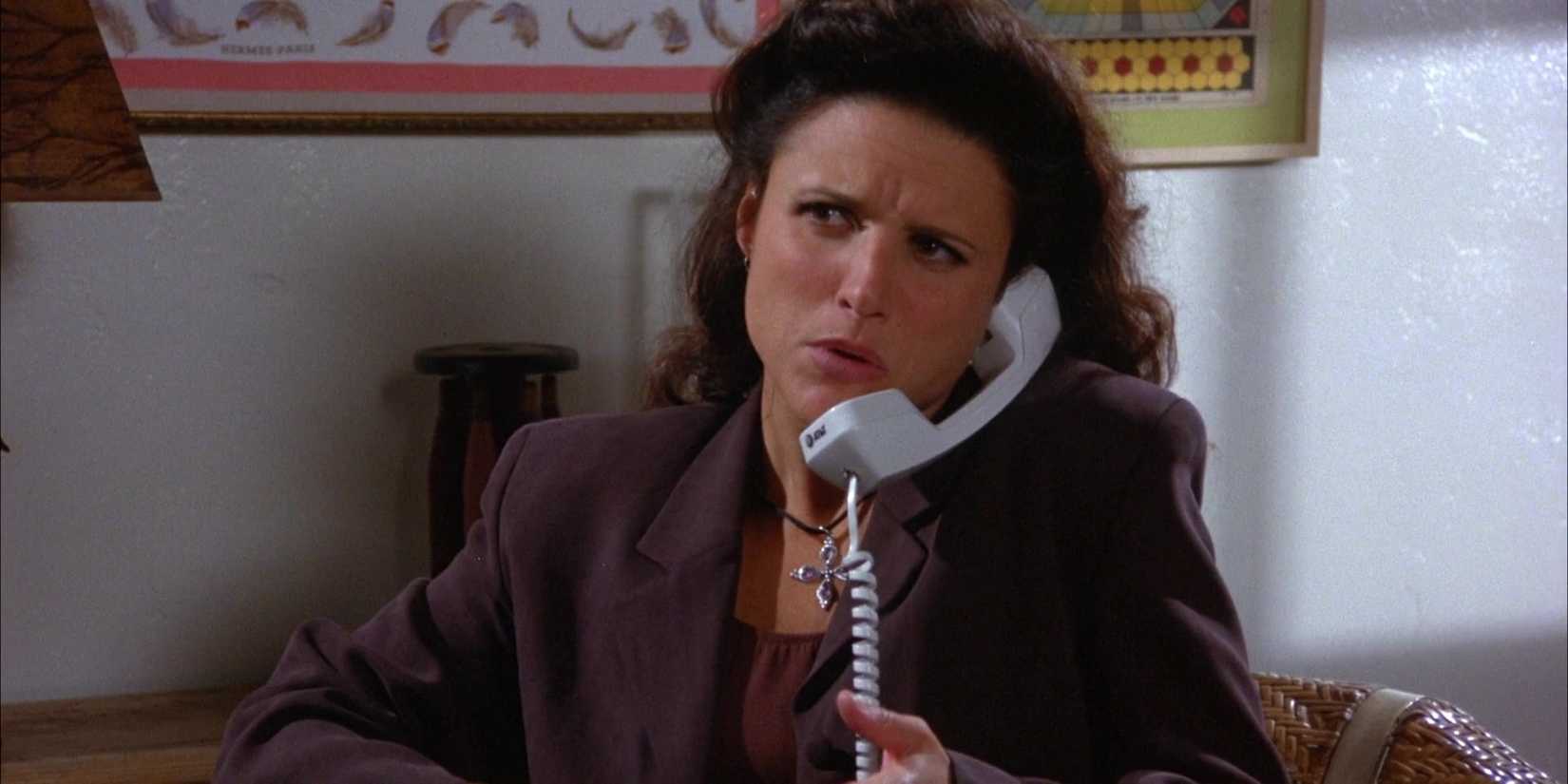
This is a running gag that never gets old. Whenever one character calls another character in a panic and frantically pleads with them for help (usually George calling Jerry to get him out of trouble), the character on the other end of the phone asks, “Who is this?,” as if they don’t recognize the voice and think it’s a prank call.
It doesn’t matter how desperate George’s voice is, or how urgently he needs help; Jerry can’t resist doing this bit. It’s one of Seinfeld’s best running jokes, and it’s pretty accurate to how comedians interact with people in real life — nothing is serious and everything is an opportunity for a gag.
"I Can't Be With Someone Like Me... I Hate Myself!"
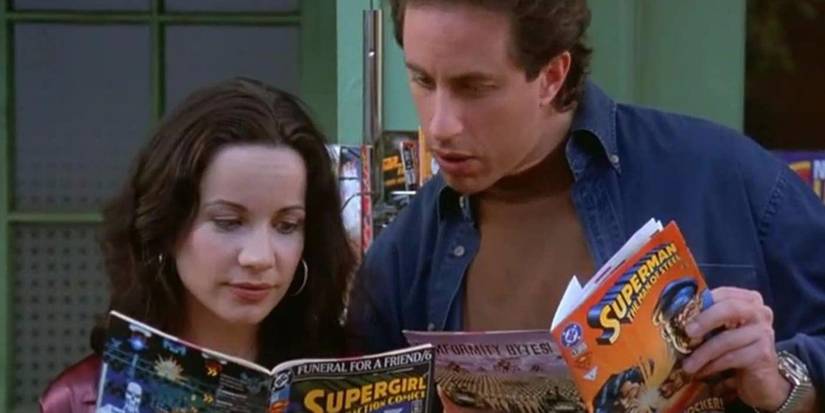
Every now and then, between the nitpicky social observations and witty banter, Seinfeld hit on something really deep and profound. In the season 7 finale, Jerry meets a woman who he believes is his soulmate. Jeannie Steinman, played by guest star Janeane Garofalo, is just like Jerry in every way: she loves breakfast cereal, she spends her days making droll remarks, and she doesn’t care about anyone but herself.
At first, it seems like a match made in heaven, but it soon becomes a nightmare. Jerry realizes that being with someone exactly like himself is like looking into a mirror, and he doesn’t like what he sees. He puts it hilariously bluntly, but it touches on a universal insecurity that we all feel.
"Fake! Fake! Fake! Fake!"
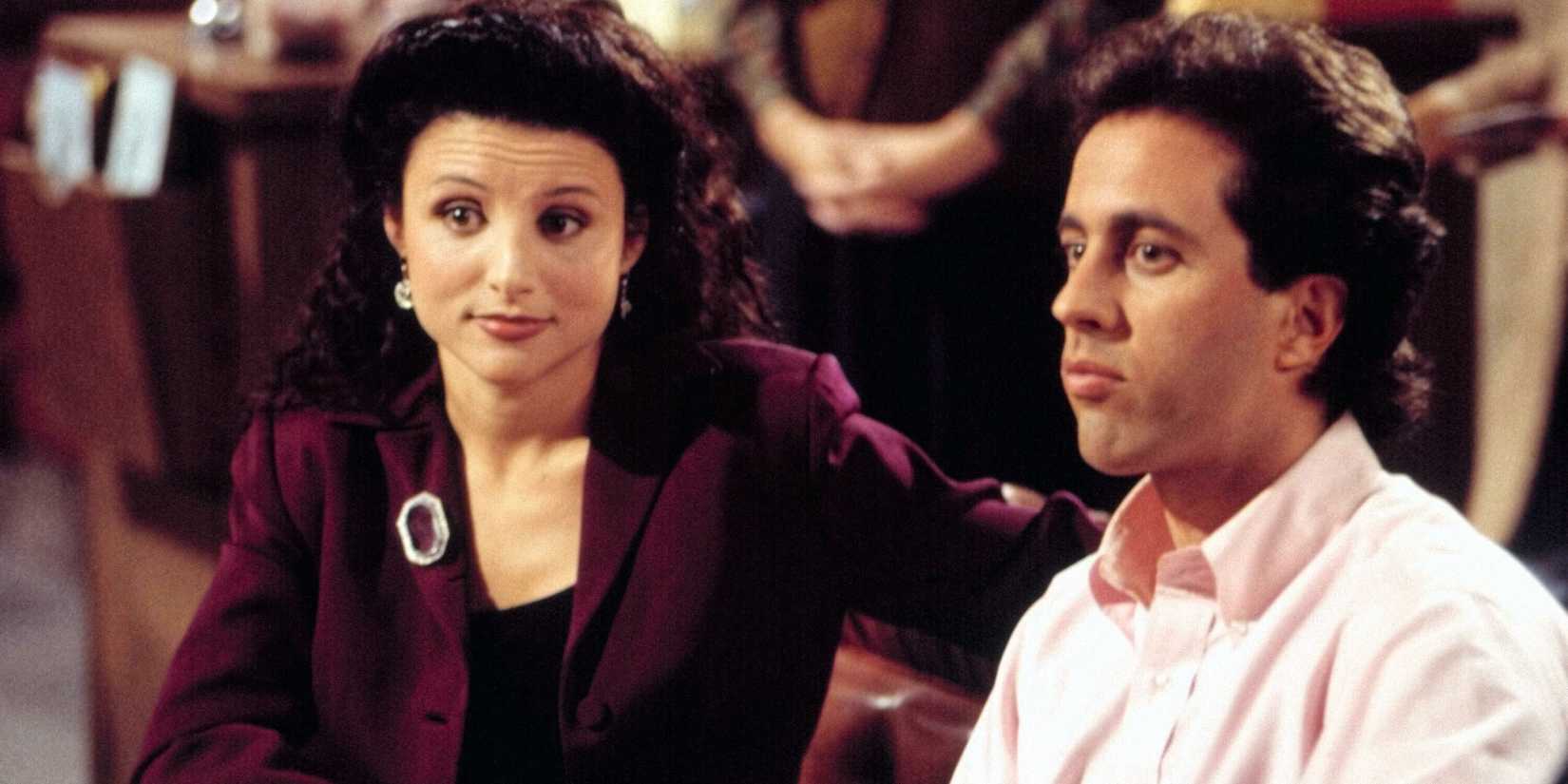
In Seinfeld’s season 5 premiere, “The Mango,” Jerry is horrified to learn that Elaine faked all her orgasms when they were together. It was pretty radical for a network sitcom to even talk about women faking orgasms, but — as When Harry Met Sally pointed out a few years earlier — it’s a lot more common than most men think.
Elaine relishing in telling Jerry that all her orgasms were fake, and Julia Louis-Dreyfus feeding off of the depleted energy of Jerry Seinfeld’s performance, make this a timeless gag. This episode is a perfect example of Seinfeld being way ahead of its time.
"A Festivus For The Rest Of Us!"
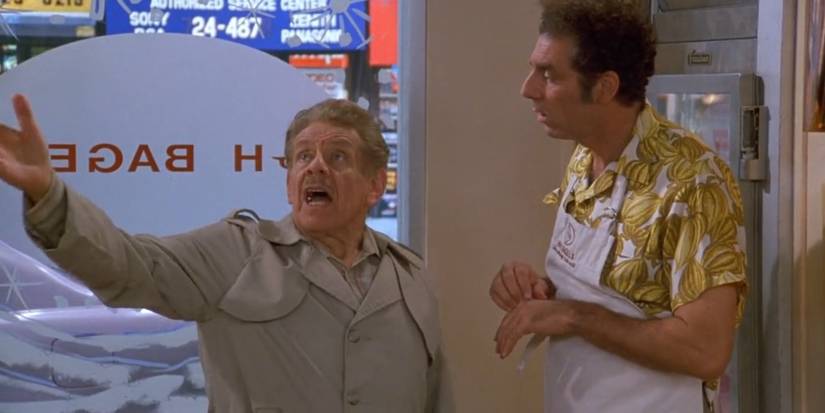
In the final season of Seinfeld, as Frank became a bigger part of the show, we were introduced to a brand-new holiday. It turns out, during George’s childhood, Frank became jaded with the commercialization of Christmas (after he “rained blows” on a man for a toy) and decided to invent his own holiday: a Festivus for the rest of us.
The A-plot involves Kramer going back to work at the end of a decade-long strike, but the B-plot broke through to the pop-cultural zeitgeist. Jerry Stiller’s steadfast commitment to the bit — the absurdity of creating your own holiday — made this one of the most enduring Christmas episodes in sitcom history.
"The Mail Never Stops..."
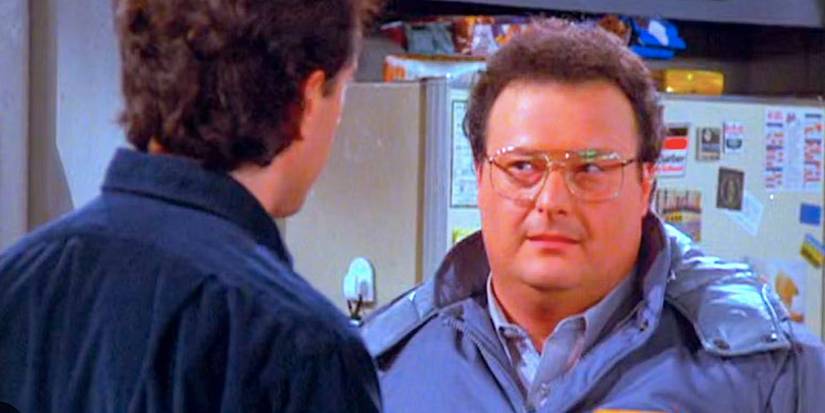
This is Newman’s greatest tirade by far (and there were a lot of great ones). After Newman finally reveals his occupation — United States postal worker — George asks him about the phenomenon of “going postal,” and wonders why postal workers are more prone to mental collapse than people in other lines of work.
And then, Newman has a meltdown about the neverending deluge of mail, and the madness it induces. Wayne Knight commits wholeheartedly to the flustered, exasperated delivery. It pains Newman to go through this; it haunts him to dredge up these traumatic memories.
"Worlds Are Colliding!"

George’s worlds theory is more relevant now than ever. Thanks to group chats and the death of the monoculture, our social circles are getting even more segmented and compartmentalized. When George got engaged, he kept his relationship separate from his friends, because he wanted to maintain “Independent George” alongside “Relationship George.” It sounds insane to Jerry, but it makes perfect sense to the audience at home.
When you introduce your college friends to your high school friends, or bring a new partner along to meet up with your childhood bestie, it does feel like worlds are colliding. George ends up being dragged out of a movie theater, ranting and raving, but he was really onto something in this episode.
"Not That There's Anything Wrong With That"
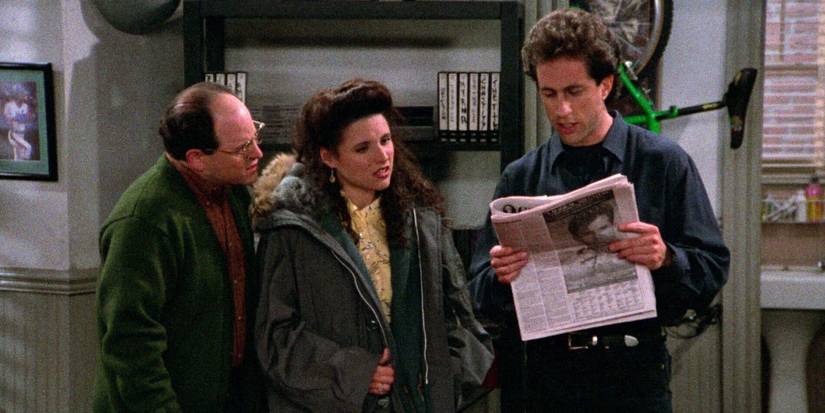
Seinfeld season 4, episode 17, “The Outing,” might be the only gay panic episode of the ’90s that actually aged well. There are a couple of Frasier episodes that touch on this topic in a really funny way, but Seinfeld hit the nail on the head with the repetition of one phrase: “Not that there’s anything wrong with that.”
Whenever Chandler or Joey experience gay panic in Friends, it’s because they think there’s something inherently wrong with being gay. But when Jerry and George are mistakenly outed as a same-sex couple, they only have a problem with it because it’s not true. It was very progressive for its time, and remains a great lighthearted satire of gay stereotypes.
"The Sea Was Angry That Day, My Friends..."
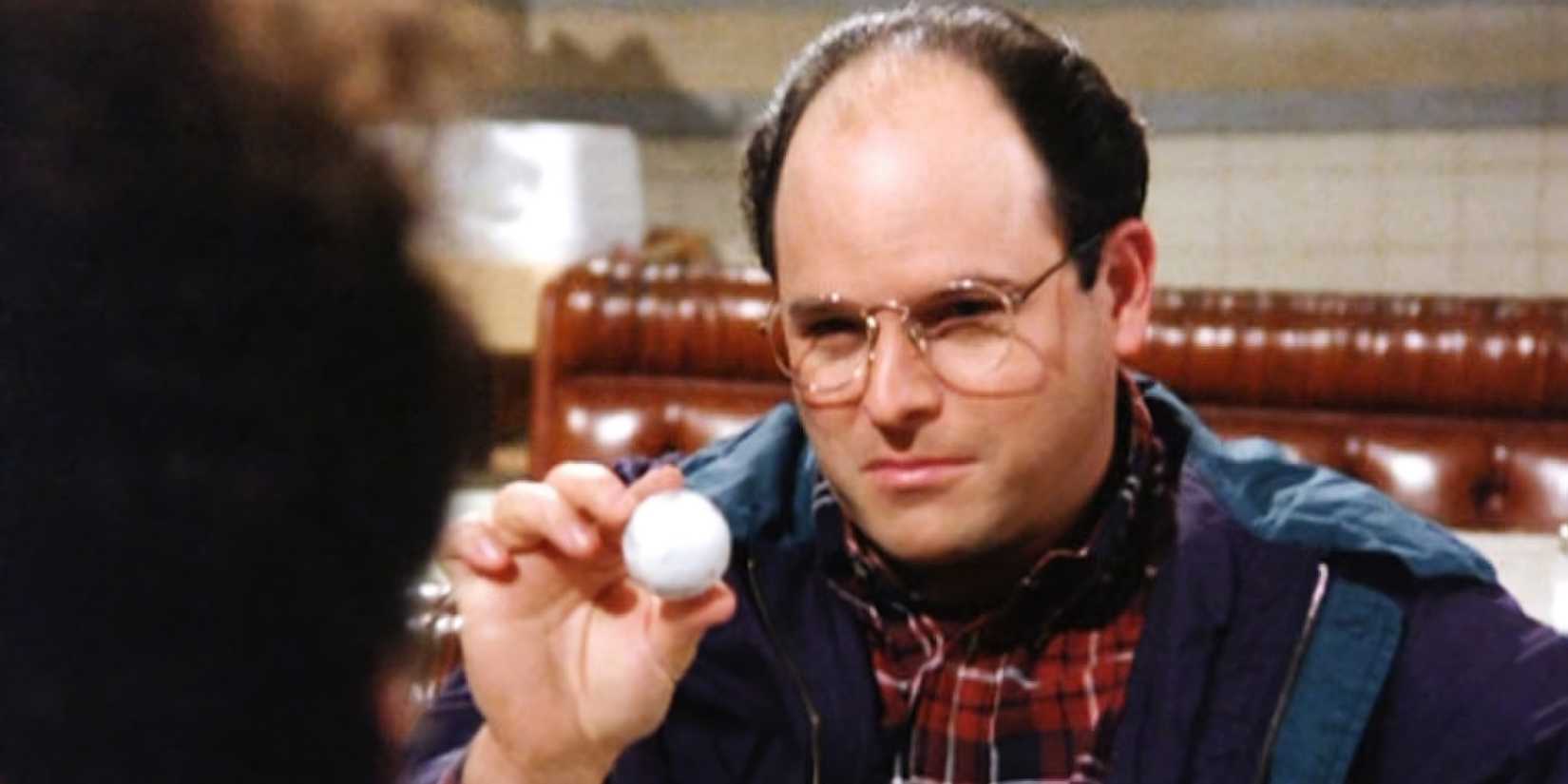
No one can deliver a comedic monologue like Jason Alexander. He commits to telling the story of George accidentally saving a beached whale with the gravitas of a Shakespearean soliloquy. The writing is hilarious already on paper, but the delivery sticks the landing. And it all builds to the visual stinger of George pulling out Kramer’s golf ball, bringing the two storylines crashing together.
This monologue is a perfect example of what Seinfeld can do at its very best. It takes the ridiculous situation of George pretending to be a marine biologist to impress a woman to the absolute extreme, and wraps it up with an iconic punchline. All these years later, this monologue just keeps getting funnier and funnier.








 English (US) ·