
 Credit: Channel 4

Published Apr 5, 2026, 3:00 PM EDT
Mikael Trench is an award-winning writer and editor with a decade's worth of professional experience in entertainment and multimedia journalism. He has won numerous state and national awards, including a 1st Place Best Review Georgia College Press Association Award in 2019, 2020 (where he swept the competition by also winning second and third place), and 2021. He was also awarded the 2019 Columbia Scholastic Press Association Gold Circle Digital Awards Certificate of Merit and came in first place at the 2020 College Media Association Nationwide Pinnacle Awards for Best Arts and Entertainment Story. He's had roles as a multimedia video editor and arts and entertainment editor for organizations such as VOX ATL, SCAD Connector, and SCAN Magazine. Mikael brings his knowledge as an independent filmmaker and animator to the table to educate readers about the industry's nuances.
Sign in to your ScreenRant account
There are no limits to what can be examined in science fiction, and these eight obscure sci-fi shows prove it. Whether birthed from an original idea or adapted from existing source material, TV, unlike any other storytelling format, gives concepts, themes, and characters the room to breathe. Most science fiction fans will be familiar with titles such as Doctor Who, Stranger Things, and The X-Files, but to say that those are the only worthwhile sci-fi shows would be completely false.
There's no shortage of sci-fi shows that, for whatever reason, never resonated enough to achieve Star Trek levels of success or have even been forgotten about entirely. Even without a ton of seasons or Emmy wins, these series still have plenty to offer, whether they carry historical relevance, feature notable names among their cast, or examine subject matter or social issues ahead of their time.
Ultra Q
1966
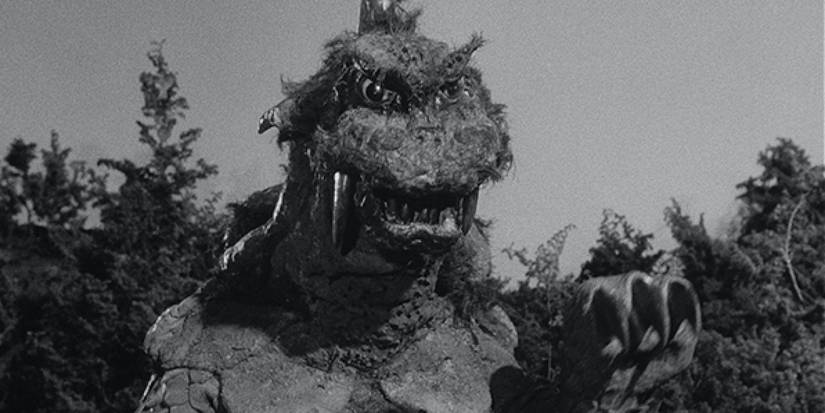
The Japanese Ultra Series has been around since 1966, and while the more famous Ultraman debuted that same year, it wasn't the first entry of this fan-favorite tokusatsu franchise. That honor actually belongs to Ultra Q, which is far different than what Ultraman fans might expect. The show follows a trio of investigators consisting of a reporter and two pilots who work to examine a series of bizarre and supernatural phenomena, oftentimes tied to the appearance of a monster or alien.
Ultra Q differs drastically from the shows that followed, as there is no shape-shifting kyodai superhero at its center. Rather, the series is more in line with something like The Twilight Zone or The Outer Limits, where the mystery and intrigue are more important than mindless monster mayhem (even so, Ultra Q still delivers the goods for kaiju lovers). The monster roster here is an inventive bunch, and die-hard tokusatsu fans will recognize many reused costumes and props from Toho's Godzilla series (Eiji Tsuburaya, who developed Ultra Q, was the special effects supervisor for many of Toho's Godzilla movies).
Lexx
1997-2002
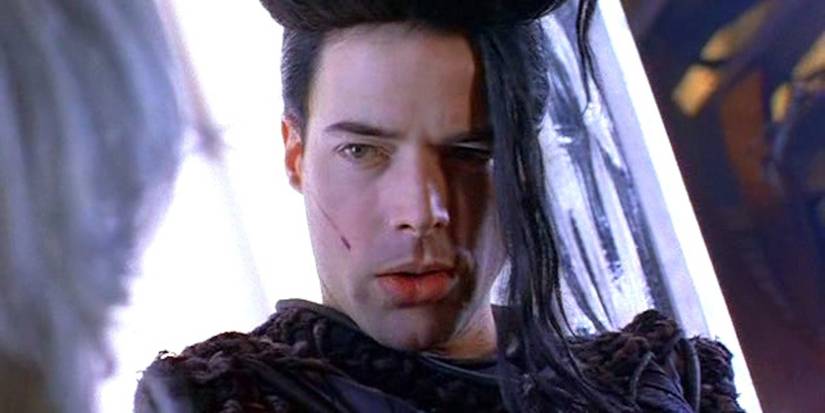
Lexx came out during a peak era of space opera television. At the time, shows like Star Trek: Deep Space Nine, Babylon 5, and Farscape brought an unmatched scale and ambition to the small screen. Even if it never achieved the same heights as its contemporaries, Lexx is nevertheless a fascinating case study of a series comfortable straying from its lane.
The show takes place in a futuristic society at war with an insect race. It centers on a ragtag group of misfits who find themselves on the powerful insect-shaped spaceship Lexx, which they use to explore the galaxy and fight enemies. The first season of Lexx consisted of four television movies before moving onto a more traditional episode format for its remaining three seasons. Each season also differed drastically in tone. While some chapters were serious in their exploration of deeper subjects, others implemented dark humor, sex, and even straight-up parody. Lexx remains an admirable effort, with its excellent cast and ambitious scope giving the show its appeal.
Sliders
1995-2000
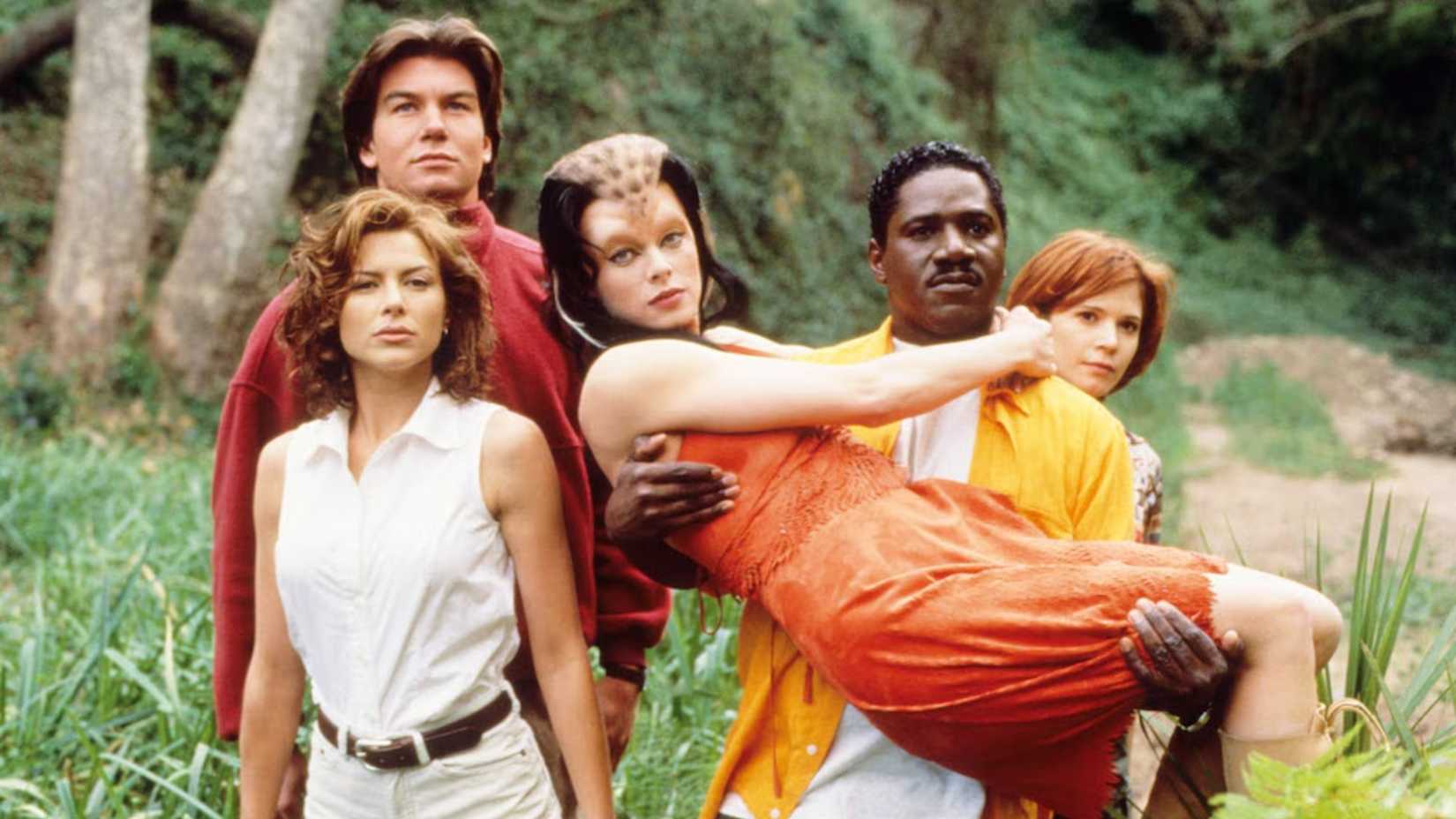
Some shows never realized their full potential, and this includes 1995's Sliders. The series boasts an intriguing premise, chronicling a university student who invents a device that lets people travel, or "slide," between parallel universes. While demonstrating his creation to his friend and mentor, a mishap causes the device's timer to lose its home coordinates, keeping the party stuck in different universes until it finishes counting down.

Related
10 Best 1990s Sci-Fi Shows, Ranked
The 1990s were a fascinating time for the sci-fi genre, revamping old mechanics and using new technology to change the way TV shows came to life.
The first two seasons took full advantage of the show's premise, taking the time to explore the new realities the heroes found themselves in. Many feature alternate versions of history, including a world in which dinosaurs never went extinct and another where America lost the Revolutionary War. Subsequent network oversight, budget cuts, and creative clashes resulted in the final three seasons being more inconsistent, with a greater focus on action, and the final episode concluding on an unresolved cliffhanger. Even with these hiccups, Sliders remains an intriguing series that shines brightest when its concepts are given room to breathe.
Humans
2015-2018
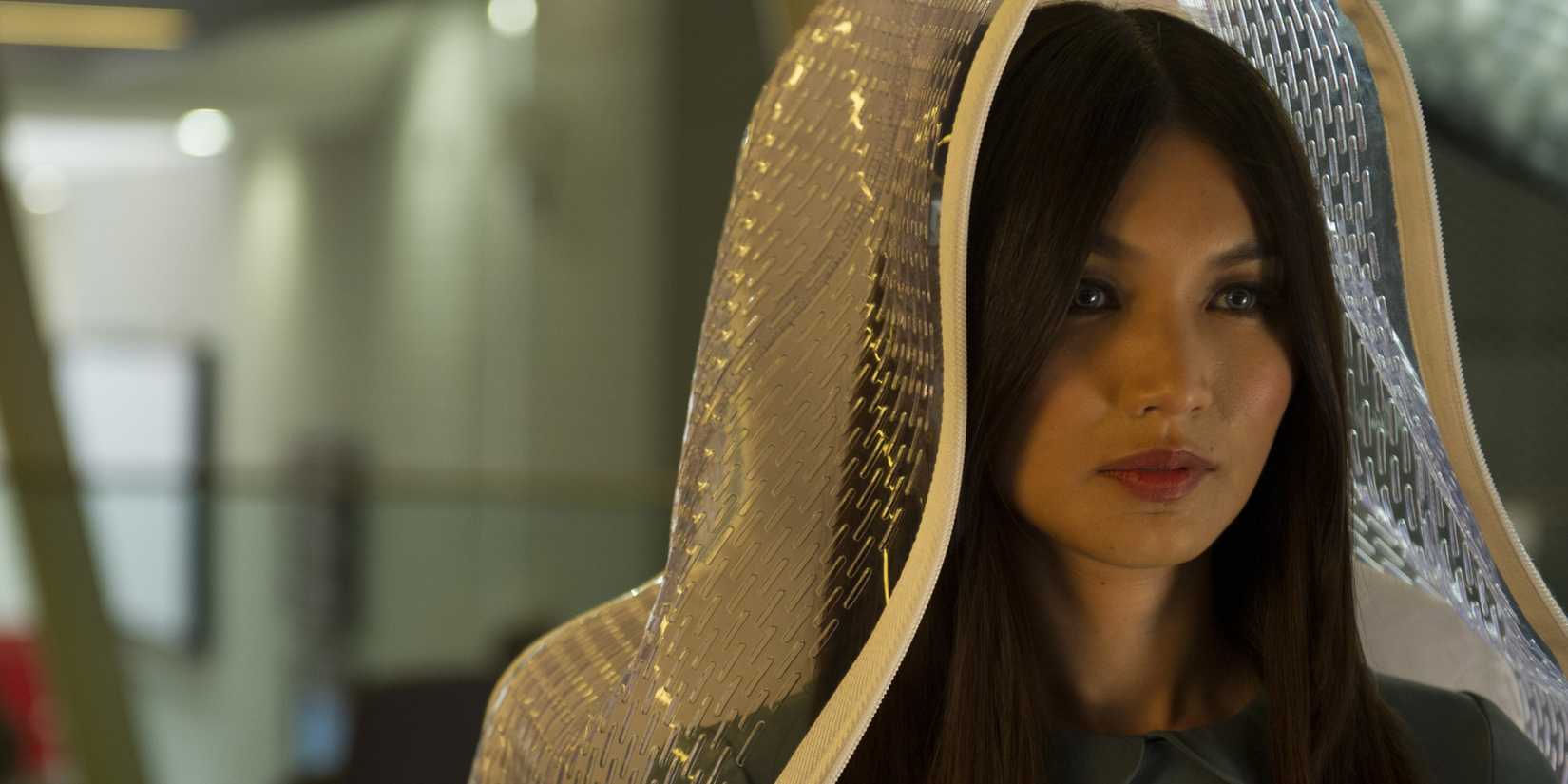
The conversations around AI are ever-evolving in our modern world. There's no denying that the subject has fueled some of our greatest science fiction stories. Among these is the British series Humans, which ran for three seasons between 2015 and 2018. Taking place in a parallel universe where humanity largely depends on the labor of human-like robots called synths, the show begins as a father brings in a synth named Anita (Gemma Chan) to help around the house without consulting his wife, with tensions rising as Anita becomes increasingly involved in their lives.
Based on the 2012 Swedish drama Real Humans, Humans may not sport the most original sci-fi concept, but it more than makes up for it in its execution. The series examines topics surrounding AI, the nature of consciousness, and people's dependency on technology in gripping fashion, largely aided by Chan's star-making turn as Anita. It's a shame that only 24 episodes aired, as the show only got better with each new season.
Final Space
2018-2021
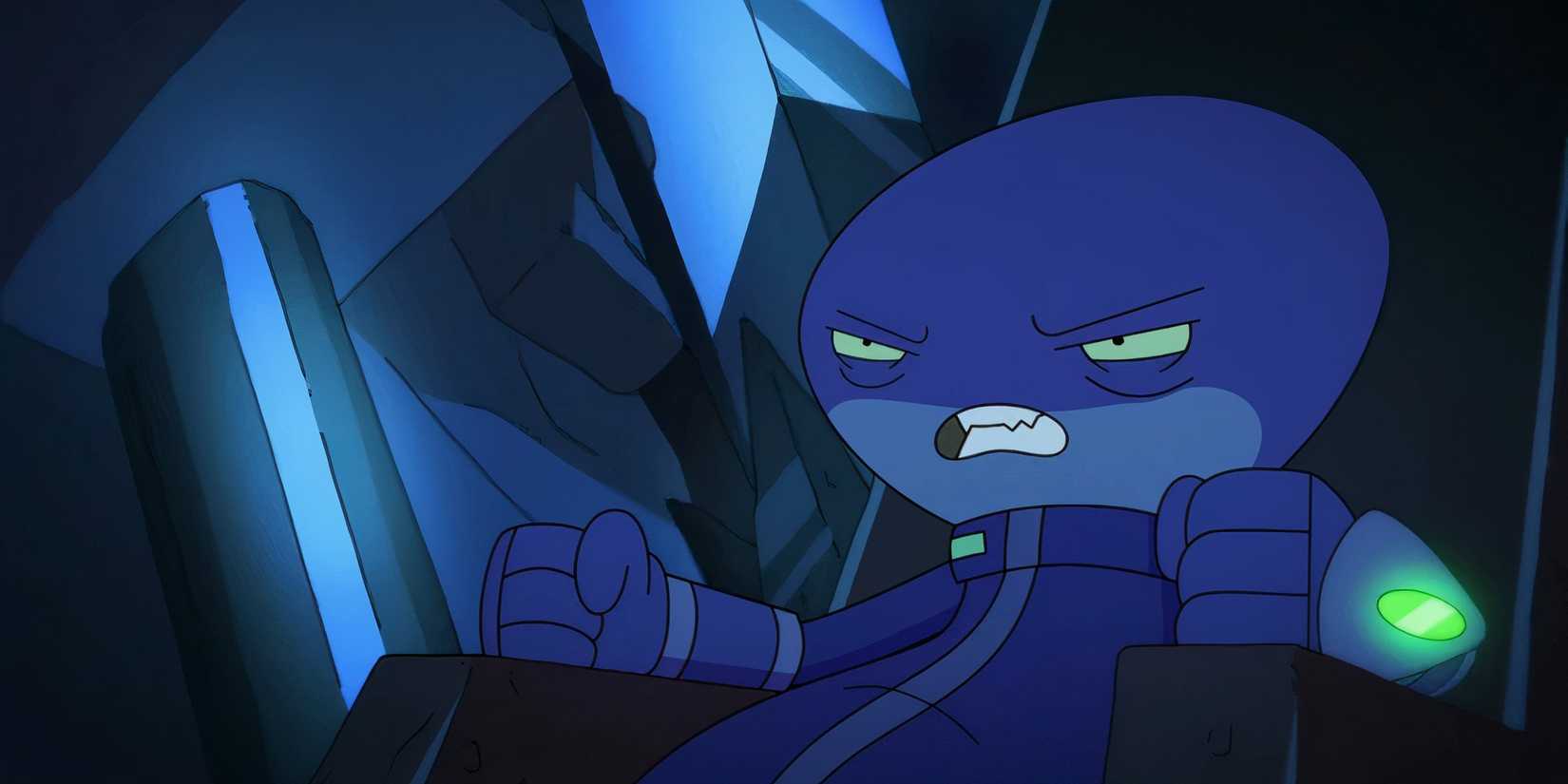
Of course, not all science fiction has to be packed with involved plots and hefty themes. Those seeking more light-hearted entertainment with substance should seek out Olan Rogers' Final Space. The adult animated series follows the fun-loving astronaut Gary Goodspeed, who befriends an adorable planet-destroying alien nearing the end of his intergalactic prison sentence. The two venture across the galaxy with an ever-growing crew to discover if the universe truly has an end.
At first glance, Final Space might not seem all that different from programs like The Simpsons or Futurama. While its characters and comedic beats aren't exactly game-changing, the show as a whole is still a worthwhile watch. The first season is certainly the most derivative with its heavier focus on comedy, but the stakes increase as things progress, and it's easy to become wrapped up in each character's growth. Aiding Final Space's best episodes is some stellar animation and excellent voice work by Tika Sumpter, Tom Kenny, Steven Yeun, and Coty Galloway.
Class
2016
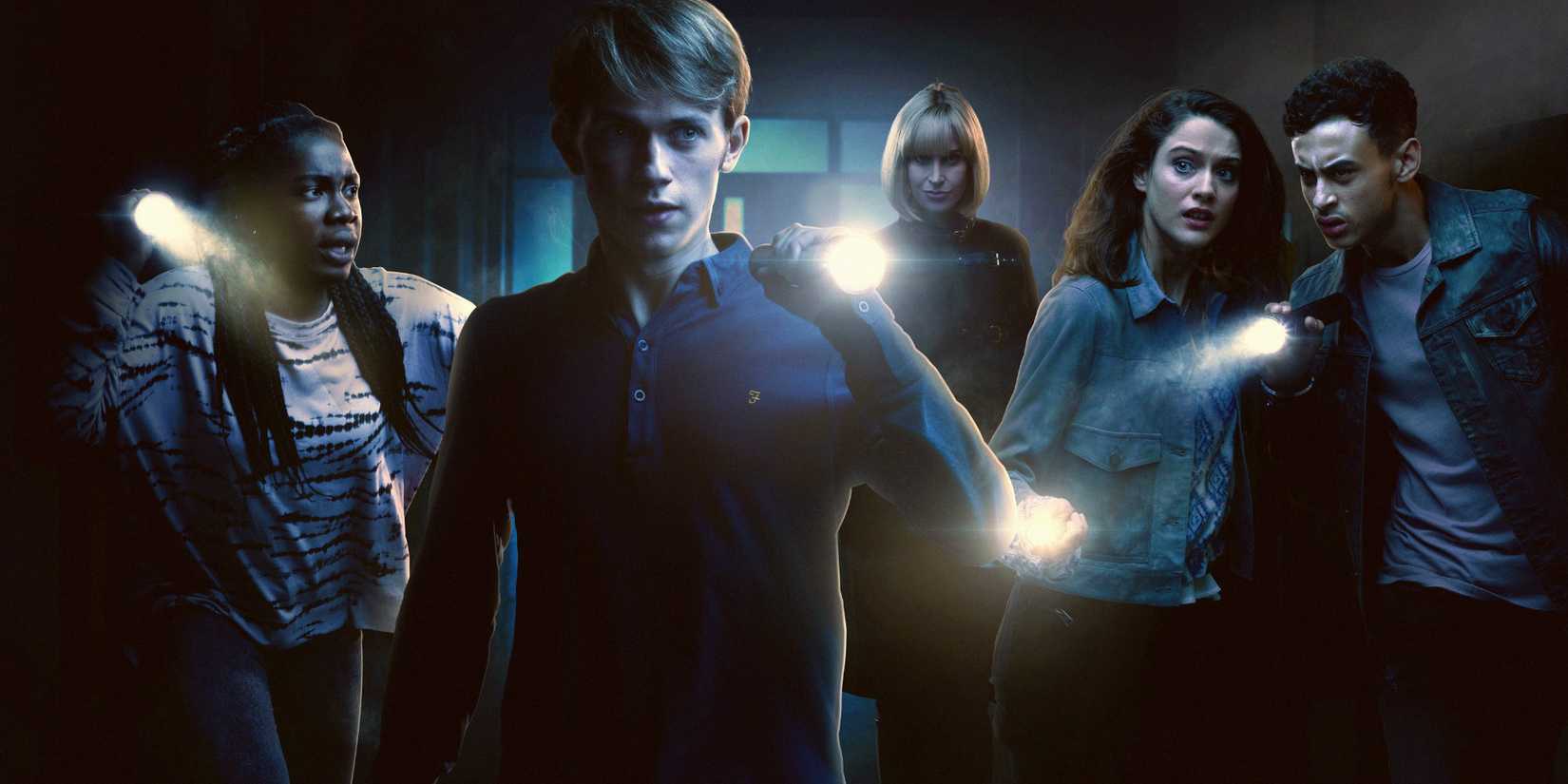
Unsurprisingly for a franchise that's been around since the 1960s, Doctor Who has seen its fair share of spinoffs of varying quality. Among the shortest-lived was 2016's Class, which was canceled after only one season of eight episodes. The show follows a group of high schoolers at Coal Hill Academy who find themselves thrown into chaos as the Doctor's time-traveling escapades have resulted in monstrous threats breaking through the realms of space and time to reach Earth.
Class may surprise those expecting something more in line with Doctor Who's family-friendly tone. The series is not afraid to deal with dark subject matter and can get quite gruesome at times. However, its use of these shocking elements is mature, only adding to the stakes and sense of danger throughout. The character development and world-building work hand-in-hand to offer a fresh perspective on the Doctor Who universe, with no overbearing lore that detracts from the experience. So, while Doctor Who fans can enjoy this, franchise newcomers can also get into Class, especially given its small episode count.
Land of the Lost
1974-1977
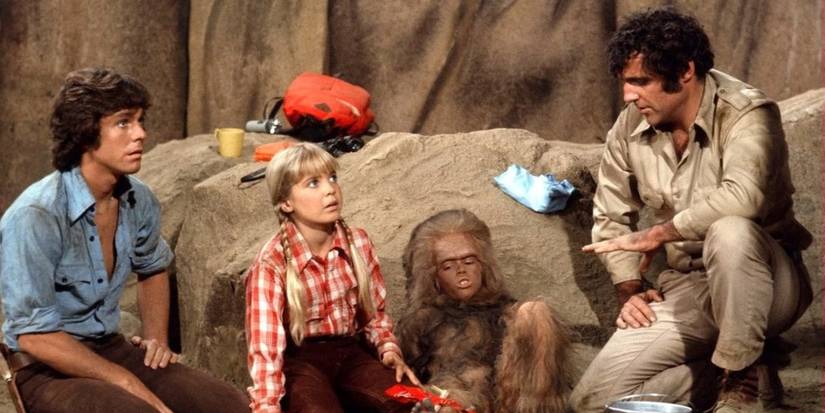
Whenever the names Sid and Marty Kroft popped up on TVs in the 1970s, kids were in for something special. Across the decade, the brothers delivered a vast array of inventive, low-budget family sci-fi and fantasy shows that have gone on to become cult classics, including H.R. Pufnstuf, The Bugaloos, and Sigmund and the Sea Monsters. In 1974, Land of the Lost was among the duo's most ambitious efforts, and it remains a charming piece of vintage sci-fi television.
The series follows a family whose raft is thrown off course and sent to a mysterious land consisting of dinosaurs, humanoid apes, and an underground race of anthropomorphic reptilian creatures, among other strange occurrences. While only so much could be achieved on a '70s-era Saturday morning kids TV budget, Land of the Lost was quite the undertaking for its time. Featuring impressive makeup effects, chroma key compositing, and even stop-motion dinosaurs interacting with the live-action cast, it's no wonder this series captured the imaginations of all who watched it.
Devs
2020
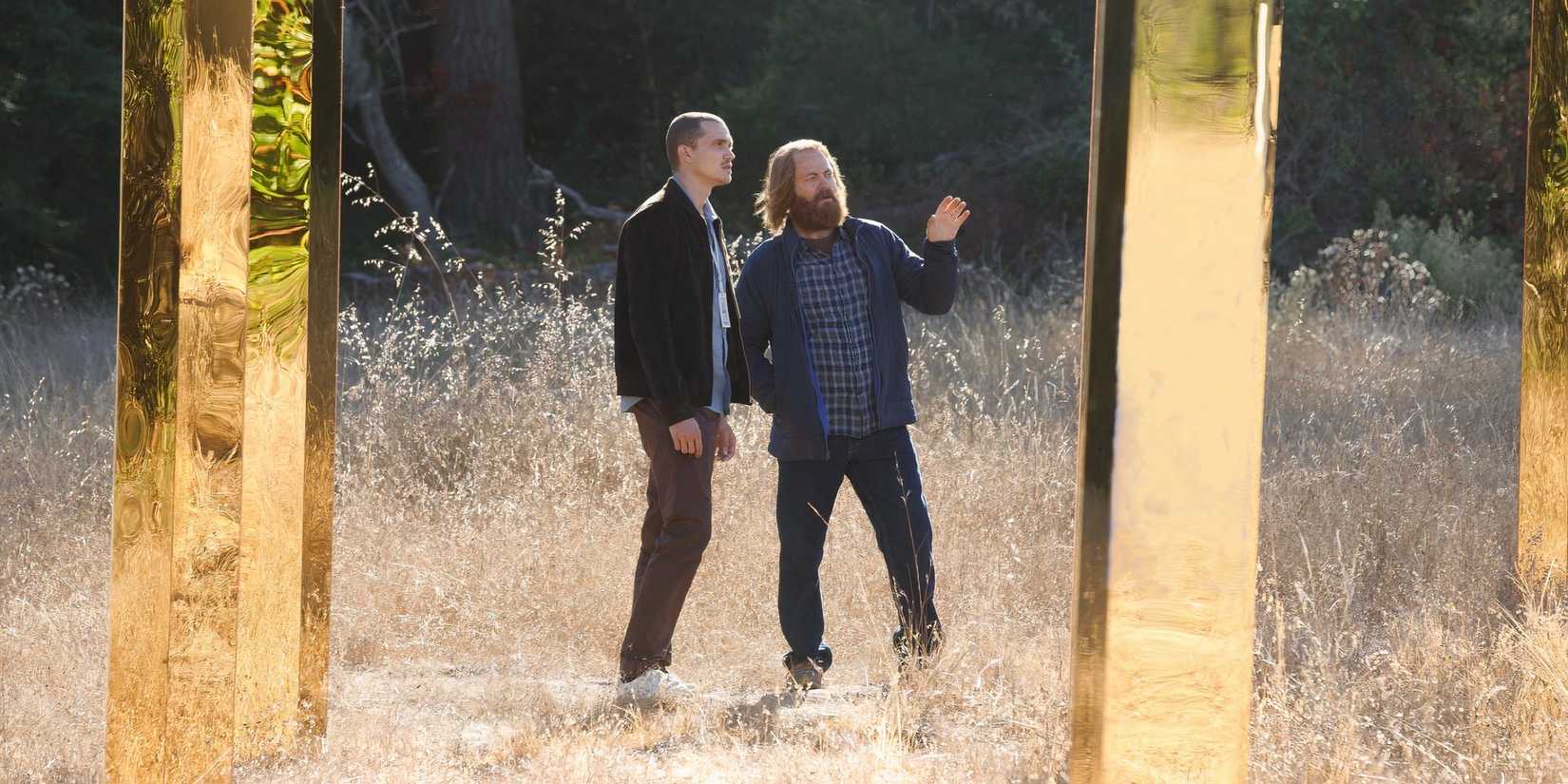
Best known for his directorial work on Ex Machina, Annihilation, and Civil War, Alex Garland is a modern master of science fiction cinema. So, when the Oscar nominee stepped into the realm of television, fans were excited to see what he would do in this extensive playground. The result was 2020's underrated sci-fi miniseries Devs.
The show follows a young woman investigating the disappearance of her boyfriend following his promotion into the secretive "devs" division at the tech company where they both work. The further she goes with her investigation, the more is unraveled about the company, its CEO, and a new quantum computer in development. As with Garland's past work, Devs is a methodical, slow-burning series that's heavy on philosophy. It may not gel with everyone, but those willing to take the time are in for a treat. Using a murder mystery as a framework to examine fascinating ideas about free will and determinism, Devs is a haunting sci-fi ride.



 English (US) ·