
The best sci-fi movies in history have pushed boundaries, with these ten being the most ambitious ever put on screen. Following a great year in 2025 for sci-fi movies, with films like Avatar: Fire and Ash and Predator: Badlands, there has been a great deal of conversation about the legacy of the genre, and where those films place within it.
Both in the best sci-fi franchises like Tron and Predator, or in powerful standalone projects like Arrival, science fiction has taken a creative look at the world that is, as well as the world that might be. This has resulted in space operas, superhero movies, and near-future dystopias alike, all building something creatively unique.
Much of sci-fi's legacy has been in TV shows. Series from Star Trek to Severance have shown the different ways that these stories have been able to interrogate social concepts and ideas. Examining these over the course of many seasons and countless episodes has resulted in some of the best storytelling that has ever come to the small screen.
Still, there are few experiences like that of the ambitious science fiction movie. This requires not just a rich story, but also pushing the limits of technology. The best and biggest science fiction movies are the ones that have challenged an audience's preconceptions of what these stories can be. Each of these films does exactly that.
Jurassic Park (1993)
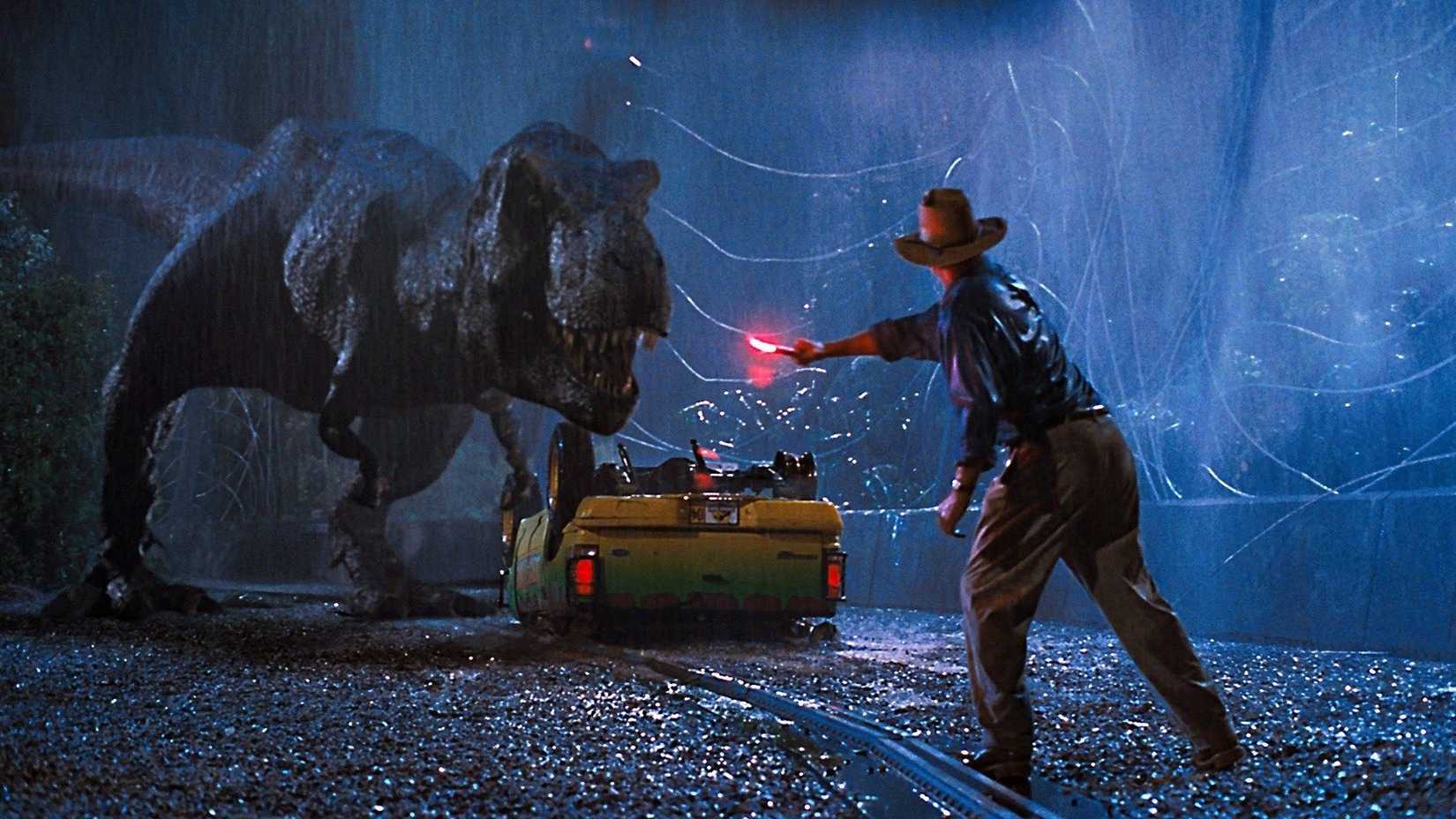
Steven Spielberg had already dominated the world of blockbuster cinema with pictures including Jaws, Raiders of the Lost Ark, and E.T. the Extra-Terrestrial. Despite this, he only went bigger on this enormous project, taking the best shot yet at capturing realistic dinosaurs on screen.
This worked magnificently. More than its fantastic script and its excellent characters, Jurassic Park worked so well because of how well its effects were executed. Using animatronics and CGI alike, the visuals in the film still hold up today, with many sequences even looking better than the visuals in the more recent Jurassic World movies.
A breathtaking achievement, Jurassic Park not only lived up to the film's staggering promises, it exceeded them. It has since spawned one of the biggest science fiction franchises of all time.
2001: A Space Odyssey (1968)
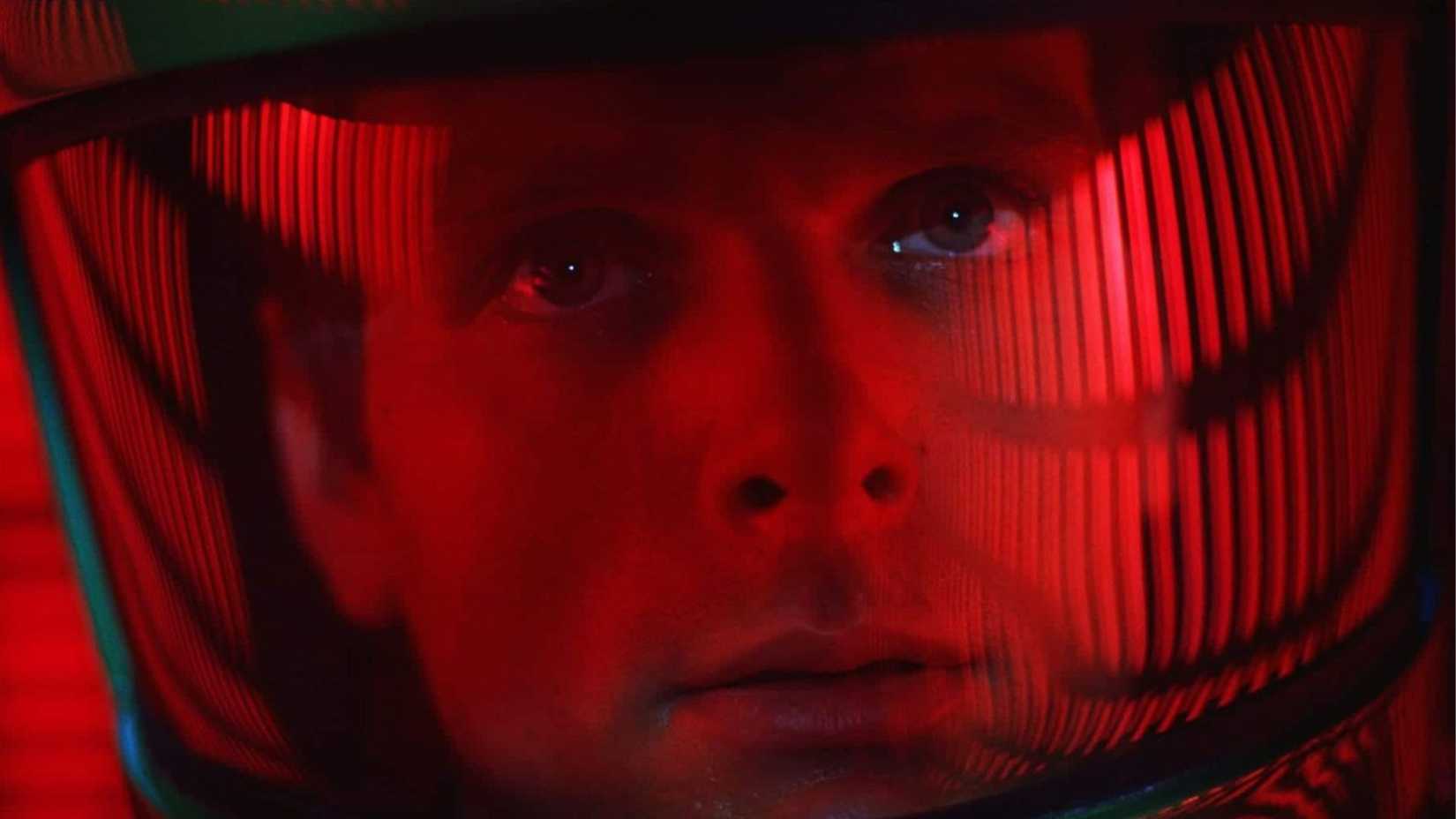
This Stanley Kubrick masterpiece redefined what a science fiction movie could be. Breaking from the lower-budget traditions of the genre, Kubrick crafted a believable and brilliant look at human evolution, drawing from material in Arthur C. Clarke's various stories.
As a result, this 1968 film had a huge impact on the genre and shaped what would follow. With heavy themes, strong music, and an incredible atmosphere, 2001 showed how much room there was to depict space-based action on a large visual scale.
While not being for everyone, it is difficult to overstate the cinematic importance of this movie. A remarkable feat that widened the lens on what the genre could be, it remains an essential cultural touchstone to this day.
Blade Runner 2049 (2017)
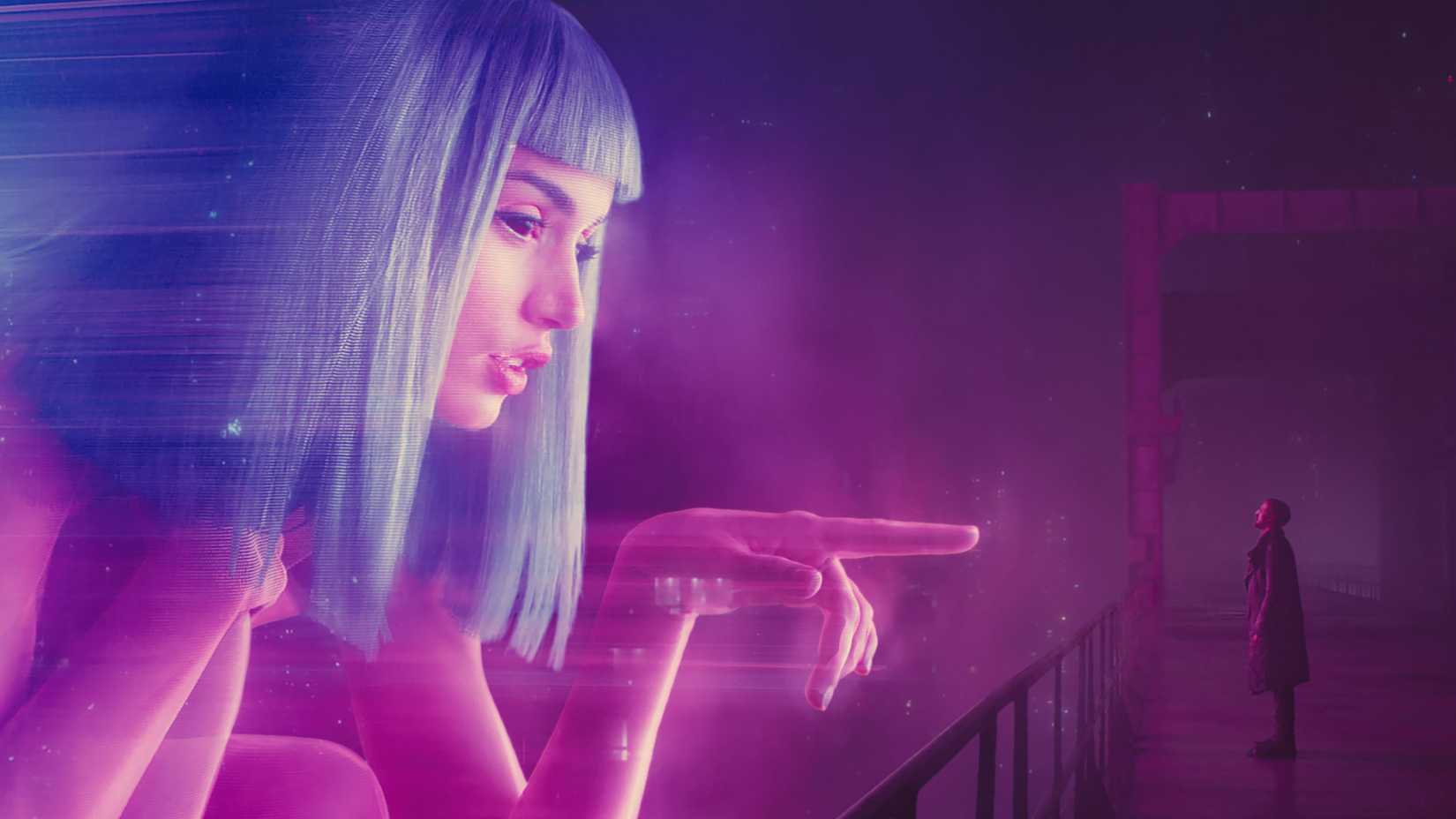
The 1982 classic Blade Runner was not a huge hit, so it was surprising when a sequel was slated for release in 2017. Eclipsing the first film in terms of ambition, Blade Runner 2049 felt like something genuinely new in the genre, posing bold questions against a backdrop of stunning visual effects.
With 35 years between the two films, the sequel had one of the biggest legacy sequel gaps ever. While the film lived up to its ambitious potential in terms of quality, garnering almost universal critical acclaim, this brilliant and beautiful piece of science fiction art failed to find a large enough audience to justify its $150-180 million budget.
There are few films that feel as big and important as Blade Runner 2049, and it is disappointing that the film did not leave a larger impact. Still, it is also a blessing that the film got made at all.
Star Wars: Episode I - The Phantom Menace (1999)
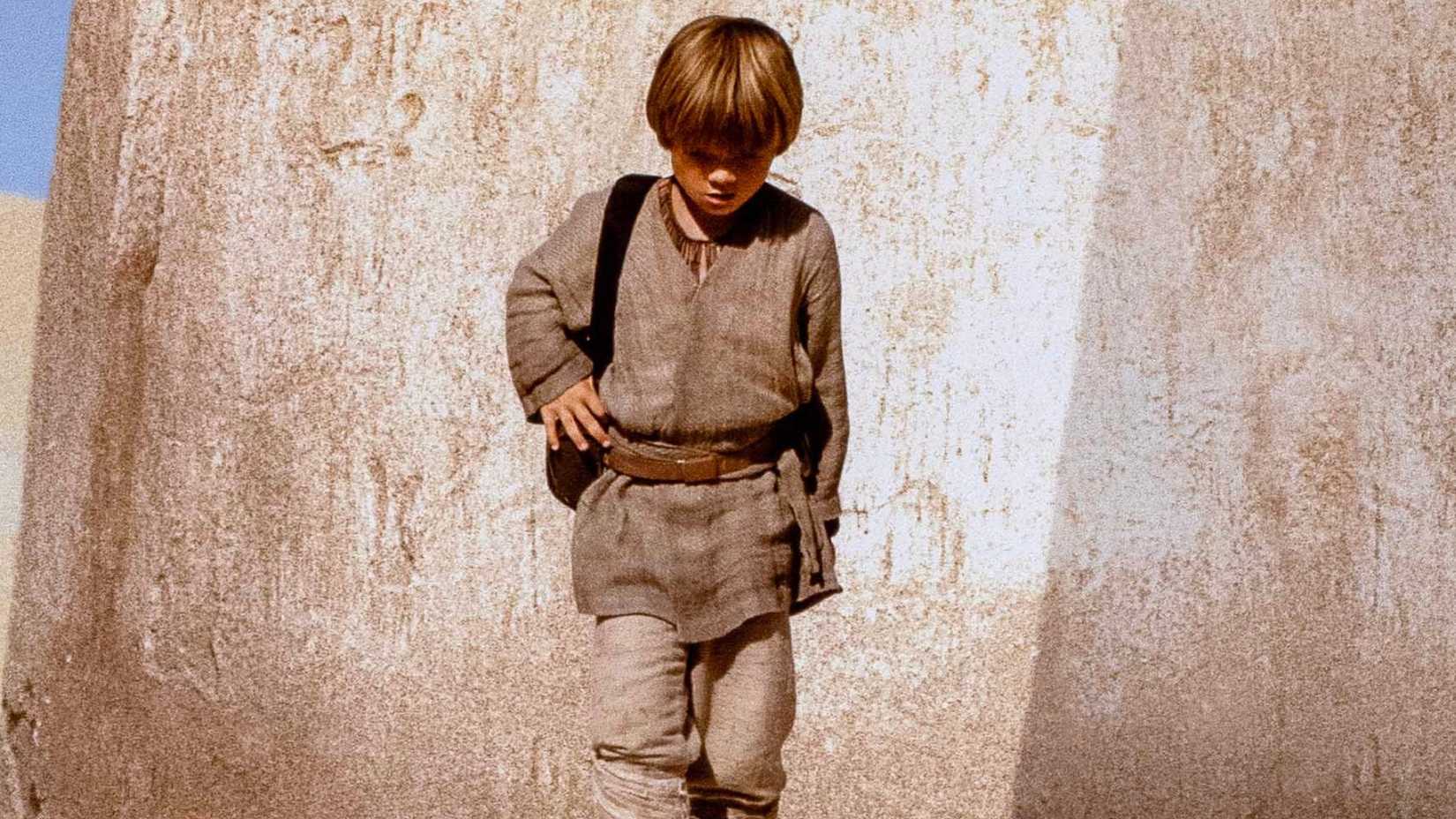
With the disappointing critical and audience reception that the film received, it is easy to forget how big this Star Wars project originally was. Following Lucas' original plans for the Star Wars saga to span nine chapters, things slowed after the release of Return of the Jedi, resulting in many unmade Star Wars movies.
In the interim, Lucas waited for technology to catch up with his ambitious desire to make a prequel trilogy about Anakin's fall to the Dark Side. This was partially funded by proceeds of the Star Wars special editions, which were released in 1997, before Lucas moved forward with his plans for what would become Episode I.
Expanding the scope of the universe with new Sith, a Jedi council, a Trade Federation, podracing, and so many fresh and original ideas, The Phantom Menace tried to do a whole lot, and quite a few of these efforts worked.
Cloud Atlas (2012)
There are many novels that are considered unadaptable, and David Mitchell's Cloud Atlas was among them until the Wachowskis decided to try their hands at this tremendously ambitious film. Telling loosely interconnected stories across six vastly different timelines, the sprawling novel seemed too much to fit in a standard-length movie.
This led to an appropriately sprawling film: Cloud Atlas ran just shy of three hours, and featured an enormous cast of stars, including Tom Hanks, Halle Berry, Hugh Grant, and Hugo Weaving, playing different characters across multiple time periods. Each of these contributes to a compelling story about the connections of people across time.
While some of the makeup used to transform the performers into other races was perhaps an insensitive choice, and has not aged well, the film is still a strong and unique achievement in science fiction storytelling.
The Avengers (2012)
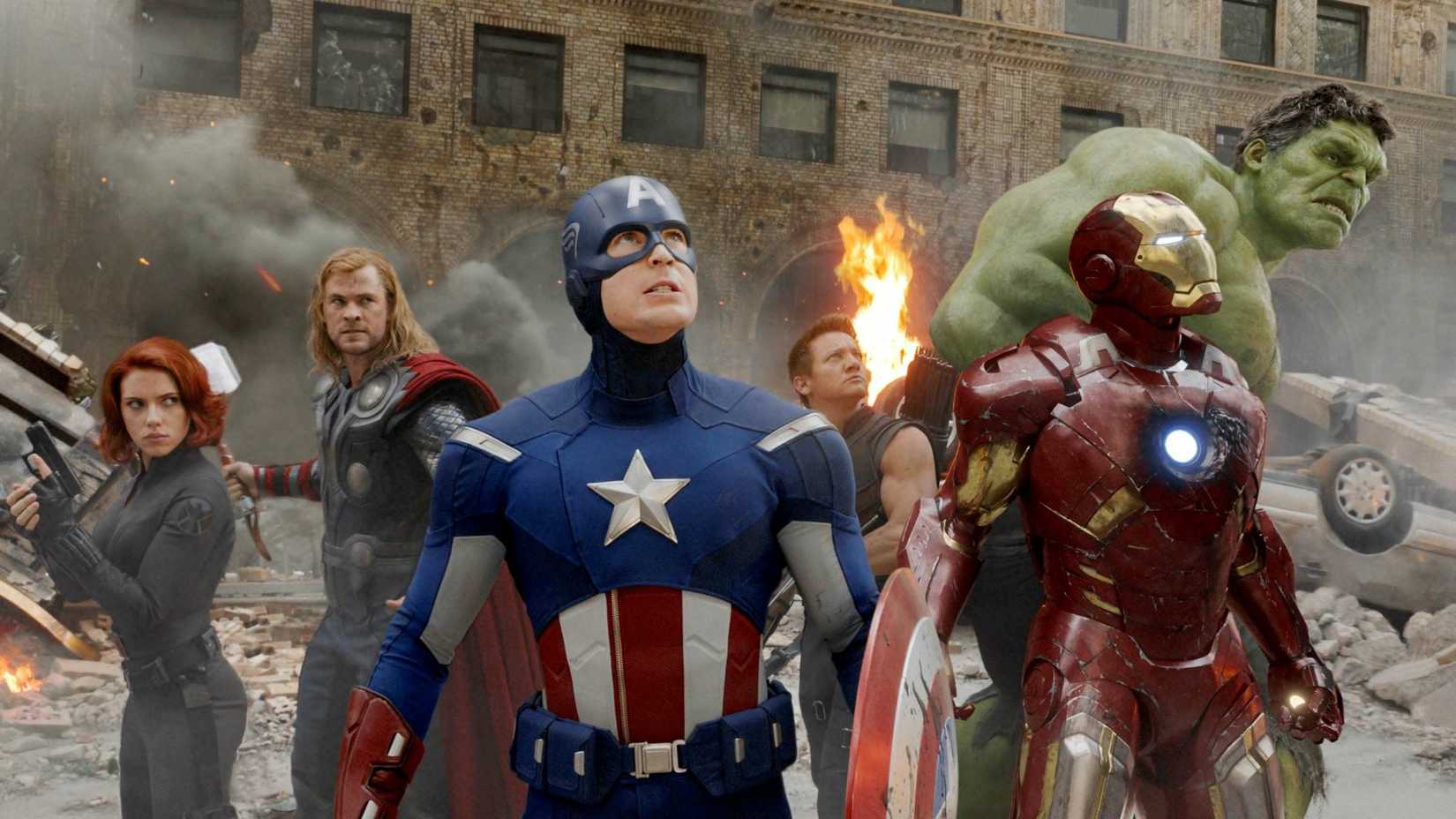
Marvel has redefined the blockbuster experience so many times since the MCU began in 2008 with Iron Man, and there are many projects that could fit this list, including the ambitious forthcoming Avengers: Doomsday. However, it is the franchise's first major crossover event that was so instrumental in shaping cinema as a whole.
Before The Avengers, a concept like this would be virtually unheard of. After the film, every major studio tried to copy it by building a cinematic universe of their own. While only a few succeeded, the ambitions of The Avengers have been instrumental in shaping audience expectations for superhero stories and movies in recent years.
The Avengers created a whole world that has continued to persist in cinema to this day, and made the Marvel brand the cinematic behemoth that remains revered worldwide.
Megalopolis (2024)

Francis Ford Coppola's Megalopolis is among the best films of the 21st century, although it did not attract much of an audience. An exceedingly weird look at a clash between ambition and corruption, the movie is one of the most unique experiences ever put on film, and began development back in the 1970s.
The documentary Megadoc chronicles much of the production and is a must-watch. With a star-studded cast, imaginative storytelling, and beautiful visuals, the film deserved far better upon release, and will almost certainly receive a critical reappraisal at some point in the future.
Until then, Megalopolis was a flop, earning only $14 million worldwide against a budget of $120 million, largely financed by the director himself. It seems audiences were not yet ready for the director of The Godfather's magnum opus.
Avatar (2009)
James Cameron broke budget records multiple times over the years. Terminator 2: Judgment Day was the most expensive movie ever made upon release, and Cameron broke that record again with True Lies in 1994, then Titanic in 1997. However, it was with Avatar that he finally reached his creative and technical zenith.
Avatar set a staggering new precedent in visual storytelling. Featuring the greatest special effects yet seen in a movie, and produced with new 3D technology, the movie was unlike anything ever seen in cinemas.
While many would argue the story to be generic, the visuals in Avatar hold up better than any movie before it, and still better than many, many movies that have come after it. This ambitious project, developed since 1994 and spending four years from pre-production to release, remains a high watermark for science fiction.
Star Wars (1977)
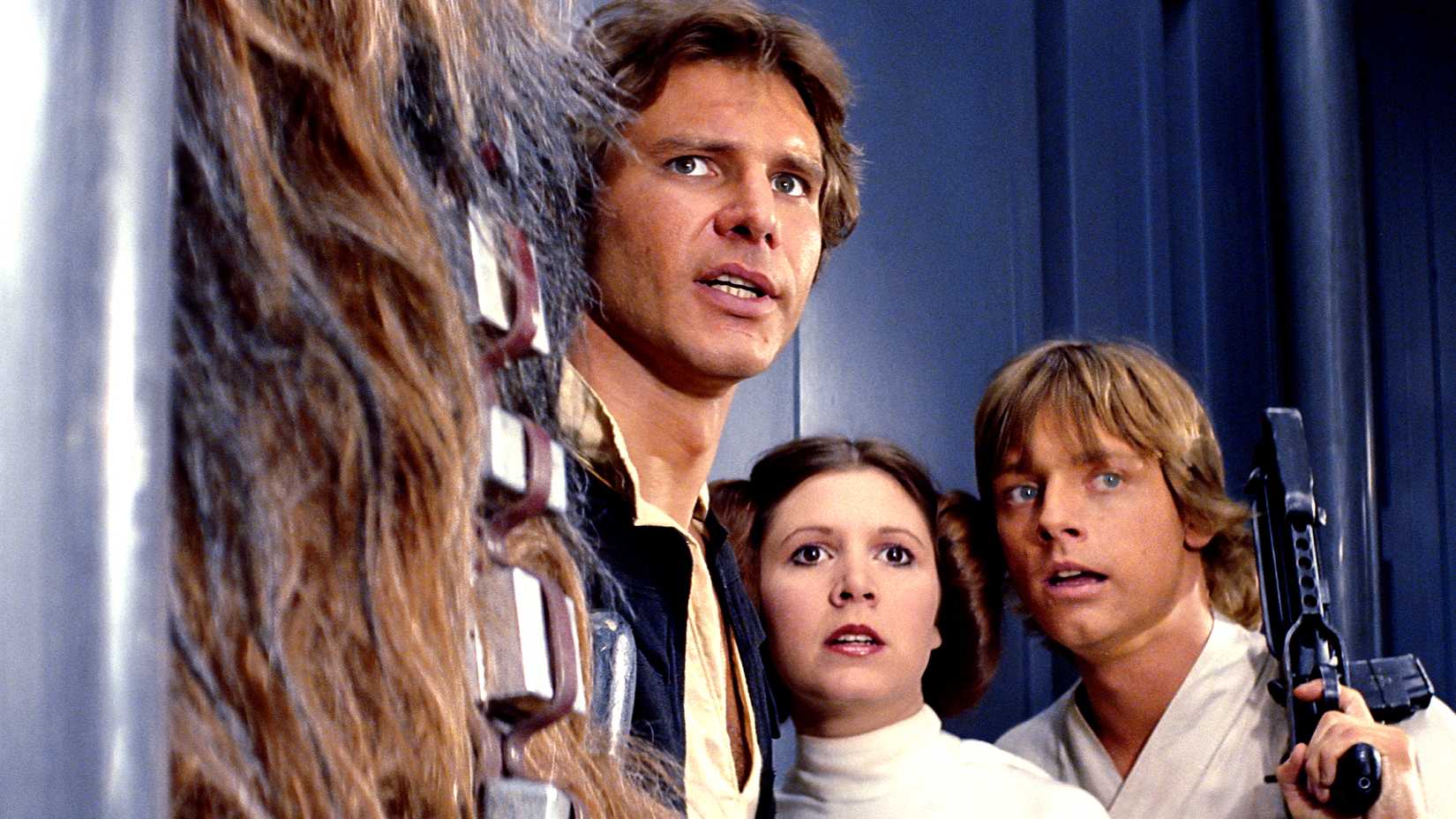
Following in the footsteps of 2001: A Space Odyssey, Star Wars took the most fantastic side of science fiction and made it into something smart, serious, and believable.
Updating on ideas seen in series like Flash Gordon, and integrating elements of samurai pictures like Akira Kurosawa's The Hidden Fortress, Star Wars was ambitious from the start. It proved itself further with its efforts in visual effects, pushing the envelope to ensure everything seen on screen looked real.
This has allowed the movie to age so well, and to feed into the tremendous franchise that Star Wars has since become. All of the roots, from the Jedi to the expansive and exciting galaxy full of interesting characters, are seen and felt in this original film.
Dune (2021)

Making a Dune movie was an enormously ambitious idea from the beginning, but doing it a second time after David Lynch's 1984 adaptation failed to connect with critics or audiences was an even more difficult ask. The project languished in development hell for years, with many believing the material to be unadaptable.
Denis Villeneuve believed otherwise. A lifelong fan of the novel, Villeneuve put so much time and effort into crafting a lived-in and believable world from Arrakis, in which to tell this brilliant and beautiful story. With only one film approved by the studio, he risked not telling the full story, depending on box office success to greenlight a sequel.
Fortunately, this happened, and the world of science fiction is better for it. This staggeringly ambitious achievement in cinematic storytelling looks like nothing anyone has ever seen before, and is fresh and original. Of all the breathtaking sci-fi movies that have been made, Dune might be the most ambitious of them all.




 English (US) ·