
 Image via New Line Cinema

Published Feb 7, 2026, 6:05 PM EST
Jeremy has more than 2300 published articles on Collider to his name, and has been writing for the site since February 2022. He's an omnivore when it comes to his movie-watching diet, so will gladly watch and write about almost anything, from old Godzilla films to gangster flicks to samurai movies to classic musicals to the French New Wave to the MCU... well, maybe not the Disney+ shows.
His favorite directors include Martin Scorsese, Sergio Leone, Akira Kurosawa, Quentin Tarantino, Werner Herzog, John Woo, Bob Fosse, Fritz Lang, Guillermo del Toro, and Yoji Yamada. He's also very proud of the fact that he's seen every single Nicolas Cage movie released before 2022, even though doing so often felt like a tremendous waste of time. He's plagued by the question of whether or not The Room is genuinely terrible or some kind of accidental masterpiece, and has been for more than 12 years (and a similar number of viewings).
When he's not writing lists - and the occasional feature article - for Collider, he also likes to upload film reviews to his Letterboxd profile (username: Jeremy Urquhart) and Instagram account.
He has achieved his 2025 goal of reading all 13,467 novels written by Stephen King, and plans to spend the next year or two getting through the author's 82,756 short stories and 105,433 novellas.
Sign in to your Collider account
Making one movie is full-on, for so many reasons, and having it turn out good should be celebrated. If the ambition pays off, in other words, that’s always good, because pretty much every movie is ambitious, to some extent, often including the not-so-great ones. So, it stands to reason that making three movies that all add up to one whole is an even grander undertaking.
If a trilogy felt ambitious and relatively well-executed, it’s got a chance to be featured below. Going through all of these isn't the same as listing off the best movie trilogies of all time, because you can recognize ambition even in a movie that you might find rather flawed (oh hi, Megalopolis; what are you doing in this here intro?). So, if a trilogy you really like and/or respect isn't here, maybe that’s why. Don’t cry about it too loudly, if you gotta cry at all.
10 'Three Colours' Trilogy (1993–1994)
 Image via MK2 Productions
To the surprise of hopefully nobody, there are three movies in the Three Colours series. Each one does indeed correspond to a different color and vibe. Three Colours: Blue is pretty heavy, being about a woman dealing with grief. Three Colours: White is a little lighter, being a weird and somewhat farcical comedy-drama. And then Three Colours: Red is a bit more romantic, and sort of mysterious, too.
It’s a remarkable arthouse trilogy, and an arthouse trilogy is a fairly unusual thing to begin with, since most art films don’t typically get sequels. And maybe it’s inaccurate to call Three Colours: White and Three Colours: Red sequels in the traditional sense, but they were follow-ups and released separately, even if it’s now pretty easy to view – and appreciate – the trilogy as its own work of art (fitting, what with it being an arthouse trilogy and stuff. All comes full circle).
9 The 'Evil Dead' Trilogy (1981–1992)
 Image via New Line Cinema
While the Spider-Man trilogy that Sam Raimi directed was pretty great, and also fairly ambitious for its time, it’s not quite on the same level as the three Evil Dead movies he directed (you know, the best three). They're still going with Evil Dead movies, and that’s nice and all, especially if each one proves willing to mix things up. That’s what was kind of special about Raimi’s trilogy.
Evil Dead makes sense, somehow, as a trilogy, even if one of the movies in said trilogy isn't bloody like the others, nor even horror-related.
The first one was all-out horror, the second one perfectly blended comedy and horror, and then the third one went all-out in being a fantastical slapstick movie. And it all makes sense, somehow, as a trilogy, even if one of the movies in said trilogy isn't bloody like the others, nor even horror-related. To mix things up tonally to such an extent is ambitious as hell, even if the Evil Dead trilogy is a lot less epic in scope and scale than most of the trilogies that are soon to be mentioned. The ambition here relates more to genre and tone.
8 The 'Qatsi' Trilogy (1982–2002)
.jpg?q=49&fit=crop&w=825&dpr=2) Image via New Cinema
Image via New CinemaMixing things up with a documentary trilogy now, here are the Qatsi films. Well, there are three of them, and they are all sort of documentaries, but they're odd and unconventional documentaries. All of them play out without narration or interviews, and they're made up of footage presented alongside music, all edited in a way that conveys some kind of message.
The message might be up to you, or it might be honestly kind of obvious, even without anyone telling you what to think or how to feel (Koyaanisqatsi, especially, kind of boils down to “Natural world stunning, and industrial world destructive, but also kind of striking in its own way”). That first movie is the best, but they're all worth watching and/or listening to, the latter because Philip Glass was absolutely on fire with the scores he wrote for these three documentaries.
7 'The Apu Trilogy' (1955–1959)
 Image via Aurora Film Corporation
The Apu Trilogy is about a boy growing into a teenager and then a young man, making it a coming-of-age story that plays out across three movies. Despite being the title character, though, he’s more of a supporting character in the first movie, Pather Panchali, which is more of a family drama, taking place at a time in Apu’s life when he’s a young kid and more of a passive observer to things happening around him.
The drama intensifies in the second movie, and then further in the third, with that concluding chapter, Apur Sansar, perhaps being the best of the lot. That being said, you do need to watch the other two to fully appreciate the third, and they do all add up to a remarkable epic kind of story; certainly one of the best, as far as international cinema goes.
6 The 'Star Wars' Original Trilogy (1977–1983)
 Image via Lucasfilm
For better or worse (it’s a matter of opinion), there’s a lot more to Star Wars than just the first three movies. Star Wars was a trilogy for about a decade and a half, then came the prequel trilogy, and then a decade after that one concluded, there was the sequel trilogy. In all, there were nine movies that made up what came to be known/defined as the Skywalker Saga.
Lots of things can be said about all those movies, but to stick with the first three, they're all pretty great, right? Maybe Return of the Jedi is a little weaker than the other two, but it’s still a satisfying conclusion for that original trilogy, and it’s hard to argue against the idea that A New Hope and The Empire Strikes Back are fantastic. Each movie made the galaxy feel bigger while upping the spectacle and stakes, all in a way that makes the original trilogy remain very easy to appreciate and enjoy, even all these decades later.
5 The 'Dollars' Trilogy (1964–1966)
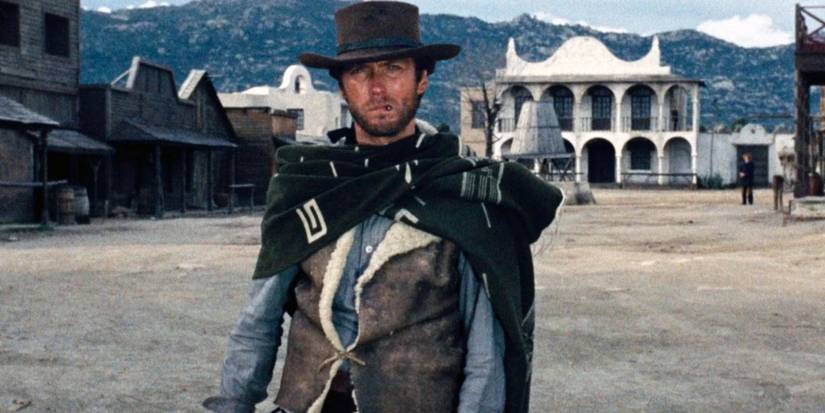 Image via United Artists
There’s a great sense of escalation to the movies that make up Sergio Leone’s Dollars trilogy. A Fistful of Dollars is pretty small-scale, and admittedly owes a lot to Yojimbo, though it’s pretty good for its time. For a Few Dollars More is much better, and grander in scale, and then The Good, the Bad and the Ugly is even more massive, and probably the best of the bunch.
For as great an ending as The Good, the Bad and the Ugly is, it’s kind of a prequel, but still, the way these movies were made and released, each one succeeds in being more spectacular and ambitious than the last. As such, the whole trilogy is easy to appreciate, even though there was one other trio of movies Leone made that might well be even more awe-inspiring, as a trilogy (of an admittedly thematic nature, but still).
4 The 'Before' Trilogy (1995–2013)
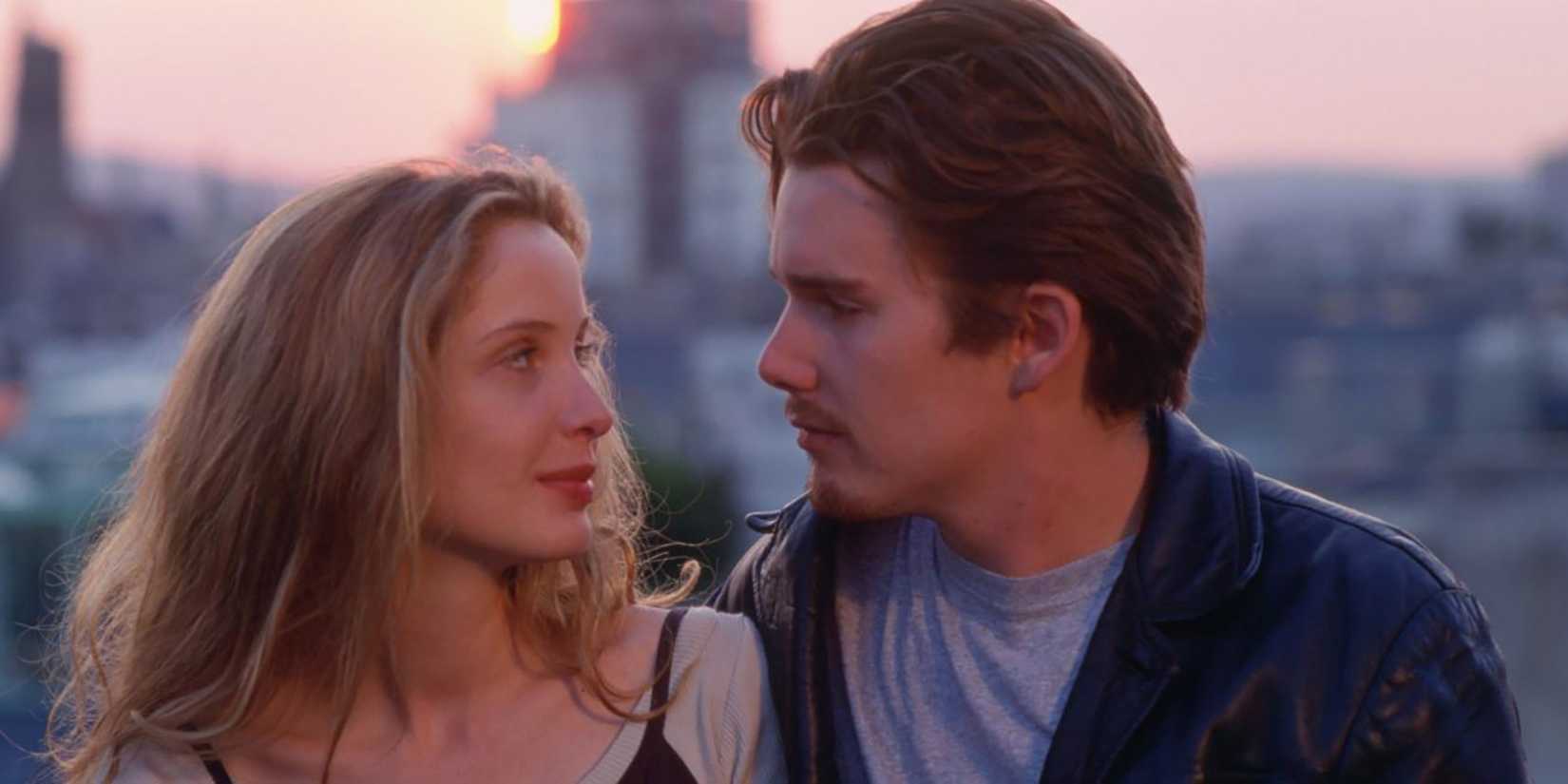 Image via Columbia Pictures
If you take any of the movies in the Before trilogy on their own, they might not seem overly ambitious in the traditional sense. Essentially, each one takes place over a short period of time, and features only two main characters who spend most of each movie talking to each other. Sometimes, they talk while walking. In the third movie, some of their conversations are heated and quite emotionally intense.
So, what makes the trilogy as a whole special, then? Each movie was made nine years apart, and so taken as a whole, they tell the story of two people meeting and falling instantly in love, then reconnecting unexpectedly after almost a decade, and then dealing with middle-aged woes nine years later, after they’ve gotten together and more or less stayed that way. It makes the whole trilogy something of an unlikely epic, at least narratively and in regard to time, even if every individual movie is quiet and incredibly intimate in nature.
3 The 'Once Upon a Time' Trilogy (1968–1984)
The thematic trilogy Sergio Leone directed that was alluded to before doesn’t really have as snappy a name as the Dollars trilogy, but can be called the Once Upon a Time trilogy, if you so desire. The one thing that kind of throws this off is the fact that the second movie in this “trilogy” only has “Once Upon a Time” in one of its alternate titles, as it’s more commonly known as Duck, You Sucker! or A Fistful of Dynamite, rather than Once Upon a Time… the Revolution.
Still, that third title is the best one, and as for the other two movies, they're Once Upon a Time in the West and Once Upon a Time in America. They're all lengthy, challenging, and frequently spectacular movies that, like the Dollars trilogy films, weren’t fully appreciated in their time, but are seen more often as classics nowadays. Well, maybe not Once Upon a Time… the Revolution. That one’s still underrated as hell.
2 'The Human Condition' Trilogy (1959–1961)
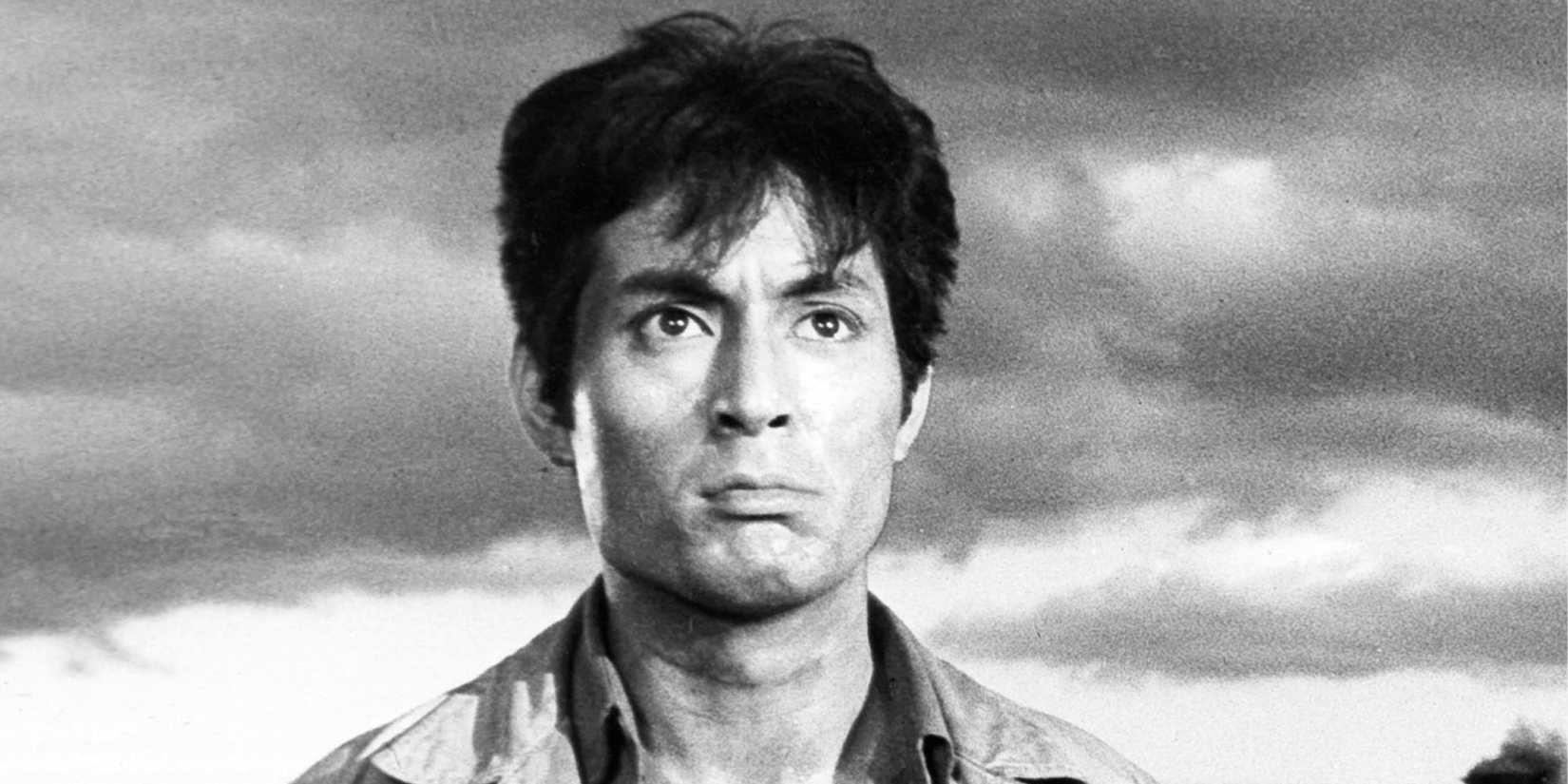 Image via Shochiku
Time for some hyperbole (but also, this trilogy is literally called something as broad as “The Human Condition,” and lives up to such a title, so it’s warranted). This trilogy might well be the definitive World War II epic, if you consider it as one massive three-part film. It takes place just before, then during, and then a little after World War II, showing all these stages from the point of view of a pacifist who’s swept up into the conflict, and then has to survive it.
The progression here, for that character, is pretty amazing, not to mention despairing, and the way The Human Condition feels like one whole while also having each movie play out quite differently makes it all the more remarkable. There might be some epic movies, told in parts or as literally one film, that are even better, but not many. The Human Condition really is about as essential as war movies/trilogies get.
1 'The Lord of the Rings' Trilogy (2001–2003)
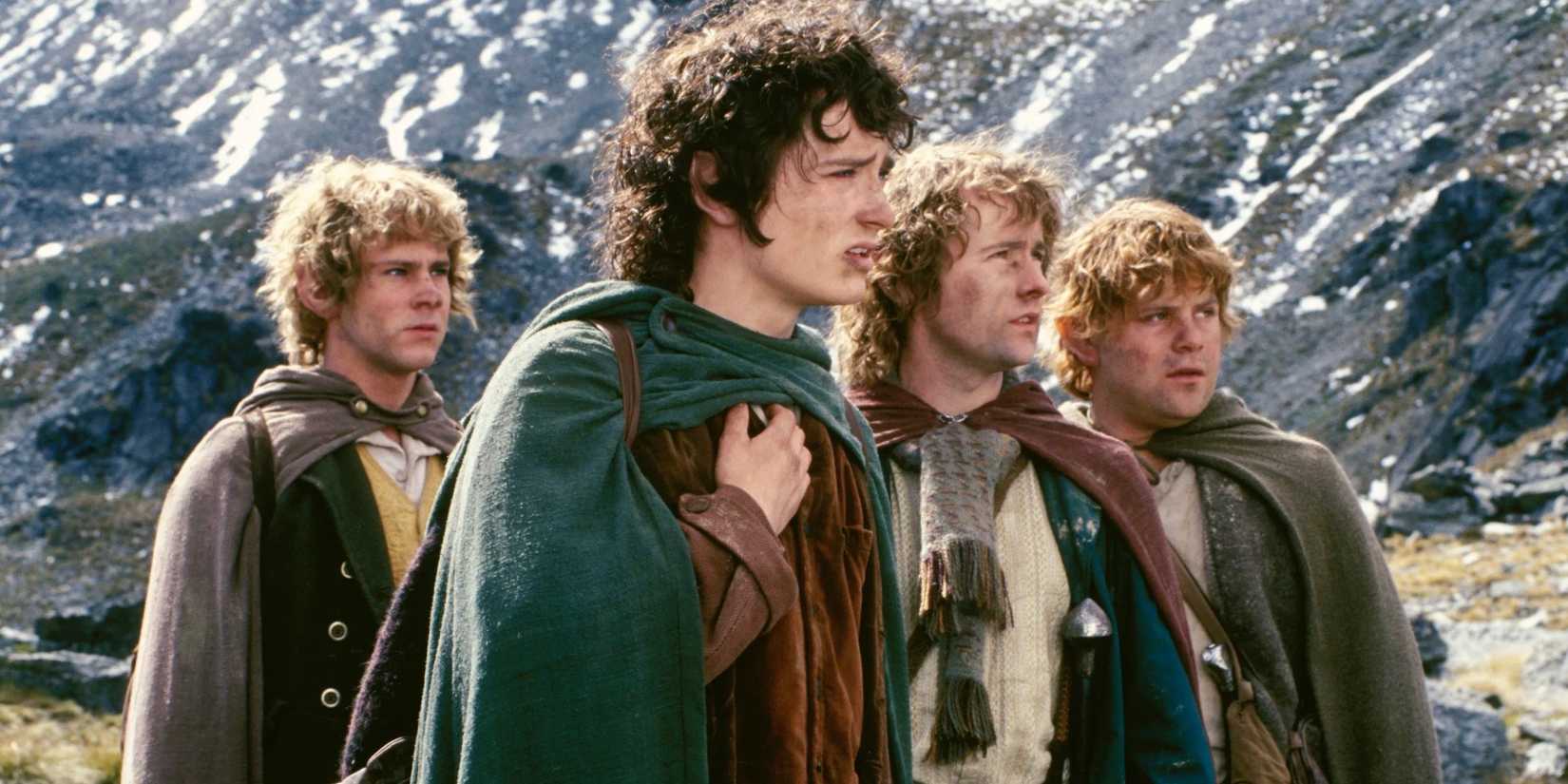 Image via New Line Cinema
Like The Human Condition, The Lord of the Rings was conceived as one massive production, which is fitting, considering that’s how J.R.R. Tolkien wrote the original text. It was made into a trilogy after the fact, as a book, owing to its length, and so that was ultimately the way to tackle the entire epic as a movie (though not everything that happens in The Two Towers on page happens in the movie of the same name; parts of the beginning happen near the end of 2001’s The Fellowship of the Ring, and some later parts, chronologically speaking, happen in 2003’s The Return of the King).
Put simply, trilogies don’t get much more ambitious than The Lord of the Rings, and honestly, movies, epics, however you want to classify them… very little is as grand and impressive in scale as this massive creative endeavor. It’s true that so many positive things have been said about these movies, but they warrant it, and so too does The Lord of the Rings deserve the #1 spot here, in this ranking.



 English (US) ·