

Published Jun 6, 2026, 11:55 AM EDT
Shawn S. Lealos is an entertainment writer who is a voting member of the Oklahoma Film Critics Circle. He has written for Screen Rant, CBR, ComicBook, The Direct, The Sportster, Chud, 411mania, Renegade Cinema, Yahoo Movies, and many more.
Shawn has a bachelor's degree in professional writing and a minor in film studies from the University of Oklahoma. He also has won numerous awards, including several Columbia Gold Circle Awards and an SPJ honor.
He also wrote Dollar Deal: The Story of the Stephen King Dollar Baby Filmmakers, the first official book about the Dollar Baby film program. Shawn is also currently writing his first fiction novel under a pen name, based in the fantasy genre.
To learn more, visit his website at shawnlealos.net.
Horror movies set in one location offer something terrifying for movie fans. There are plenty of horror films that have a large landscape for the killers to hunt down their victims. However, what makes horror movies that stick to one location so scary is that these stories contain a feeling of claustrophobia, as well as a sense that there is no escape. The single-location storytelling features a sense of isolation that is widely known as the main allure of haunted house movies.
This entire idea was shown in the surprising success of the 2026 horror movie Backrooms. This movie, based on the YouTube series by director Kane Parsons, places the protagonists in a series of seemingly inescapable rooms with yellowed walls. This not only offers up the idea of a single-location horror story, but it delivers the terror of the idea of liminal spaces, where everything looks a little familiar, but is just different enough to become terrifying.
The idea of horror movies being limited to one location is also nothing new, and films like Backrooms simply use a technique that is tried and true throughout the years. Fans can go back to the 1960s and see how George Romero took the very first modern-era zombie movie and made it scarier by placing all the horror in one single house to see the trope performed by a master filmmaker. Seeing a horror movie set inside a single, inescapable location can increase the terror and make the scares almost unbearable.
Cube (1997)
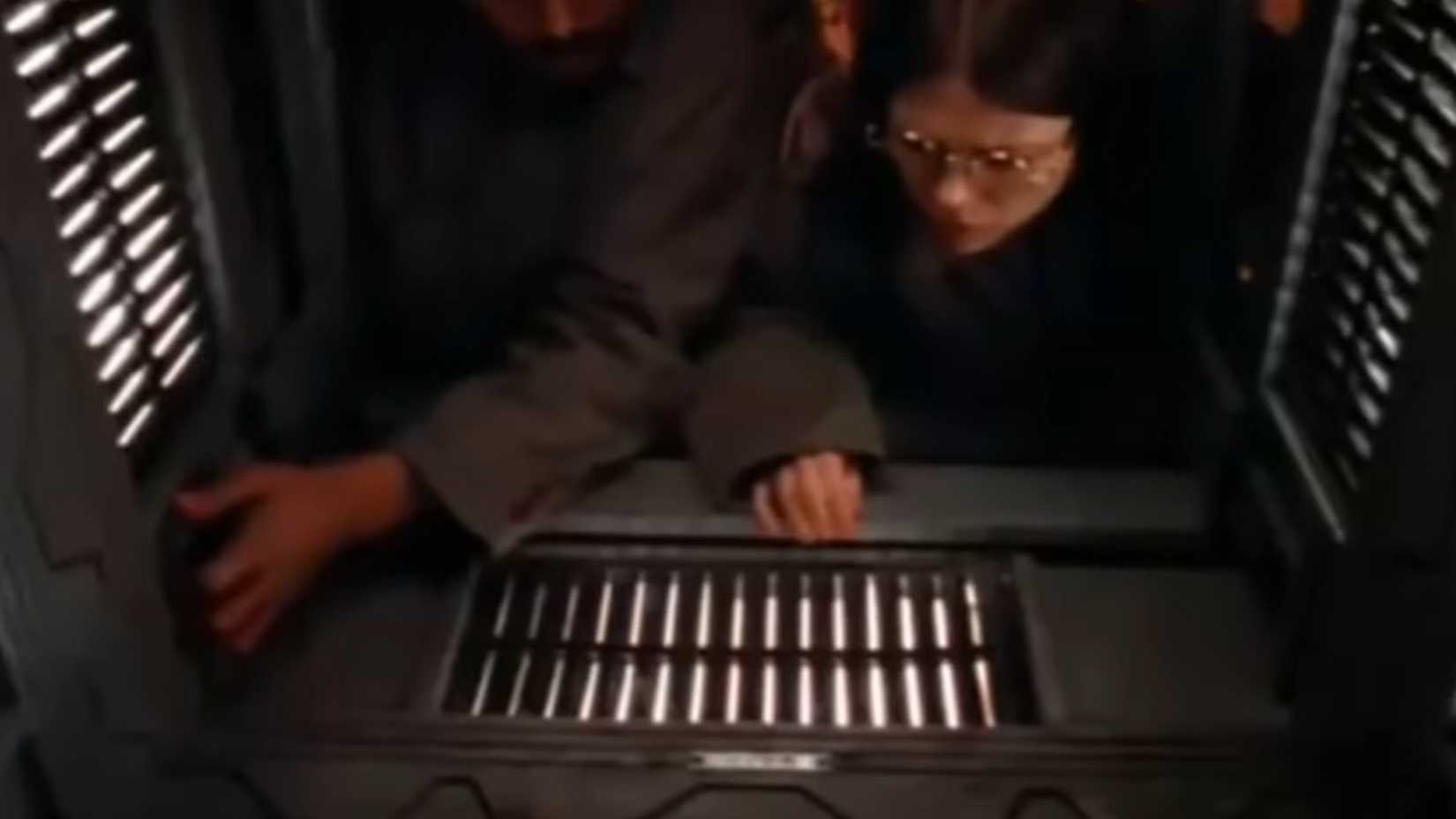
Released in 1997 by director Vincenzo Natali, the Canadian horror movie Cube was not only set in one location, but the entire movie was filmed in one single cubed room. However, Natali re-lit and re-colored the interior of the cube multiple times to show the survivors making their way through different cubed rooms, trying to escape. This was the movie that helped influence every escape room film that has come out over the years since its release.
The movie is similar to Saw in that several people wake up in the cubed room with no memories of how they got there. They also all had things from their past that were hidden that they had to confront, even as each cubed room has puzzles that will kill one of them if they get it wrong. While it received mixed reviews when released, Cube has become a massive cult favorite for horror fans and has ended up with two sequels. Every movie from Saw and Escape Room owes its existence to Cube.
The Descent (2005)
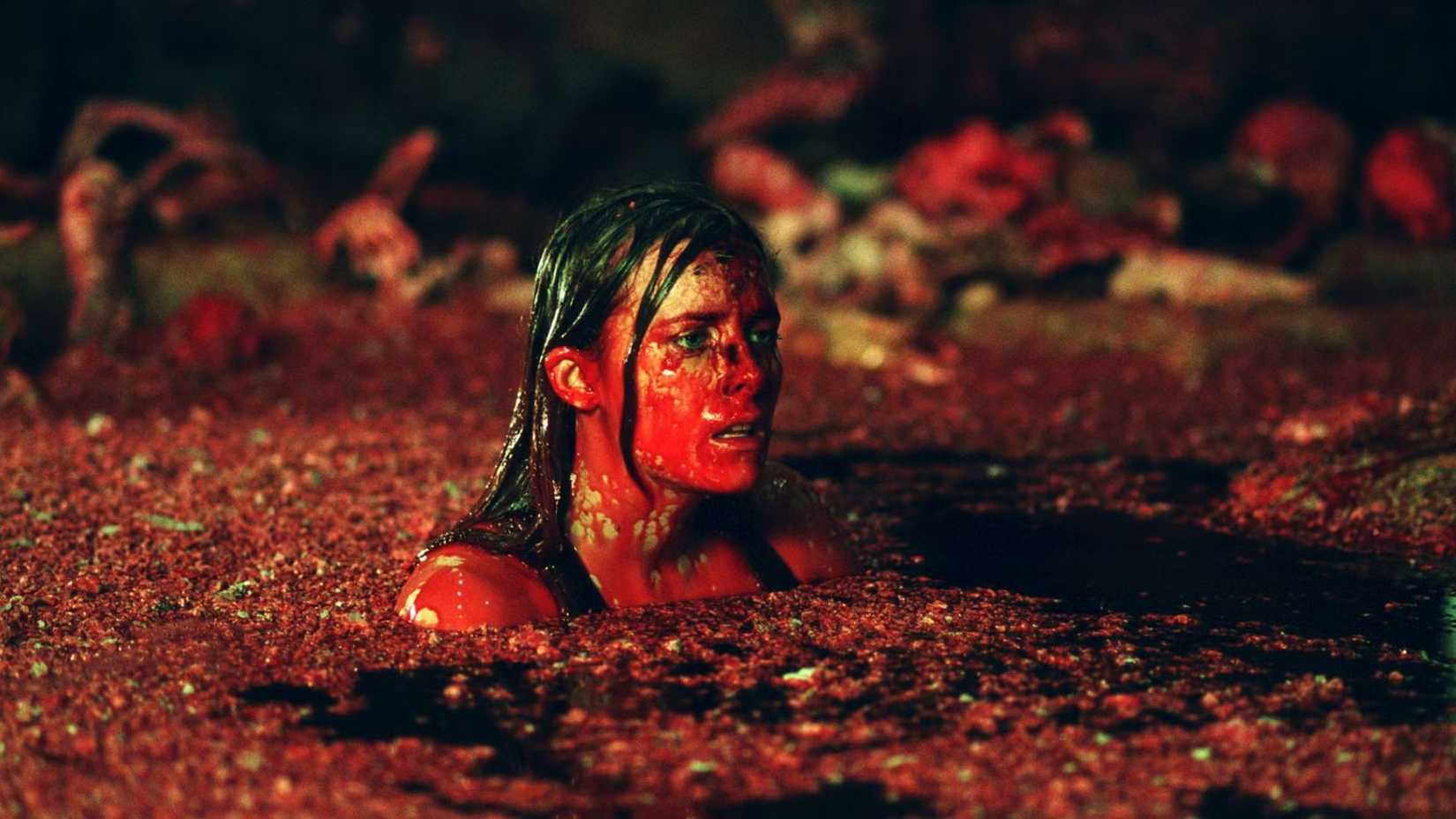
The Descent is a terrifying horror movie by Neil Marshall that limits its action to one single location, and that is an enclosed cave system. The movie opens with a traumatic scene where a woman's husband and her young daughter die in a freak road accident. One year later, the woman and her friends all go on a cave-spelunking adventure, only to find themselves trapped in a cave in the Appalachian Mountains. To make things worse, mutated subterranean humanoids called crawlers live there and start hunting the women down.
The horror here is obvious, as there is no light, no sky, narrow passageways, and cramped chambers. The creatures are blind, but they can find their way around inside, while the trapped women have no idea where they are or where they are going. The dim lighting and use of green glow sticks and red flares make the viewers as confused as the characters and create one of the most claustrophobic horror movies imaginable.
1408 (2007)
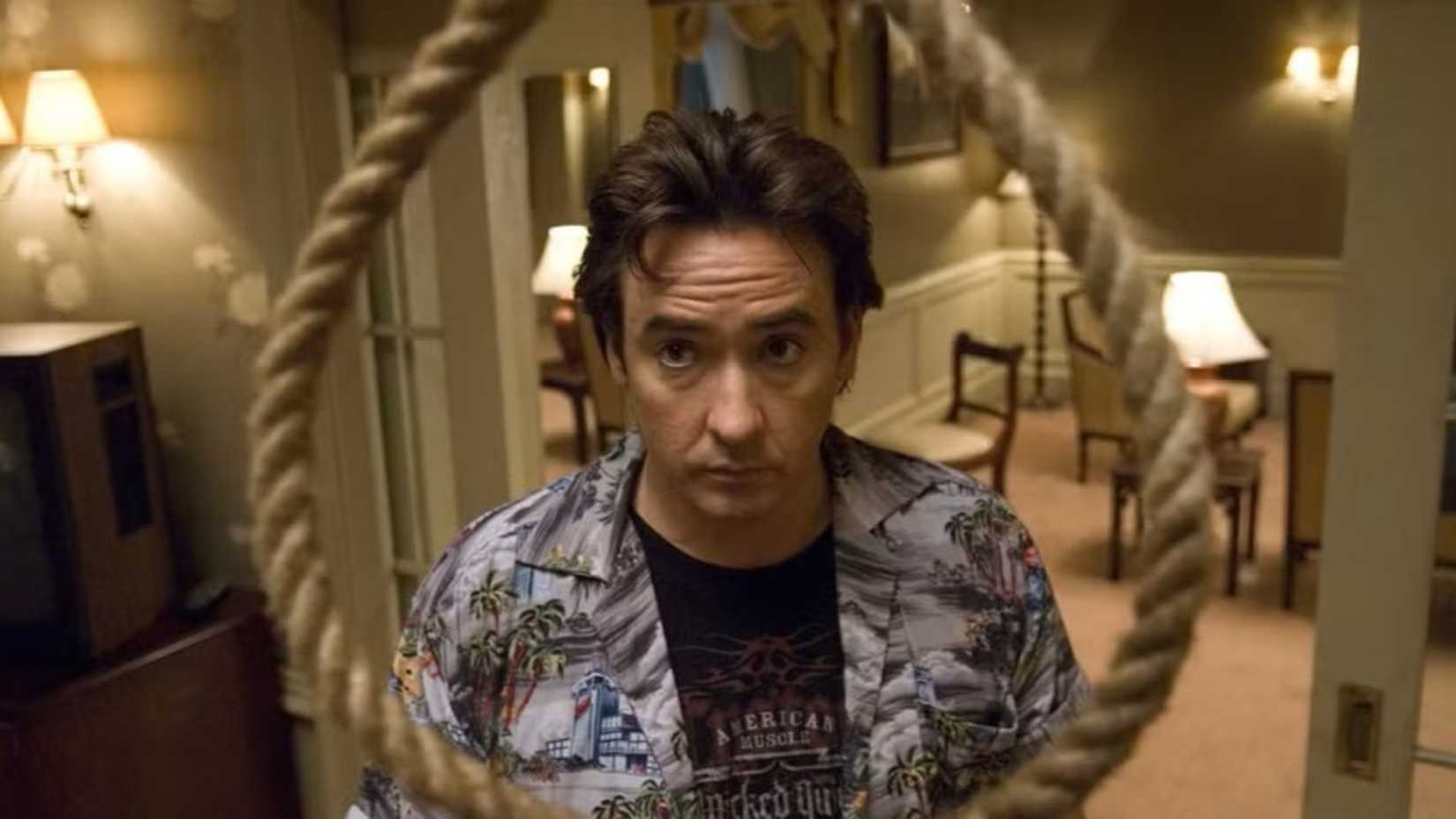
1408 is a slant on the haunted house story, as a skeptical paranormal-novel writer checks into room 1408 at New York's Dolphin Hotel, a room that has 56 reported deaths in the past. Directed by Mikael Håfström and based on a short story by Stephen King, this single-location horror story has a terrifying premise with a personal story attached. Mike Enslin (John Cusack) experienced the death of his daughter and wants proof of an afterlife. What he finds in this room is not what he is looking for.
What makes this movie work so well in a single location is that Mike is the only character in most of the movie, with Samuel L. Jackson as a hotel manager who tries to talk him out of it, and Mike's wife in limited scenes throughout. The room itself is the villain here, a confined space that warps, freezes, and eventually burns, breaking down Mike's mind as the film wears on. 1408 also has alternate endings, one of which improves this underrated movie even more.
Barbarian (2022)
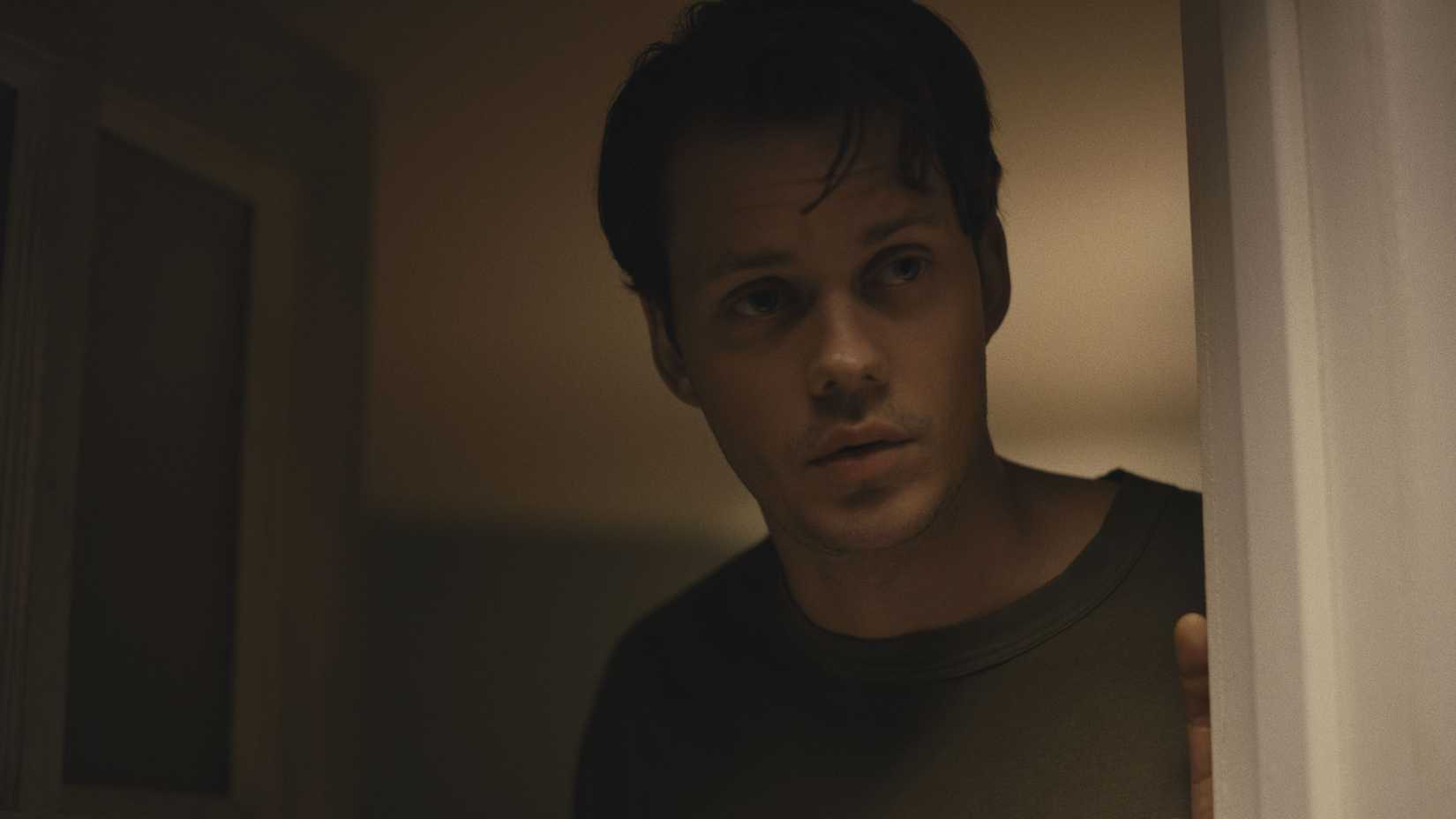
Zach Cregger made his horror movie debut with 2022's Barbarian. Georgina Campbell stars as Tess, a young woman who rents an Airbnb in Detroit only to learn it was double-booked with a stranger (Bill Skarsgård). However, it isn't the stranger she needs to be scared of. Instead, it is the malevolent being who lives in the basement. The film was a surprise success for the former comedian, and it cemented Cregger as the next big name in horror.
The house at 476 Barbary Street is the location for this horror story, as the woman is warned to stay away, but when she ignores the warnings, she ends up fighting for her life. The basement leads to tunnels, the tunnels lead to deeper tunnels, and the geography of the house is progressively revealed. It is the house that creates the horror in this movie, and while the creature in the basement is horrifying, it is the house itself that seems almost inescapable.
You're Next (2011)

You're Next is a home invasion horror story, but it is one that turns the entire subgenre on its head. Instead of just watching the invaders go in to kill all the people inside, this time the movie has one of the victims fight back. What results is the hunters becoming the hunted and the protagonist becoming a deadlier killer than the invaders themselves. Directed by Adam Wingard, the movie makes Sharni Vinson's Erin into one of the best modern-day scream queens in movies.
The single location in this horror movie is the large vacation home that becomes an all-out battleground where every room, window, and crawl space becomes a tool that Erin can use to lure her attackers to their deaths. This was the movie that helped elevate the home invasion subgenre into something bigger and better, and it remains influential to this day.
Hush (2016)

Hush is a movie that owes its existence to movies like You're Next, but it has one thing that keeps it unique from others in the home invasion subgenre. Directed by Mike Flanagan, Hush stars Kate Siegel as Maddie, a deaf-mute novelist who lives alone in the woods. When a masked assailant shows up at her remote home, she doesn't know she is no longer alone, and he uses the fact that she can't hear him against her.
However, Maddie can take care of herself. This single location is her home, and she knows every part of the house better than her home invader. The sound design here is also a big part of keeping the terror high in this single location, as it will often cut out all sound, including the score and the sound effects, to send the audience into Maddie's silent POV. It perfectly sends all viewers into her isolated space and makes things more tense than ever.
Backrooms (2026)
Kane Parsons became a YouTube sensation when he created the viral web series Backrooms, based on the creepypasta of the same name. While only a teenager when he created his YouTube series about a maze of yellow-colored rooms with limited items in each one, all leading to monsters, he garnered a lot of attention and millions of views. What resulted was a chance, at the age of 20, to direct a movie based on his ideas, with two Oscar-nominated actors involved.
Chiwetel Ejiofor is a man named Clark who yells at his therapist, Dr. Mary Kline (Renate Reinsve), about a passageway he found in his furniture store to the Backrooms. When she goes to explore, she ends up trapped there with Clark, and the two end up fighting for their lives. This is the perfect example of liminal spaces, as the yellowed rooms are just familiar enough to impose terror on the audience. It was a massive success, making $118 million worldwide in its opening weekend on a $10 million budget.
10 Cloverfield Lane (2016)
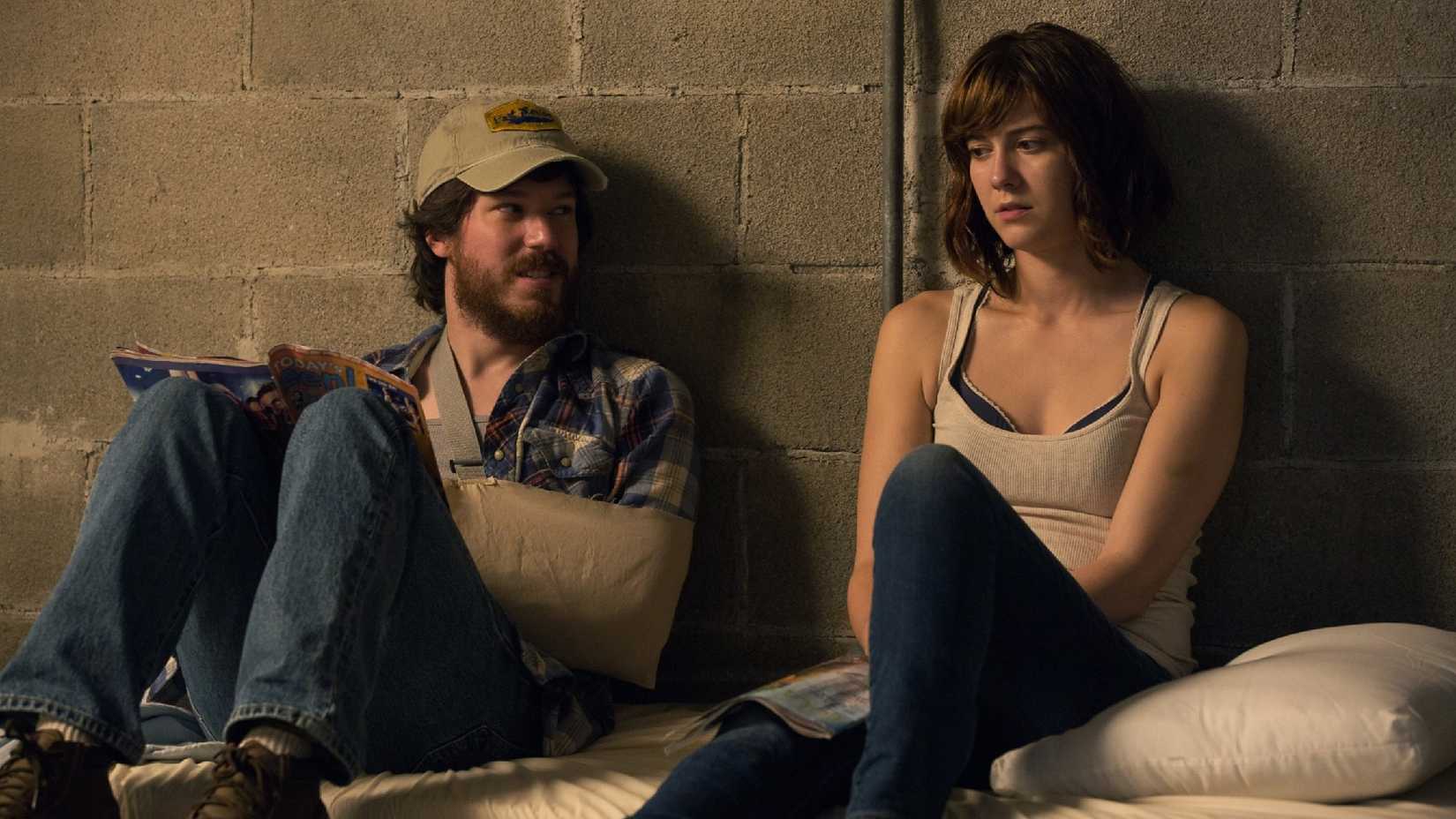
10 Cloverfield Lane is a sequel to the found footage horror movie Cloverfield, but it didn't start that way. Instead, this was a thriller movie about a woman trapped in an isolated bunker with two men, one of whom warns her that the world outside is too dangerous to survive. The Cloverfield monsters were only added to the ending to tie the movies together. However, as a story, 10 Cloverfield Lane works perfectly on its own as a single-location horror movie.
John Goodman is a survivalist who abducts Michelle (Mary Elizabeth Winstead) after a car accident and holds her against her will, swearing that death awaits outside the doors. The movie plays it smart and keeps all the action inside the bunker until the ending, which means the only knowledge of the outside world is what one unhinged man says, and while he was partially telling the truth, it makes this an intense story of a woman trying to escape her captor.
Night of the Living Dead (1968)
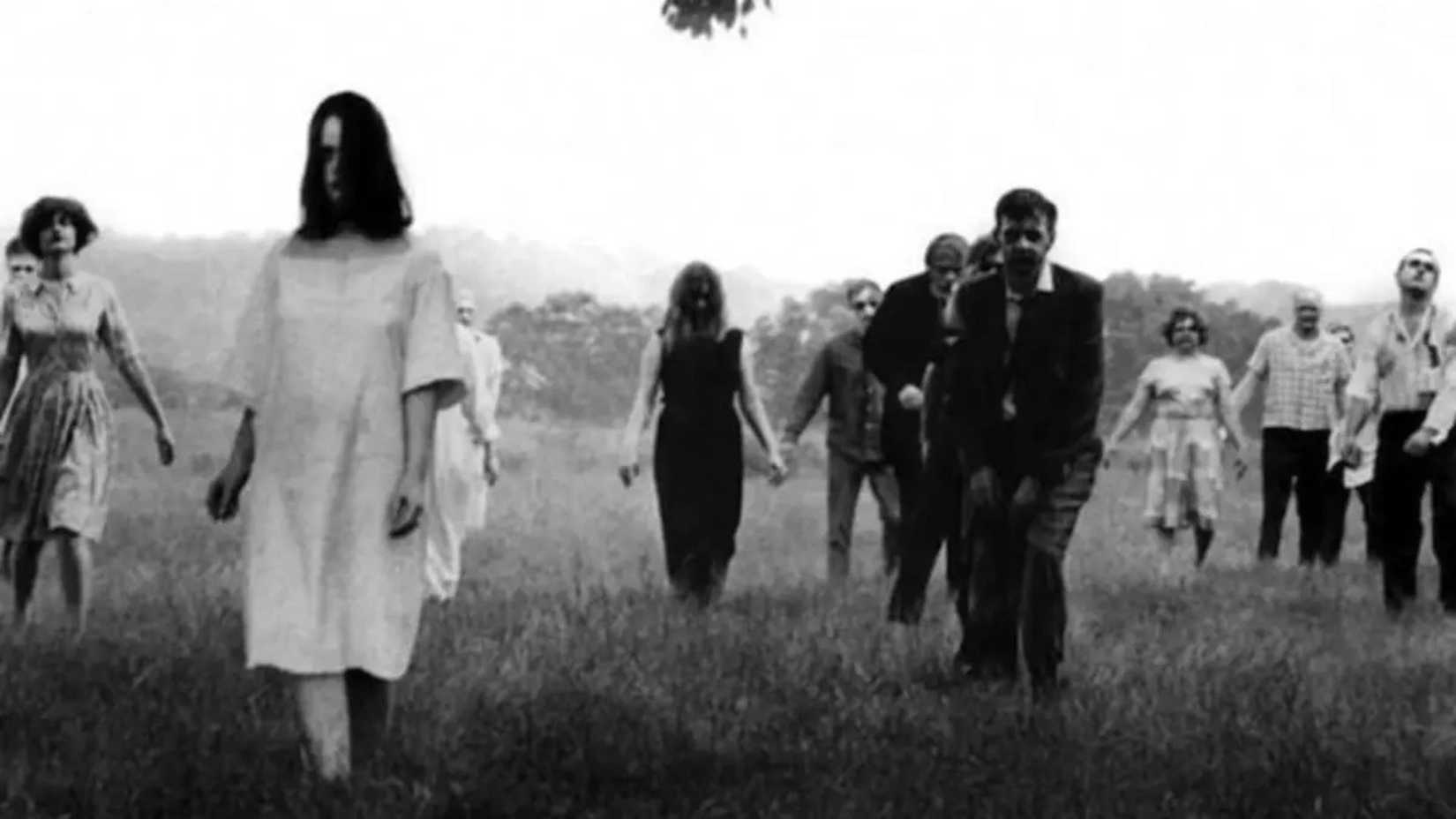
George A. Romero changed everything about zombie movies in 1968 with his horror film Night of the Living Dead. Before this, zombies were a Haitian horror trope, but from this point on, they were the dead risen and seeking to kill and consume any living person they find. One thing that Romero did so well in his introduction to the new monsters was to limit all the action to one single location. This was a small home by a cemetery, where survivors gathered to hold off the walking dead.
This allowed the genre to set up some strong tropes, including the fact that humans were as deadly as the zombies, and by locking the survivors in a small house together, it showed how these people could turn deadly in a short time. Romero did a similar thing with Dawn of the Dead, where the single location was a shopping mall, but adding the multi-story building of stores took away a little from the claustrophobic house in the first movie.
The Shining (1980)
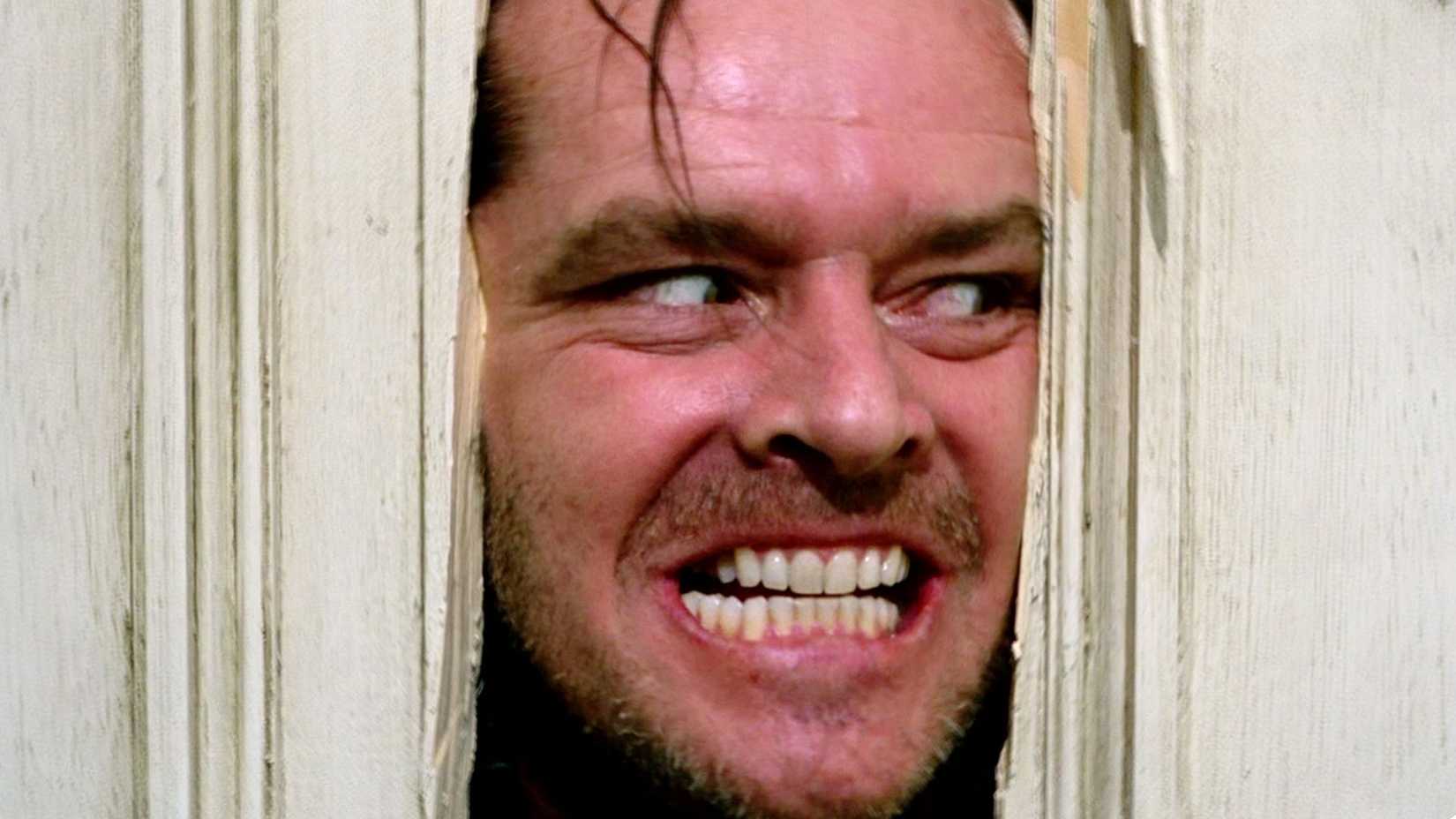
The Shining was a story about how isolation in a single location could turn into murder if the wrong person is locked away there. The Stanley Kubrick movie, based on Stephen King's novel, stars Jack Nicholson as Jack Torrance, a writer who takes a job as a winter caretaker for the Overlook Hotel during its winter season when the building becomes snowed in. He takes his wife and son with him, but as the winter rolls on, Jack becomes homicidal.
King's novel has the Overlook Hotel haunted, with the ghosts there sending Jack over the edge and sending him after his wife and son to kill them. Kubrick chose to make Jack unstable from the beginning. His visions in the hotel, where there is a haunting, send him over the edge. In both cases, though, it is a secluded and isolated single location that brings the horror in this masterpiece.




 English (US) ·