
 Image via HBO
Published Mar 14, 2026, 7:33 AM EDT
Ryan Heffernan is a Senior Writer at Collider. Storytelling has been one of his interests since an early age, with his appreciation for film and television becoming a particular interest of his during his teenage years.
This passion saw Ryan graduate from the University of Canberra in 2020 with an Honours Degree in Film Production. In the years since, he has found freelance work as a videographer and editor in the Canberra region while also becoming entrenched in the city's film-making community.
In addition to cinema and writing, Ryan's other major interest is sport, with him having a particular love for Australian Rules football, Formula 1, and cricket. He also has casual interests in reading, gaming, and history.
Sign in to your Collider account
The days of crime television being cozy police procedural entertainment where the heroic cops apprehend the criminals and make the world a safer place are long behind us. The emergence of prestige drama in the medium throughout the early part of the 21st century has imbued crime shows with a license to tackle more confronting and urgent subject matter through a lens of unflinching realism and bleak despair.
As such, many crime shows have come to be defined by the intensity of the viewing experience they craft, be it through piercing thematic insights into such issues of police corruption and gangland morality, graphic displays of violence and inhumanity, or complex and challenging examinations of the human condition. Some of these series follow disturbed and damaged cops, while some focus on the innate savagery and amorality of criminals. All of them are defining titles in crime television that elevate the genre with the heavy and harrowing nature of their stories.
10 'True Detective' (2014–2024)
 Image via HBO
Typically, when people discuss the brilliance of True Detective, they refer solely to the atmospheric excellence, cinematic quality, and enrapturing storytelling of its first season. This is understandable. Season 1 is a trend-setting masterpiece of detective drama that marries a sinister and elaborate case with a powerful sense of human drama relating to the personal lives of its two protagonists. However, concerning the sense of thematic wrath and piercing subject matter, all four seasons of True Detective deserve praise for their conviction.
While Season 1 does strike a powerful heaviness with its investigation revolving around an occult serial killer with ties to a pedophilic ring of powerful people in Louisiana, Season 2 is similarly evocative with its story of wealth, corruption, and power in L.A., Season 3 compels with its more grounded focus on family trauma and the toll police work has on a cop’s family, and even Season 4 has some interesting and weighty ideas of intergenerational trauma, the environmental impact of industrialization, and the subjugation of Indigenous communities in modern-day America. Its quality may vary from season-to-season, but True Detective always wields a visceral thematic might that makes for heavy, hard-hitting viewing.
9 'Mare of Easttown' (2021)
 Image via HBO
Mare of Easttown hits audiences with a grueling and bleak view of the world on all fronts. It captures a suffocating sense of small-town claustrophobia grounded in economic hardship and community despair. It depicts confronting issues like depression, trauma, drug addiction, domestic abuse, and the inescapable nature of poverty with dull hopelessness. It even presents the world with a weighted gloom, with its visual display comprised of dreary greys and cold blues that amplify the story’s thematic heaviness with a flattening atmospheric moodiness.
The story itself is just as grim, following Marion “Mare” Sheehan (Kate Winslet) as she investigates the brutal murder of a 17-year-old mother while still coming to terms with her own son’s recent suicide. Anchored by Winslet’s arresting performance, Mare of Easttown hits its mark as a harrowing murder mystery steeped in a palpable sense of aching defeat. There is a pressing feeling that the best days of every character are well behind them, conjuring an air of pessimism that makes every thematic note land that much harder. Given that the feeling of desolation only grows more pungent with every revelation in the case and every insight into Mare’s life, the HBO miniseries holds a sullen moodiness that is relentless across its seven-episode run, making for one of the heaviest miniseries of any genre.
8 'The Sopranos' (1999–2007)
 Image via HBO
The Sopranos excels at a great many things. It is a landmark pioneer of prestige television drama. It is an absorbing character study of one of the most complex and compelling figures to have ever graced the small screen. It is a captivating immersion into the nature of the mafia in the 21st century. It is even a show of inspired comedic brilliance when it wants to be. However, the defining aspect of The Sopranos will always be its ability to deliver debilitating drama that marries the volatility and violence of organized crime with the peculiar humanity of its leading man, Tony Soprano (James Gandolfini).
An enthralling anti-hero, Tony is introduced as an integral member of a New Jersey crime syndicate, one who begins seeing a psychiatrist in secret when he experiences panic attacks due to his complicated work-life balance. The psychological depth the series invests in Tony alone makes it a heavy viewing experience, especially as he grapples with his own depression, his often-strained relationships with his family, and his drifting moral compass that is torn between cultural tradition and societal evolution. The presence and vulnerability of Gandolfini’s performance only heighten this sense of dramatic intensity, as does the ever-present threat of violence, the litany of issues the supporting characters are confronted with in their lives, and the air of realism that hangs over every element of the series. This piercing weight makes The Sopranos the enduring masterpiece of television that it is.
7 'Oz' (1997–2003)
 Image via HBO
A sentence in a maximum-security prison is a nightmare that nobody wants to face in life. Oz takes the terror of such an environment and realizes it in the most hellish and hostile way imaginable. Set in the Oswald Maximum Security Correctional Facility, it follows the inmates based in “Emerald City,” an experimental new ward designed to prioritize rehabilitation and reform over punishment. However, with gangland tensions running hot and personal feuds always erupting, the threat of violence, abuse, and dehumanizing humiliation never wavers.
With racial conflict, the power struggles of gangland warfare, the savage nature of survival, and the fine line between pure evil and complex immorality being key features of the story, Oz holds a visceral and often deeply disturbing might. The authenticity of its approach bolsters this distressing, stomach-churning intrigue significantly, with the series running less as a plot-fueled drama and more as a harrowing immersion into the chaos of the prison yard. It constantly questions the divide between one doing whatever is necessary to endure and losing all semblance of themselves and their morality in the process, delivering relentless turmoil that is as visually graphic as it is psychologically draining.
6 'The Corner' (2000)
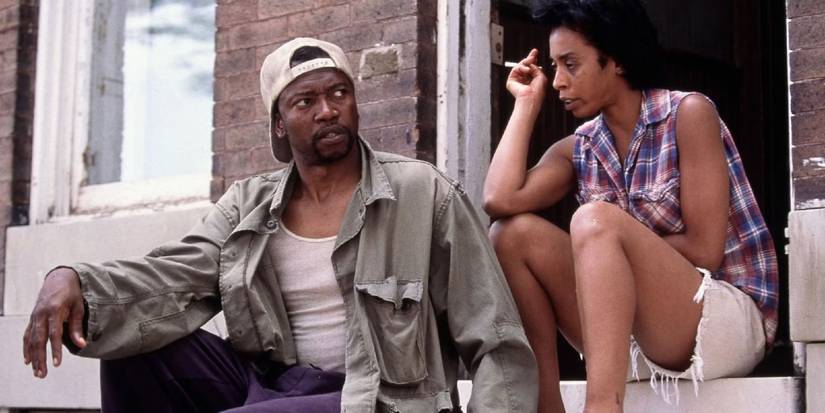 Image via HBO
David Simon is a genius of television. The Baltimore crime reporter has an outstanding ability to soak his series with a palpable sense of realism, whether he is exploring police corruption in We Own This City, the devastating aftermath of Hurricane Katrina in Treme, the pitfalls of military bureaucracy and miscommunication in Generation Kill, or the all-encompassing rot of crime and institutional corrosion in The Wire. However, one of his best and most piercing projects is the sadly forgotten HBO miniseries The Corner, which follows a poverty-stricken family in West Baltimore as they try to live their lives in the midst of a rampaging drug war.
Based on Simon’s own nonfiction book, the six-part miniseries holds a devastating authenticity as it tackles the cyclical struggle of addiction and recovery, the way in which systemic issues impact ordinary people, the economic brutality many in America face, and the strain familial love endures amid the traumatizing circumstances of substance abuse. The fact that the series is based on the experiences of real people only makes it that much more heartbreaking, enshrining it as a masterpiece of television drama that is incredibly difficult to watch, given how it depicts the hope and humanity of family clashing with the grim reality of heroin addiction.
5 'When They See Us' (2019)
.jpg?q=49&fit=crop&w=825&dpr=2) Image via Netflix
Image via NetflixAnother powerful miniseries that finds tremendous gravitas in its foundation on true events, When They See Us delivers a harrowing story of institutional failure in the legal system as it dramatizes the trial and wrongful conviction of the Central Park Five. When a woman is raped in Central Park in 1989, five Black and Latino youths from Harlem are arrested for the assault and coerced into giving false confessions that see them imprisoned. The acclaimed Netflix original miniseries examines their trial and their 13-year fight to gain exoneration.
Told with an emphasis on the psychological and emotional strain of not only the five incarcerated men but their families as well, When They See Us delivers a story of exceptional balance as it delves into the faults of the judicial system and the turmoil of trying to overturn a conviction. Its sense of injustice and tragedy is overwhelming, with director Ava DuVernay imbuing the story with a deft elegance even as she tackles issues of systemic racism and trauma with unflinching and ferocious ire.
4 'The Shield' (2002–2008)
 Image via FX
Police corruption is always a heavy and hard-hitting theme to explore, one that comes with complex notions of power, immorality, and institutional rot as well as the damning inefficiency of consequence and accountability. No show has explored it with the insight and detail of The Shield, with the FX series’ seven-season run following the Strike Team, a small unit of LAPD officers operating out of a precinct in a district of L.A. marred by gang violence who, under the command of Vic Mackey (Michael Chiklis), use illegal and unethical methods to uphold the law while profiteering off the crime they fight.
Heavily inspired by the real-life Rampart Division CRASH scandal, the series’ brutality and cutthroat morality make for difficult viewing. However, The Shield isn’t merely a parade of police malpractice, with each of the officers in the Strike Team realized with a twisted though complex moral code and a compelling depth of personal drama, ranging from Julien’s (Michael Jace) agonizing clash of masculinity and closeted homosexuality to Shane’s (Walton Goggins) downward spiral of criminal opportunism, desperation, and self-destructive recklessness. Combining such rich character drama and a confronting thematic focus on police corruption, The Shield shines as a landmark achievement of crime television, but a bleak and brutal one.
3 'Adolescence' (2025)
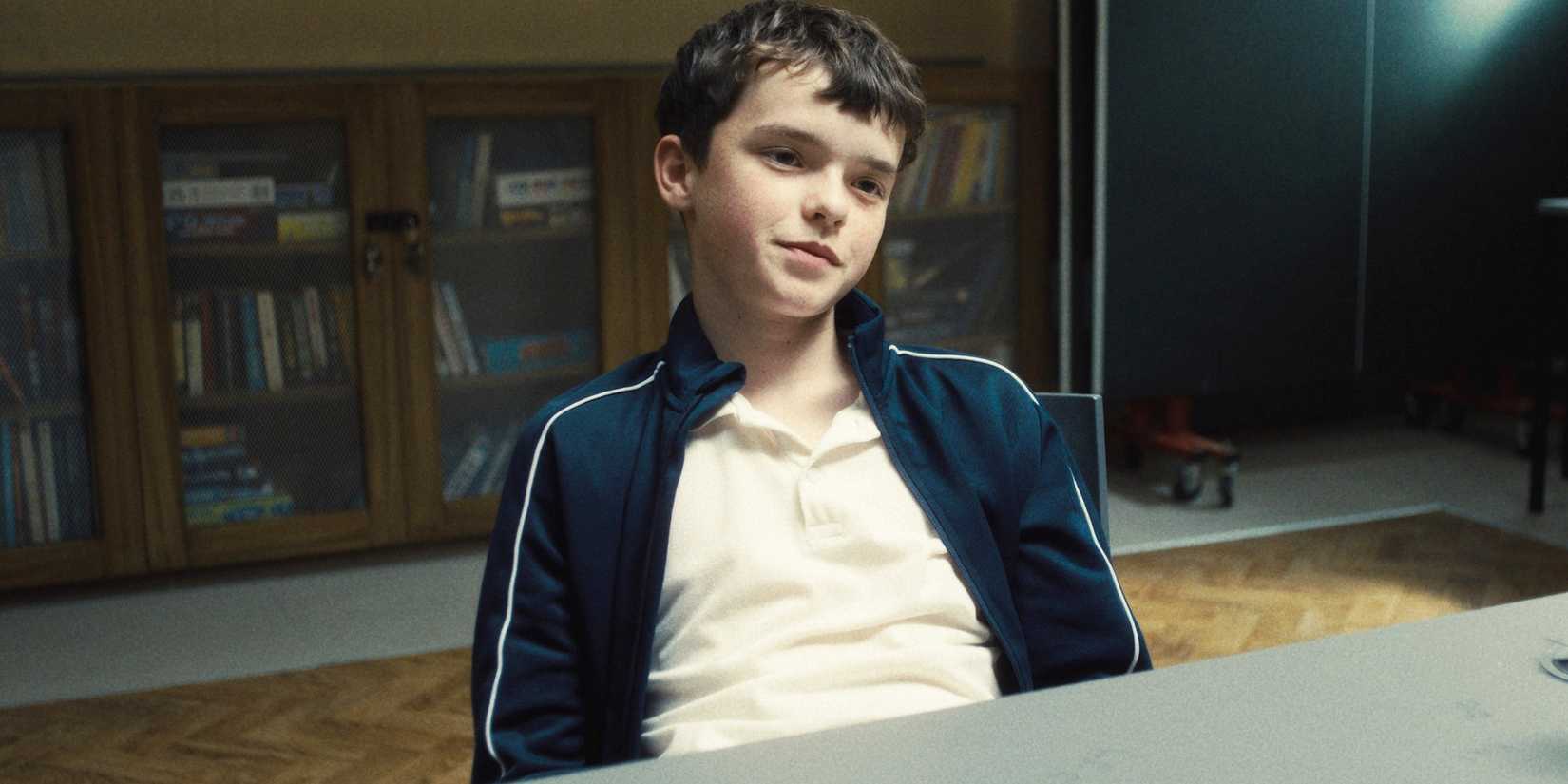 Image via Netflix
A defining title of television in 2025 that made an enormous cultural impact with its timely and urgent story of rampant misogyny in modern youth culture, the dangers of the internet, and the toll a crime takes on a family, Adolescence stands as one of Netflix’s most masterful and mighty original series. It also stands as one of the streaming platform’s heaviest, with its four-part story revolving around the murder of a schoolgirl by her classmate and, by extension, the impressionable nature of extreme internet subcultures on vulnerable youths.
Anchored by an incredible performance from young lead Owen Cooper, a brilliantly aware and thought-provoking screenplay from Stephen Graham and Jack Thorne, and a richly immersive one-take approach to each episode, Adolescence manages to be completely enthralling while simultaneously being viscerally disturbing. It grapples with the horrors of the modern world of online interactivity and the spreading of toxic and dangerous ideas with sublime skill, capturing a chilling nightmare of violence, overloaded impulse, and hatred from a multitude of angles that showcases just how helpless parents are when it comes to sheltering their children from harmful ideologies, or even just having the opportunity to educate their kids on such matters. Compelling, commanding, and confronting, Adolescence is a harrowing call for awareness and action on one of the most topical issues of the modern day.
2 'Unbelievable' (2019)
 Image via Netflix
Another emotionally draining and venomously frustrating analysis of the inadequacies of the legal system that operates with a basis on true events, Unbelievable is a soul-crushing story of sexual abuse and injustice that should be essential viewing. The miniseries runs with a two-pronged story. It follows Marie Adler (Kaitlyn Dever), a sexual assault survivor who, after being convinced to recant her accusation, faces charges of false reporting, while also tracking detectives Grace Rasmussen (Toni Collette) and Karen Duvall (Merritt Weaver) in their investigation of a serial rapist.
It is a numbing descent into trauma, victim-blaming, and rampant injustice, one that highlights the many obstacles sexual assault survivors face in trying to bring their attackers to justice, while also exploring the way good police work is stifled in the modern world. Unbelievable is wise to offer a sense of cantharis, avoiding being a solely heartbreaking and bleak story with a quiet focus on empathy, understanding, recovery, and the power of humanity at the darkest of times. However, it is still a striking and deeply affecting viewing experience, one that epitomizes the devastating impact television drama is capable of.
1 'The Wire' (2002–2008)
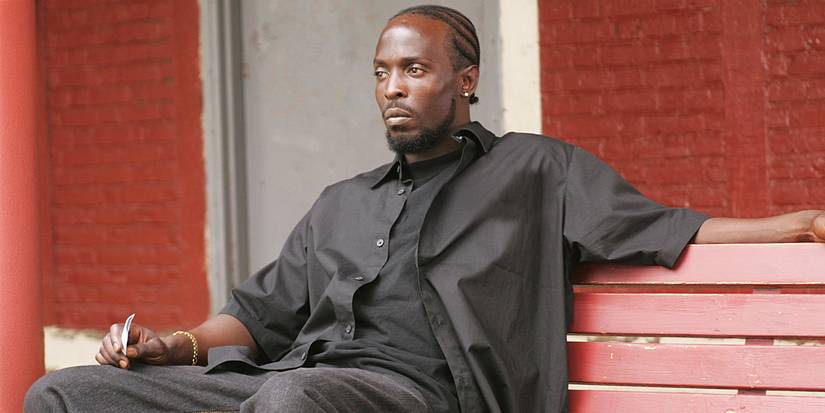 Image via HBO
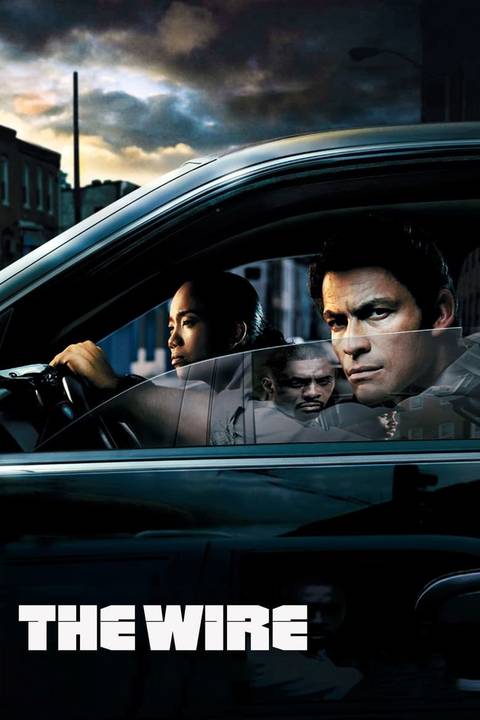
A full-scale epic that examines both the hierarchy and complex morality of the drug trade and the institutional ineffectiveness across a city, The Wire is a defining masterpiece of crime television that still stands as the most substantial and relevant title in the genre. Across its outstanding five-season run, the HBO series explores every facet of drug-related crime, from street-level dealers to leaders calling the shots, while also serving as a deep dive into the culture and systemic failings of law enforcement, public education, city politics, and even the media.
Armed with a piercing realism courtesy of David Simon’s in-depth understanding of Baltimore’s criminal infrastructure and co-creator Ed Burns’s decades-long career as a BPD detective, the series can overwhelm viewers with its enormous scope as well as with its gritty brutality and the coarse values of its multitude of characters. The fact that so little has changed in the world regarding the inadequacy of so many integral societal institutions—and the detrimental effect such inadequacy has on the most vulnerable and in-need people in society—ensures The Wire remains just as hard-hitting today as it was when it was airing 20 years ago.
The Wire
Release Date 2002 - 2008-00-00
Network HBO






 English (US) ·