

Published Mar 14, 2026, 8:00 AM EDT
Richard Craig is a Senior Author at Screen Rant covering film and TV. Richard has also written extensively about horror and film soundtracks, contributing a chapter to the first major academic collection on the folk horror genre, The Routledge Companion to Folk Horror. Richard is also a performing musician and holds an MA in Music and Sound Art.
Superman has evolved significantly across his live-action depictions in DC movies and television. Since his debut in 1938, Superman has become one of the most recognizable figures in pop culture. Naturally, that legacy has extended to live-action film and television, where each generation has reshaped the Man of Steel for its audience.
From the serial adventures of the 1940s to modern Superman blockbusters, Superman’s on-screen evolution reflects changes in filmmaking technology, storytelling tone, and comic book fidelity. Each actor brought new qualities to the role while adapting the iconic costume and mythology for their era. Looking back at these portrayals reveals how the character gradually transformed into today’s cinematic superhero template.
Kirk Alyn's Superman
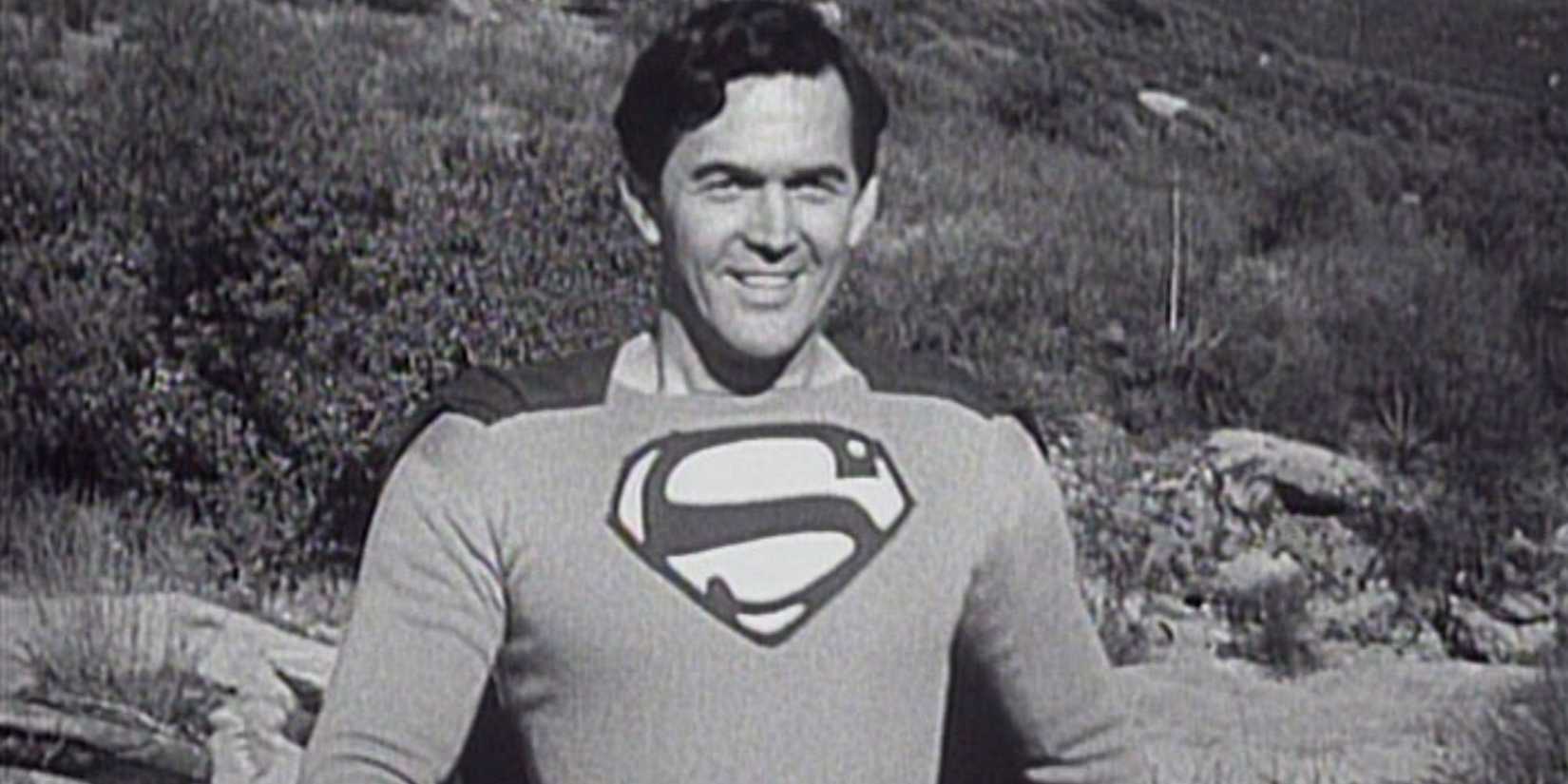
Kirk Alyn first brought Superman to live-action in the 1940s serials Superman and Atom Man vs. Superman. His costume was basic and far removed from the colorful comic design, lacking detailed emblem work and the form-fitting appearance associated with the hero today. Yet the simplicity worked surprisingly well within black-and-white cinematography.
Early visual effects relied on animation for flight sequences, highlighting the technological limitations of the era. The tone was adventurous and serialized, aimed at younger audiences attending weekly theater chapters. Though not comic-accurate by modern standards, Alyn’s portrayal established the first on-screen blueprint for Superman’s heroic presence.
George Reeves' Superman
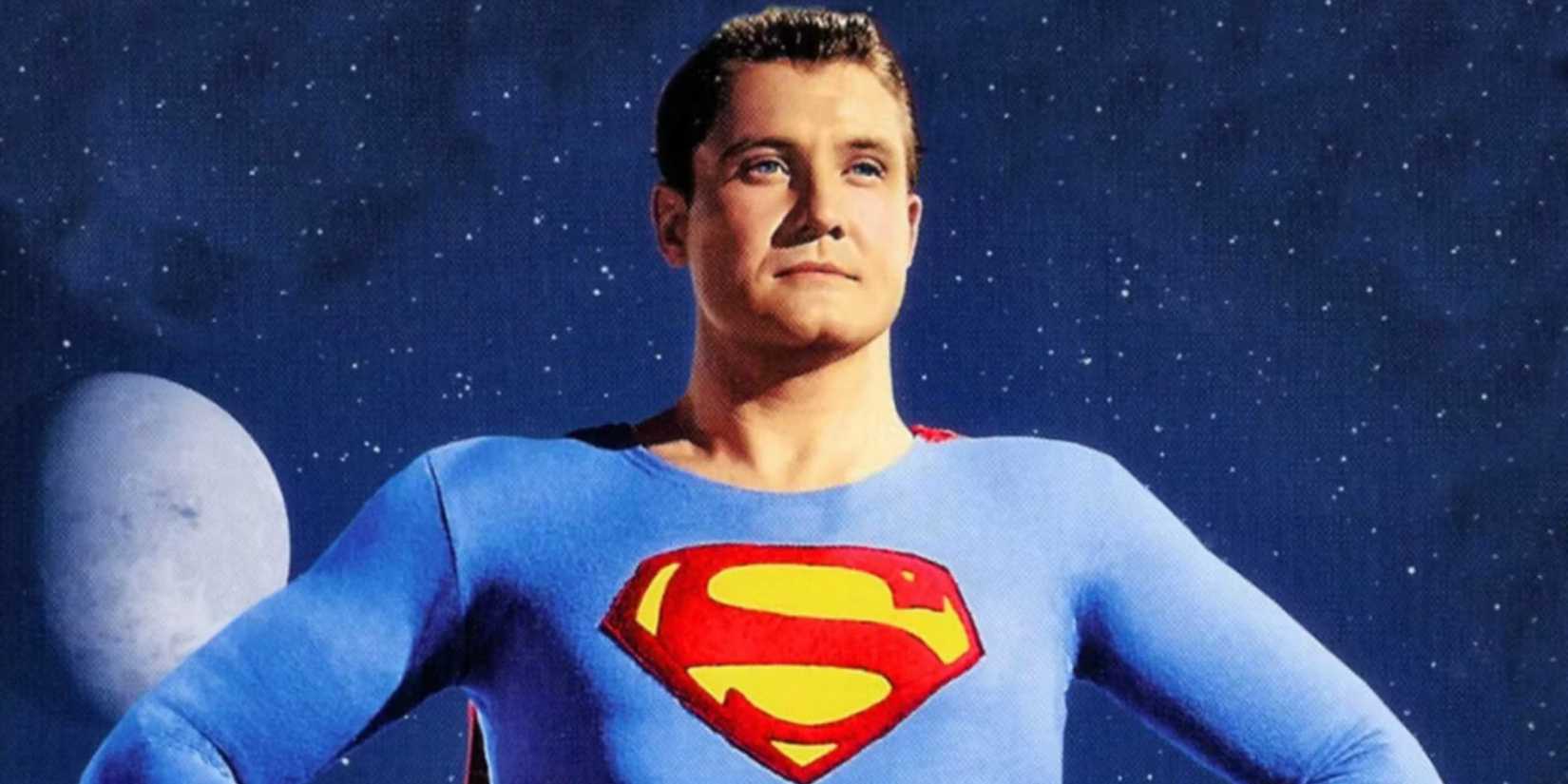
George Reeves helped define television’s earliest superhero success with Adventures of Superman. His costume captured the bright comic book aesthetic far better than earlier attempts, featuring a sky-blue suit, longer cape, and padded musculature that emphasized Superman’s strength. The design created a striking silhouette that translated well to television screens of the 1950s.
The series blended lighthearted adventure with moral storytelling aimed at families, reinforcing Superman as a symbol of justice. Limited effects meant most action relied on clever editing and practical stunts. Nevertheless, Reeves’ confident performance and iconic look cemented him as the definitive Superman for many early viewers.
David Wilson's Superman
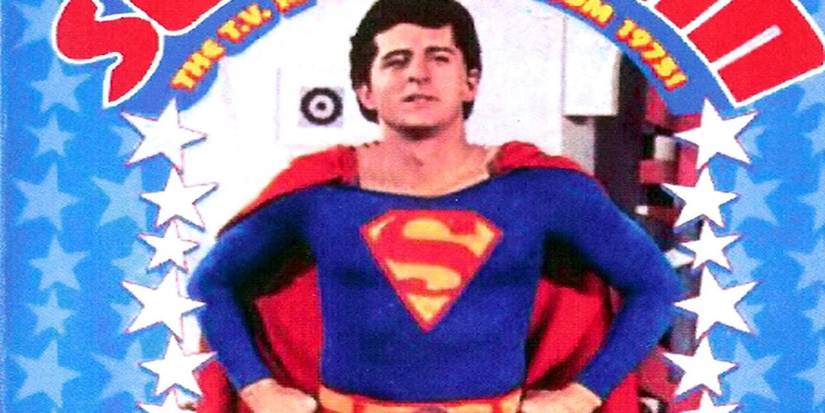
David Wilson portrayed Superman in the television adaptation of It's a Bird... It's a Plane... It's Superman, based on the Broadway musical. His costume attempted a stylized comic look but featured some uninspired design choices. It included a short cape and tall boots that disrupted Superman’s classic silhouette.
The vibrant colors leaned heavily into camp aesthetics reminiscent of Batman, though without the same self-aware charm. The production emphasized theatrical performances and musical numbers rather than traditional superhero action. While unique in concept, the exaggerated style ultimately felt disconnected from Superman’s heroic image and broader comic mythology.
Christopher Reeve's Superman
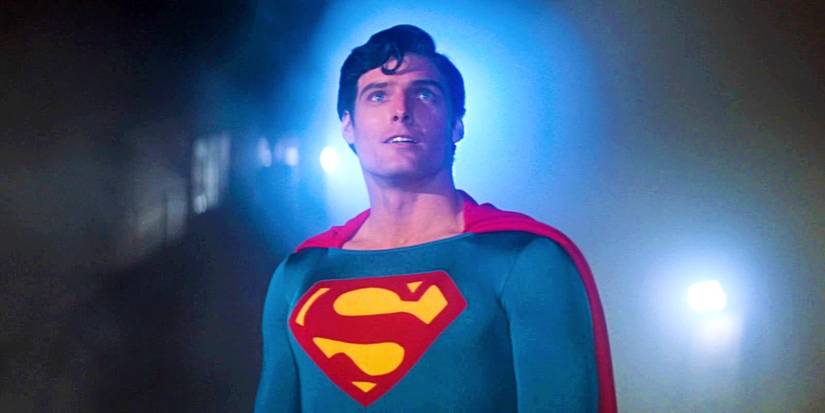
Christopher Reeve delivered the most influential cinematic version of the Man of Steel in Superman and its sequels. His bright costume boasted quintessential bold colors, red trunks, and shining spandex. The suit became instantly iconic, even if modern viewers sometimes see it as dated.
Reeve’s natural athletic build gave the suit credibility, while groundbreaking visual effects finally made audiences believe a man could fly. The films balanced epic scale with sincere optimism, introducing major characters like Lois Lane and Lex Luthor to mainstream moviegoers. Reeve’s heartfelt performance defined Superman’s hopeful tone and established the blueprint for superhero blockbusters.
John Haymes Newton's & Gerard Christopher's Superboy
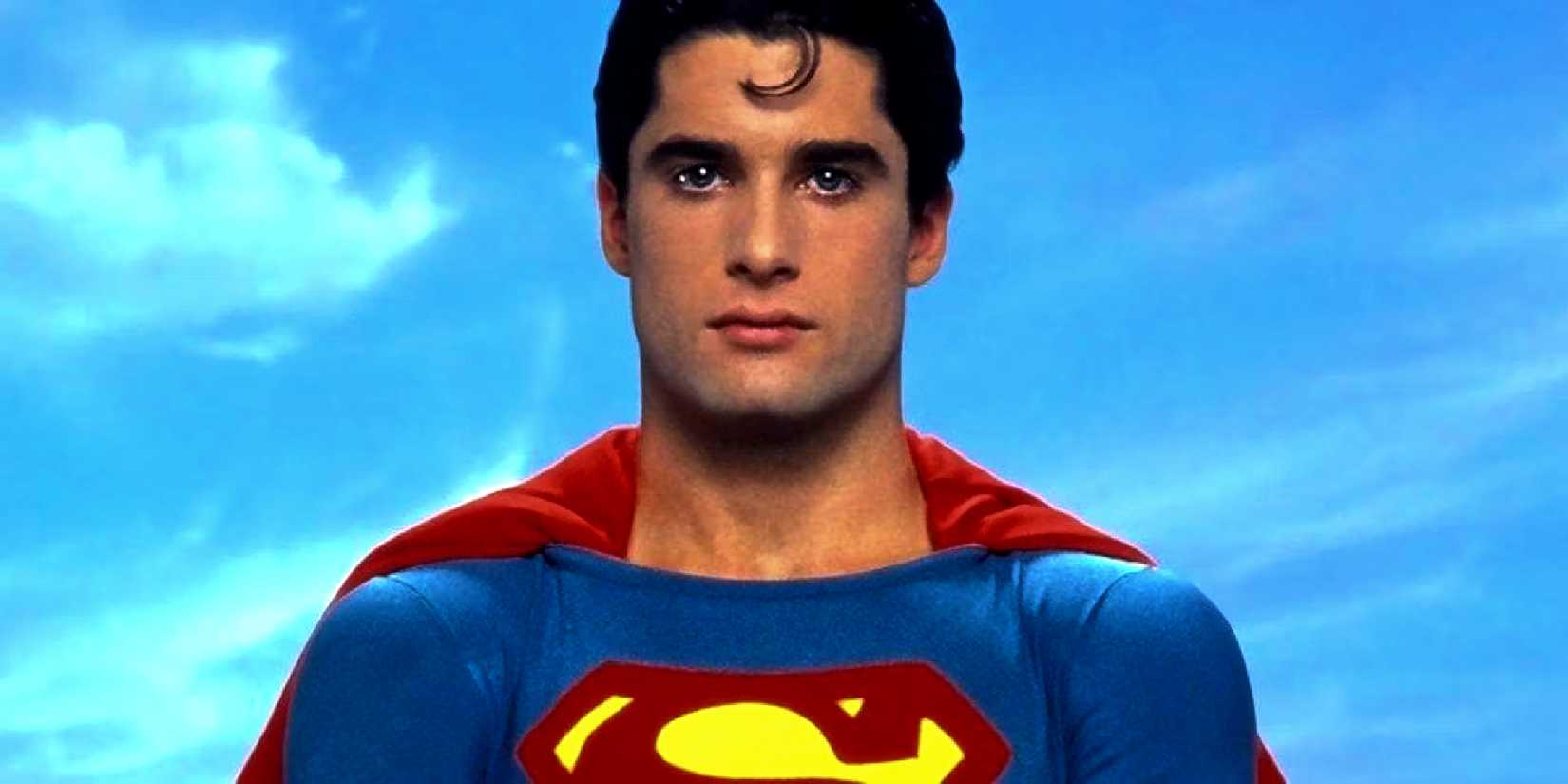
Television revisited the character in Superboy, where both John Haymes Newton and later Gerard Christopher played a younger Superman during his college years. The costumes featured extremely bright colors and simple construction. The budget constraints mean that it often resembled inexpensive Halloween outfits rather than cinematic superhero attire.
Superboy introduced some iconic comic characters like Lana Lang and Lex Luthor. However, limited finances meant action sequences and effects rarely matched the ambition of the concept. Still, the series experimented with serialized storytelling and a younger tone, reflecting the growing popularity of superhero television in the late 1980s.
Dean Cain's Superman
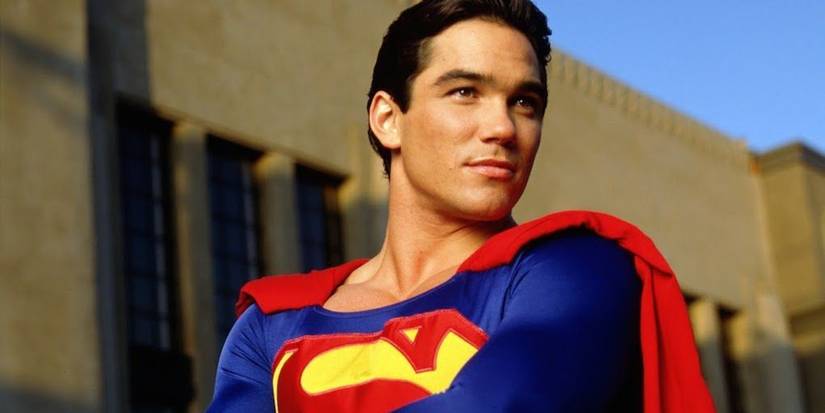
Dean Cain portrayed Superman in Lois & Clark: The New Adventures of Superman, a 1990s series that reimagined the mythos as a romantic drama. The costume featured bold, intense colors that reflected the decade’s television aesthetic. However, the shiny spandex material often appeared cheap compared to later superhero suits.
Unlike earlier adaptations focused on spectacle, the show emphasized the relationship between Clark Kent and Lois Lane. Its lighter tone and character-driven storytelling appealed to mainstream audiences rather than comic purists. While visually modest, Cain’s charismatic performance helped keep Superman culturally relevant during a quieter era for superhero media.
Tom Welling's Superman
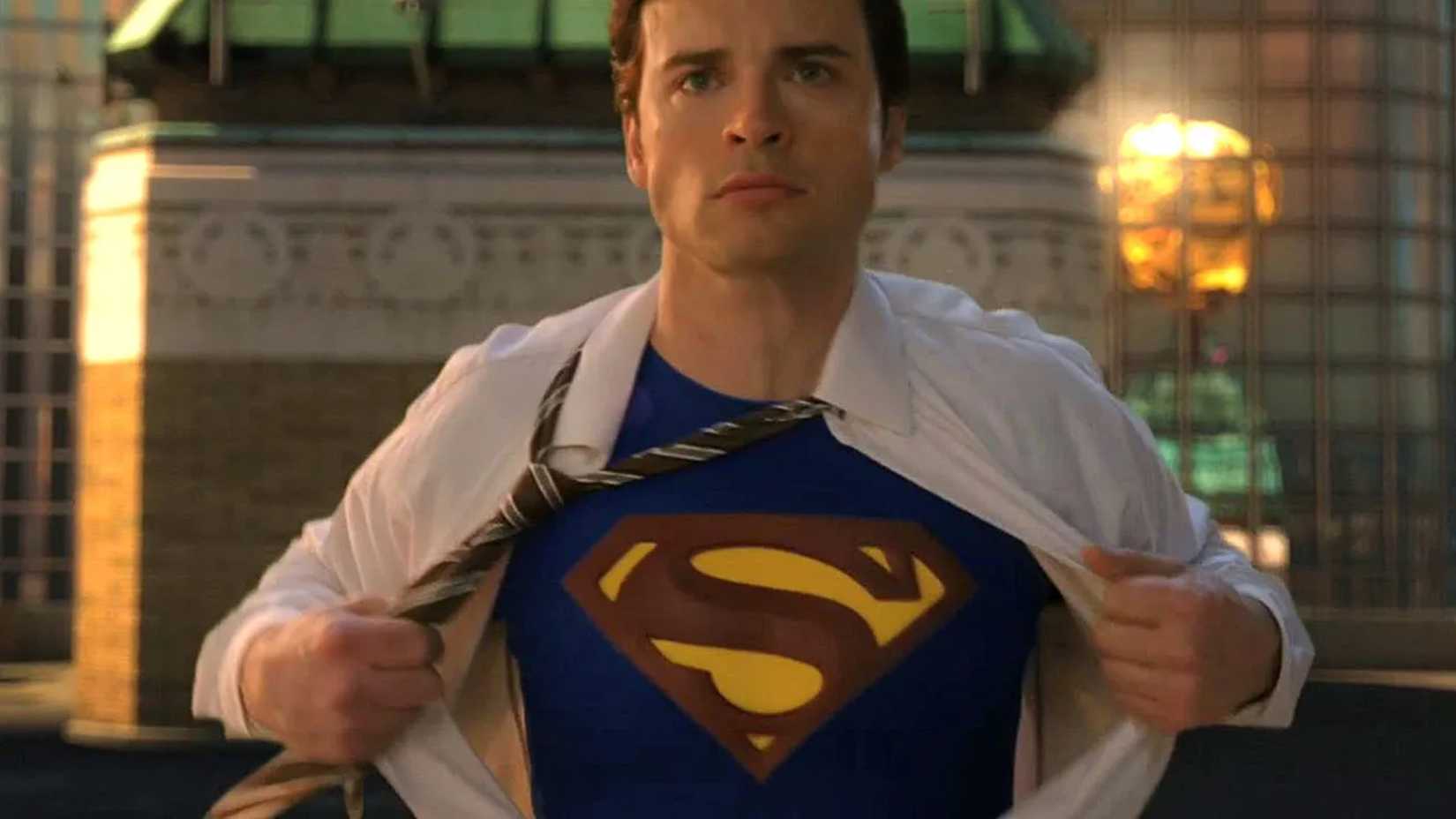
Tom Welling spent a decade portraying the journey of Clark Kent in Smallville, but the full Superman suit only appeared in the series finale. When Superman finally emerged, the costume was largely comic-accurate, carrying the familiar colors and chest emblem audiences expected. Its impact, however, came from narrative buildup rather than design innovation.
For most of Smallville's seasons, Clark wore a red leather jacket with the iconic “S” shield, teasing his future destiny. Smallville focused heavily on character development, depicting Clark’s evolution from angsty teenager into the noble hero. It featured a litany of other DC characters, who are likewise depicted in their early years before reaching their comic book characterization.
Brandon Routh's Superman
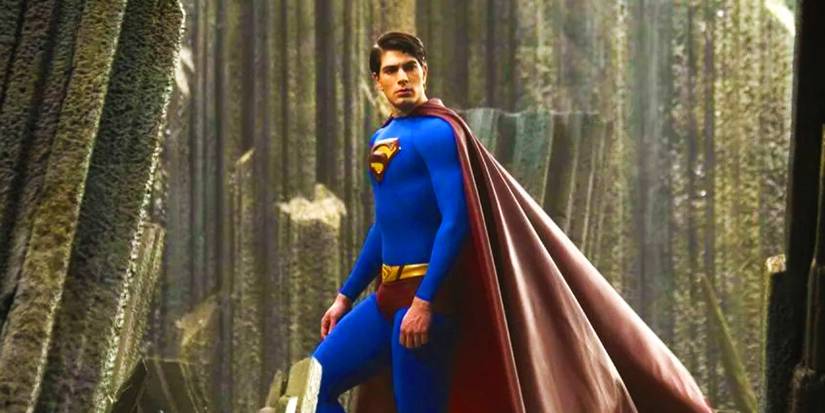
Brandon Routh carried the legacy of Christopher Reeve forward in Superman Returns. His costume paid clear homage to the classic design while introducing subtle modern refinements. A darker red cape, gold belt, and textured suit material gave the outfit a more mature aesthetic than earlier versions.
The film itself functioned as a spiritual sequel to the Reeve era, maintaining a hopeful tone and traditional portrayal of Superman. Advances in CGI allowed for more elaborate flying sequences and action. Though divisive among audiences, Routh’s performance and suit design successfully bridged classic Superman nostalgia with evolving superhero filmmaking standards.
Henry Cavill's Superman
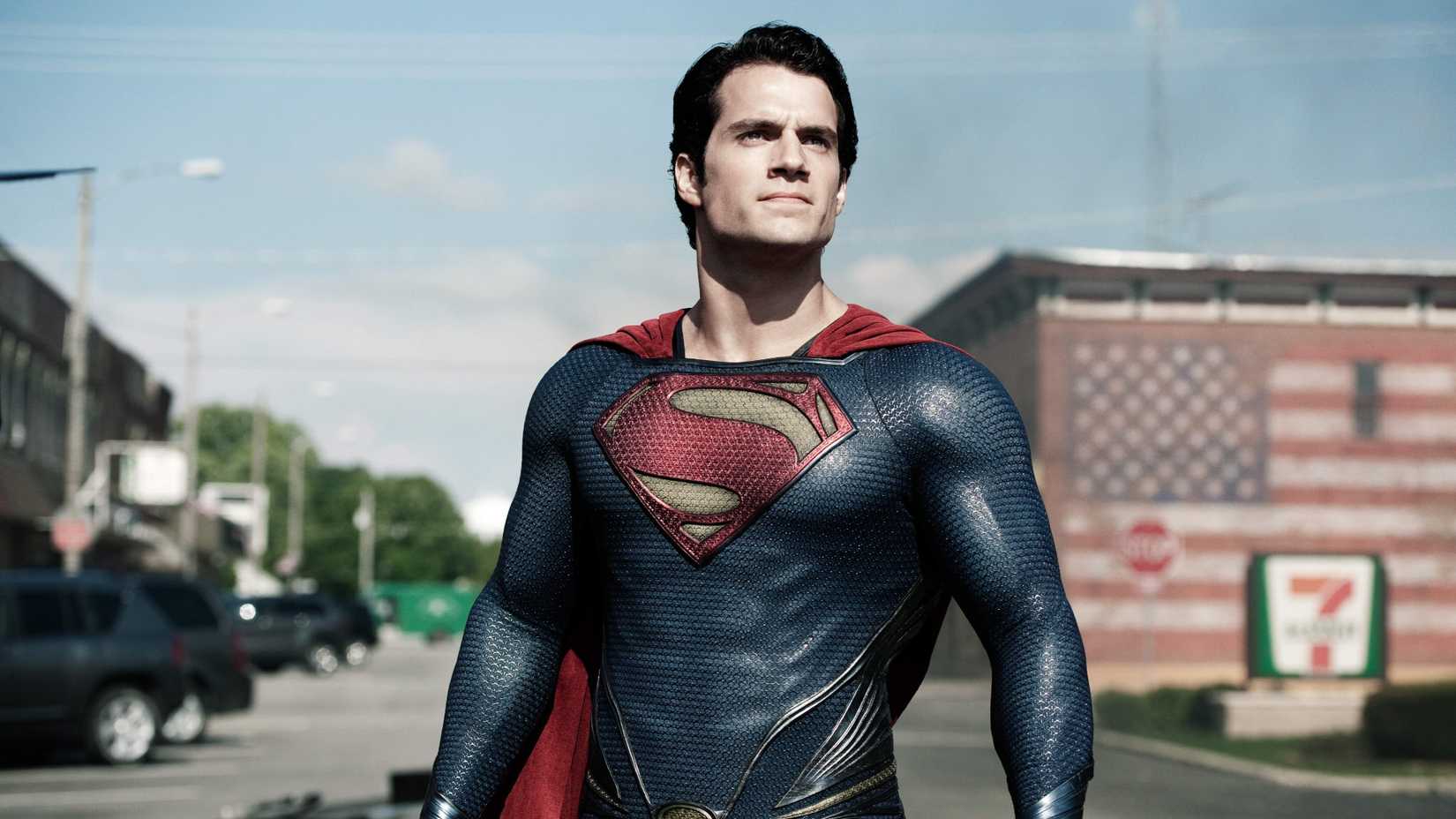 Image via WB
Henry Cavill introduced a dramatically modernized take on Superman in Man of Steel and the wider DC Extended Universe. His suit featured textured Kryptonian armor, muted colors, and the removal of the traditional trunks and belt. The result was a sleek, streamlined design that emphasized realism and seriousness.
The films also embraced large-scale CGI spectacle, depicting destructive battles against characters like General Zod. Cavill’s portrayal leaned into a stoic and mythic interpretation of the hero, presenting him as more god-like. Cavill’s Superman reflects a darker cinematic tone influenced by modern superhero blockbusters while still highlighting Superman’s immense power and alien heritage.
Tyler Hoechlin's Superman
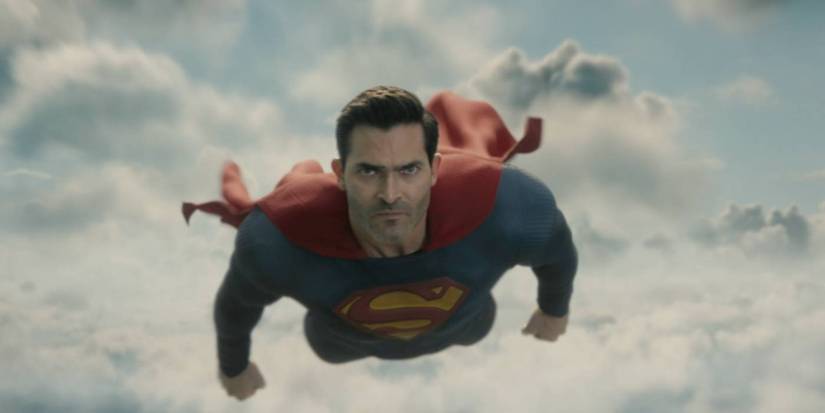
Tyler Hoechlin brought a refreshed television version of Superman to Supergirl and later Superman & Lois. His costume blends classic comic influences with modern design sensibilities. The suit features textured material and a shoulder-mounted cape, while the red belt subtly references the traditional trunks without fully restoring them.
Visually, the design strikes a balanced color palette that feels both contemporary and faithful to the comics. The series also shifts the tone toward family drama, focusing on Clark Kent’s life with Lois Lane and their children. This approach emphasizes Superman as both a global hero and a grounded family man.

![From Westerns to Crime Thrillers, Bob Odenkirk and Ben Wheatley Reveal Their 'Normal' Inspirations in New Alamo Drafthouse Guest Selects [Exclusive]](https://static0.colliderimages.com/wordpress/wp-content/uploads/2026/02/normal-feature.jpg?w=1600&h=900&fit=crop)

![New 100% RT Cyber Thriller Unleashes 10-Minute Sneak Peek [Exclusive]](https://static0.colliderimages.com/wordpress/wp-content/uploads/2026/01/wardriver-sasha-calle-dane-dehaan.jpg?w=1600&h=900&fit=crop)
 English (US) ·