
Horror thrillers typically exist in a middle ground between those genres, combining suspense and a focus on psychology with darker, often supernatural elements. They usually deal with serial killers and fractured minds, though demons and ghosts can show up, too, depending on the themes and approach.
This list looks at the very best horror thrillers. These genre hybrids stand out in a crowded genre, thanks to their willingness to engage with darker, more thought-provoking themes and equally challenging visuals. From shadowy noir-inspired classics to modern psychological nightmares, they tend to be more cerebral and restrained than your average horror, though often just as freaky.
10 'Saint Maud' (2019)
 Image via A24
"I will save you." Morfydd Clark's phenomenal performance carries this lean, insightful study of isolation and religious mania. She plays a devoutly religious hospice nurse who becomes obsessed with saving the soul of her terminally ill patient, Amanda (Jennifer Ehle). But what begins as quiet devotion gradually spirals into something far more disturbing, culminating in one of the most powerful endings in 2010s cinema; the final shot is bound to stay with you.
The film operates simultaneously as a character study, a religious drama, and a discomforting horror thriller. It recalls elements of movies like Taxi Driver, Black Swan, and The Exorcist, but still feels uniquely modern and deeply personal. On the aesthetic side, Rose Glass' storytelling is restrained, leaning into cold, sterile colors and brilliant sound design, all of it reflecting Maud's inner state.
9 'Audition' (1999)
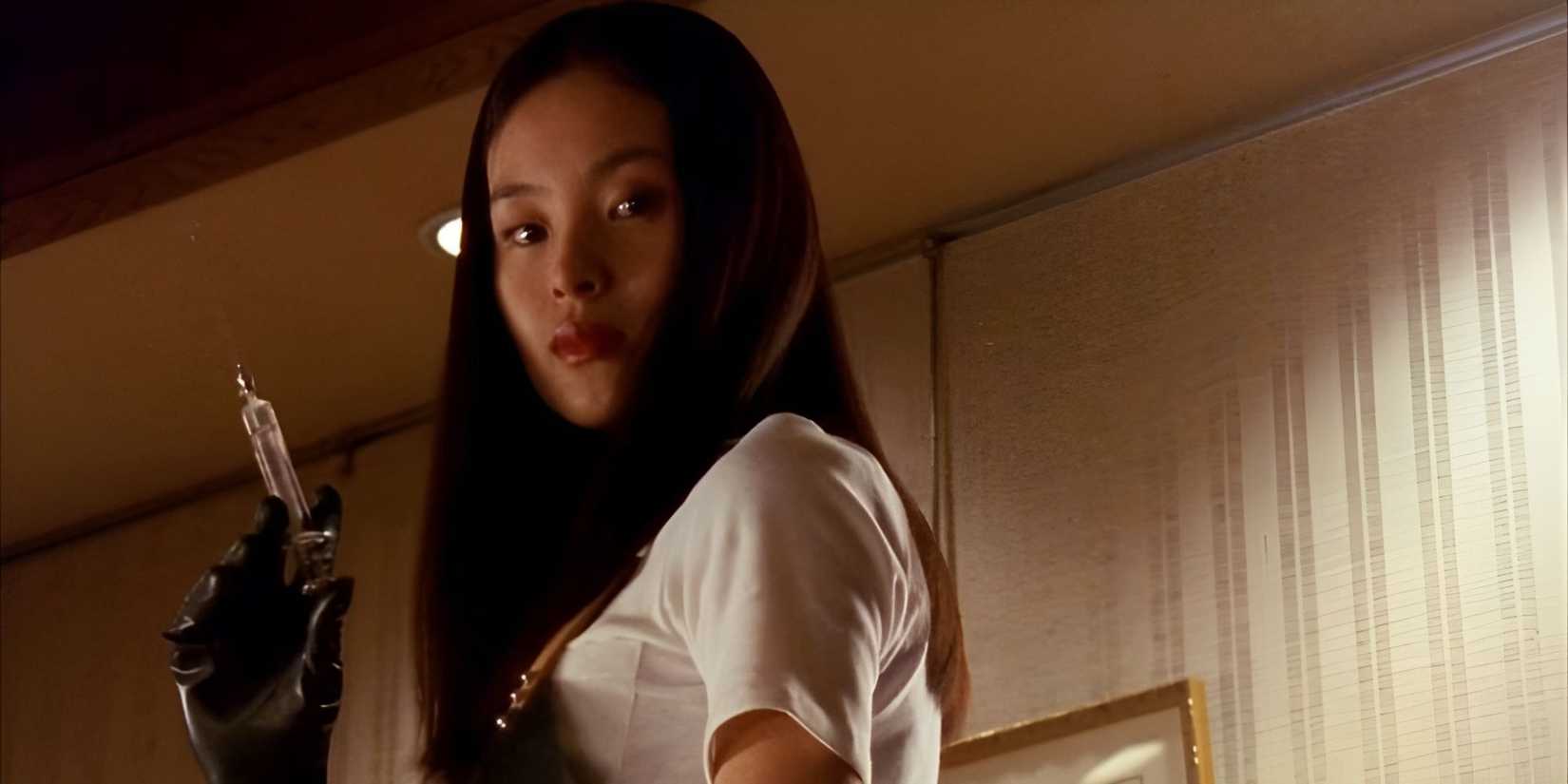 Image via Omega Project
"Kiri, kiri, kiri..." Audition is the dark masterpiece from Japanese provocateur Takashi Miike. It follows a widower, Aoyama (Ryo Ishibashi), who stages a fake audition to find a new romantic partner, eventually becoming drawn to the enigmatic Asami (Eihi Shiina). For much of its runtime, the film plays almost like a melancholic drama, luring you in with its calm before exploding into something brutal and disturbing in the final act.
Indeed, Audition's closing scenes make for a never-shattering descent into a psychological and physical horror. The film is thus a masterclass in tonal control. Miike deftly pulls off the shift, using it to delve deep into themes of power and the consequences of treating people as objects to be used and discarded. In the process, Asami becomes one of horror cinema’s most unforgettable figures because she's simultaneously victim and monster.
8 'Se7en' (1995)
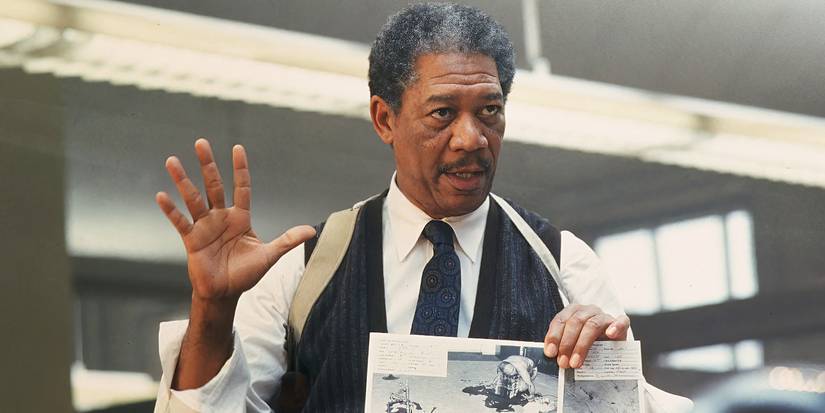 Image via New Line Cinema
"What's in the box?" Se7en is one of the bleakest and most meticulously constructed thrillers ever made. Two detectives (Morgan Freeman and Brad Pitt) track a serial killer (Kevin Spacey) staging murders based on the seven deadly sins. A lesser director might have turned that premise into an over-the-top splatter flick, but David Fincher uses it as a vehicle for dark moral inquiry, getting unusually philosophical.
The writing is sharp, and Fincher's direction is assured throughout, conjuring a decaying, rain-soaked world of grime and sickly shadows. What truly elevates Se7en into masterpiece territory, however, is its ending. The final scene doesn't offer triumph or even a modicum of catharsis; instead, it delivers a brutal meditation on the fragility of morality. We're left with the impression that the killer may have understood the darkness inside humanity better than anyone wanted to admit.
7 'Misery' (1990)
 Image via Columbia Pictures
"I'm your number one fan." One of the very best Stephen King adaptations, Misery stars the late James Caan as Paul Sheldon, a novelist who is rescued from a car crash by Annie Wilkes (Kathy Bates), a devoted fan who takes him to her isolated home. However, her kindness soon reveals itself to be a twisted form of control, as Annie forces Paul to rewrite his latest novel to suit her desires.
From here, the movie basically keeps us in a constant state of suspense. We desperately want Paul to escape, so we're devastated every time his attempts fail. The film's greatest asset is Bates, who takes a challenging role and delivers one of the greatest villain performances of all time, rightly winning the Best Actress Oscar for her efforts. She makes Annie feel painfully real: cheerful one moment, childlike the next, then suddenly explosive and terrifying.
6 'Get Out' (2017)
"I would have voted for Obama for a third term." Get Out opened up new possibilities for modern horror by nimbly fusing scares with comedy and social commentary. Daniel Kaluuya leads the cast as Chris, a young Black man who visits his white girlfriend’s (Allison Williams) family estate, only to discover that something is deeply wrong beneath the surface of their polite, welcoming demeanor. The plot eventually spirals to surreal, shocking depths, repeatedly subverting the audience's expectations.
Here, Jordan Peele's juggling of styles and tones is seriously impressive. The movie is scary, funny, suspenseful, angry, and emotionally sharp all at once, while also hitting on live-wire cultural issues. The themes are intelligent, yet they never overshadow the thriller mechanics. As a result, Get Out is one of the definitive genre films of the late 2010s.
5 'Diabolique' (1955)
 Image via Cinèdis
"I can’t stand the sight of blood." One of the most influential horrors ever made, Diabolique is perhaps the crowning achievement of Henri-Georges Clouzot, sometimes referred to as the "French Hitchcock." The story follows a wife (Véra Clouzot) and her husband’s (Paul Meurisse) mistress (Simone Signoret), who conspire to murder the abusive man tying them both down. Their plan is meticulous, executed with eerie calm… until the body disappears. From that point on, the film just keeps getting more unnerving.
A big part of what makes the movie so effective is how carefully it manipulates uncertainty. Clouzot places viewers inside Christina's fraying perspective. Every dripping faucet, dark hallway, and strange noise becomes charged with unbearable tension. Reality itself eventually begins to feel unstable. The characters, already burdened by guilt, start to unravel under the weight of what they may or may not have done.
4 'Hereditary' (2018)
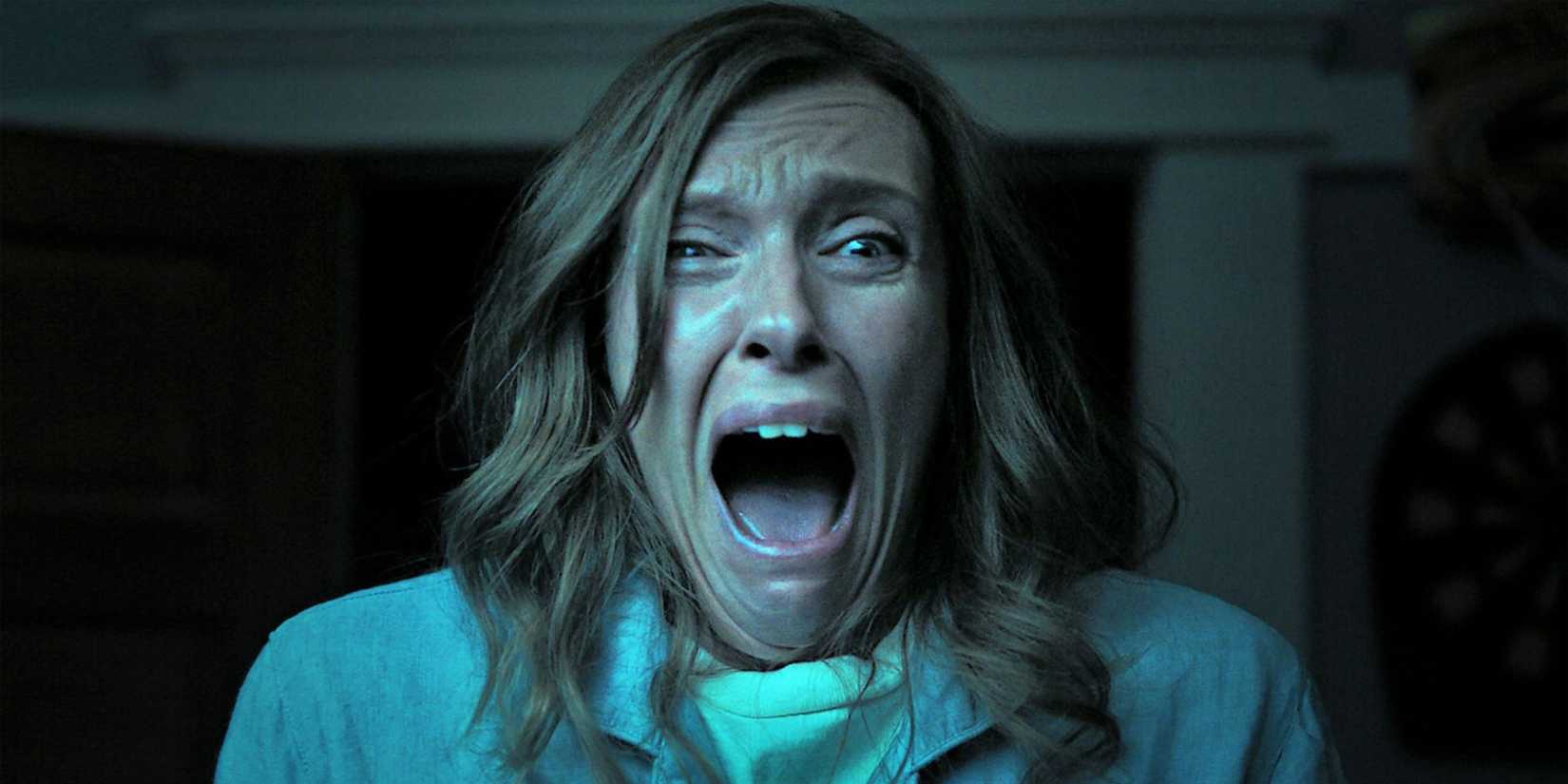 Image via A24
"I am your mother!" Probably the greatest horror of the 2010s, Hereditary is a potent fusion of a family drama and a demonic nightmare. It follows the Graham family after the death of their secretive grandmother, as grief fractures their relationships and strange, increasingly disturbing events begin to unfold. Each family member responds differently to loss, their emotional states becoming pathways for something beyond their control.
While there are frightening and harrowing scenes aplenty, and Ari Aster's direction is unfailingly meticulous, the performances are the strongest elements here, especially from Toni Collette as mom Annie. Her performance is raw and emotionally exhausting in the best possible way, making every breakdown feel painfully real. The entire family dynamic is powerful because it feels authentic, roiling with buried resentment and failed communication.
3 'Don't Look Now' (1973)
 Image via Paramount Pictures
"Nothing is what it seems." Nicolas Roeg's groundbreaking magnum opus centers on a grieving couple, John (Donald Sutherland) and Laura (Julie Christie), who travel to Venice after the accidental death of their daughter. While there, Laura becomes convinced that their child is trying to contact them through a psychic, while John experiences increasingly unsettling visions. Reflecting their disorientation, the editing is bold and unorthodox, blurring time and perception.
In the process, Roeg forces the audience to actively piece together meaning from visual clues. This approach creates a dreamlike quality where the film feels haunted even when nothing overtly supernatural is happening. Venice becomes a labyrinth, and seemingly ordinary images take on deeper weight. Strong lead performances ground the horror. Sutherland and Christie make the Baxters feel like real people, genuinely struggling to survive unimaginable loss.
2 'The Silence of the Lambs' (1991)
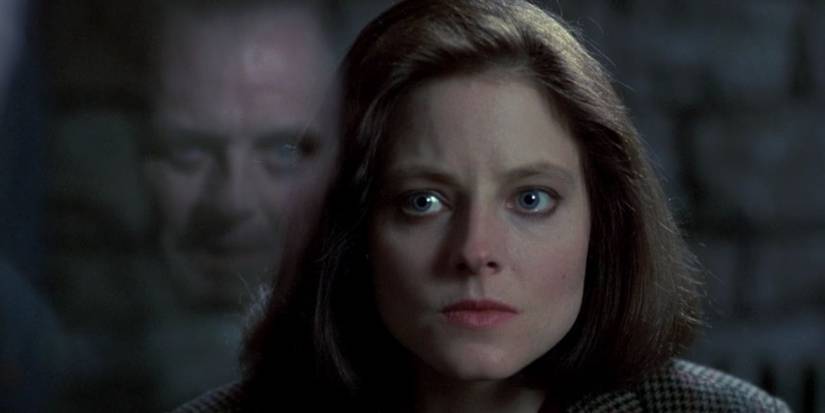 Image via Orion Pictures
"I ate his liver with some fava beans and a nice Chianti." This Oscar darling excels across multiple genres: horror, thriller, drama, procedural, and character study. In it, FBI trainee Clarice Starling (Jodie Foster) is tasked with interviewing the imprisoned cannibalistic psychiatrist Dr. Hannibal Lecter (Anthony Hopkins) in order to track down another serial killer. Their interactions are electric, built on mutual curiosity, manipulation, and a strange, uneasy respect.
Both leads are fantastic, though Hopkins is truly great, turning in one of the finest villain performances of all time. He barely raises his voice, yet every scene with him feels loaded with danger. Lecter is eerily calm and always composed, rarely even blinking. He studies people with frightening precision, instantly identifying weaknesses and hidden fears. In Clarice's case, Lecter exploits the memory of the helplessness from her childhood. All in all, an intelligent and unsettling classic.
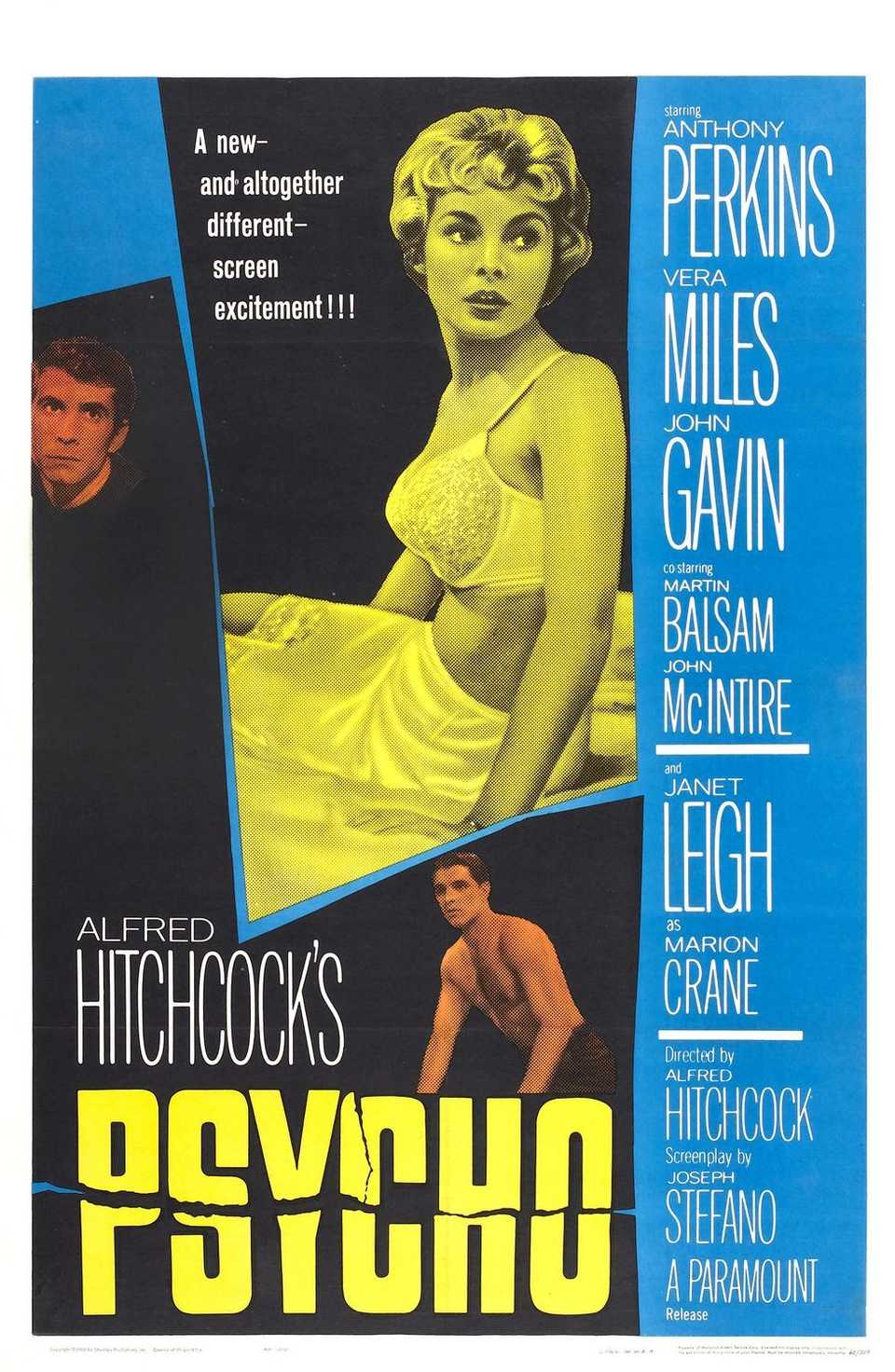
1 'Psycho' (1960)
 Image via Paramount Pictures
"We all go a little mad sometimes." With this one, Hitchcock created the blueprint for the modern horror thriller, shattering expectations and redefining what audiences thought was possible. The story begins with Marion Crane (Janet Leigh), a woman on the run after stealing a large sum of money, who checks into the seemingly quiet Bates Motel. From there, the film takes a turn that remains one of the most famous in cinematic history.
The film is technically brilliant and endlessly creative, cleverly skirting around the limits of the Hays Code, wringing terror out of little more than chocolate syrup. On top of that, Psycho is impressively psychologically rich compared to many thrillers of its era. Here, Hitchcock plays with themes of duality, repression, voyeurism, and guilt. Even now, Norman’s (Anthony Perkins) "special" relationship with his mother remains one of cinema’s most disturbing explorations of dependency.
Psycho
Release Date September 8, 1960



 English (US) ·