
 2 hours ago
8
2 hours ago
8
Mark Zuckerberg has confirmed something investors probably suspected. Meta committed an enormous sum to AI infrastructure without any guarantee the projects would pay off.
According to Bloomberg, Zuckerberg said Meta spent hundreds of billions of dollars last year on AI infrastructure without knowing whether those projects would succeed.
The bet, by the numbers
The comments came in a podcast episode released on October 12–13, 2026. In it, Zuckerberg described a decision made in late 2025 to put between $100 billion and $200 billion into AI infrastructure.
Meta made that commitment before it had developed any successful models.
Chief financial officer Susan Li raised concerns about potential pitfalls of the plan, according to the research findings. Meta went ahead anyway.
The company’s capital expenditure outlook for 2026 sits at $130–145 billion. That compares with $72 billion in 2025.
Capital expenditure, or capex, is money a company spends on long-lived physical assets. For Meta, that means data centers, chips, and the power deals to keep them running.
Meta’s infrastructure chief said more than $100 billion in 2026 alone is directed at infrastructure development. That includes custom silicon and energy sourcing.
During 2025, Meta lifted its capex estimates to a range of $64–72 billion as it pushed harder into AI. The 2026 range roughly doubles that, at least at the top end.
What the money is building
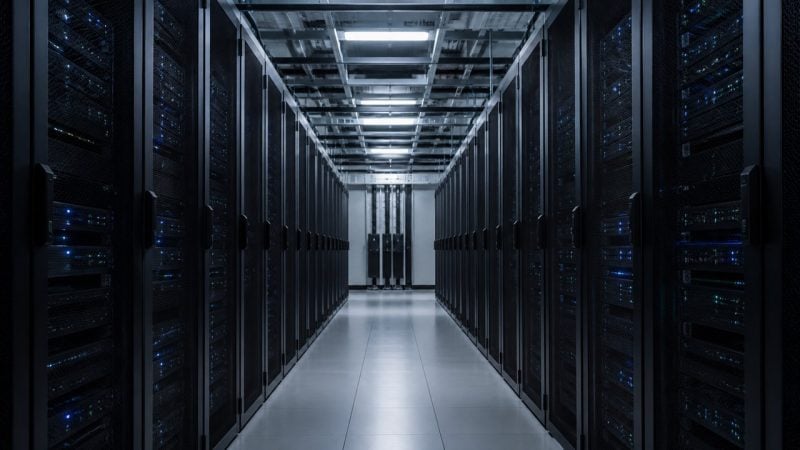
Meta is constructing gigawatt-scale data center clusters, including the Prometheus facility in Ohio and Hyperion in Louisiana.
The company has secured nuclear power contracts totaling 6.5 GW through 2035.
In 2025, Meta acquired a 49% stake in Scale AI for $14.3 billion to strengthen its AI efforts.
Meta launched its new Muse Wonder models on October 12, 2026, the same window as the podcast. Meta claims the models match or exceed performance benchmarks against competing offerings from OpenAI and Anthropic.
What this means for investors and the AI race
The research findings note that the buildout has drawn scrutiny from investors and analysts focused on long-term returns, given the huge upfront costs.
Zuckerberg’s candor confirms that the spending was a conviction call, not a response to proven demand from Meta’s own models.
When a company’s top finance officer flags pitfalls and the CEO proceeds, the outcome tends to get attributed squarely to the CEO. Zuckerberg now owns this bet in a very public way.
Data centers and power contracts are commitments that run for years, while AI model leadership can shift within months. Meta has locked in costs on a decade-long horizon to compete in a market that reshuffles constantly.
What to watch next: independent evaluations of Muse Wonder, any revisions to the $130–145 billion capex range, and whether Meta can show revenue or engagement gains tied directly to its AI products.
Disclosure: This article was edited by Diego Almada Lopez. For more information on how we create and review content, see our Editorial Policy.







 English (US) ·