
There is a reason personal trainers consistently return to the same exercise when asked what to prioritise after 50—and it is likely not the one you would expect.
It isn’t long stints on an under-desk treadmill, AI-powered workouts from the best fitness apps or endless bicep curls. If there is one movement to keep you robust well into your later years, it must challenge your posterior chain, grip strength, and core stability under load. These are the foundations of daily movement—the ability to move well, stay strong, and handle the physical demands of an ordinary day without a second thought.
We spoke to elite performance coach and Hollywood trainer David Higgins — who’s trained everyone from David Harbour and Samuel L. Jackson to Margot Robbie and Scarlett Johansson — to find out which move earns the top spot, why is it so vital as we age, and how to build it into your routine safely.
Article continues below
The farmer's carry
How to do a Farmer's Carry by Wodstar - YouTube
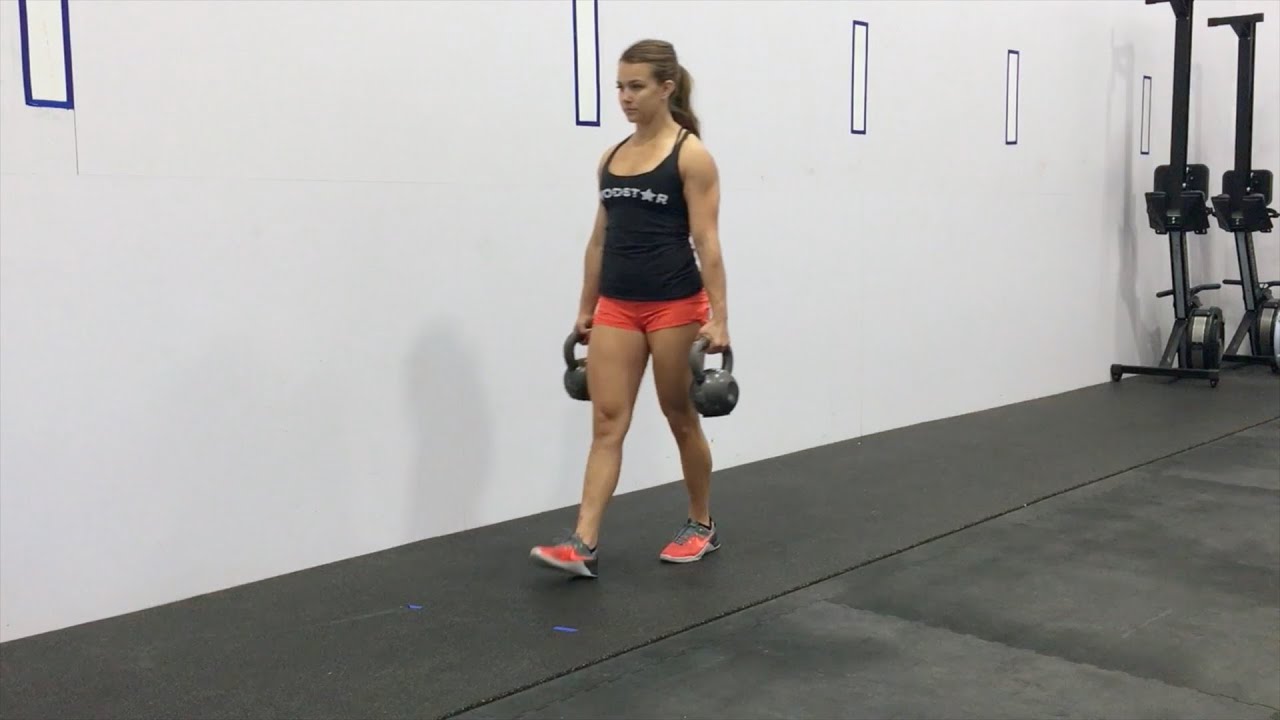
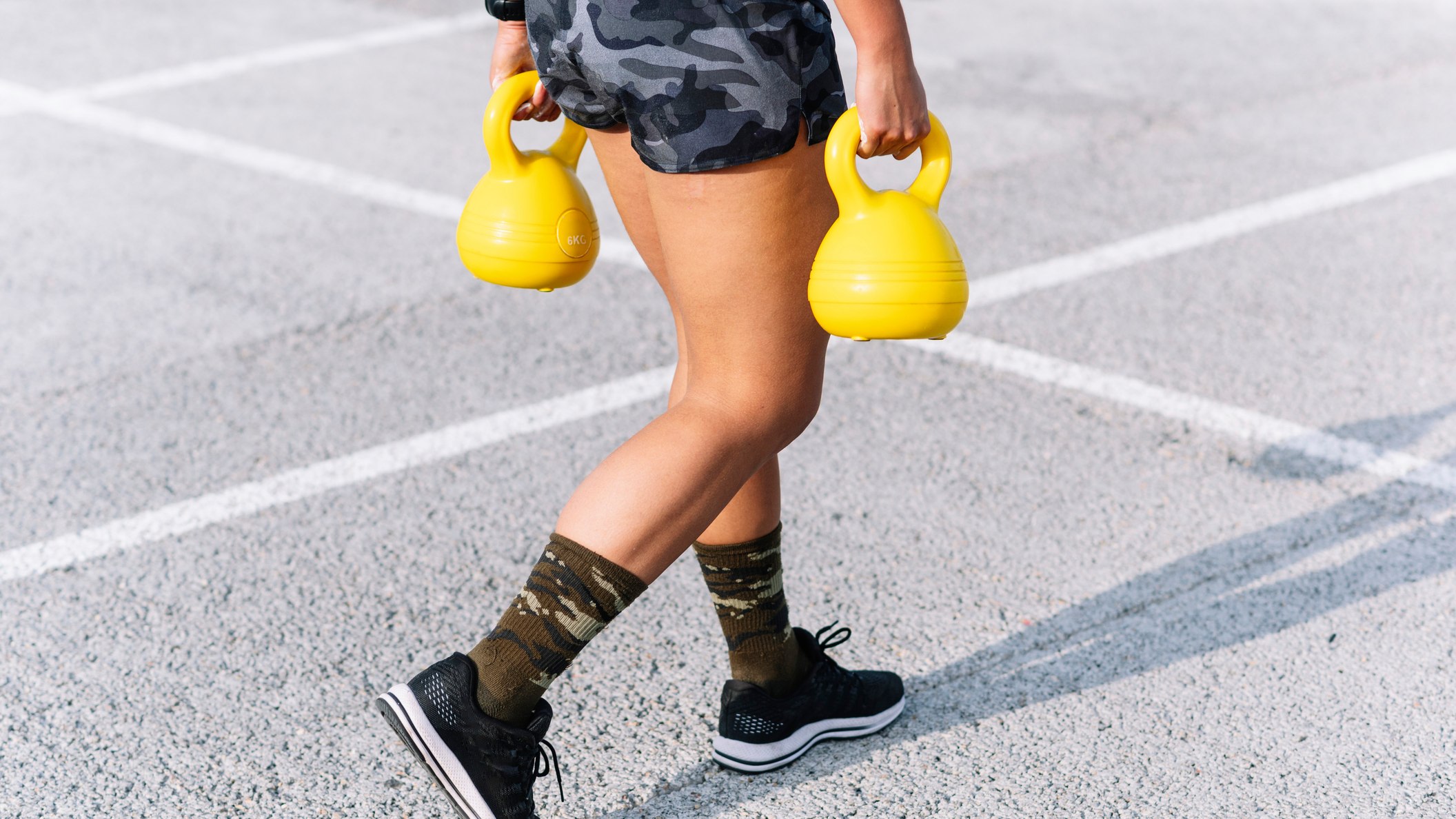
"You pick something heavy up and you walk with it," says Higgins. "That's life." This philosophy underpins Higgins’ choice for the single best strength exercise after 50: the loaded carry. Fortunately, the concept is as straightforward as it sounds. For a farmer's carry, you simply pick up a weight in each hand and walk a set distance. There are no complicated mechanics here; it is just you, the weights, and the floor.
What sets it apart is how much it demands from the entire body simultaneously. "It ticks every box that matters after 50," says Higgins. It hits the posterior chain—the glutes, hamstrings, and spinal stabilisers that keep you upright and pain-free.
It also builds grip strength, a factor Higgins considers non-negotiable. "Grip strength is one of the strongest predictors of longevity and overall health," he says. "When grip goes, independence follows." Finally, it develops functional core strength by “resisting rotation, stabilising the spine and transferring force."
Crucially, it is kind to the joints. "Just tension, alignment and control," says Higgins—making it a viable option for those managing old injuries or returning to the gym after a long hiatus.
Tips and tricks
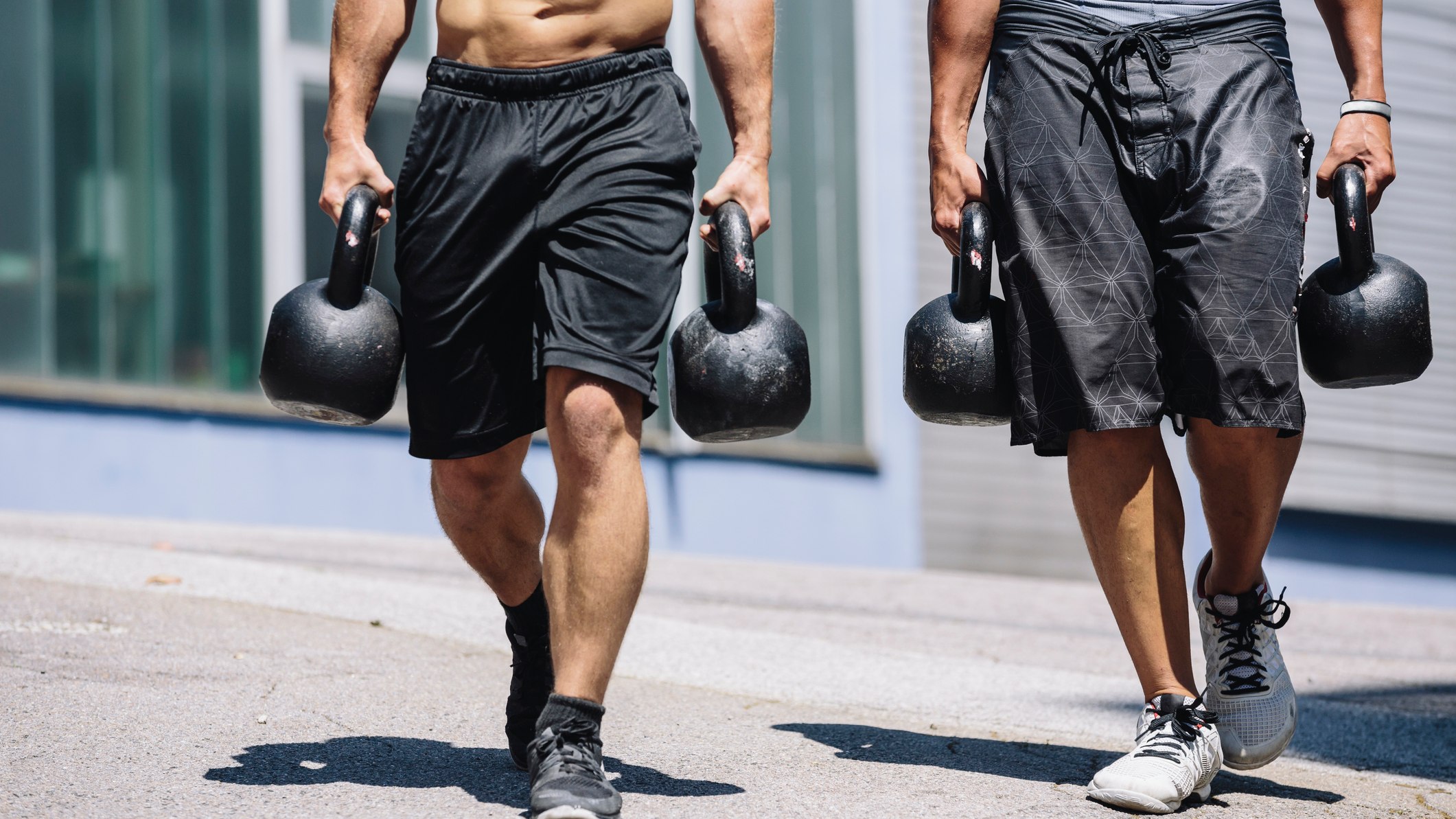
While the movement is simple, the setup is where people often stumble — metaphorically and occasionally literally. "Stand tall," says Higgins. "Feet hip-width apart. Grip the weight hard. Pull shoulders back and down — never shrugged.” From there, “pull the rib cage down and brace your core." He describes this as "earning the right to walk." The exercise doesn't truly begin until your posture is locked in.
Once you start moving, keep your steps small and controlled, rolling from the heel through to the big toe. Avoid swaying or leaning and “breathe through the nose if possible," he adds.
Common pitfalls include leaning away from the weight, letting the shoulders creep toward the ears, rushing, or lifting too heavy too soon. "Quality over quantity," Higgins advises. "Start lighter than you think and build slowly." Sacrificing form for weight doesn't just reduce the benefits but also risks creating new problems.
Incorporating the farmer's carry into your routine
For beginners, Higgins suggests starting with a "suitcase carry": holding a single weight on one side and walking for 10 to 20 metres. Before even taking a step, try a static hold—simply standing with the weight to find your balance and get used to the tension in your grip and core.
From there, progression should be gradual. With the loaded carry, progression can take a few forms. Heavier loads, for example, or longer distances, using two weights or trap bar. But, says Higgins, you have to earn the right to go heavy. “Progression only comes after posture is locked in."
To support your carries, he recommends supplementary moves like hip bridges, rotational lunges and thoracic mobility work such as the classic ‘cat-cow’ yoga technique. Ultimately, the goal is simpler than any list of drills. "It's not about smashing yourself in the gym," he says. Aim for two to three sessions a week of consistent movement. "Consistency beats intensity," he says. Strength training after 50 isn't just a hobby; in Higgins' view, "it’s insurance."
Follow TechRadar on Google News and add us as a preferred source to get our expert news, reviews, and opinion in your feeds. Make sure to click the Follow button!
And of course you can also follow TechRadar on TikTok for news, reviews, unboxings in video form, and get regular updates from us on WhatsApp too.


 English (US) ·