
 17 hours ago
34
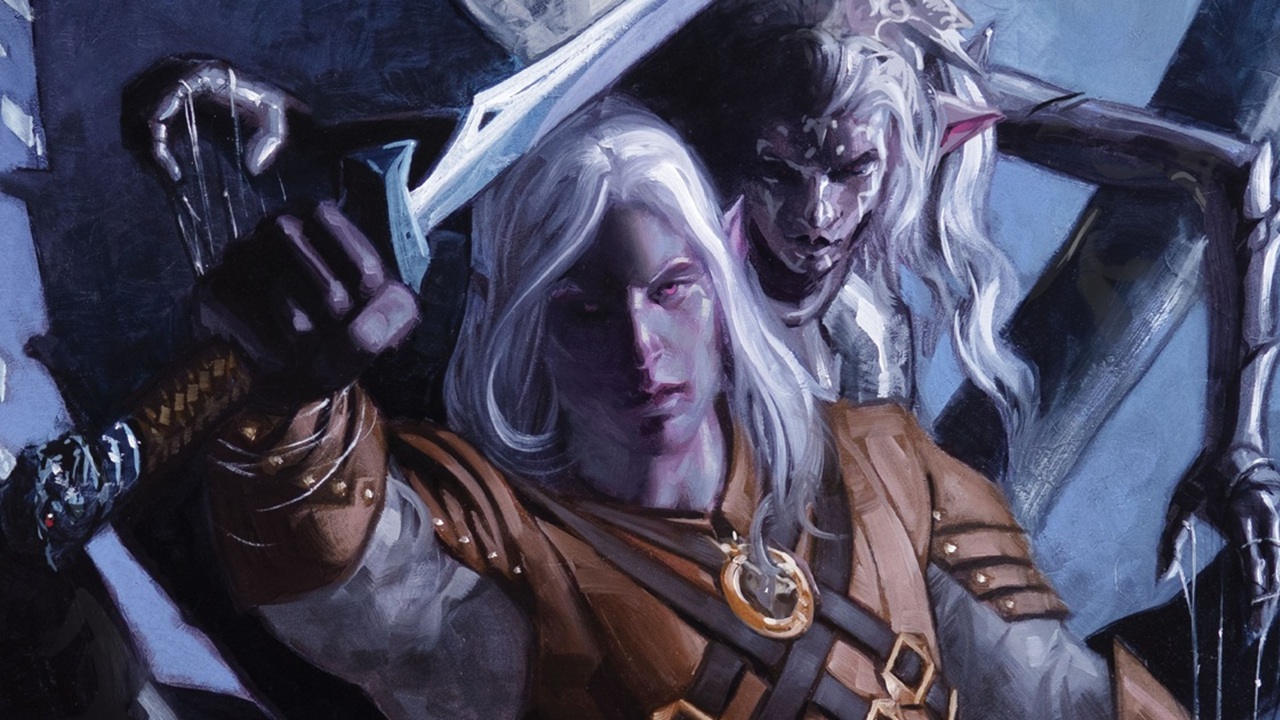
James Lowder, a freelance writer and editor who has contracted with Wizards of the Coast on D&D books, discussed the news and its personal impact on him via LinkedIn. Here's the second half of Lowder's post, explaining the mechanics of how this came about:

"This is remarkable and amounts to hundreds of thousands of dollars that WotC could have collected going to the writers. And Wizards is doing this at a time when the larger publishers are scrambling to grab as much settlement money as possible from authors. Amazing. This payout will help a lot of writers--folks who certainly deserve to be rewarded for their work.
"Conversations at Wizards about the Anthropic settlement have been ongoing for months. (I've been part of these conversations on and off, but the real heavy lifting was done by folks with more clout.) This all came about because some of the writers used what influence they possessed to raise the issue and because the people inside Wizards, up to the highest levels, were willing to consider the situation from more than a financial perspective.
"Thanks to all the writers who stepped up here. I don't think this would have happened without those author-prompted discussions, especially the efforts of R.A. Salvatore. Huge credit to the folks at Wizards, in particular Dan Ayoub, who were open to the discussions and then did the generous (and right) thing here. And it was the right thing to do."

It is unambiguously great that writers like Lowder benefitted from this settlement more than they were required to—it's the spiritual opposite of all the companies that pocketed their tariff refunds instead of passing them onto the consumers who ate inflated prices. The authors who make D&D great deserve it. You do gotta hand it to Wizards.
But. In the interest of providing full context, I have to be a cynical prick for the remainder of this article. Wizards of the Coast's reputation has taken a drubbing in recent years, and even though D&D and Magic are practically synonymous with tabletop and TCGs respectively, it behooves the company to secure PR victories like this where it can.
Most recently, Wizards has refused to voluntarily recognize an employee union twice in one year, forcing a vote among the staff. The results of the ballot are not yet public, but Wargamer reported last week that the company appears to be preparing to deal with a unionised workforce.
Moving back in time, Wizards' attempt to rework D&D's influential Open Gaming License (OGL) met a huge fan and industry backlash, prompting the company to backpedal almost immediately. Contemporaneously, incidents of AI art appearing in marketing material and a D&D sourcebook similarly met with a sour response.
And the whopper: Wizards of the Coast laid off 1,100 people in 2023, including much of the publishing team that liaised with Larian Studios on Baldur's Gate 3. Larian has insisted that its decision to pivot from D&D back to its own Divinity series was a creative one, and that its shift away from Wizards was amicable, but most forum-goers and hoi polloi still assume the worst about the split.
Lowder's estimate that Wizards stood to receive hundreds of thousands of dollars here also stood out to me—that's life-changing money for you, me, or even an extremely successful author like R.A. Salvatore, but it's couch cushion change for a multi-billion dollar operation like Wizards of the Coast. The real value of the case to publishers, by my reckoning, was extracting some sort of concession, a legal precedent regarding copyright and training AI models. Wizards of the Coast undeniably did the right thing here, but I think it was a PR victory cheaply bought.




 English (US) ·