
 2 weeks ago
19
2 weeks ago
19
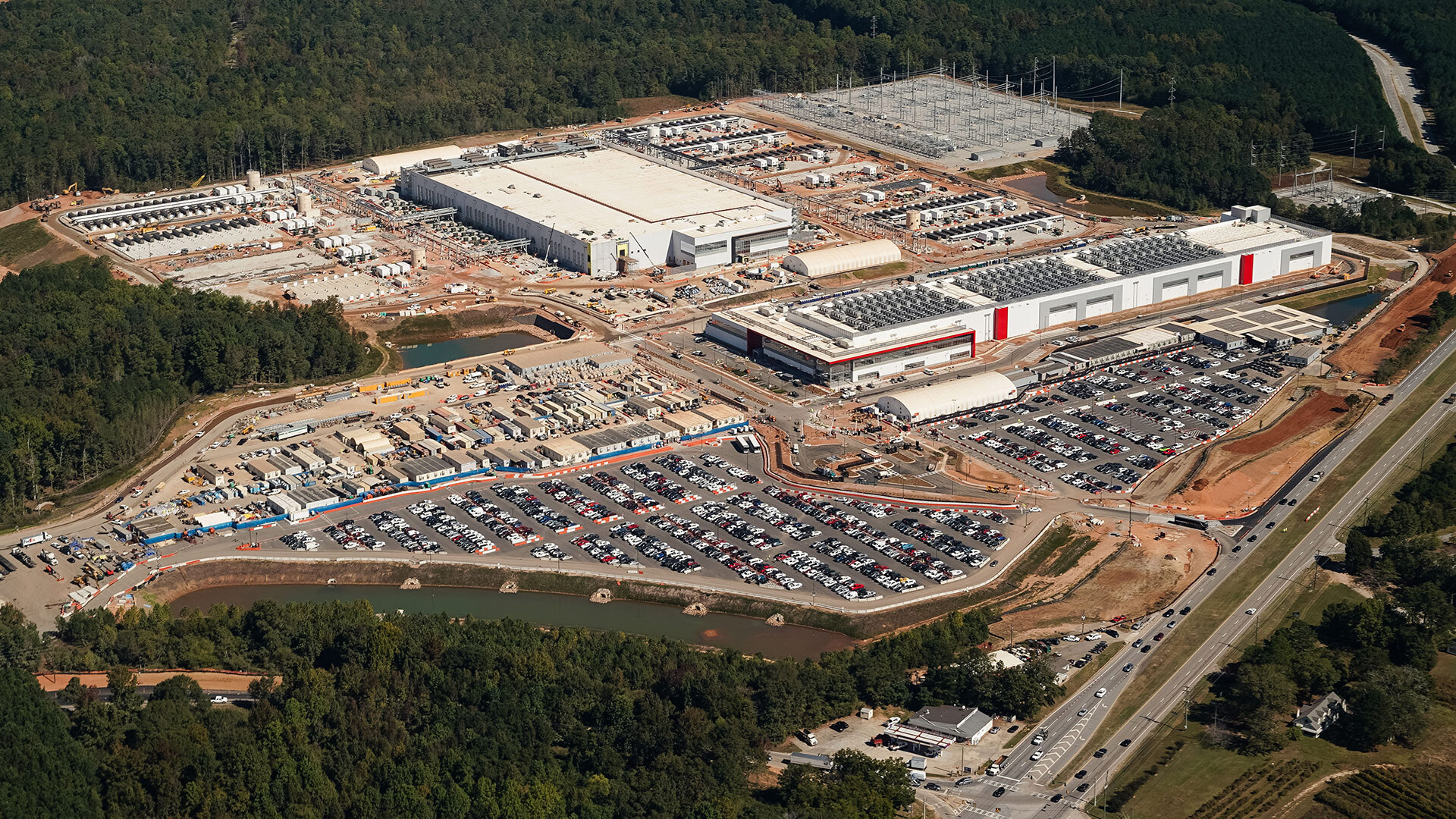
Controversy due to AI data center buildouts generally centers around their massive power usage and draining of local water reserves, but noise is a third torment to nearby residents, and one that is arguably much harder to correct. Residents of Sturtevant, slightly south of Milwaukee, Wisconsin, filed a class-action lawsuit against Microsoft due to the excessive noise produced by the company's Fairwater facility. CEO Satya Nadella described the project as "the world's most powerful AI data center," projected to generate 865,000 tokens per second and have a final bill of $7.3 billion.
The Sturtevant residents live just 1.5 miles (2.4 km) from the facility. The lawsuit was filed by three citizens and represents the households within this distance, reportedly amounting to over 1,000 homes, including areas in Mount Pleasant. The filing describes the noise situation as "not only excessive, but consistent and pervasive," and claims Microsoft did not "implement adequate acoustic barriers, shields, or walls that absorb, mitigate, and/or prevent the escape of noise, thereby resulting in the offsite emission of excessive noise beyond its property." One resident claims he had to change his shift at work to be able to sleep at all.
Nearby residents also complain about excessive dust and traffic stemming from the construction work, as well as light pollution. One resident says he often can't see his house coming into town, while another claims that before the data center arrived, the sky was dark and full of stars, now mostly gone due to the bright lights.
To some credit, Microsoft appears to have been trying to improve the situation, judging by a fairly detailed blog post on its community website. On June 18, the company said its engineers applied several measures that "fully resolved the issue," and that it would apply additional mitigations over the following months, including "additional sound reduction components."
The backstory in the post says the firm was aware of the issue back in April, and "[it] did not expect the tonal quality of the sound to travel as far as it has," attributing the decibels to cooling fans operating at too-high speeds, now purportedly corrected. In an earlier project update about the data center, Microsoft says it would have street sweepers working 10 hours a day and limit construction to hours between 6am and 10pm.
The lawsuit was filed on July 1, indicating that either the issue isn't resolved, or that the particularly short distance between Fairwater 1 and Sturtevant might make for a conundrum that's exceedingly tricky to solve. Some Mount Pleasant residents even live across the street from the campus, too. Before the Fairwater data center arrived, the land was already zoned for heavy industrial use back in 2017 to Foxconn, a status that carried over to Microsoft upon purchase. Notably, Wisconsin's "direct legislation" apparently does not allow amending or repealing existing ordinances, and is only available to cities, not towns.

Follow Tom's Hardware on Google News, or add us as a preferred source, to get our latest news, analysis, & reviews in your feeds.








 English (US) ·