
 1 day ago
7
1 day ago
7
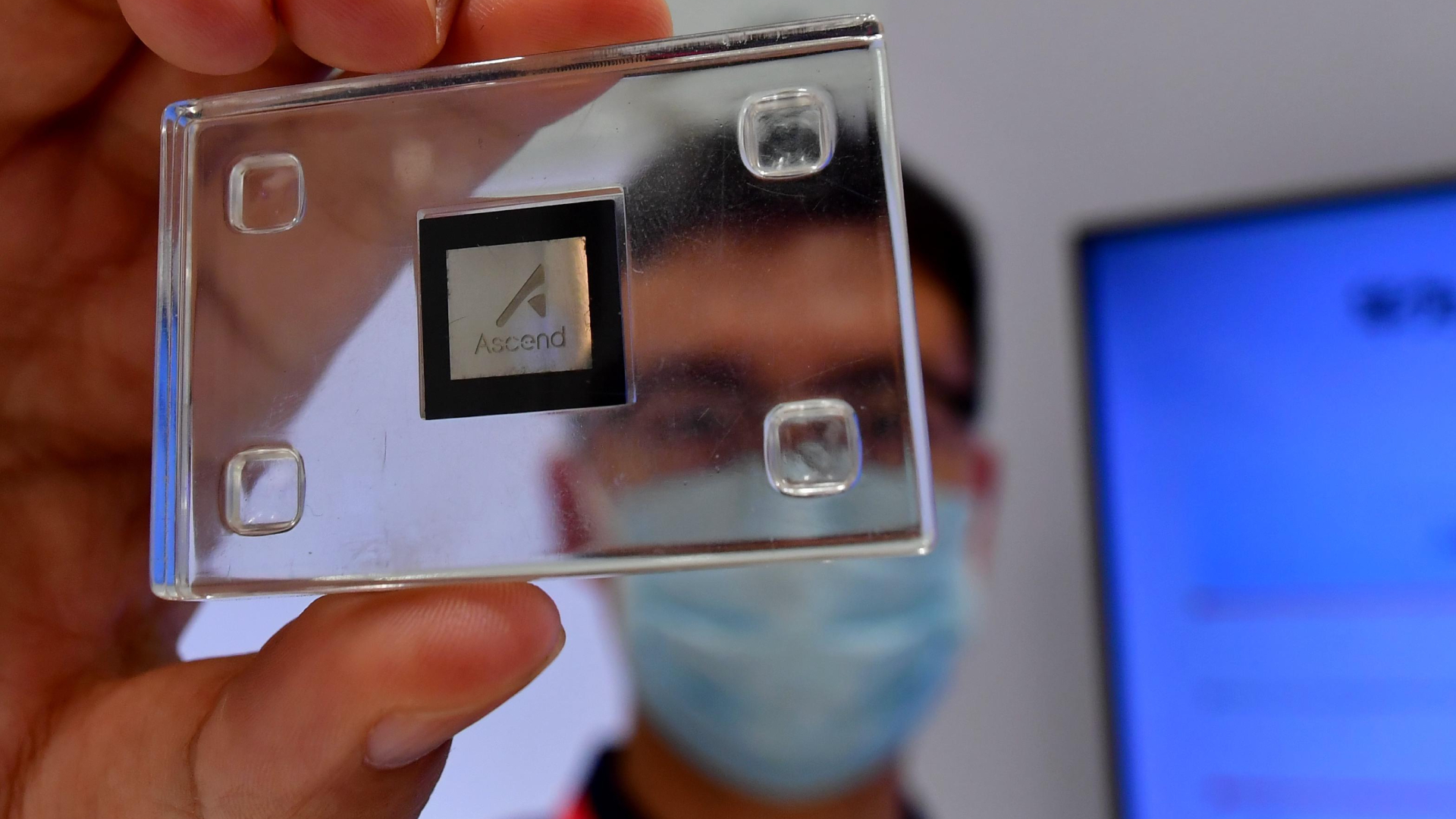
The U.S. can now export Nvidia's H200 AI accelerator to China, with a 25% fee attached. However, following the authorization of the chips, a new report suggests that the decision was made to ensure American tech dominance globally. Reportedly, a major part of the decision is Huawei's recent advancements with its CloudMatrix 384 and Ascend 910C systems, which are on par with both the H200 and Nvidia's GB200 NVL72, a new Bloomberg report suggests.
This decision would enable China to continue to access Nvidia's CUDA-based AI accelerators, as many AI systems still rely on that particular software stack. While China is attempting to standardize an instruction set of its own, the open-source CANN, it has been noted that Nvidia chips are preferable for companies such as Deepseek for training advanced AI models.
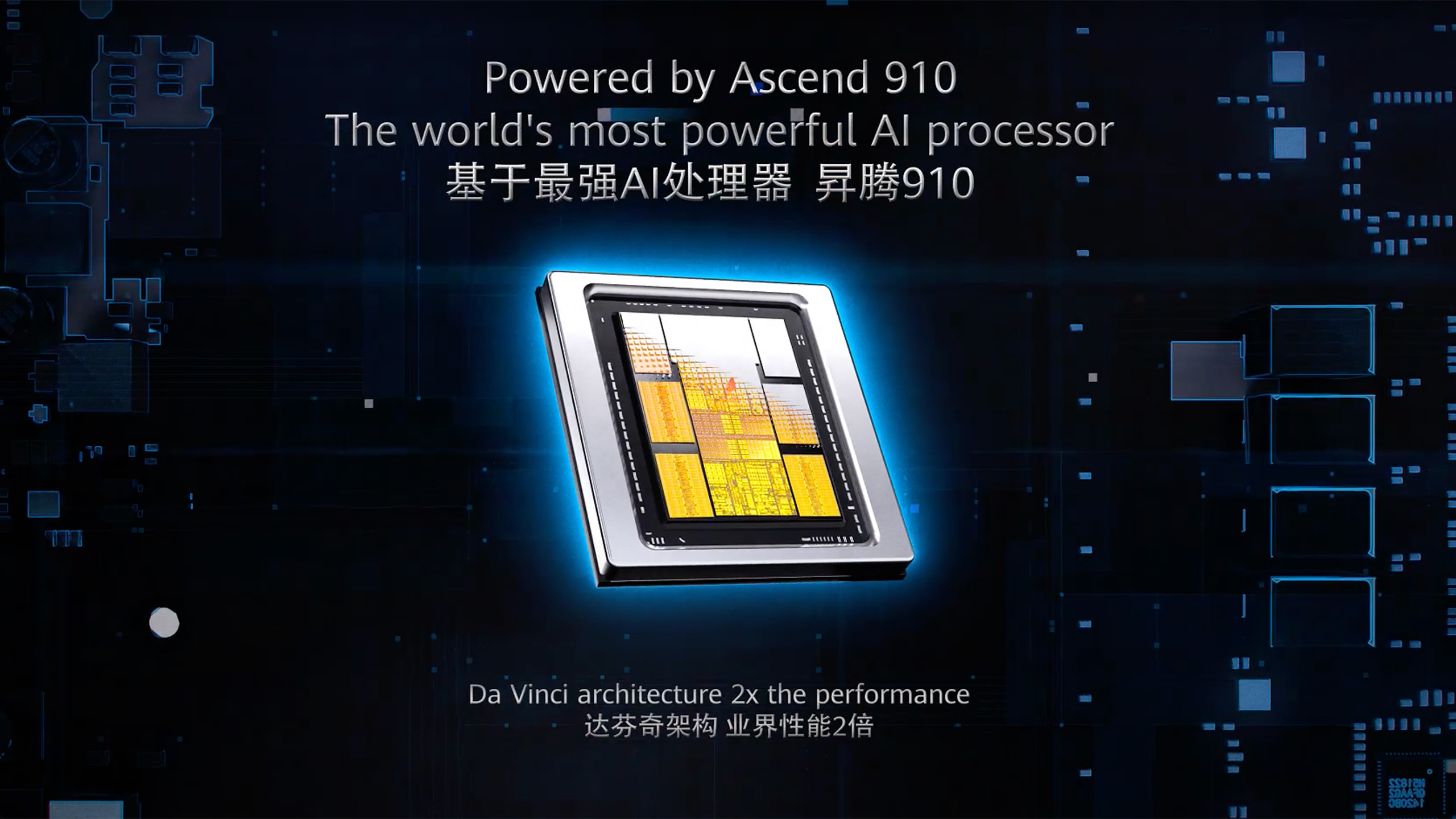
While Bloomberg notes recent rumblings that Huawei is preparing to up its 910C chip production to 600,000 units next year, the report claims U.S. officials concluded "that Huawei would be capable in 2026 of producing a few million of its Ascend 910C accelerators," according to the insider.
The AI race is now bound by pure performance, and the Trump Administration clearly hopes that retaining its architectural advantage by restricting Blackwell will keep Western frontier AI models at the forefront of the industry.
Just last week, Nvidia CEO Jensen Huang commented that he would be uncertain whether or not Chinese companies would even end up purchasing the H200. Huang has long since been a vocal detractor against export controls of AI GPUs, as Nvidia wrote off $5.5 billion in AI chips in April 2025. Whether or not the availability of H200 systems on the Chinese market will be enough to recover the shortfall remains to be seen.

Follow Tom's Hardware on Google News, or add us as a preferred source, to get our latest news, analysis, & reviews in your feeds.


 English (US) ·