
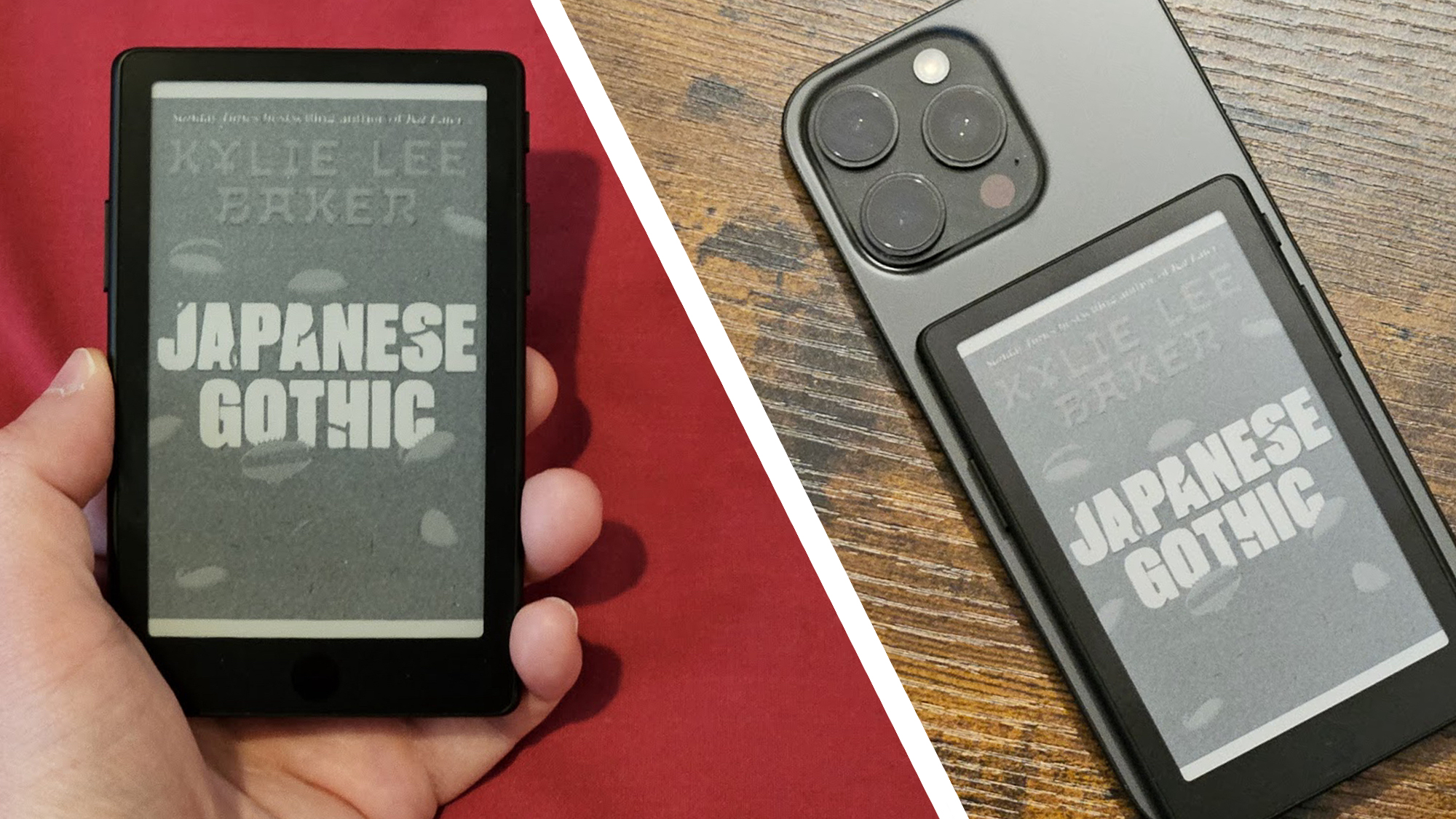
The Xteink S4 might be the tiny ereader you’ve been waiting for, as unlike other Xteink devices — and rival products like the Boox Picco — this runs Android.
That comes with various upsides, not least the ability to directly access the Kindle and Kobo apps, the absence of which is something I’ve been lamenting about my Xteink X4 Pro, but it also has some downsides.
So should you wait for this currently China-only ereader to get a global release? Or are you better off sticking with the Xteink X4 Classic, the X4 Pro or the even tinier X3? I’ve compared these devices below, to help answer that question.
Xteink S4 vs X4 Pro vs X4 Classic vs X3: specs comparison
Below you’ll find a closer look at the key features of every available Xteink model, but first here’s how their core specs compare:
Swipe to scroll horizontally
Dimensions: |
6.98mm thick |
111 x 69 x 5.95mm |
114 x 69 x 4.9mm |
97.6 x 63.7 x 5.1mm |
Weight: |
94g |
72g |
68g |
58g |
Display: |
4.3-inch, 219ppi |
4.3-inch, 219ppi |
4.3-inch, 219ppi |
3.7-inch, 259ppi |
Touchscreen: |
Yes |
Yes |
No |
No |
Front light: |
Yes |
Yes |
No |
No |
Storage: |
32GB built in |
microSD - 16GB included |
microSD - 16GB included |
microSD - 16GB included |
Battery: |
1,400mAh |
1,100mAh |
920mAh |
650mAh |
Charging: |
USB-C |
Proprietary |
Proprietary |
Proprietary |
Operating system: |
Android 11 |
Proprietary |
Proprietary |
Proprietary |
Magnets: |
Yes |
Yes |
Yes |
Yes |
Xteink S4 vs X4 Pro vs X4 Classic vs X3: price and availability
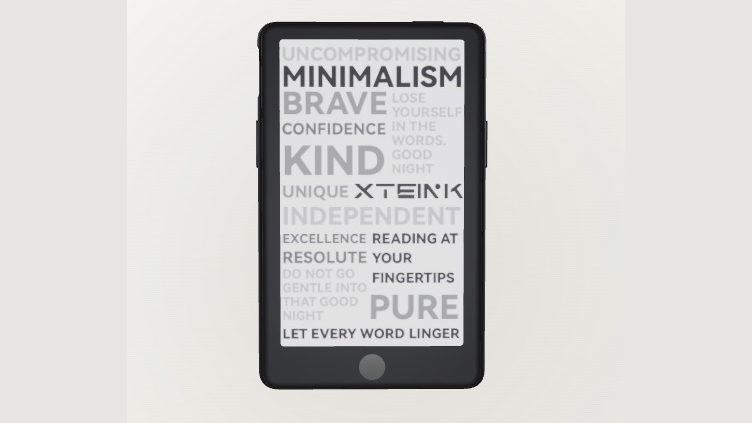
The Xteink X4 Classic, X4 Pro, and X3 are all available directly from Xteink and from some third-party stores like Amazon. They ship to much of the world, and the cheapest is the Xteink X3, which costs $69 / £69 / AU$102.
Then there’s the Xteink X4 Classic for $79 / £79 / AU$116, while the Xteink X4 Pro will cost you $99 / £99 / AU$146.
The Xteink S4 is so far only available in China, but I’d expect it will cost at least as much as the X4 Pro, if not more.
Swipe to scroll horizontally
Xteink X3 |
$69 |
£69 |
AU$102 |
Xteink X4 Classic |
$79 |
£79 |
AU$116 |
Xteink X4 Pro |
$99 |
£99 |
AU$146 |
Xteink S4 |
TBC |
TBC |
TBC |
Xteink S4 vs X4 Pro vs X4 Classic vs X3: design
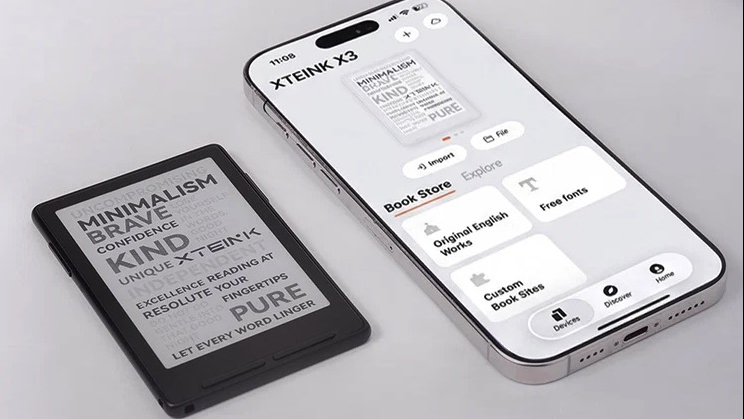
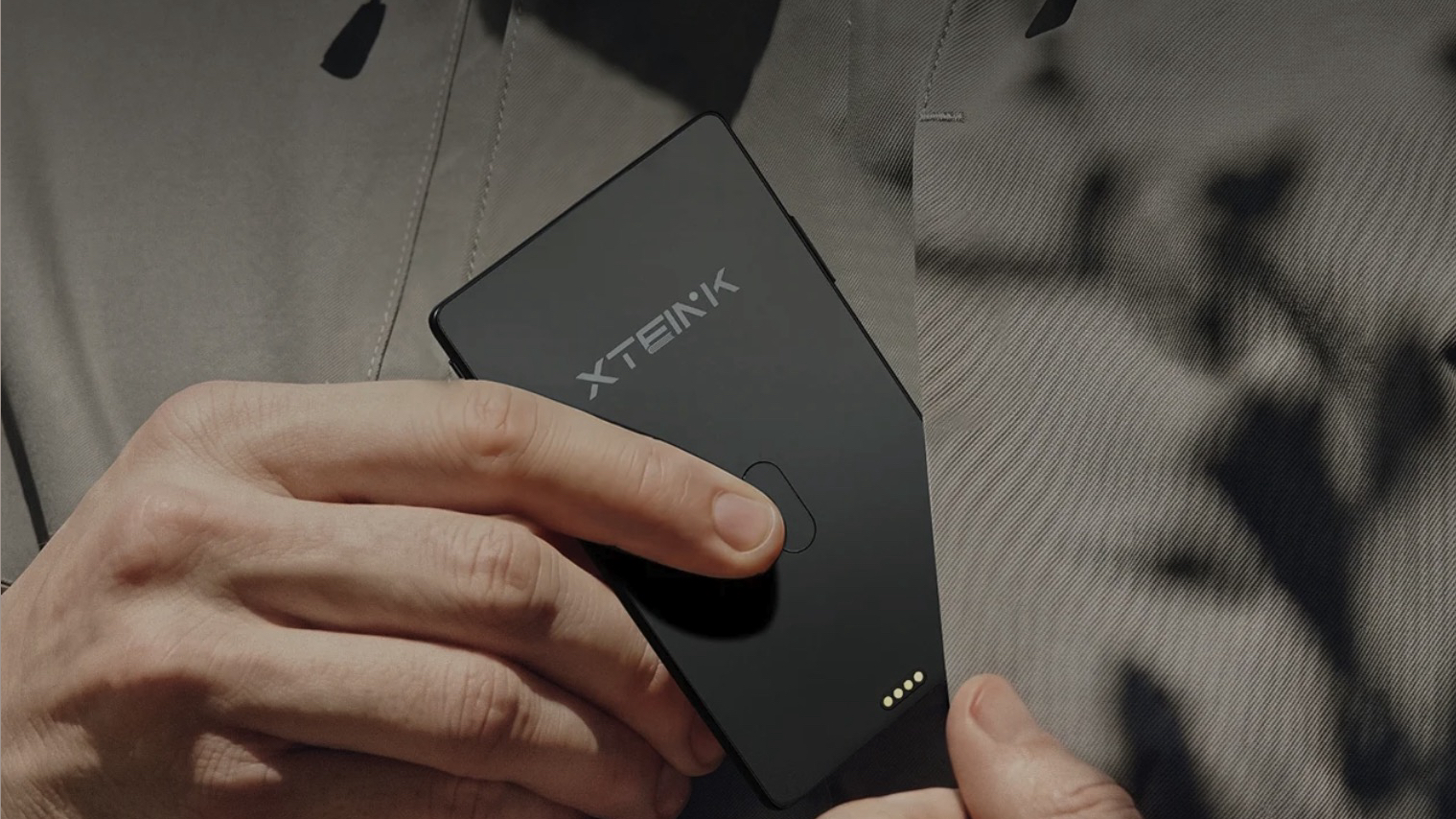
All of these devices look similar to each other, as they’re all small rectangles and look a bit like a tiny phone — albeit with larger bezels than most modern smartphones.
They all have buttons and charging ports on the sides, but the Xteink X3 and Xteink X4 Classic each also have two long, narrow buttons on the bezel below the display, while the Xteink X4 Pro and Xteink S4 instead have a single circular button, like a much smaller version of the home button on very old iPhones.
The Xteink X4 Classic and X3 are both available in a choice of Space Black or Mist Gray (the latter of which is sometimes referred to as ‘Frost White’ instead), while the X4 Pro is currently only sold in Space Black, but pictures of it exist in a gray shade too, so that will probably launch sooner or later. In China, the Xteink S4 is available in black and white shades, and it’s likely the color options will be the same when it goes global.
So there’s not much difference there either — the main design difference is in their weight and dimensions. The Xteink X3 is the smallest and lightest of the bunch at 97.6 x 63.7 x 5.1mm and 58g. Then there’s the Xteink X4 Classic at 114 x 69 x 4.9mm and 68g — making it slightly slimmer but otherwise larger.
The Xteink X4 Pro is 111 x 69 x 5.95mm and 72g, so it’s not quite as tall as the X4 Classic but is thicker and heavier than both that and the X3. And then there’s the Xteink S4, which we don’t have full dimensions for yet, but which we know is 6.98mm thick and 95g, making it the thickest and heaviest of them all.
All of these devices have built in magnets though, allowing you to attach them to the back of a phone — though they’re quite vulnerable like that, so you might prefer to put them in a case anyway.
Xteink S4 vs X4 Pro vs X4 Classic vs X3: display
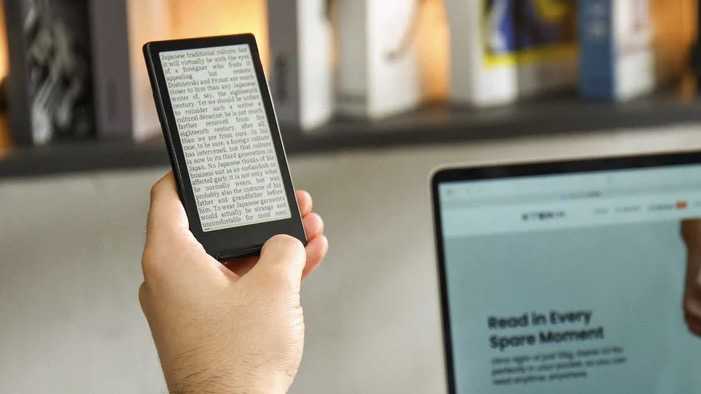
The Xteink S4, X4 Classic, and X4 Pro all have a 4.3-inch screen with 219 pixels per inch, while the Xteink X3 has a smaller 3.7-inch screen with 259 pixels per inch.
So you’re getting a slightly crisper display on the X3, which could make all the difference as personally my X4 Pro isn’t quite as sharp as I’d like — especially when you compare it side-by-side with other devices like the ViWoods AiPaper Reader with its 300ppi display.
On the other hand, you’re also getting a truly tiny screen if you choose the X3, which could be a good or bad thing depending on your preference — it makes this all the more compact, but also means you’ll constantly be turning the page.
Beyond those differences, the Xteink S4 and Xteink X4 Pro have touchscreens — though you can also turn pages with buttons if you prefer — whereas the X3 and X4 Classic are purely reliant on buttons for interactions.
The Xteink S4 and X4 Pro also both have a front light, which the other models lack, meaning these are the only two you can read on without external light sources.
Xteink S4 vs X4 Pro vs X4 Classic vs X3: performance and software
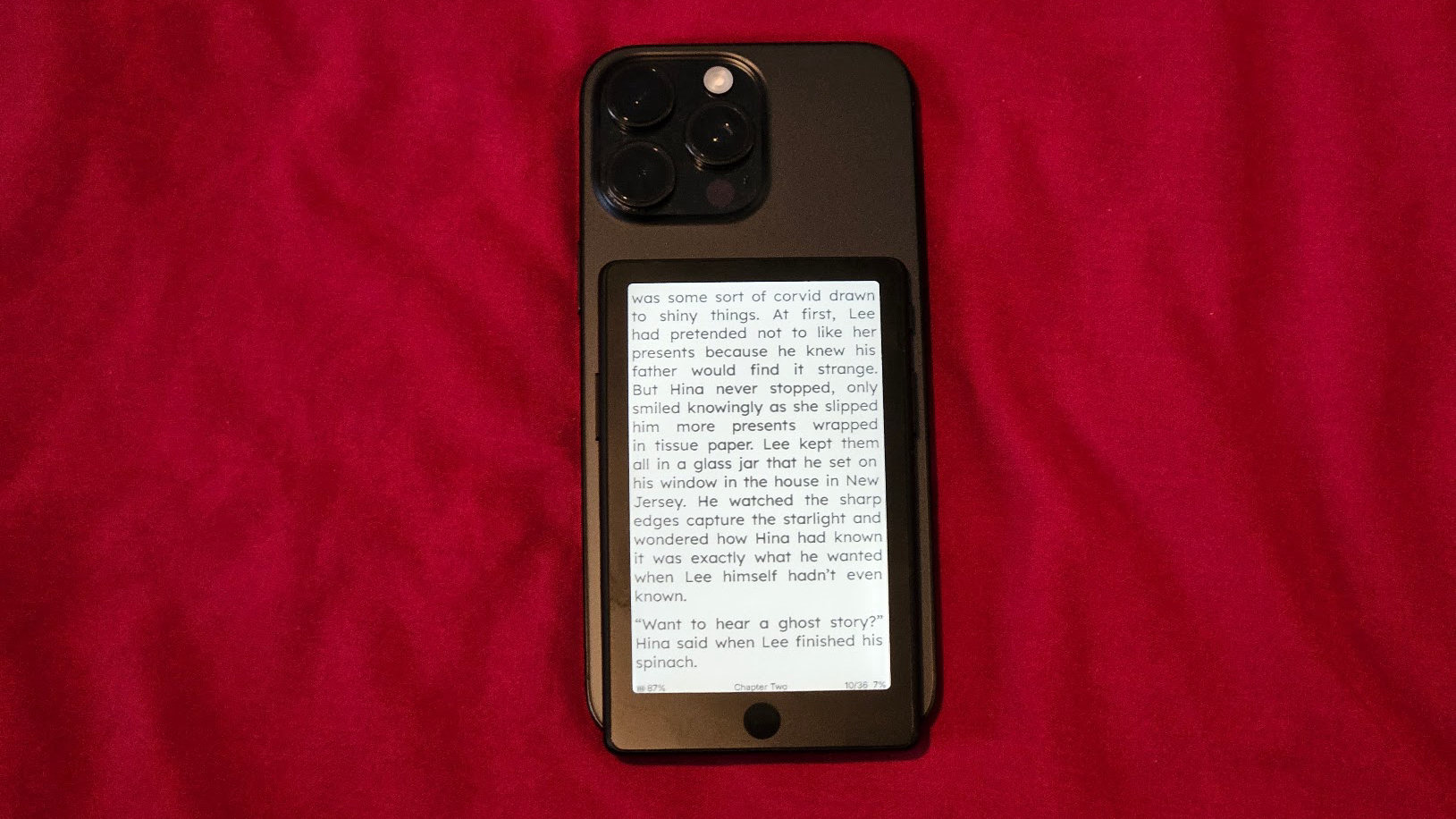
The Xteink X4 Classic, X4 Pro, and X3 all run a proprietary Linux-based operating system. It’s an operating system that personally I didn’t think much of, and I’m not alone judging by forum comments. But Xteink’s devices can handily be bought with unlocked firmware, making it easy to flash alternative operating systems onto them.
I’m running an open source one called CrossInk, which I’m quite pleased with. But there’s a major limitation with any of the options in that they can’t run the Kindle or Kobo apps (or any other apps), making it harder to get books onto them than with most ereaders — you need to download DRM-free versions or remove the DRM, and then transfer them to the device.
That’s a real pain, and it’s a problem the Xteink S4 solves, as this runs Android 11. And while I can’t yet confirm exactly which apps work with it (since there are sometimes compatibility issues on ereaders), Xteink claims it supports “mainstream reader apps.”
Still, there are two potential problems with this approach as well — one is battery life, which I’ll get into in the next section, and the other is security and support. Android 11 is six years old now, and it could be increasingly vulnerable to bugs and malware, since Google is focused on patching newer releases. Besides which, Android ereaders tend not to receive Android updates anyway, so it may not receive security patches or new Android versions.
Eventually, apps will also stop supporting Android 11, so while Android is likely to give you a slicker experience, having such an old version comes with major drawbacks.
As for storage, the Xteink X4 Pro, X4 Classic, and X3 are all purely reliant on a microSD card — they each come with a 16GB one included, but it’s a low quality one, so you might want to replace it. There’s support for cards of up to 256GB.
The Xteink S4 takes a different approach, with 32GB of built in storage, but Android probably takes up a sizable chunk of that, and there’s seemingly no microSD card slot.
You’re also limited to very few book formats on the Xteink X3, X4 Classic, and X4 Pro, with just EPUB and TXT being supported, alongside JPG and BMP for images (or seemingly just BMP in the case of the Classic). We don’t have a full list of supported formats for the Xteink S4, but the company claims it supports “10+ native formats," so it should have the edge there.
Xteink S4 vs X4 Pro vs X4 Classic vs X3: battery
The Xteink S4 has a 1,400mAh battery, and while we don’t know exactly how long it lasts, Xteink claims its “generous battery keeps sessions long.”
That’s higher capacity than the other models, with the Xteink 4 Pro having an 1,100mAh battery, the X4 Classic having a 920mAh one, and the X3 having just a 650mAh one.
Xteink only appears to have released battery stats for the X3, which it claims can last up to 10-14 days, based on 1-3 hours of reading per day. It’s likely then that even with their larger screens, the Xteink X4 Classic and X4 Pro will last even longer, given their far higher capacity batteries, and that certainly seems to be the case in my experience of the X4 Pro.
Granted, I’m not running stock firmware, which could affect things, but I seem to be getting months off a single charge, albeit with perhaps more like just 30 minutes of reading a day.
You might assume then that the Xteink S4 will last even longer — and perhaps it will — but I’d be surprised, as Android tends to be far more battery hungry than the lightweight operating systems used by the other models. I suspect, based on my experience with the Android-powered ViWoods AiPaper Reader, that the S4 might actually have the worst life of the bunch, but that remains to be seen.
So that’s the other downside of it running Android, but it does have one advantage on the battery front too, as it has a USB-C port, which makes charging convenient. The other models all use an annoying proprietary charger.
Xteink S4 vs X4 Pro vs X4 Classic vs X3: verdict

There’s no clear winner between these devices. If you simply want the smallest and lightest ereader possible, then you should go for the Xteink X3 — especially as that’s also the cheapest.
If you want something a bit bigger — or you think you’d benefit from a touchscreen or a front light — then consider the Xteink X4 Pro. For all of that plus Android, the only option is the as-yet-unreleased Xteink S4 — though that also comes with downsides when it comes to security and potentially battery life.
The only one that’s harder to make a case for is the Xteink X4 Classic. This slots between the X3 and the X4 Pro with a bigger screen than the X3 but no touchscreen or light. Those features I feel are important enough that if you want a bigger screen you should choose the Pro over the Classic unless money is really tight.
Personally, I’m happy with my Xteink X4 Pro, and wouldn’t choose any of the other models over it. Other than the S4 it’s the most full-featured, but the compromises that come with the Xteink S4’s Android version make it unappealing to me. What I really want is a model running Android 17, but even then, if that meant significantly worse battery life I might think twice.
The only things I’m certain I want that the X4 Pro lacks are a sharper screen and USB-C, so hopefully a device that ticks all those boxes is in the works.

Follow TechRadar on Google News and add us as a preferred source to get our expert news, reviews, and opinion in your feeds.






 English (US) ·