
 2 weeks ago
53
2 weeks ago
53
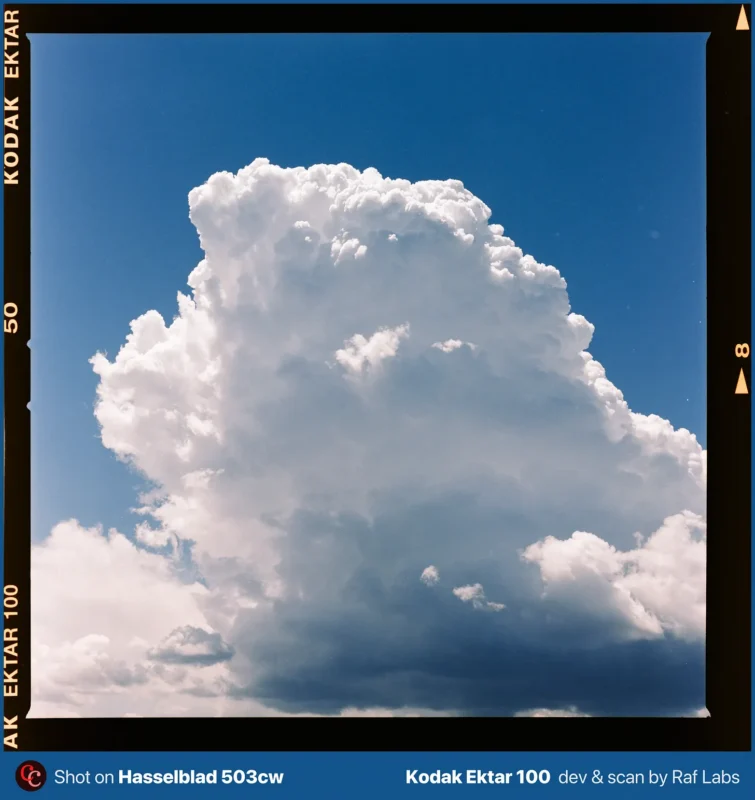
I recently added a camera that shoots 6×6 to my shelf. Square negatives, twelve per roll. I expected to enjoy the lens, the build, the ritual of loading film backs. What I didn’t expect was how much the shape of the frame would mess with the rest of my photography vision.
The first contact sheet made it obvious. My pictures are now more frontal, more centered, more symmetric than anything I shoot on 35mm (or with any other rectangular ratio). The square ratio forced me to read the scene differently. With no long side to lean on, I had to rethink where the element sits, which is not a hard task, I must say though, because I can just aim for the center and it yields great results!
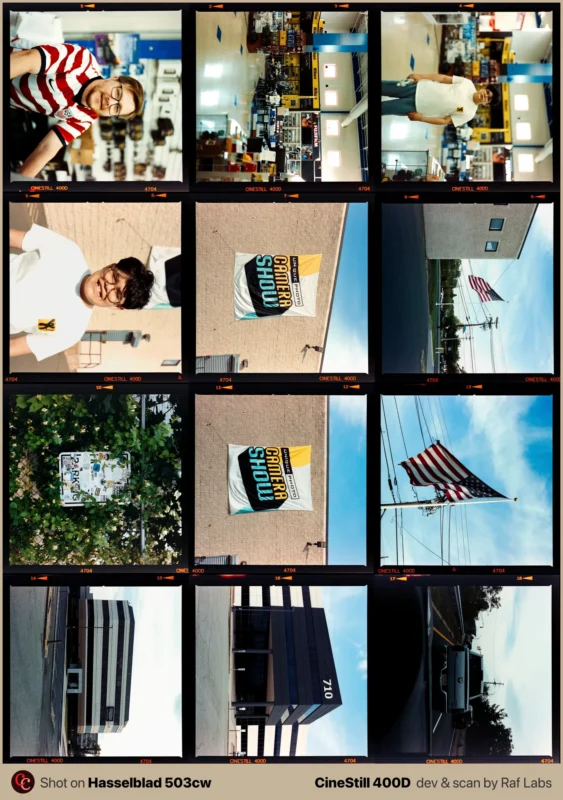 The way the film loads in the Hasselblad film back produces sideways contact sheets.
There’s a name for when the media of something makes you change the content of it, and it comes from outside photography. In 1964 Marshall McLuhan wrote that the medium is the message (which by a typo from the editor, became “massage”, and he kept it that way). The short version of the idea: the form of a medium reshapes how we perceive things, more than the content it carries. Television changed us more than any specific show ever did. The format works on you before the content arrives.
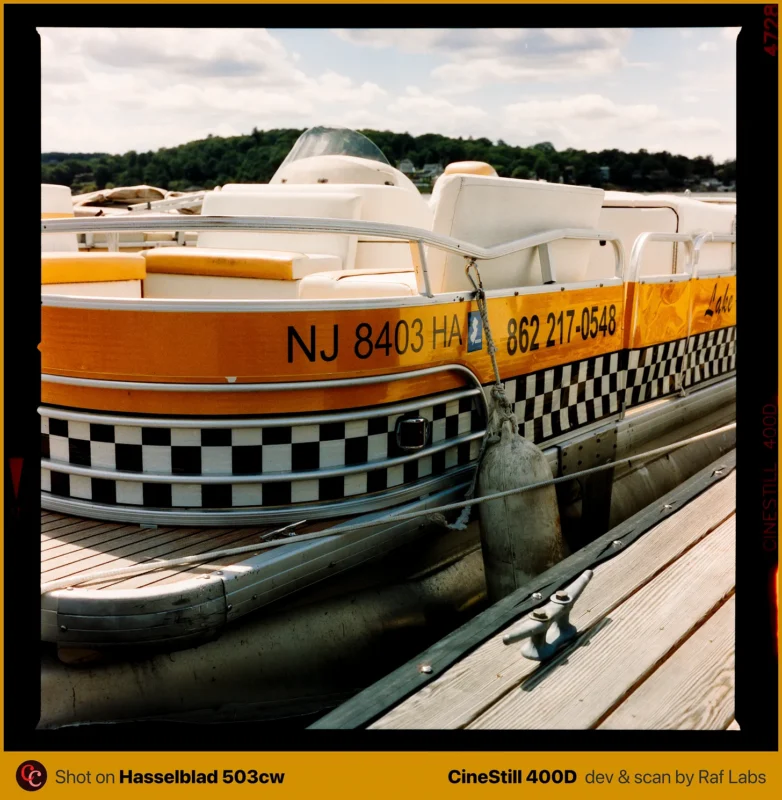 This one is not centered, I know, but even though, the square fromat helps me with composition, it’s so easy!
Back to McLuhan, the frame is a medium too. The rectangular frame most of us shoot is not a law of nature. It came from cinema film running sideways through early cameras. We inherited it and treated it as neutral.
Inside a square, the rule of thirds loses much of its force. My compositions weren’t working, so I stopped reaching for it and started centering subjects, looking for symmetry, photographing things head on, and it worked pretty much well on the square format! A good reminder that the rule of thirds was always a rule, never a law by the way.
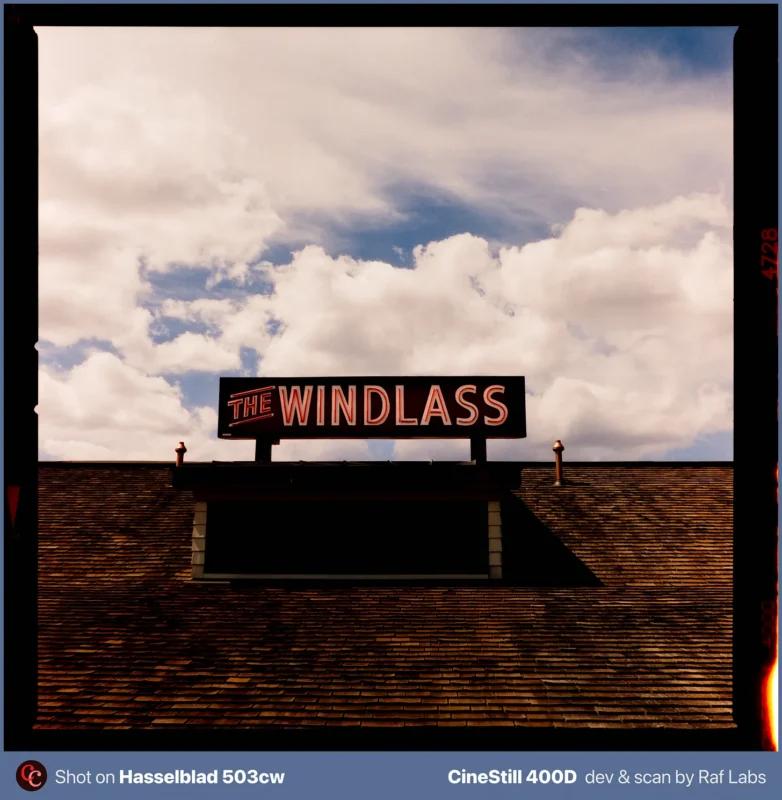
It helps that this camera is an SLR, meaning I see through the lens, on a focusing screen with a cross etched in the middle. I can square up a façade and level a horizon with a precision my rangefinders never allowed. Frame lines guess. A ground glass shows. More satisfaction to things at the center of stuff.
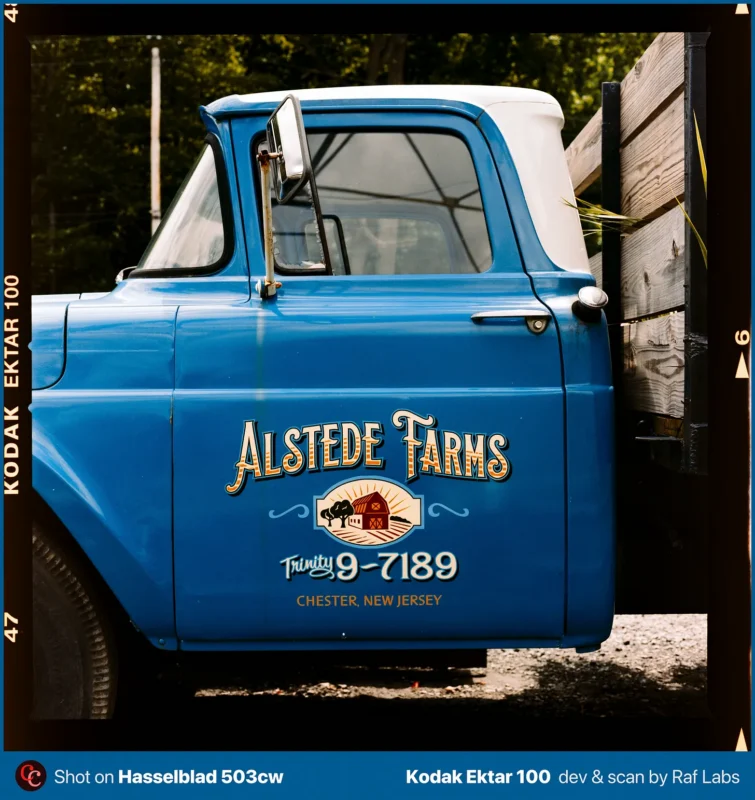
In a rectangle I’m always fighting the corners, pushing out things that don’t belong to the image. The wider the lens, the worse the battle. The square does part of that exclusion for me. Less frame to manage, more attention left for what I actually want in the picture, when paired to a 80mm, it becomes easy and inspiring to go out to shoot with. It’s at the same time more simple, more primary, and… more beautiful.
Square format is awesome!
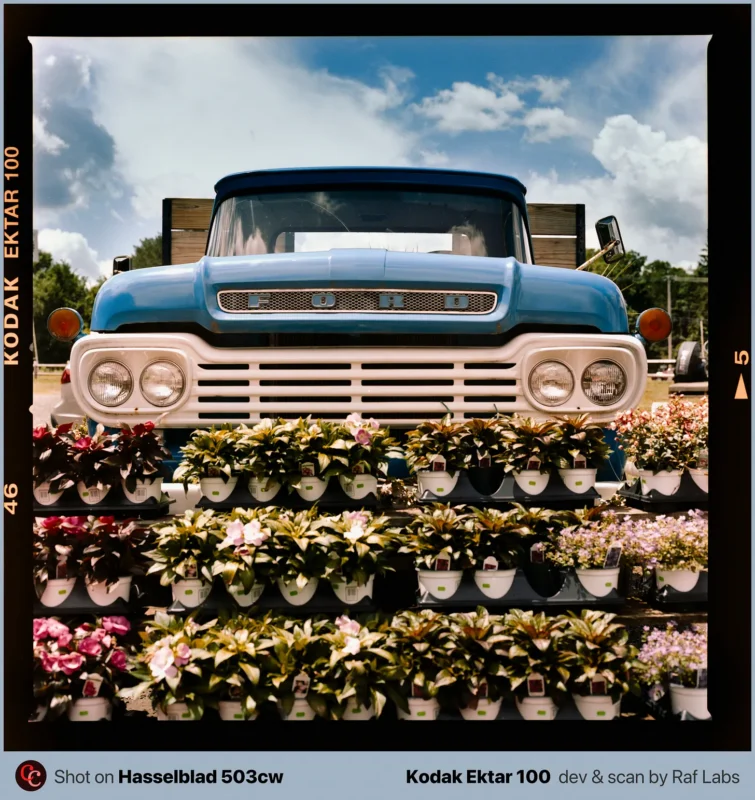
Part of what drew me to this system is that everything is modular. Body, lens, finder, film back, all separate pieces. The plan is to add a digital back someday and turn half of my analog kit into a digital camera overnight. That’s a future post, and only milions of subscribers would be able to help me funding a Hasselblad digital back!
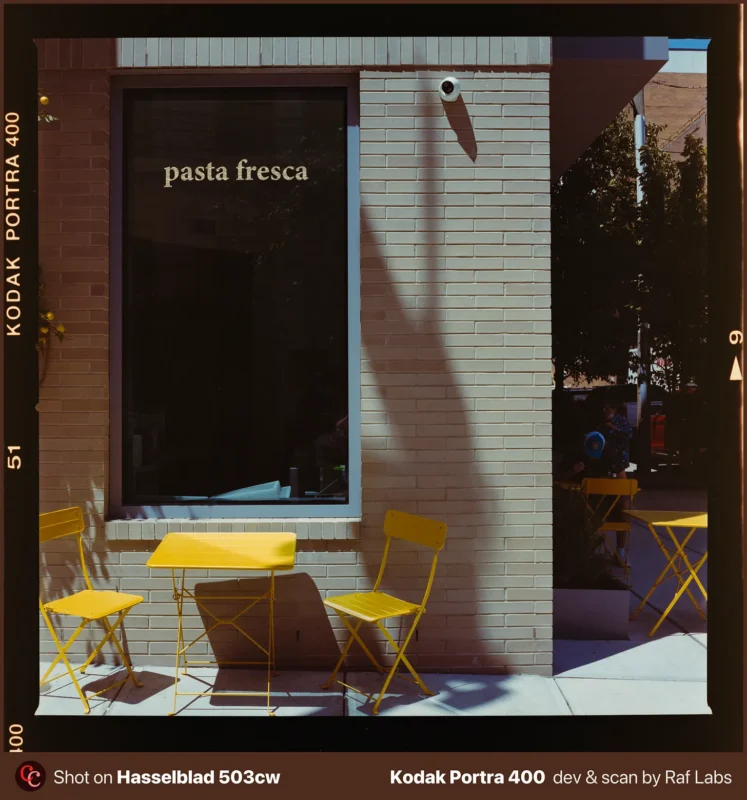
Ah! And one bonus I didn’t see coming. Instagram wants vertical. Substack reads horizontal on a desktop. For my whole life I’ve been quietly shooting for two masters, and it’s annoying as hell. The square is the one format both accept without complaint. One photograph, two homes? Score!
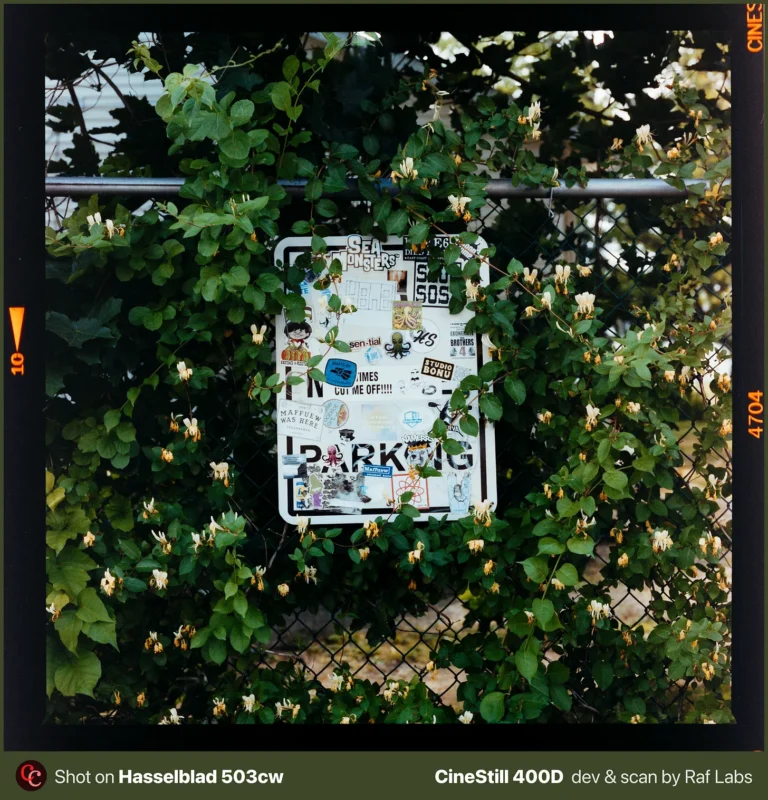
Of course you don’t need a fancy camera to play the square game photo thing, and here’s my invitation. Crop a few favorites to 1:1 and watch what survives. Better yet, dig through your camera’s menu for the setting that records square, so the viewfinder shows you a square while you shoot. Cropping changes the file. Composing in a square changes the photographer. I suggest you try it out!
Affiliate Disclosure PetaPixel articles may include affiliate links; we may earn a commission if you buy through one.






 English (US) ·