
 3 weeks ago
25
3 weeks ago
25
Over the course of less than two decades, stop-motion animation house Laika has established itself as of one of the foremost makers of the beloved artform. “How did they do that?,” audiences have marveled over the course of films like “Coraline” and “Kubo and the Two Strings.”
Now, Rizzoli New York is bringing those answers (and more) to film fans with the upcoming release of its book “LAIKA: The Magic Behind a Stop-Motion Dream Factory,” officially billed as “a visually rich hardcover that presents a portrait of the studio at work.”

In keeping with the creative spirit of Laika, it also isn’t a chronological studio history, instead it “centers on craft, collaboration and the artists, craftspeople, and technicians whose combined efforts bring Laika’s films to life.” The book was written by Ozzy Inguanzo in partnership with Laika, and is built around the core elements of the studio’s filmmaking practice, including story development, world-building, puppet fabrication, stage animation, and the integration of visual effects.


The book boasts new “editorial photography including portraits and a three-foot gatefold highlight some of the studio’s most memorable characters, and a foreword from film journalist Mark Salisbury considers Laika’s impact on contemporary cinema.” The book is the first installment in a multi-publication partnership between Rizzoli and Laika.
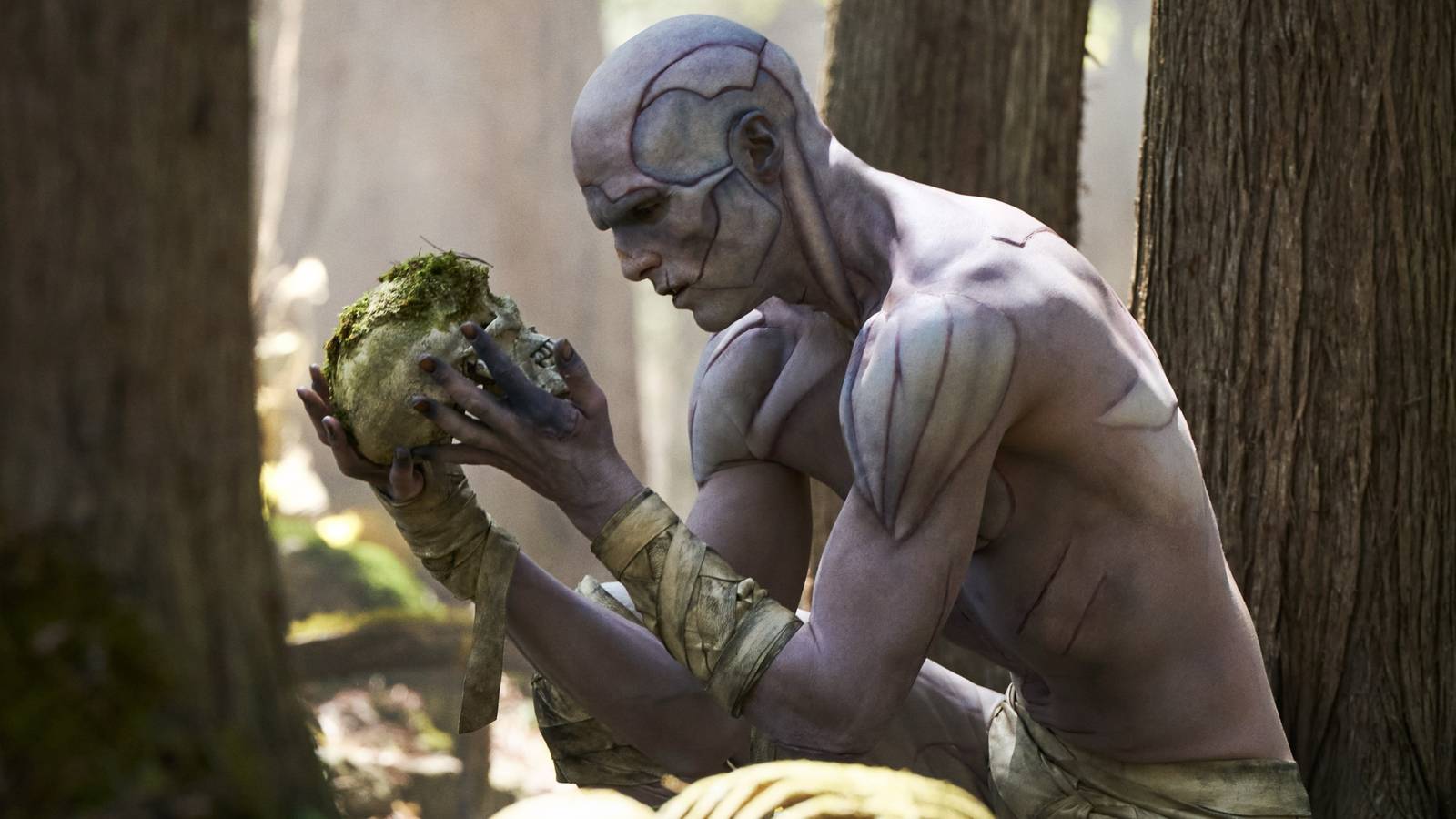
The book will be available on March 10, 2026, and IndieWire shares an exclusive excerpt below, highlighting the work of Jessica Lynn, senior hair and fur fabricator on films like “Coraline,” “ParaNorman,” “The Boxtrolls,” “Kubo and the Two Strings,” “Missing Link,” and the upcoming release “Wildwood.”
When I was younger, I loved anything behind the scenes. Storytelling, world building — I wanted to be a part of that. I collected so many “art of” books of different productions. They showed that this is a real job. But it’s funny, I never set out to work in stop-motion. I went to college in Portland for costume design and ended up at the Shakespeare Theater in DC making costumes. I’ve always loved storytelling, but specifically creative collaboration. There’s something so magical about a group of adults saying, “Let’s do this together!”
I was loving theater but really missed the Pacific Northwest. When I moved back, I took a break and was working as a barista. How stereotypical, a barista in Portland! I had a friend who worked at a commercial house, and he was like, “Hey, can you make small things? We’re hiring artists to build puppets. Do you want to try it?” It was a stop- motion soap commercial. I assumed the skill set was the same, just smaller. When I was there, I met some amazing people who told me, “There’s this company called Laika starting you should come work in the shop.” And now I’ve been here almost twenty years!
 Jessica Lynn, Laika senior hair and fur fabricator
 One of the wildest things for me was, I remember I had a book on the art of “Aladdin” (1992), and there was a little picture of Kent Melton sculpting the Genie. Then I came here, and I’m like, “You’re that guy! I know you!” And so I got to know Kent. My first time going into what would become the puppet department was really amazing. It was similar to theater, but there was a different energy because there were so many skill sets.
You do creative problem-solving with costumes, but to literally engineer movement, it just felt like zero to sixty. Especially going from the world of, “Stand fifty feet back. Yeah, that’s fine!” to the complete opposite — super close. It was like, “Let’s look at this hair. Let’s look at that iris. Let’s look at that toe.” Every little thing. And everyone was just as obsessive and perfectionist, because if that’s your world, you’ll put all your energy into making that one thing great.
I was like, “This is my tribe!” People that are building things with their hands and just can’t help themselves. You find out what they do in their free time, and you’re like, “Oh, God, me, too!” We’re the same. Weirdos who look at things like, “How do I do that? Can I put that together? Could I take it apart?” It’s really nice to talk about things that get to you or what you’re working on, and people completely relate. They understand, and they want to help.
 ‘ParaNorman’
“ParaNorman” felt so special because Chris [Butler] was one of our people. He had started with storyboarding, and now this was Chris’s movie! We were getting to help make his dream come true. I remember him coming down to the shop. It’s so fun to have a director who, when you have a question, can sketch and be like, “This is what I’m thinking!” We speak each other’s language. Same with Travis [Knight]. He’s such a talented animator, so when you’re speaking to him about a concern with how a puppet performs, he knows what you’re talking about because he’s actually done it. It’s amazing.
As an artist, what you do is so integral to who you are, and you need somebody who recognizes and understands that. There are people here that I’ve worked with for almost twenty years. There are relationships and there’s a support system. When I first got to meet Kent, he was so open and kind. And now, I get to give that generational gift. There’s a shot of the puppet department in the ParaNorman art book, and you can see my head at a desk. I’ve had people come work here and say, “Oh, I’ve seen you! I know who you are!” It’s amazing to know that you planted a seed. Someone goes, “I want to do that. I want to be a part of that.” The environment that you helped grow now becomes a calling for some people. That is wild.
From “LAIKA: The Magic Behind a Stop-Motion Dream Factory,” by Ozzy Inguanzo. Reprinted with permission from Rizzoli New York. Copyright 2026.







 English (US) ·