


Published Mar 11, 2026, 5:00 PM EDT
Ben Sherlock is a Tomatometer-approved film and TV critic who runs the massively underrated YouTube channel I Got Touched at the Cinema. Before working at Screen Rant, Ben wrote for Game Rant, Taste of Cinema, Comic Book Resources, and BabbleTop. He's also an indie filmmaker, a standup comedian, and an alumnus of the School of Rock.
HBO’s sci-fi western series Westworld was supposed to be its next big tentpole show after Game of Thrones — a futuristic alternative to the medieval fantasy saga — but it went over a lot of viewers’ heads. Based on the Michael Crichton movie of the same name, Westworld takes place in a future where rich tourists can live out their wildest Wild West fantasies in a theme park full of robotic cowboys.
Crichton’s movie is a relatively straightforward sci-fi western. Once it sets up the main conflict of the robots going haywire and turning on the guests, it becomes a standard chase movie. Yul Brynner’s black-clad gunslinger relentlessly pursues Richard Benjamin’s meek everyman across the park, and their chase culminates in a climactic showdown and a closing one-liner.
Jonathan Nolan and Lisa Joy’s TV adaptation had much loftier ambitions to explore the philosophy of artificial intelligence and the dangers of sentient cyborgs. The movie presented the cowboy robots as typical villains — Terminators with 10-gallon hats — but the TV show presents them as tragic figures relegated to a life of slavery, coming to terms with their fabricated identities.
When Westworld premiered in 2016, around the time that Game of Thrones was running out of books to adapt and looking for the exit, HBO was hoping it would be its next big blockbuster show. This dystopian tale of an Old West-themed amusement park in the future was intended to be the sci-fi alternative to Game of Thrones, but it wasn’t accessible enough.
Westworld Is Much Smarter Than Its High-Concept Sci-Fi Western Premise Would Suggest
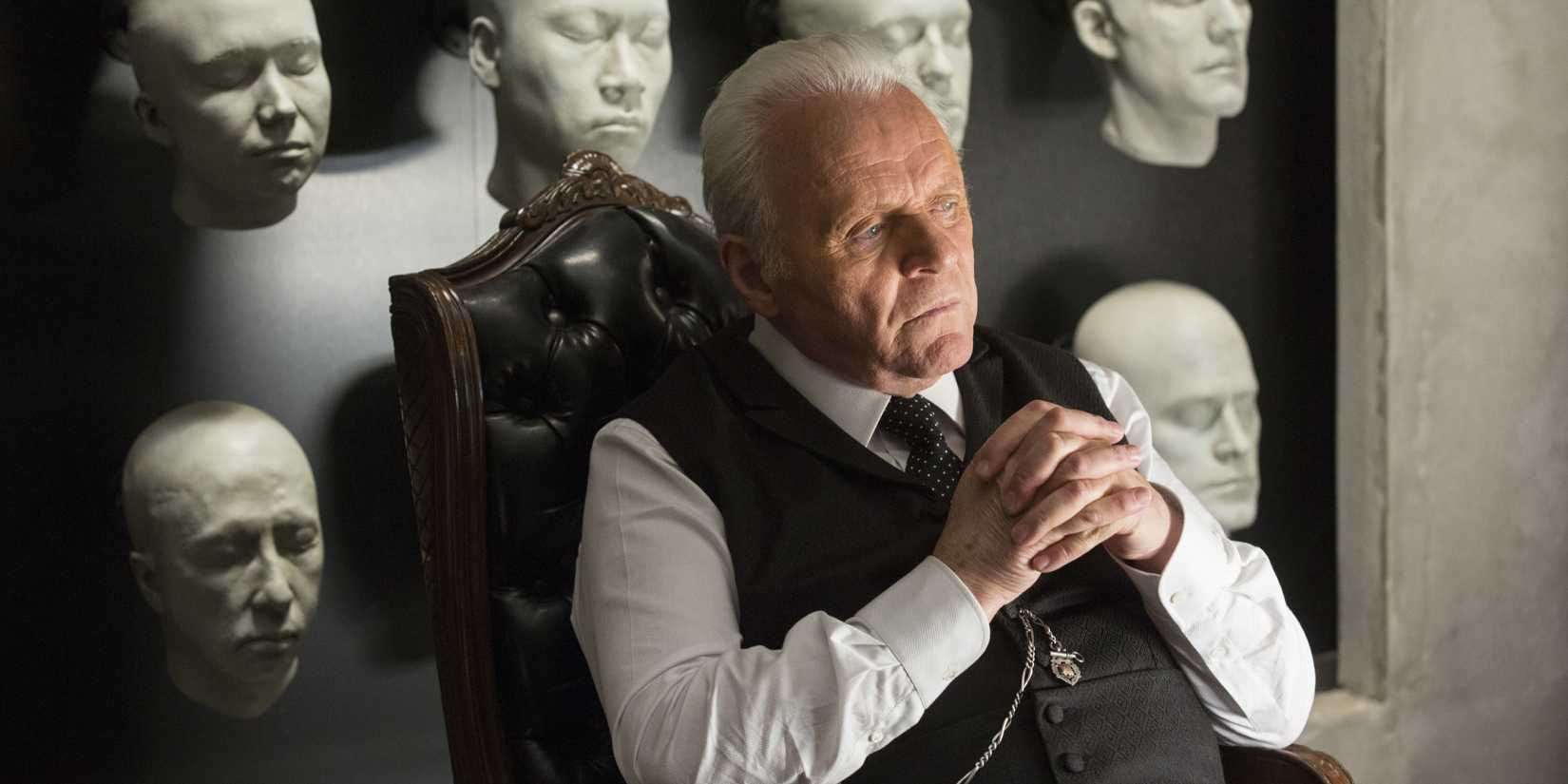
Based on its high-concept premise, Westworld might sound like pretty standard entertainment. With its story of a bunch of wealthy tourists visiting a fake version of the Wild West to get into gunfights and saloon brawls with robotic cowboys, Westworld sounds like it’ll recreate that thrill for the viewers at home. But it’s much more contemplative than it sounds.
Throughout the series, we start to see the negative impact that all this consequence-free violence is having on the wish-fulfilling tourists. We also start to see the robots gaining some sentience, realizing that they’re slaves trapped in a perpetual cycle of consumerism, and seeking out some sense of personhood. It’s the same theme explored through the tragic tale of Roy Batty in Blade Runner, but on a much grander scale.
Westworld has a star-studded cast, featuring some of the greatest and most iconic actors in Hollywood. Ed Harris plays the Man in Black, a cold-blooded veteran guest who sets out to uncover Westworld’s dark secrets. Thandiwe Newton plays a robotic madam called Maeve who becomes self-aware and plots to escape from her life of servitude.
Anthony Hopkins plays Dr. Robert Ford, the park director with a grandiose vision of the overall narrative and character arcs. He’s gone mad with power, and Hopkins captured that madness with the gravitas of a two-time Oscar winner. Jeffrey Wright plays the programmer tasked with programming all the robots’ behavior and mannerisms, and Wright nails his conflicted feelings about this groundbreaking but immoral work.
These world-renowned actors were all given rich, three-dimensional characters to sink their teeth into, and they all gave fantastic performances. Even as the series went on, and it lost some of its more famous co-stars, other iconic performers like Zahn McClarnon and Aaron Paul came in to pad out the ensemble.
Westworld's Lofty Themes Were Its Undoing

Ultimately, despite the brilliance of its storytelling and the starriness of its ensemble cast, Westworld failed to match the success of Game of Thrones. In the end, its lofty themes were its undoing. The series’ deep examination of A.I. and personhood and self-identity was so complicated and confounding that it went over a lot of viewers’ heads and they tuned out.
What made Game of Thrones such a breakout hit was its universal human storytelling. It attracted mainstream fans outside the usual fantasy fan base, because its characters felt like real, flawed human beings, regardless of their setting. The show was full of dragons and magic, but its stories of love, betrayal, and powermongering connected on a deeper emotional level.
Westworld failed to connect on that innate human level, because it was more interested in digging into the philosophy of A.I. than the emotions we can all relate to. If anything, the show was too clever. It wasn’t accessible enough for the Game of Thrones crowd, so they stopped watching, and the show was relegated to cult status.
And it’s a shame, because it had the potential to be one of HBO’s all-time best shows. If it had made its A.I. commentary a little more accessible, and put a little more time into the emotional storytelling (as opposed to the intellectual storytelling), then the sky was the limit.
Westworld Went Downhill After A Stellar First Season
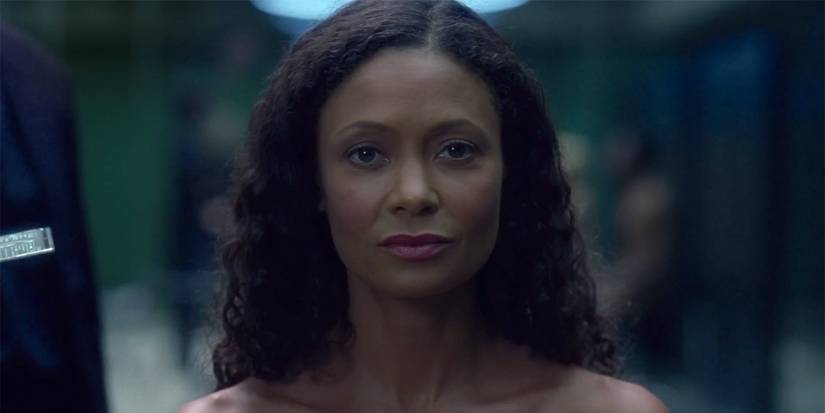
Across Westworld’s four seasons, the show gradually went downhill. Both the critical reception and audience viewership started going south from the second season onward. Westworld kicked off with one of the best debut seasons in HBO’s history. It set up an intriguing sci-fi mystery, it built a thrilling western-inspired world, and it populated its cast with fascinating characters.
In season 1, Westworld was one of the best shows on the air. It got everything right: poignant performances, cinematic visuals, thought-provoking themes, a complex but deeply engaging narrative, and a terrific musical score by Ramin Djawadi. But in season 2, the narrative arcs became more scattershot, the characterization became more inconsistent, and the series as a whole lost track of its own mysteries.
It’s not uncommon for an HBO show to have a great first season, then struggle to maintain that quality in season 2 and beyond. The Last of Us had an amazing first season followed by a bafflingly misjudged second season. True Detective delivered a groundbreaking TV masterpiece in its first season, but it’s been hit-and-miss since it expanded into an anthology series.
If Westworld had maintained the quality of season 1 for the rest of its run, then it could’ve gone down as one of HBO’s all-time best shows. But, unlike The Sopranos and The Wire and Curb Your Enthusiasm, its quality declined over time, and it became another classic example of wasted potential.




 English (US) ·