
 3 hours ago
3
3 hours ago
3
While browsing online shopping, I have often come across unusual and unheard-of 35mm film stocks. My curiosity won out because black and white photography is artistic alchemy, and the film plays a big role in how the final images turn out. So, was this Temu film any good?
I get a huge part of the joy of shooting analog film from trying out all the different brands and speeds of emulsions, and Chinese-branded films seemed both mysterious and experimental. I went ahead and bought a selection of films to try out so that you don’t have to, although you might want to after reading this.
The Setup
To be completely honest, this isn’t the first time I’ve used Chinese films. I’ve had some dalliances with Lucky brand film, with varying degrees of success, but I would never before have dared to try something that had no apparent branding.
Before we go deeper, it’s important to get some housekeeping out of the way. I shot six different emulsions out of three separate Nikon film bodies and made sure to only use the Nikkor 85mm f/2 AIS lens. I wanted the lens to be consistent across the board, but keep in mind that the Nikkor is not a modern lens. It is, however, indicative of the glass I typically shoot film with myself.
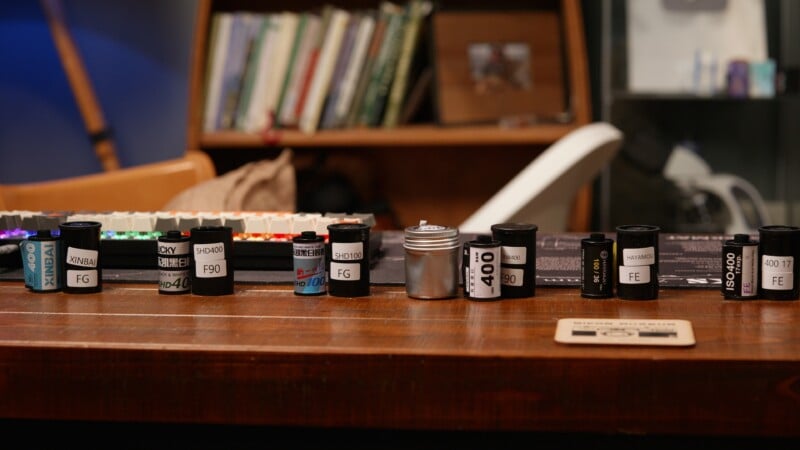 Here is the mug shot lineup with all the Chinese films. Some look professionally loaded, and some look haggard.
I sent the film to a local developing house to get processed and scanned, and I chose to limit the amount of editing I did to the images to show as authentic a representation as possible. This means I left dust and scratches alone, and largely left contrast and exposure unchanged. However, one of the first issues that you will face when trying out a no-name film is the lack of any decent developing data to ensure proper exposure and dynamic range. The lab did a great job, but a couple of rolls did come out a little underdeveloped. There will be some trial and error to really fine-tune your results if you go ahead on your own.
I specifically tried to choose films with no Remjet anti-halation coatings because these require proper rinsing of the carbon coatings before developing. Unfortunately, I’m pretty sure one of the emulsions I purchased did have an intact Remjet coating. In a previous test with two of the films on my list, there were some major light leaks and insane levels of dust and hair present within the film as it came out of the box. Sadly, expect to have some failures and ruined rolls when shooting some of these reloaded films. If you are looking for consistency, most Chinese films will leave you disappointed.
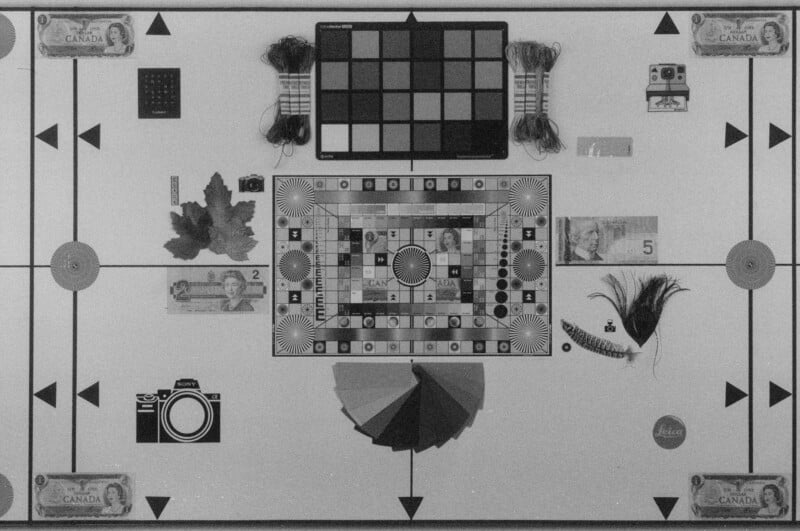
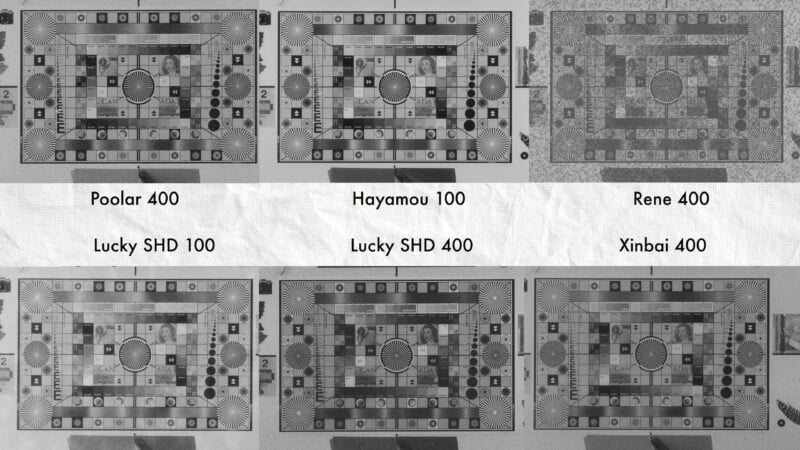 I shot all six film types against the test chart using a tripod, proper lighting, and equivalent exposure values.
One of the main reasons you might want to explore this forbidden world of mysterious films is due to a frugal attempt to save money. As it turns out, after shipping costs and hidden fees, most of this film was the same price or only marginally more affordable than the well-known brands in North America. If I bought triple packs of bulk film, I could save some money, but that was not nearly enough to justify the risks. You should only buy these films because you want to seek out unique emulsions with a look not easily found at home.
Poolar 400
The first film on the list was branded as Poolar 400 BW 18 exposure film and cost about $12.50. What showed up at my door was indeed 400 ISO film, but it did not say Poolar on it, and I only got 17 exposures on this roll.
Fortunately, the film developed well, and the images ended up being a pleasant surprise. This 400-speed film had strong contrast with quite a rich tonal range, and decent sharpness overall.
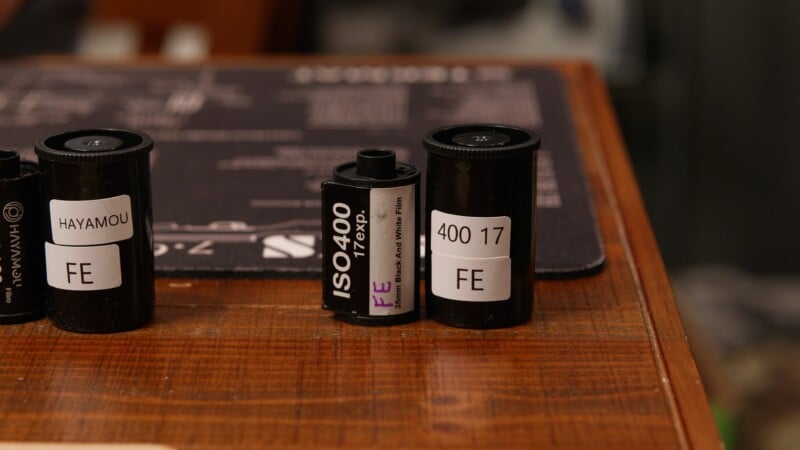 The label is not accurate to what was shown in my cart, but the results were surprisingly good.
 This film showed good contrast and rich tones, but make note of the trail of dust going through the whole roll.
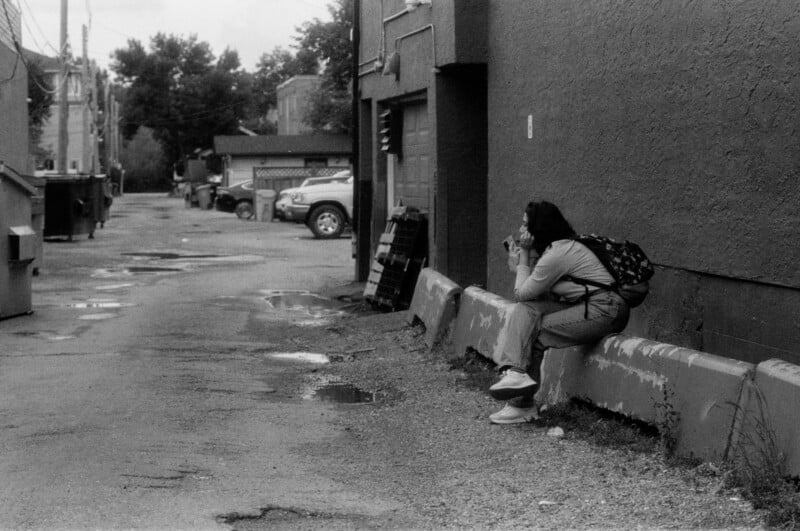

I found the shots to have a coarse but sharp-looking grain structure, although the results could have been higher in resolution, and I noticed some annoying dust along the bottom half of the roll. Who knows what film I ended up receiving, but the results were enjoyable and represented some of the silver linings to be found when experimenting with dubious film emulsions.
Hayamou 100 ISO BW
I wanted to try out this roughly $12.50 Hayamou film because I saw many available color films from this brand as well. The film canister was a proper-looking sealed metal canister, and the branding sticker looked professional enough. It was labeled as 100 ISO and 36 exposures. Turns out, this film was one of the hidden gems of the bunch, with very sharp detail and fine grain structure. I also found the contrast to be quite punchy, and it developed well.
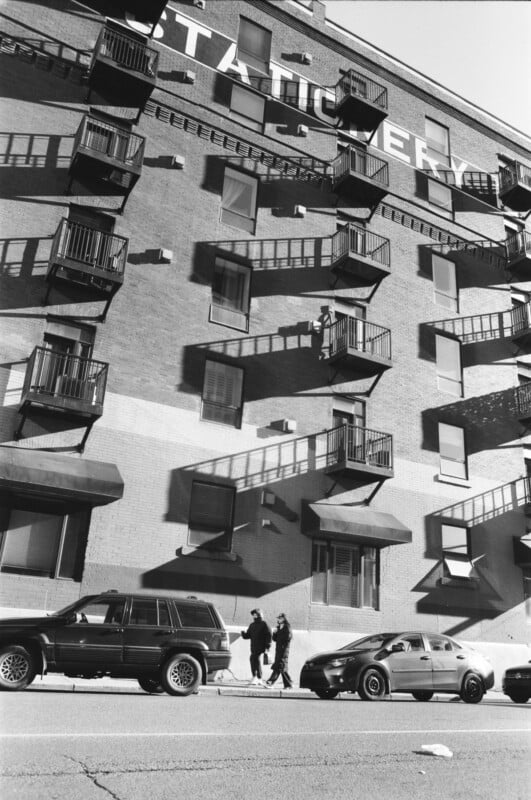 This film is really punchy and didn’t have any production issues like dust or light leaks.
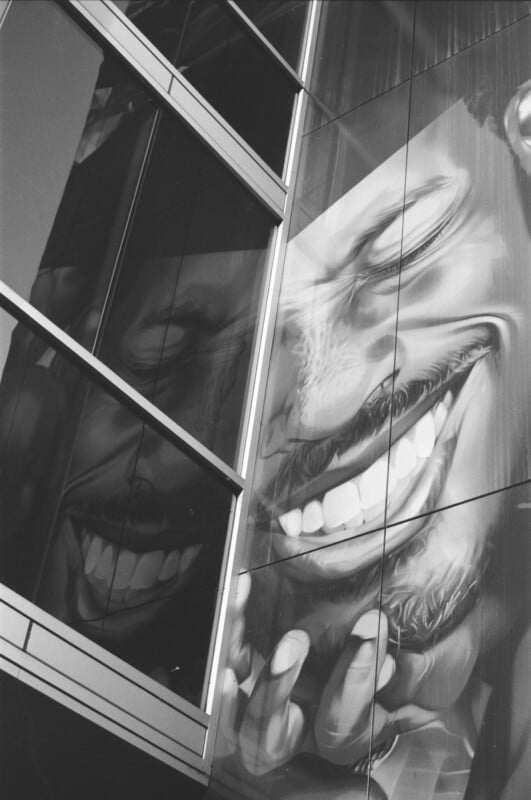
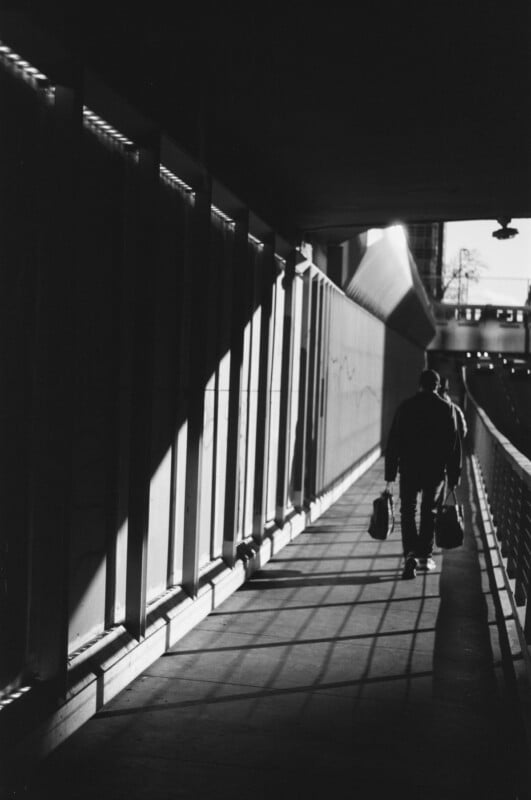
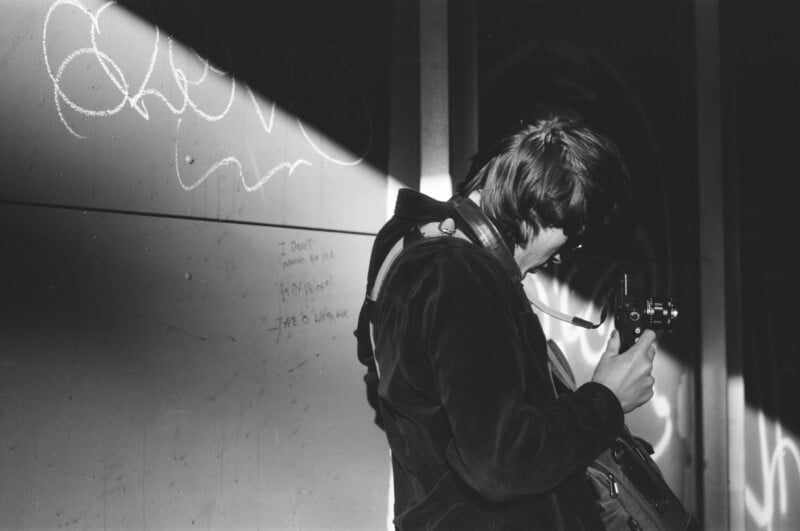
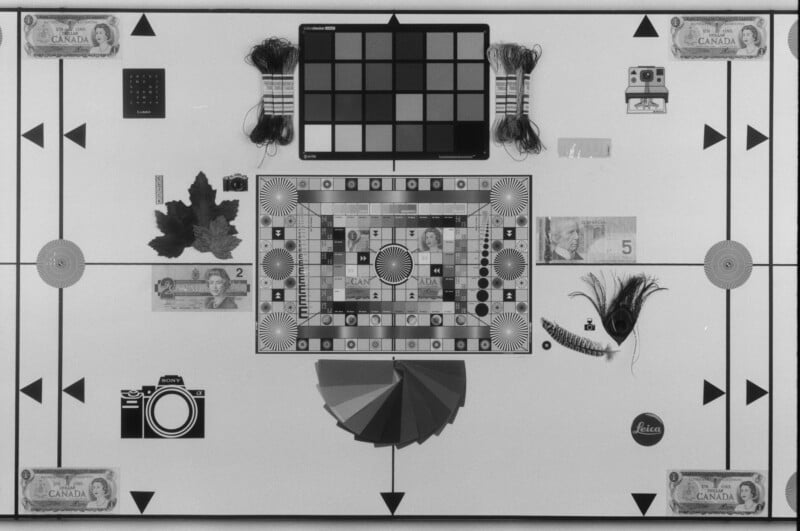
This is a very clean and sharp film, which reminded me of Agfa APX 100, and I would happily try it out again.
Rene 400 BW
I’ll be honest: I bought this 36-exposure, $11.75 film because it came in a sexy metal tin. Turns out, this film most likely had a Remjet coating, which didn’t get rinsed off first, or at least that is my current hypothesis. Whatever the issue, the film looks like it has measles, with black splotches left all over the shots.
 I had high hopes for this film based on the sample photos on the listing. Whatever happened to it is unrecoverable.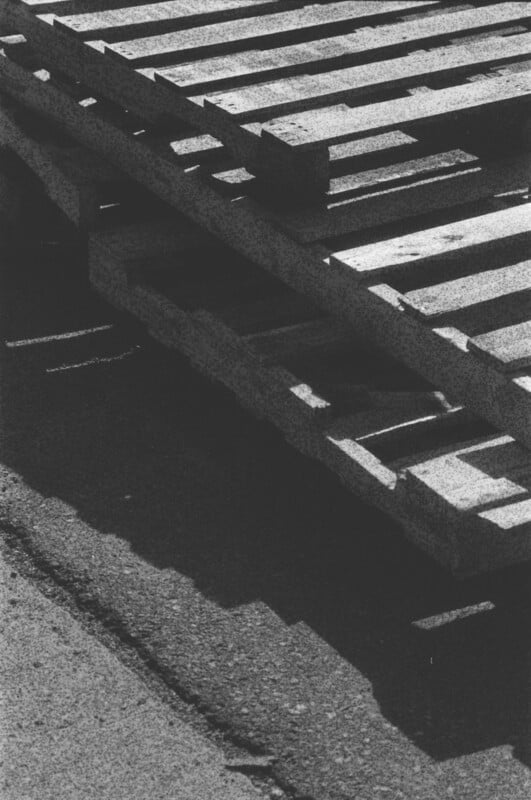
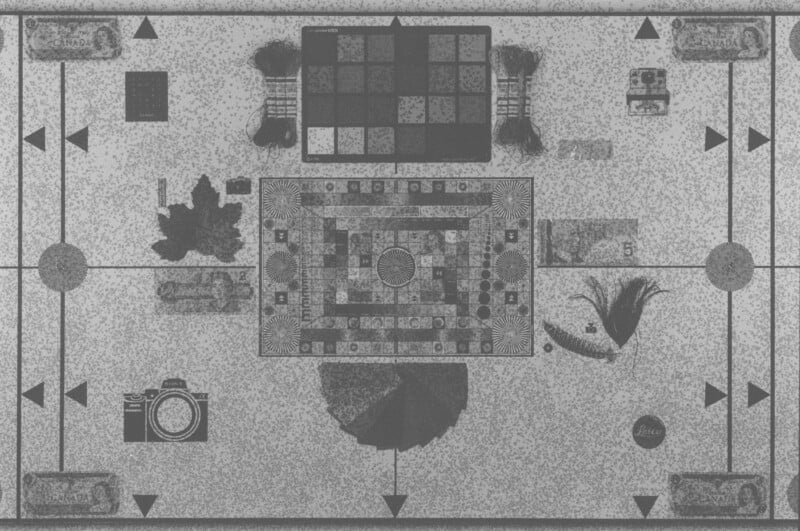
Sadly, it is hard to evaluate the film stock with this issue, but hopefully you can glean something from the samples. Still, this is a perfect example of some of the problems that can arise when buying film from websites that give you very little information.
Lucky SHD 100
This was the first film that saved me money. I had to buy a three-pack, but the cost came out to $6 a roll with 36 exposures on each roll. I’ve used SHD before, and I liked it, but there can sometimes be production issues. A roll that I sent to Jaron Schneider to test was absolutely filthy with dust and long hairs running through the entire roll. Mine turned out okay, however, and I was pleased with the tight grain.
 You can see the inherent sharpness in this film. Lots of good detail to be found here.

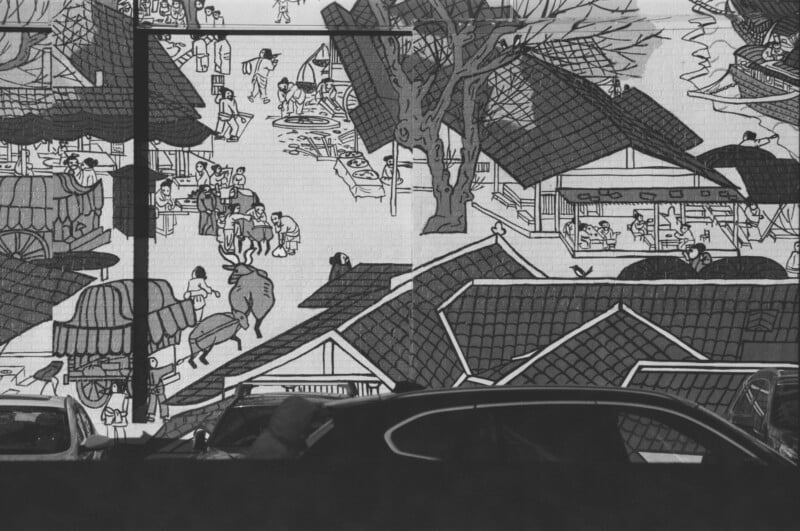
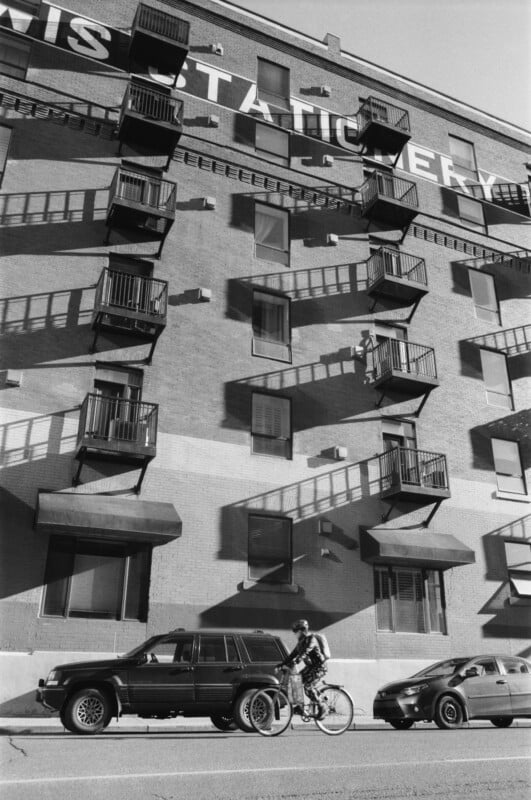
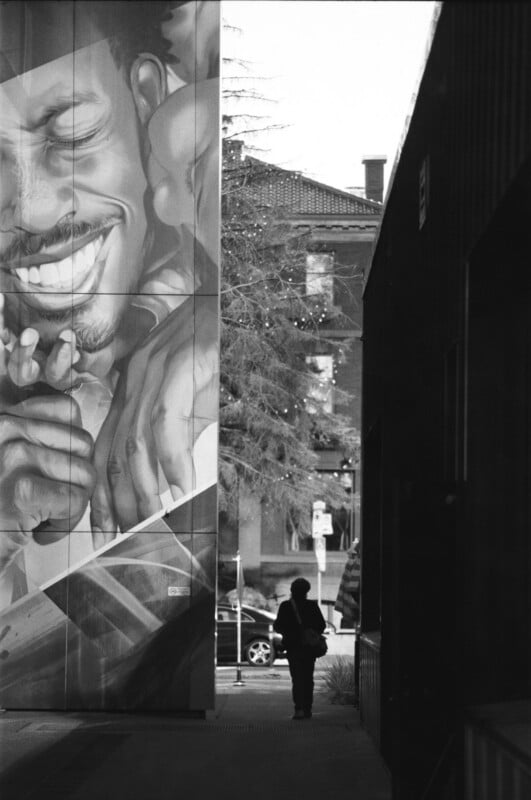
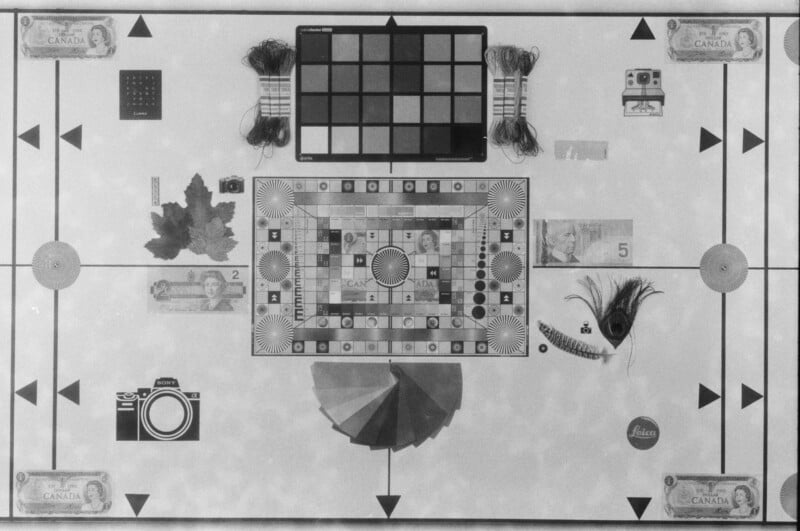
I did notice some splotches on the first few shots out of the roll, but this could have been a lab issue. The contrast is pretty middle-of-the-road, which is flexible and good at handling strong lighting scenarios. It reminded me of Ilford FP4 in many ways.
Lucky SHD 400
I’d never tried the Lucky 400 SHD before, but I liked it. The cost was again hovering around the $6 per roll mark, and the film comes in nice 36-exposure boxes. I didn’t have any dust or light leaks, but this is one of the emulsions that came out slightly underdeveloped. I only had to correct it slightly, and the results are good.
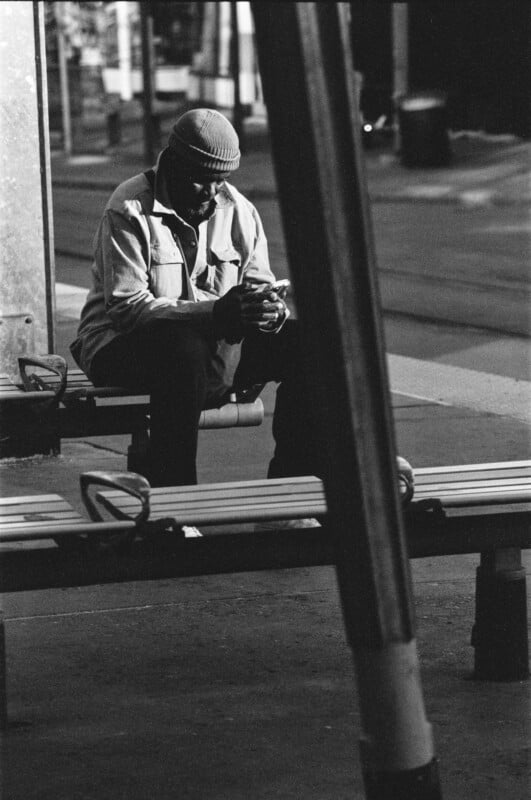 This has strong contrast and coarse grain structure.
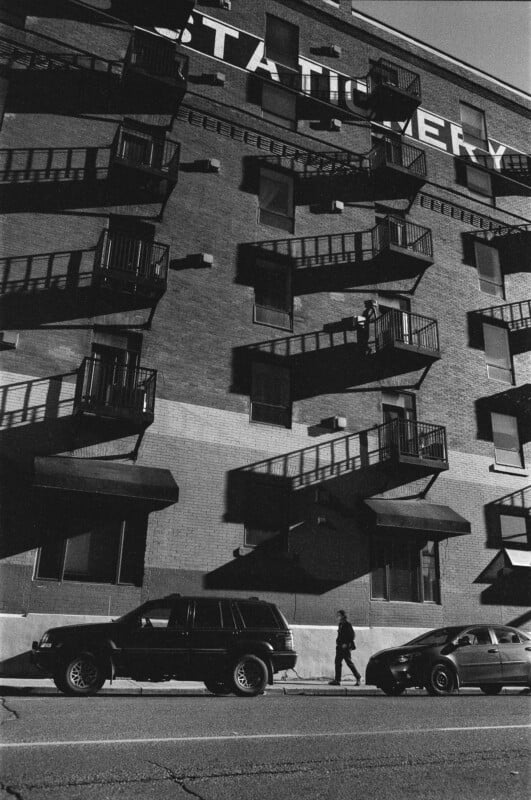
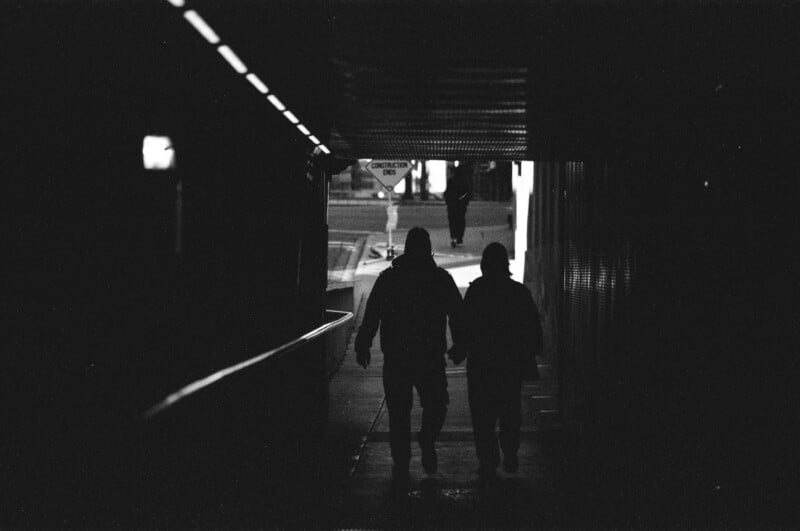
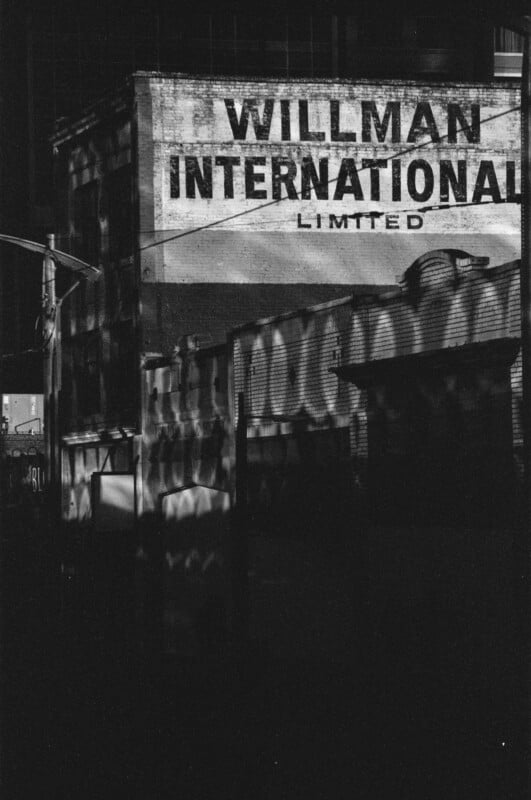
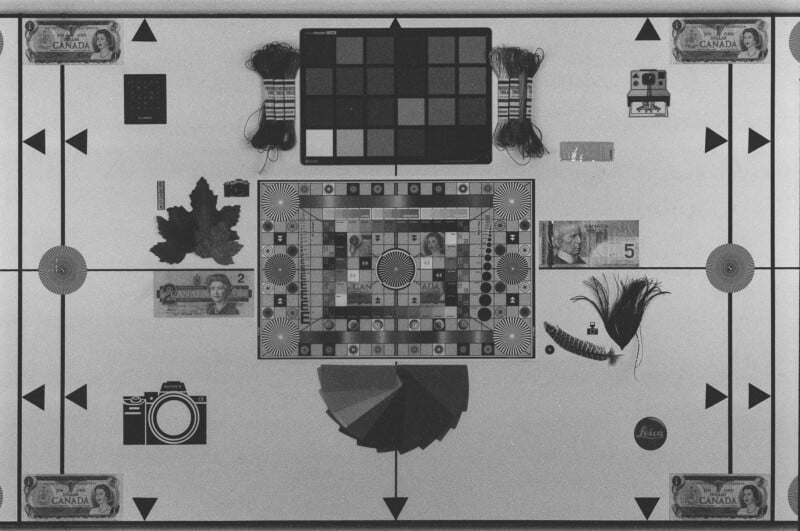
The grain is quite crunchy and coarse with good contrast overall. It wasn’t as contrasty as something like Kodak Tri-X, but the grain structure was similar, and I could see this being an excellent overall 400-speed film for those who prefer a more gritty documentary look to their images. With proper developing this film would be fun to shoot, ideal for lithographic work, and is affordable.
Xinbai 400 BW
This film had an alluring blue label and looked reputable in the listing. I paid around $9.50 per roll, and it came in a three-pack with 36 exposures to each roll. One of these rolls was shot by Jaron Schneider, but he had bad luck with this one as well. The roll had major light leaks all throughout, and it wrecked every shot. I did not have any such issues on my rolls, fortunately, and found the film to have a unique character.
 You can clearly see the gritty grain structure and softer tonal range here.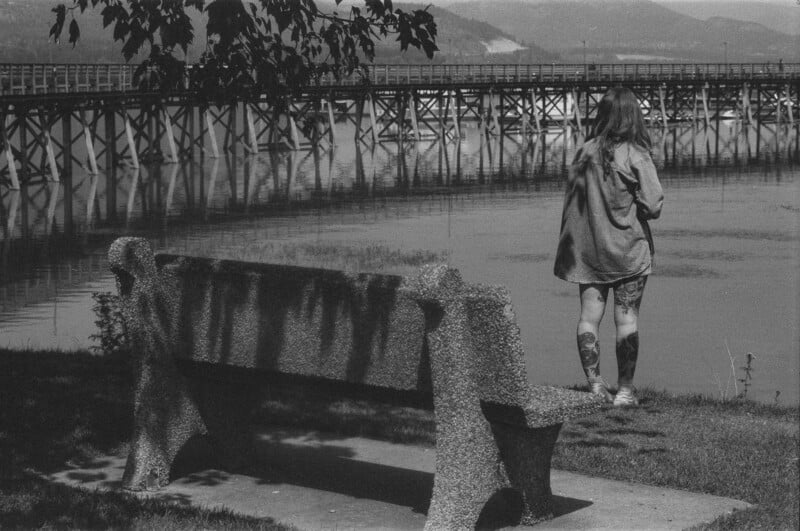


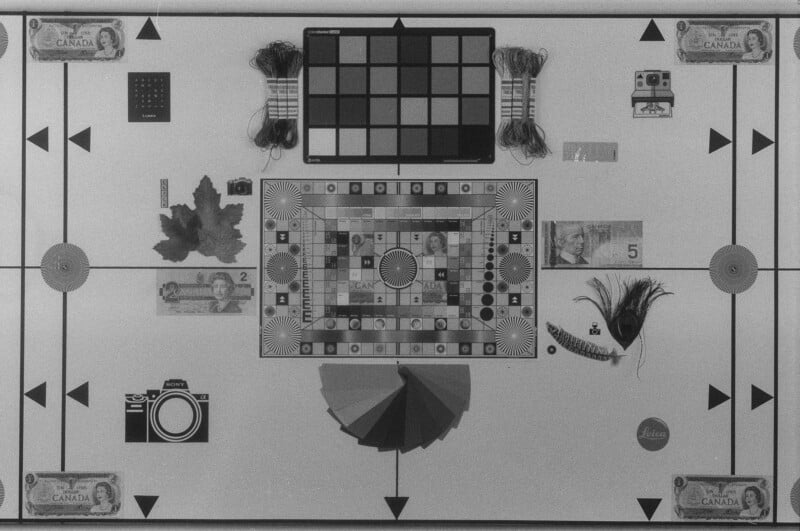
The grain is chunky and coarse, but the contrast was on the softer side. It was not a particularly high-resolution film, but I really liked it for portraits and softer landscapes.
When You Pick Up Film on Temu, Let the Buyer Beware
I had plenty of fun doing this little experiment, and it gave me an understanding of what to expect when ordering these films online. I’ve learned that saving money really depends on what films you buy and what level of bulk ordering you are comfortable with. Of all the films tested, only the Lucky brand film, and to a lesser extent the Xinbai film, saved me any money.
I will also reiterate that, from a cost savings standpoint, it is not worth it. Dust and light leaks will be a common occurrence, and you can expect to see some emulsion pinholes and limited expiry dates. If you want consistency, you should buy reputable film from local dealers.
However, there is also some fun to be had here, and I found some film emulsions that I really liked. If you are willing to put in some effort and roll the dice on the investment, there is a unique experience waiting for you. Stick to the more professional-looking film stocks, and you might have better success, although this is far from guaranteed. I have also heard rumors that companies like Lucky are retooling to make more modern emulsions, and I am certainly convinced that China can make perfectly high-grade film if they really want to. It might be worth visiting the Asian film market to see for yourself if it inspires your creativity.






 English (US) ·