
 1 week ago
22
1 week ago
22
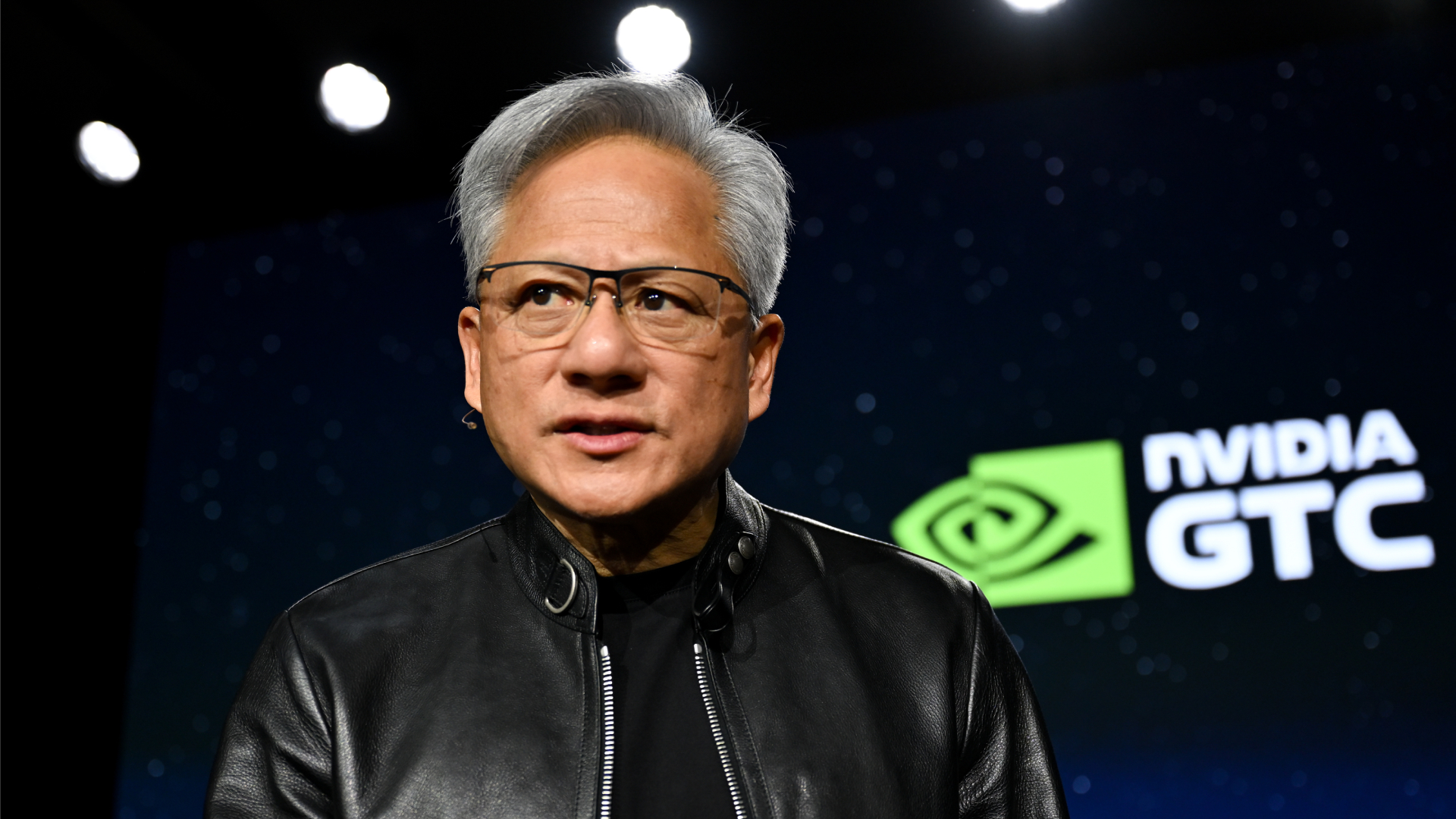
A bipartisan group of U.S. Senators is urging the government to take immediate action to halt the sale and export of Nvidia GPUs and server systems to China and southeast Asian countries, in the wake of the recent revelations around the Super Micro smuggling scandal.
U.S. Senators Jim Banks (R-Ind.) and Elizabeth Warren (D-Mass.) have penned a letter to U.S. Commerce Secretary Howard Lutnick disputing Nvidia's claims that it was unaware of GPUs and servers being diverted to China— part of an opereration to dodge sanctions on the lucrative technology.
Article continues below
To the letter
“We urge all necessary and appropriate actions, including the immediate pausing, suspension, or other reconsideration of all active export licenses covering advanced Nvidia AI chips and server systems destined for . . . China as well as for intermediaries in south-east Asia, including Malaysia, Thailand, Vietnam and Singapore," the letter reads, as reported by the Financial Times.
This letter is particularly notable for its bipartisanship. Senator Warren is a one-time presidential hopeful and one of the leading progressives within the Democratic Party. She's also the leading Democrat on the Senate Banking Committee. In contrast, her fellow letter signer, Jim Banks, is a staunch Republican, having voted against stimulus checks during the Coronavirus pandemic; he has previously called climate change a left-wing hoax.
Despite their differences, the joint letter drives right at the heart of recent efforts by Nvidia and its CEO to restart GPU shipments to China. This comes after most of 2025 was spent with them effectively banned while America and China warred over global trade and used access to GPUs and critical minerals as cudgels with which to beat one another.
After months of wrangling, the U.S. finally approved export licenses for Nvidia's last-generation H200 Grace Hopper GPU systems in December, with only the Chinese authorities then needed to approve the imports. That had started to happen, with Huang stating just over a week ago that the first orders from Chinese companies had started to appear.
Then the Super Micro story broke, and now the whole scheme is threatened by this letter from U.S. Senators. For its part, Nvidia claims to have been unaware of the scheme and that it follows all regulations to the letter.
"Strict compliance is a top priority for Nvidia," the company said in a statement to Tom's Hardware. "We continue to work closely with our customers and the government on compliance programs as export regulations have expanded [...] Nvidia does not provide any service or support for such systems, and the enforcement mechanisms are rigorous and effective.”
Although that would seem to distance Nvidia from any concerns, this may be only the beginning of its problems. The letter doesn't just call for a halt to exports, but hints that CEO Jensen Huang may have misled lawmakers when previously discussing GPU diversions.
Nvidia under fire

In the letter, Banks and Warren highlight that as part of Huang's 2025 lobbying efforts to allow the sale of its high-end GPUs to China, he rejected the idea that GPUs were being diverted there from other territories to get around trade restrictions.
Huang reportedly told lawmakers that because Nvidia customers were aware that diversions of chips were not legally permitted, they “monitor themselves very carefully."
The Senators highlighted these and other statements by Nvidia executives as “materially false or misleading." If such statements affected licensing controls, then those controls should be reconsidered, they said.
"American export controls exist to protect American national security. They only work if the companies subject to them follow the law and meaningfully, aggressively monitor their supply chains. We are concerned that the recent Supermicro indictment raises serious questions about Jensen Huang’s public assurances.”
Huang's claims may be under scrutiny, as there is public evidence of Nvidia's abilities to track where its graphics processors end up. Although it denied claims from China that it had kill-switches, or active tracking hardware on the GPUs themselves, Nvidia has admitted that telemetry data can allow it to estimate the location of a GPU.
Since there is a trackable latency between an Nvidia GPU sending a message to Nvidia servers and then receiving the response, Nvidia can make a guess of where in the world it might be.
If that truly is the case, how could it not know GPUs planned for one territory or country were being diverted to another?
Contrasting export and import laws
The letter also raises serious questions about the heavy contrast in U.S. export and import legislation. The Commerce Department said in response to the letter that selling Nvidia's H200 GPUs to China, “under controlled conditions, will strengthen the American technology ecosystem." And yet at the same time, the administration recently placed extreme restrictions on Chinese imports of drones and foreign-made routers.
On Monday this week, the Federal Communications Commission said it would no longer certify Wi-Fi routers manufactured outside the United States. It didn't single out China, but the measure will prohibit the sale of routers in the United States if they are manufactured in China. Similarly, the FCC has blocked the sale of next-generation Chinese drones in the United States. Although it has since allowed older models from manufacturers like DJI to be sold, the overall ban is still in place ahead of planned trade negotiations between the U.S. and China in early April.
Despite this heavier hand on other aspects of trade with China, the route for Nvidia GPU sales currently remains open, though this new letter may ultimately change that.
Nvidia also faces another potential roadblock in the form of the Chip Security Act. Set to be voted on by the House foreign affairs committee as soon as this week, it would require location tracking on all advanced AI chips to make diversion far more difficult.
Consider how cagey China was when it merely thought Nvidia GPUs had tracking hardware on board. If Nvidia is forced to add such equipment to its hardware, the company's prospective sales to China may face a far more serious roadblock.







 English (US) ·