
 4 weeks ago
19
4 weeks ago
19
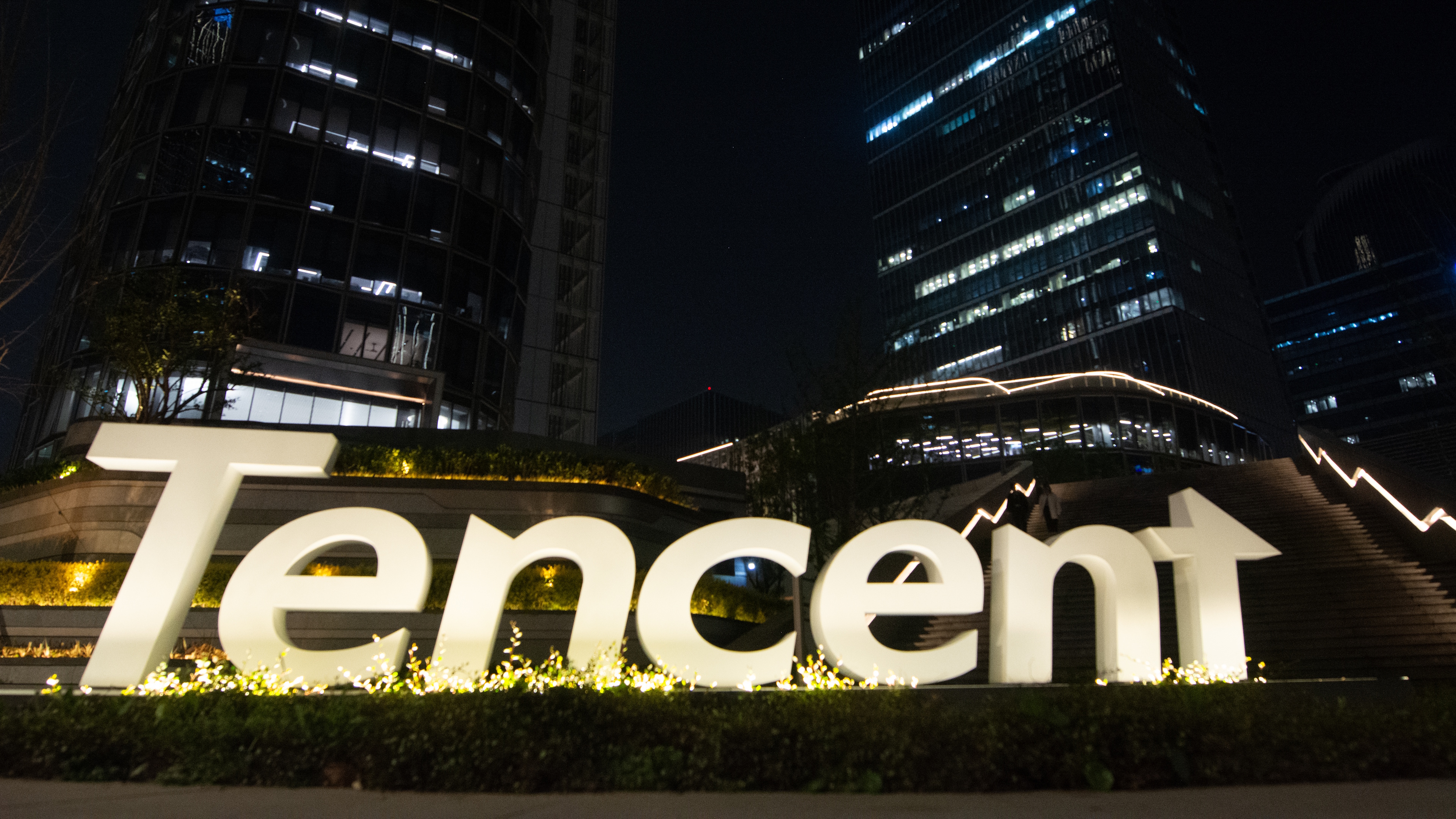
A Financial Times report (via Reuters) says the US government is debating whether Tencent's holdings in US and Finnish videogame companies pose a national security risk, and whether it should be forced to divest them. Multiple sources said cabinet officials were scheduled to have a meeting on the matter earlier this week, ahead of US president Donald Trump's scheduled meeting with Chinese counterpart Xi Jinping, but the meeting was postponed due to scheduling conflicts.
Chinese conglomerate Tencent is a major player in the Western games market. It owns Riot Games, Digital Extremes, and Inflexion Games outright, and has significant holdings in Epic, Larian, FromSoft, Krafton, Ubisoft, Remedy, Supercell, and numerous others. The FT report says that's led to concern in the US government that Tencent could gain access to personal data of US citizens, something that's traditionally been reserved for the US government and companies. (Like here. And here, and here. Oh, and here.)
This process has been dragging on for a while now. The US government initially turned its attention to Tencent's gaming holdings in 2020 during the first Trump administration, eventually leading to negotiations that seemed to be successful, at least to the extent that Tencent wasn't forced to sell off its holdings—although in 2025, Tencent was declared a Chinese military company by the US Department of Defense.
The second Trump administration, which we are now just over a year into, has been much more overt in its corrupt, chaotic corporate dealings. In 2025, for instance, the US arm of TikTok was sold to a company whose "managing investors" include Oracle, owned by billionaire Trump supporter Larry Ellison, and Silver Lake, a private equity firm that joined with investment firm Affinity Partners, owned by Trump son-in-law Jared Kusher, to assist with Saudi Arabia's acquisition of Electronic Arts. Trump also weighed in on Netflix's attempted acquisition of Warner Bros. Discovery, saying the proposed deal "could be a problem"; Netflix eventually bowed out and WBD went to Paramount, which is owned by Larry Ellison's son David, in a deal backed by—you guessed it—Saudi Arabia.
"Private equity has maimed retail franchises like Party City. It has brutalized digital media outlets like the Gizmodo Media Group and demolished local news across the US. It's left hospitals full of bats and increased mortality in retirement homes. A report using S&P data found that in 2024, private equity-backed companies accounted for more than 10% of all corporate bankruptcies and over 50% of bankruptcies with over $500 million in liabilities—but "despite their role in precipitating bankruptcies, private equity firms often emerge financially unscathed."




 English (US) ·