
 3 weeks ago
30
3 weeks ago
30
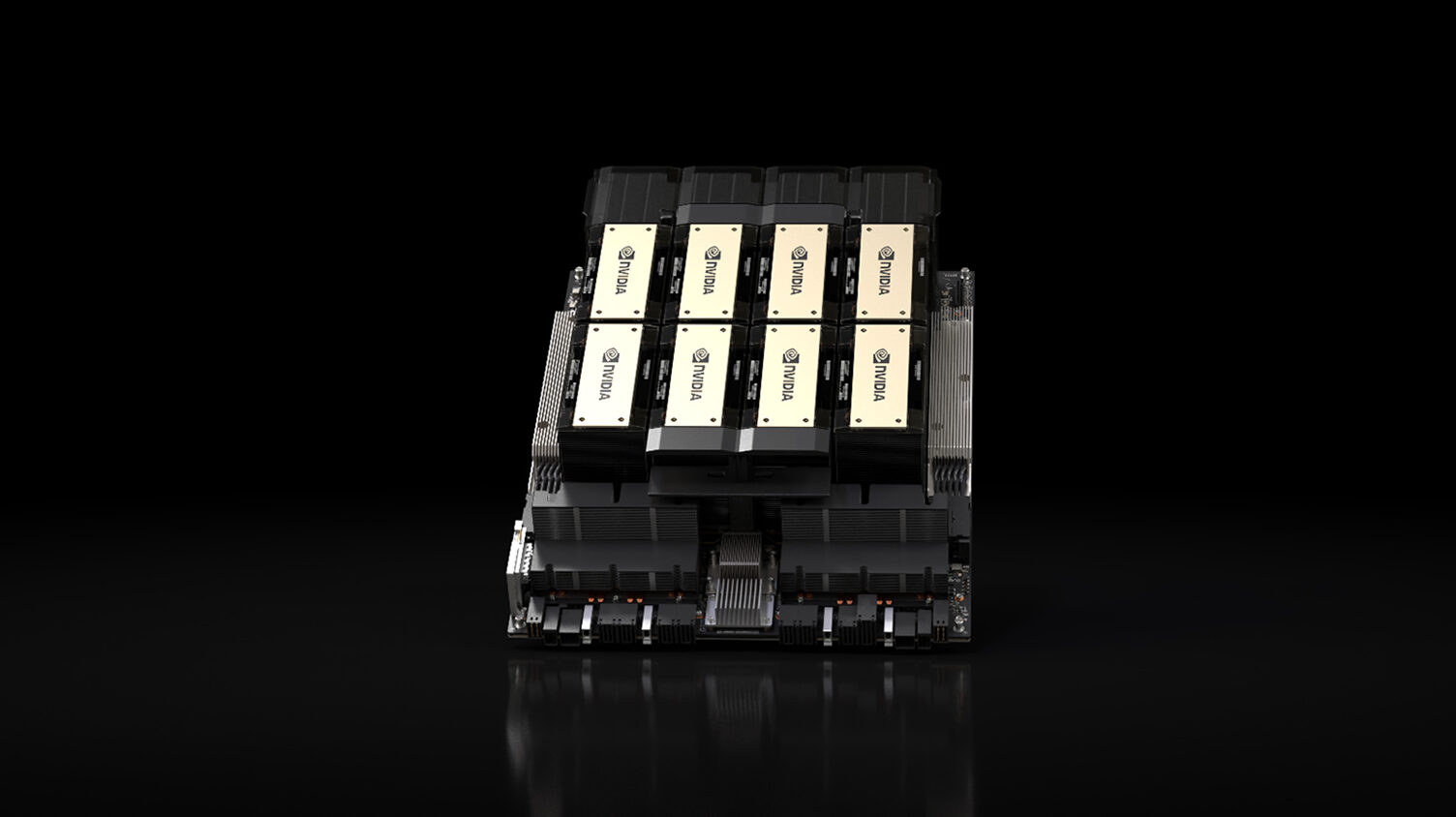
The U.S. Commerce Department revokes a proposed export rule for AI accelerators that would require foreign operators of massive AI clusters to invest in American AI infrastructure to obtain them, effectively making them twice as expensive for entities from Asia, Europe, and the Middle East, reports Reuters. The U.S. government is still working on a new set of export rules for AI hardware developed in America, but at least the controversial proposal has now been removed from the table.
Go deeper with TH Premium: AI shortages
The proposed export framework outlined a tiered licensing system linked to planned computing capacity. Shipments involving relatively modest volumes — up to 1,000 Nvidia GB300 GPUs — would be eligible for an accelerated approval, enabling exporters to ship hardware with limited regulatory resistance.
Article continues below
Medium-scale installations would first need to obtain pre-authorization from the U.S. Department of Commerce before formally applying for an export license. In addition, operators would be required to provide detailed operational transparency, including disclosure of business activities and infrastructure usage. Furthermore, to get an export license, the end customers would need to permit on-site inspections by U.S. authorities to verify compliance with export conditions.
At the upper end of the spectrum, the rules envisioned special treatment for very large AI clusters, particularly those involving 200,000 Nvidia GB300 GPUs or more deployed by a single organization within one country. Such projects would likely require direct negotiations with the U.S. government, including intergovernmental national security assurances. In parallel, operators of these large installations would be mandated to invest in AI infrastructure located in the U.S. as part of the overall arrangement.
The Commerce Department specifically noted that it was looking into formalizing the approach under which Cerebras and Nvidia were allowed to supply their AI accelerators to companies in the Middle East.
Meanwhile, these export licenses granted to Cerebras and Nvidia to supply AI hardware to Saudi Arabia and the United Arab Emirates reportedly required the country to match every dollar spent on domestic AI infrastructure with a dollar invested in AI infrastructure in the U.S. If similar conditions were applied to other markets, companies deploying accelerators from AMD, Cerebras, Nvidia, and other vendors would have effectively faced their costs doubling, as each dollar invested in local AI capacity would have to be mirrored by an equivalent investment in the U.S. AI sector.
The withdrawal of the new draft likely reflects internal disagreement about how to balance national security and expanding U.S. influence in the global AI market. However, it remains to be seen whether the next draft of the export rules framework will be stricter or more liberal to exporters of AI hardware and their customers outside of America.

Follow Tom's Hardware on Google News, or add us as a preferred source, to get our latest news, analysis, & reviews in your feeds.



![New 100% RT Cyber Thriller Unleashes 10-Minute Sneak Peek [Exclusive]](https://static0.colliderimages.com/wordpress/wp-content/uploads/2026/01/wardriver-sasha-calle-dane-dehaan.jpg?w=1600&h=900&fit=crop)



 English (US) ·