
 3 weeks ago
19
3 weeks ago
19
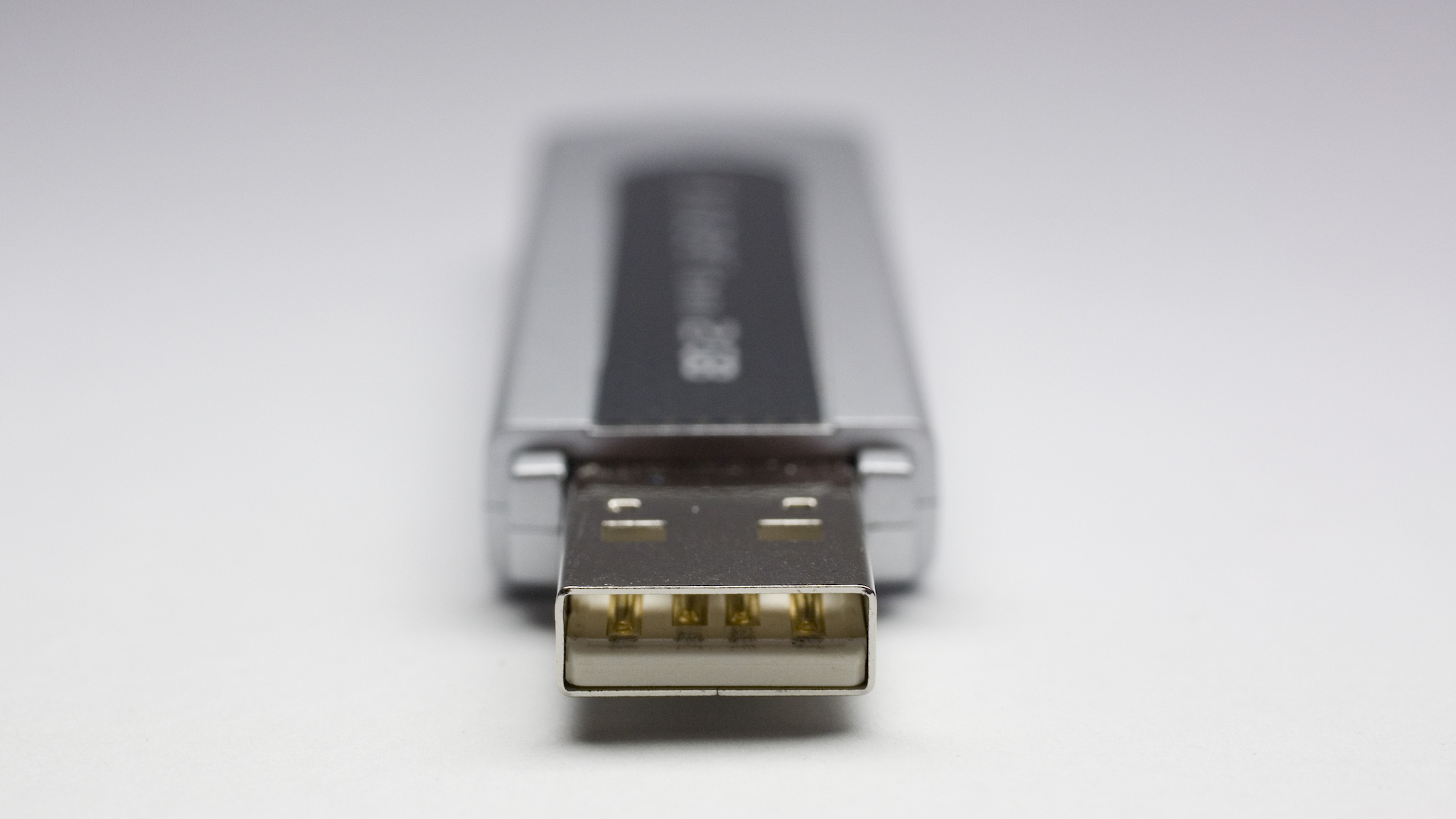
It's a key part of conventional IT wisdom to treat USB flash drives as disposable units and never entrust any important data to them. While this line of thinking often revolves around the fact that USB sticks are easy to lose and easy to break, it's generally understood that the NAND flash ensconced is expected to fail in a relatively short time span. Unpowered data retention is particularly concerning. An enterprising tech blogger and Redditor is doing a small-scale test, and the results are quite promising.
Go deeper with TH Premium: CPU
It's 2026 so we're now in test #5, and the results are the same as the previous years: zero bit rot so far, and a total of five drives tested. Vance's method is to test one additional drive for bit flips, and fully re-write any good drives. So far, all tested drives came out perfectly fine, adeptly challenging conventional wisdom that the data on a USB stick isn't expected to be readable after six months to a year, depending on who you ask.
Article continues below
As far as we could find, there are no large-scale tests performed specifically about long-term data retention in consumer USB drives, and Vance's effort is close to the only one we could otherwise find. Commenters pointed out some limitations of Vance's methodology, chiefly the fact that all 10 drives are from the same make, model, and almost assuredly the same lot. He's also keeping the drives at "standard conditions", meaning a box in his closet, in presumably with some form of temperature control.
Vance's results are definitely promising, but drive make and temperature may well be the biggest factors in longevity. Redditor Carnildo performed a three-drive, one-year test recently, employing three lightly-used drives, one PNY and two Lexar of different models, all on "extreme discount" at Office Depot. He left one of the drives unpowered inside an attic without climatization, a space that "spent most of the winter in sub-freezing condition[s]." The second drive was unpowered, but in a standard-temperature room. The third drive was periodically read.
After one year, all three units displayed data corruption, and the one with the most failures was actually the unpowered indoor drive, while the "active" drive displayed the least. If anything can be gleaned from this conflicting set of limited results with small data sets, it's that the largest factors are probably the quality of the USB drive and how it's stored.
Although flash memory manufacturers are meant to follow the JEDEC JESD47 standard that requires that flash chips go through a sustained test meant to simulate 10 years at 55°C, the standard is not binding or enforceable in any form, short of business dealings. While vendor contracts, QVLs, and standards of industries where the cells are used (automotive, aeronautical, etc.) can explicitly demand compliance, there are no such checks for standard consumer USB sticks, particularly among off-brand offerings.
The best option, then, seems to always stick to higher-spec drives made by well-known vendors, and keep them at room temperature with controlled humidity... and always keep backups handy.

Follow Tom's Hardware on Google News, or add us as a preferred source, to get our latest news, analysis, & reviews in your feeds.






 English (US) ·