
 Image via The Weinstein Company

Published Feb 11, 2026, 5:17 AM EST
Rotten Tomatoes | Letterboxd | Metacritic
Carolyn Jenkins is a voracious consumer of film and television. She graduated from Long Island University with an MFA in Screenwriting and Producing where she learned the art of character, plot, and structure. The best teacher is absorbing media and she spends her time reading about different worlds from teen angst to the universe of Stephen King.
Dystopian stories have become quite popular in recent years, and there’s no question as to why. Art has always reflected people's lives, and these tales throw up a mirror to society. Both Fallout and The Last of Us are some of the biggest shows out there, featuring characters years after a catastrophic event destroyed society. Over a decade ago, however, there was a film that encompassed all of these themes into a streamlined story.
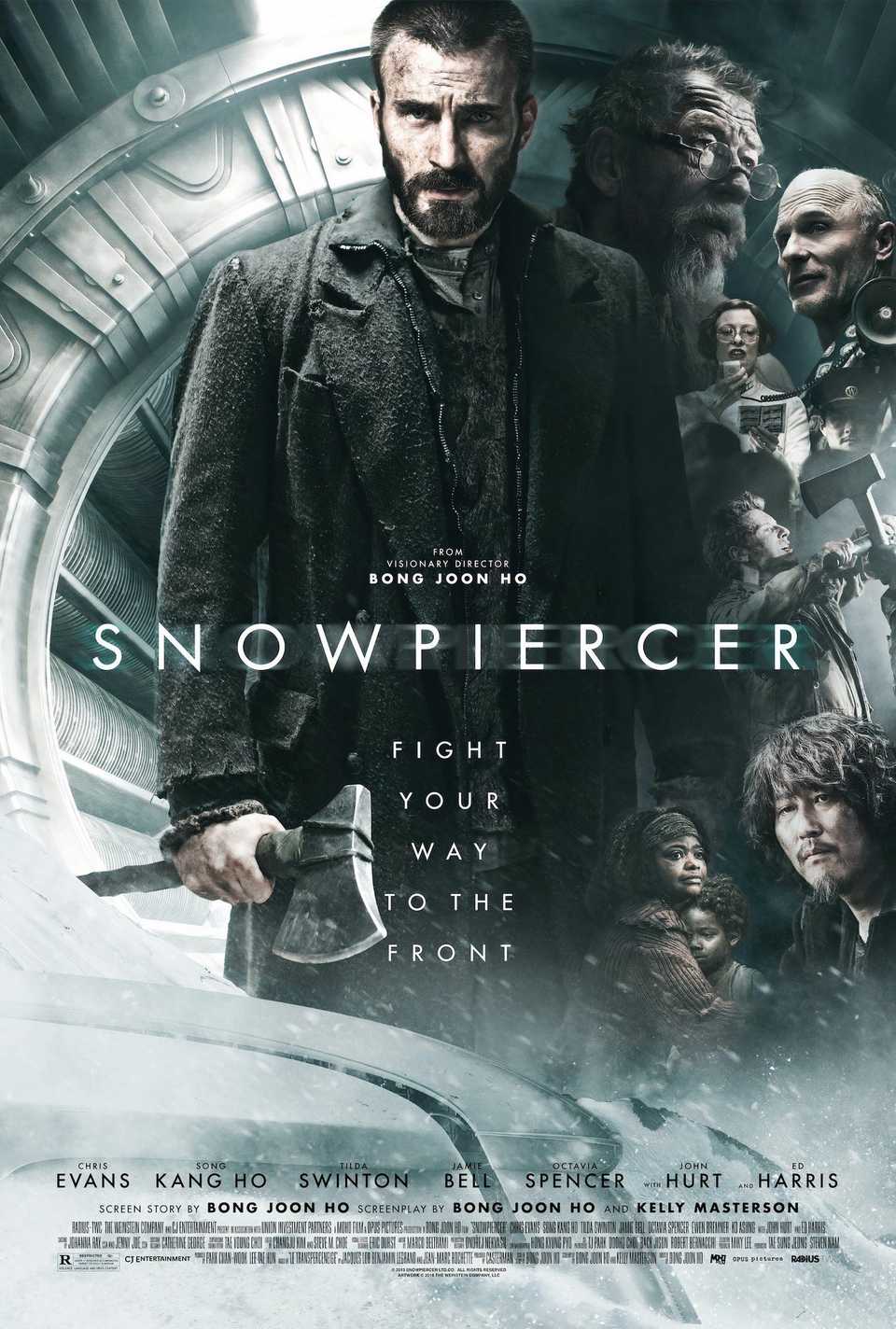
In 2013, Bong Joon Ho directed Snowpiercer, an adaptation of a French graphic novel. Though the film wasn’t a one-to-one adaptation, it devised something just as important. The film follows the titular train, which contains the last people on Earth. In trying to counteract climate change, humanity triggers a new ice age, transforming the world into a wintry tundra. The only escape was a train that never stops moving. 17 years after the train departs, the system held together by the barest of threads starts to fray in a socially conscious film about class.
‘Snowpiercer’ Was Ahead of Its Time
At a time when Chris Evans was known best as Captain America, Snowpiercer was a welcome thriller that slipped under the radar. Evans showcased his talents as the protagonist, Curtis, one of the many passengers doomed in the back of the train. Snowpiercer has a clearly defined class system, as Tilda Swinton’s character, Minister Mason, lays out in the beginning of the film. The people who paid to be on the train are in the front, where they get sushi and filet mignon. The “freeloaders,” as Mason puts it, receive protein blocks made from insects and are barely afforded the dignity of survival. After years of mistreatment, Curtis’ plan is simple. He decides to lead a crew through the train cars to the front, where he will confront Wilford (Ed Harris), the creator and conductor.
The themes of classism would be echoed in Bong Joon Ho’s later film Parasite, though in quite a different manner. Curtis lived his entire adult life on the train. He learned how brutal survival can be, especially at the end of the world. This is an admirable contrast to Evans’ more famous role in the MCU, which has gone on to define his career. Curtis is a quieter character, weighed down by the horrors of what he did to live.
Snowpiercer is a warning about climate change in a more optimistic time, when it seemed there was something that could still be done about it. The film depicts the impoverished as dehumanized — treated like cockroaches to be eradicated. Snowpiercer was topical at the time of its release and has become even more so in later years. It was so significant that it led to the TNT television series of the same name starring Daveed Diggs, which covers the same themes of class inequality. With a stacked cast and stirring performances, Snowpiercer is the type of dystopian film that can influence an entire genre. The feature is currently free to watch on Tubi.
Release Date July 11, 2014
Runtime 126 Minutes
Director Bong Joon-ho
Writers Bong Joon Ho, Jacques Lob, Benjamin Legrand, Jean-Marc Rochette







 English (US) ·